Swedish Cucumbers

  • I came across this recipe in a fellow bloggers post.
  • Her blog is Thistes & Kiwis – about life in Wellington, New Zealand.
  • This lady is half Polish, has lived in Scotland and Sweden –
  • She now lives in New Zealand.
  • I did a little research around this recipe and have adjusted it slightly.
  • I tested this out on one of my Polish friends – she thought it was super and has been making it already.
  • Now cucumbers – ogórki – are well loved in Poland.
  • They are usually the short knobbly ones, which you do not find often in England.
  • They are fermented or pickled in Poland.
  • This recipe uses what are known as salad cucumbers –
  • These are the ones most commonly found for sale or grown in gardens in England.
  • *
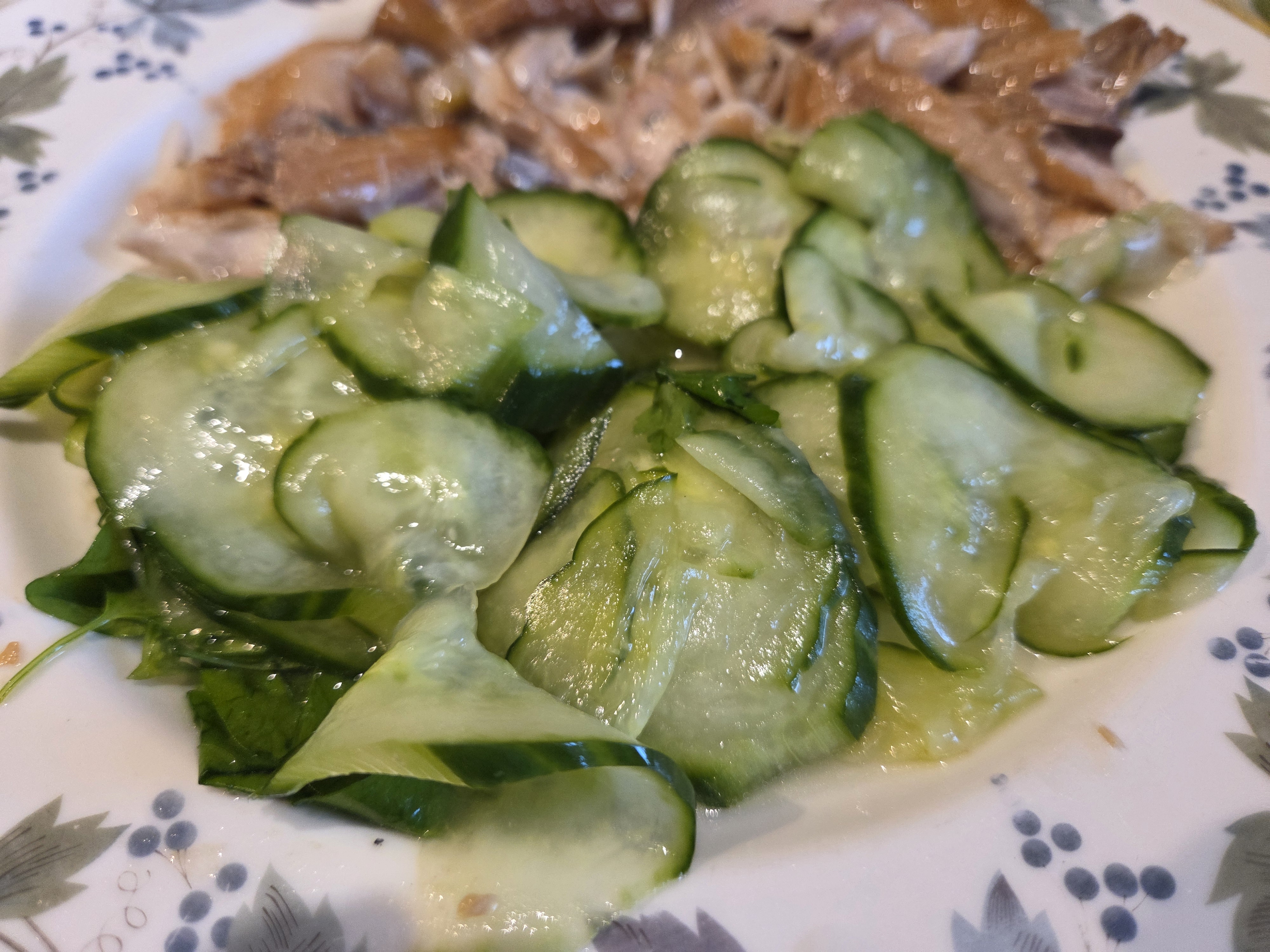
  • This dish is called pressgurka – a word which has similarities to English and Polish. (press and ogórki)
  • In Sweden it is often served with meatloat – klops or meat patties – kotlety.
  • I did not have any cooking when I was making this but I am sure it would be wonderful.
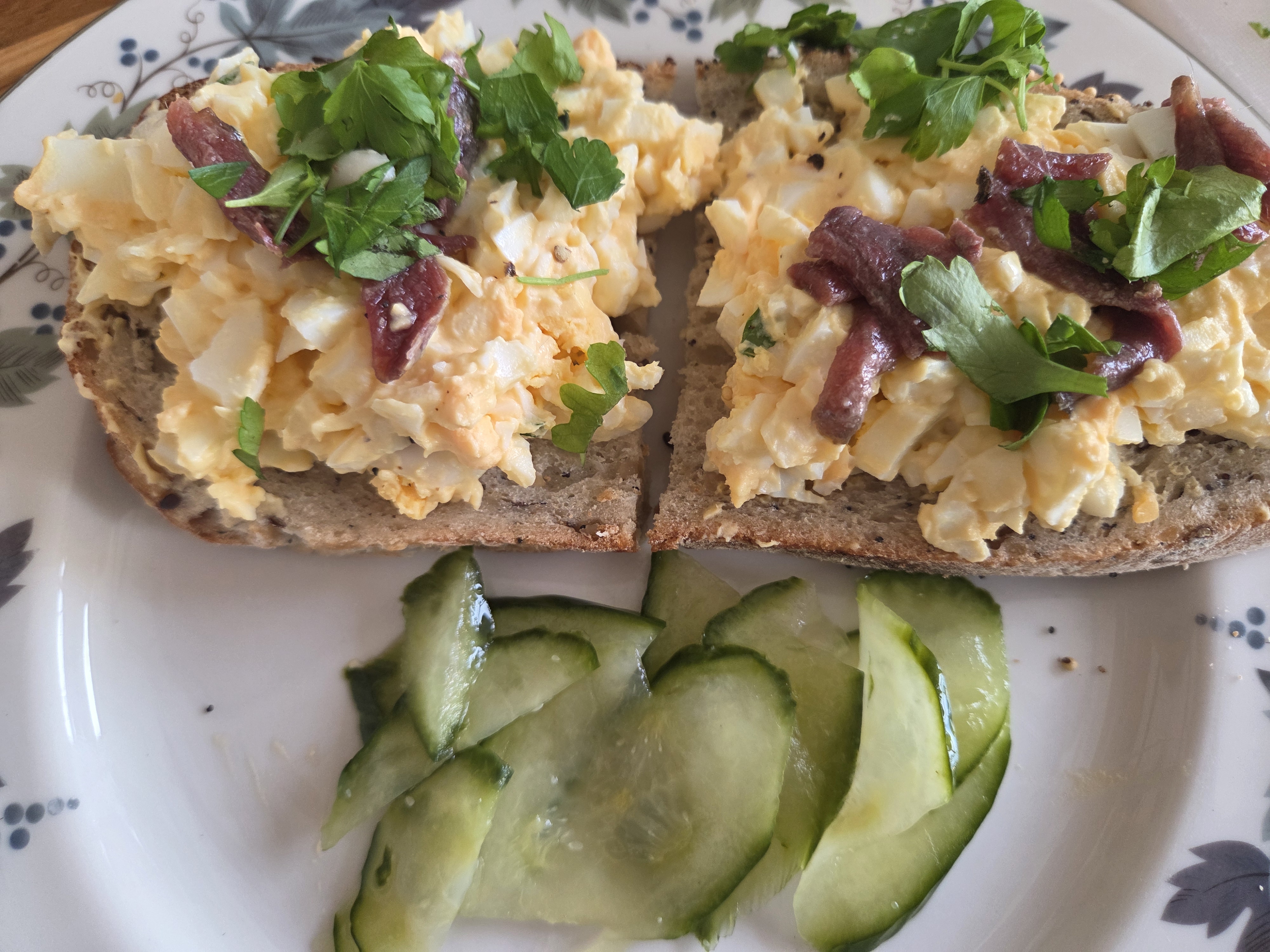
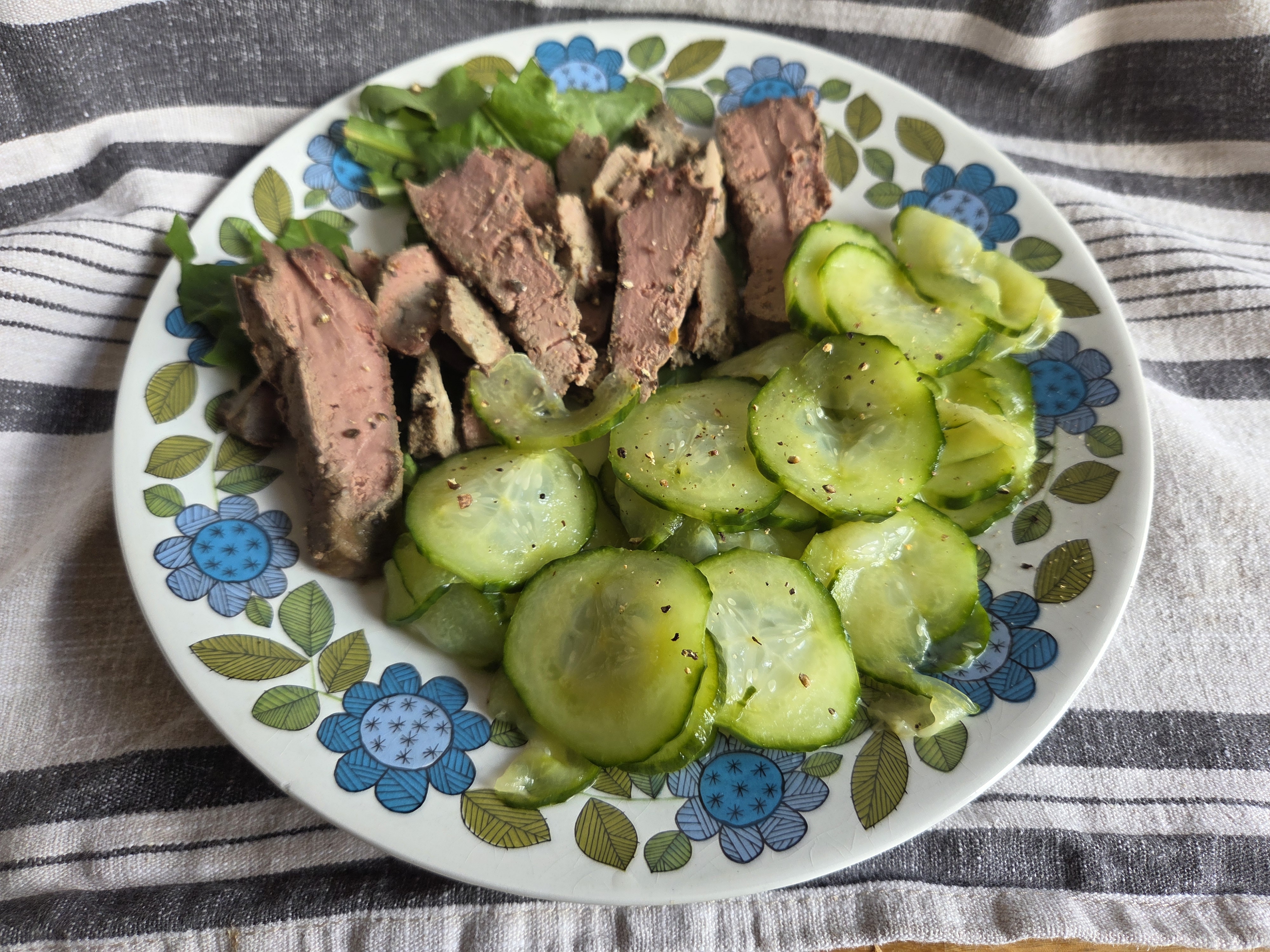
  • I served it with warm cooked liver and with egg mayonaise and anchovy sandwiches.
  • You could describe this as sweet & sour.
  • It will keep for a few days in the fridge should you have any left.
  • As my amounts are for 1 cucumber – I would make this afresh when needed.
  • Use a mandoline to cut or the side of a grater or a cheese slicer.
  • If you are good at cutting very thin slices then cut the cucumber with a sharp knife.

INGREDIENTS

  • 1 salad cucumber
  • Large pinch of salt
  • 2 tablespoons of sugar
  • 3 tablespoons of white wine or cider vinegar
  • 4 tablespoons of water
  • *
  • Can add some dill flowerheads or caraway seeds at the end

METHOD

  • Peel about half of the skin off the cucumber – lengthwise.
  • Slice the cucumber very thinly.
  • Place the cucumber on a flat plate.
  • Sprinkle with a large pinch of salt.
  • Place a piece of kitchen roll on top.
  • Plate another flat plate on top and put some weights on this (or a couple of tins).
  • Leave this for at least 30 minutes.
  • Remove the kitchen roll.
  • Put the cucumbers into a large sieve and remove the liquid.
  • Dry up the cucumbers with some more kitchen roll or use a clean tea towel.
  • Put the cucumbers into a bowl.
  • Put the sugar, vinegar and water into a small pan and heat gently until the sugar has dissoved.
  • Simmer a minute.
  • Pour the mixture over the cucumbers and stir well.
  • Leave until cool before serving.
  • *
  • Put any leftovers into a lided jar – can keep for a day or two.
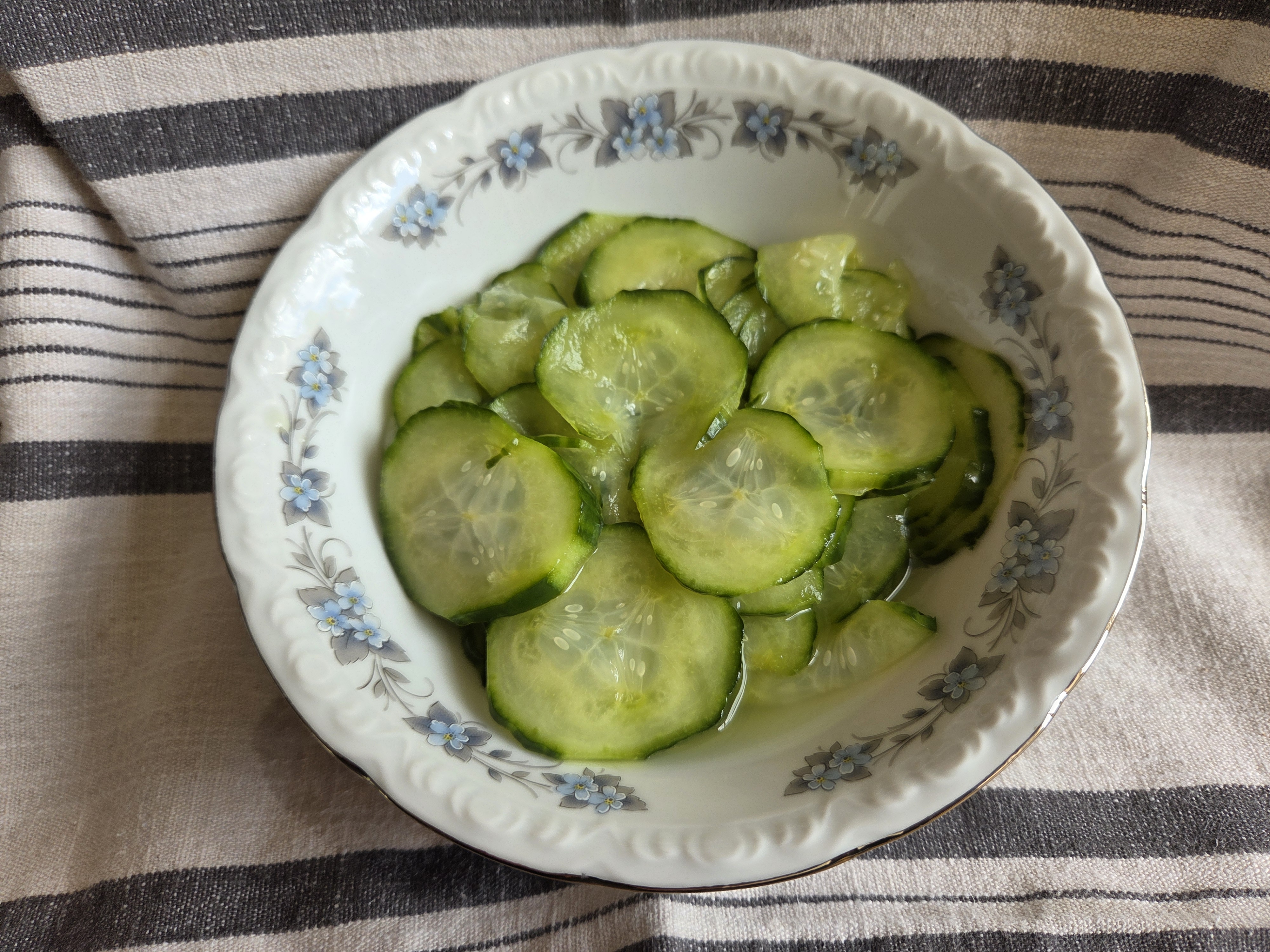
Bavaria china dish, Meakin plate & Royal Doulton plate.
Kartoflane Placki – 2

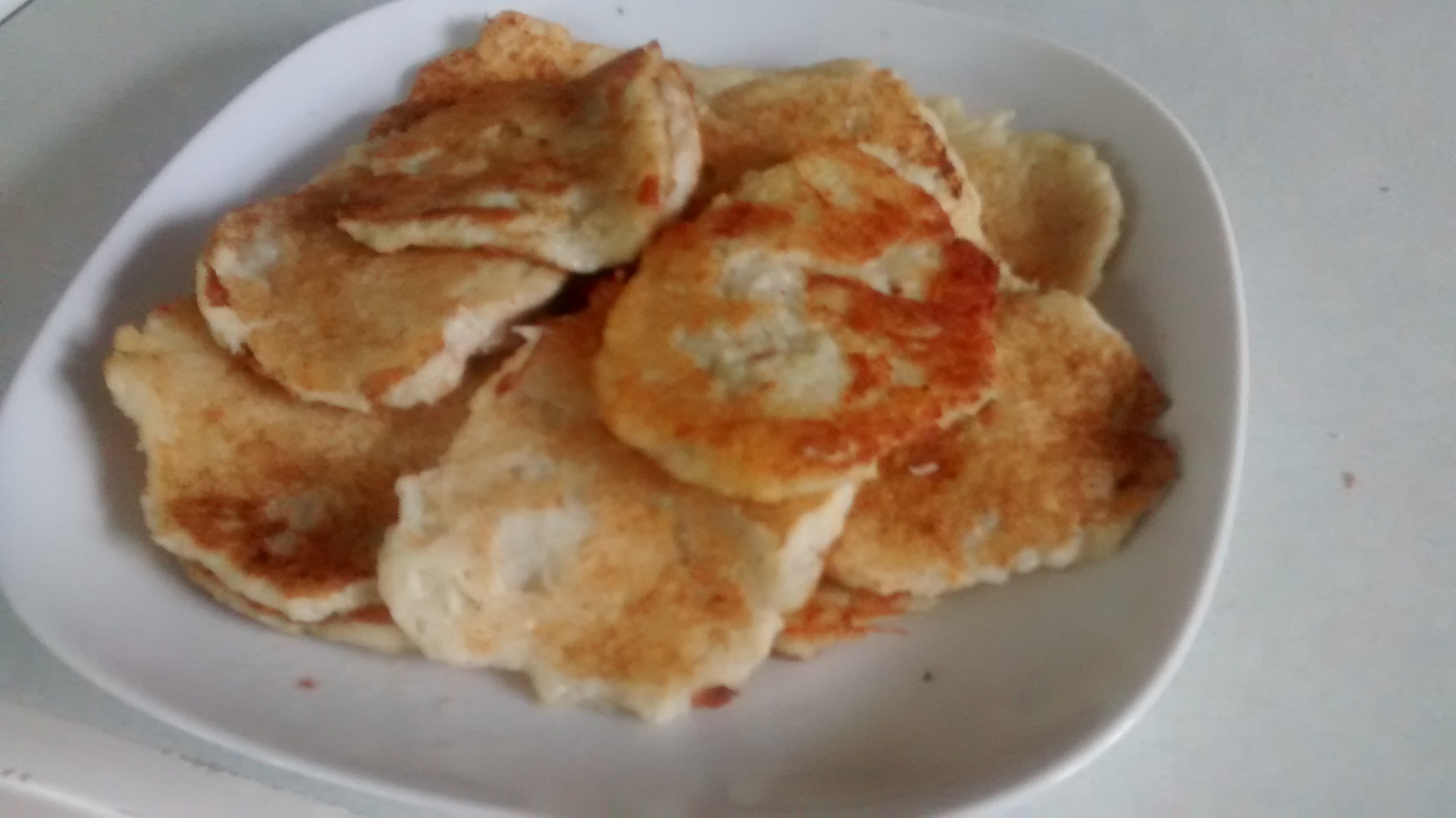
  • Kartoflane placki are super Polish potato pancakes.
  • I wrote a post about them many years ago.
  • We always had them with savoury items such as fried eggs.
  • Mama never served them with sweet options.
  • Having seen these in various blogs and Instagram – 
  • I decided to give them a go.
  • I  tried two options –
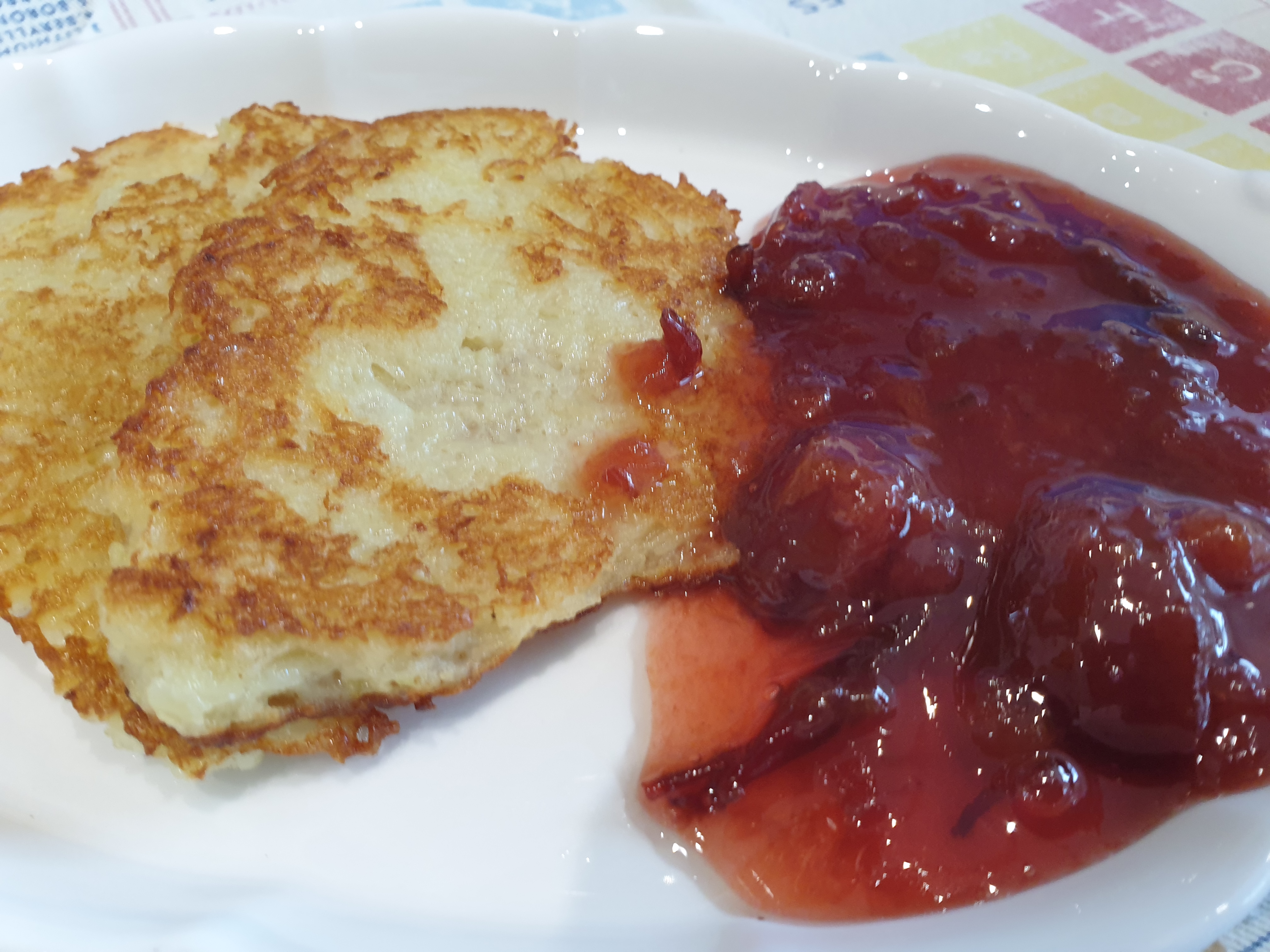
  • – With plum jam and
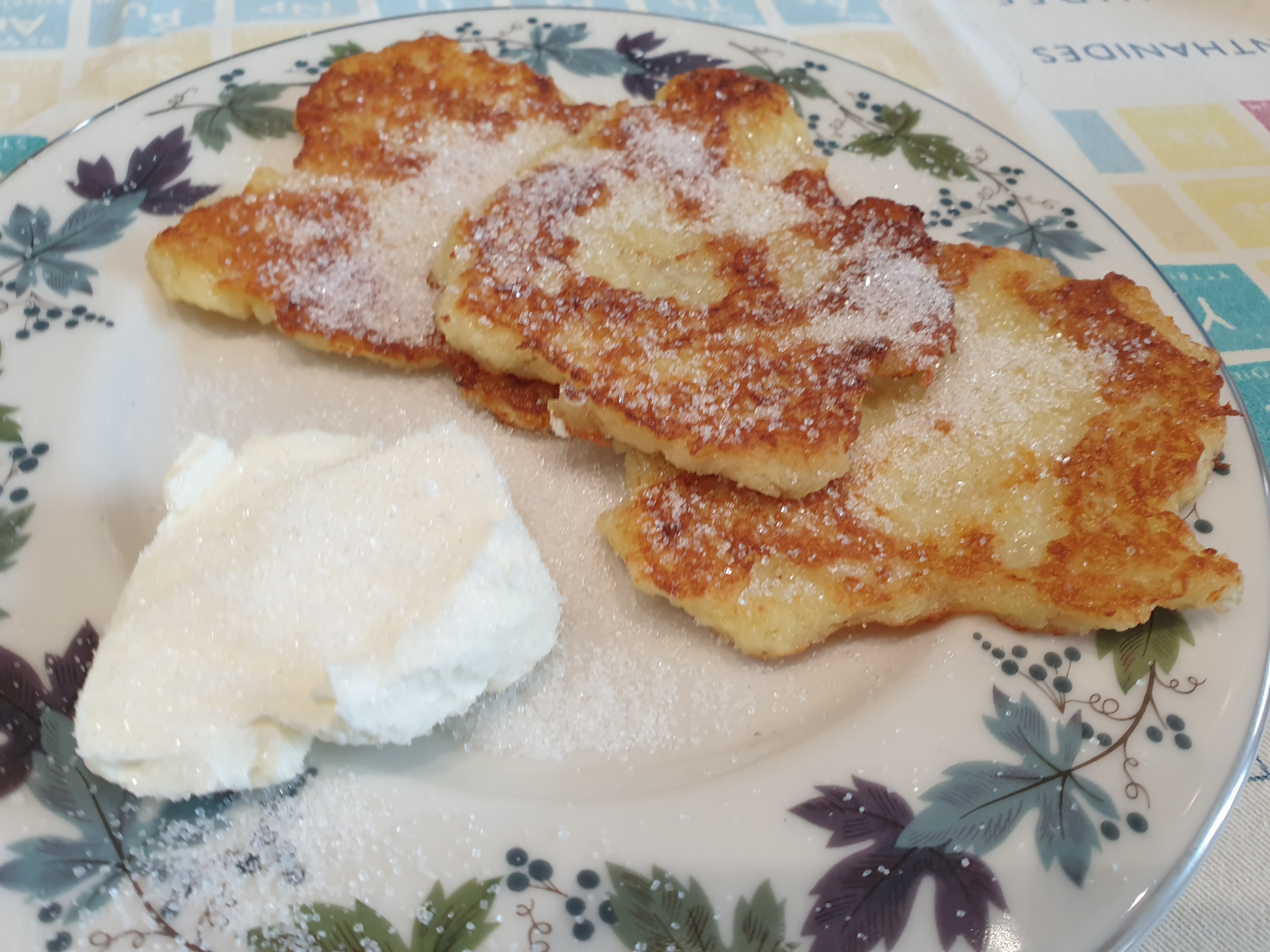
  • – With yoghurt cheese and granulated sugar.
  • They were delicious.
  • *
  • I have given the instructions again. 

Ingredients

  • 4 large starchy potatoes such as King Edward or Maris Piper
  • 1 medium or large onion
  • 1 egg or just the egg yolk
  • Plain flour
  • Salt & pepper
  • *
  • Oil for frying

Method

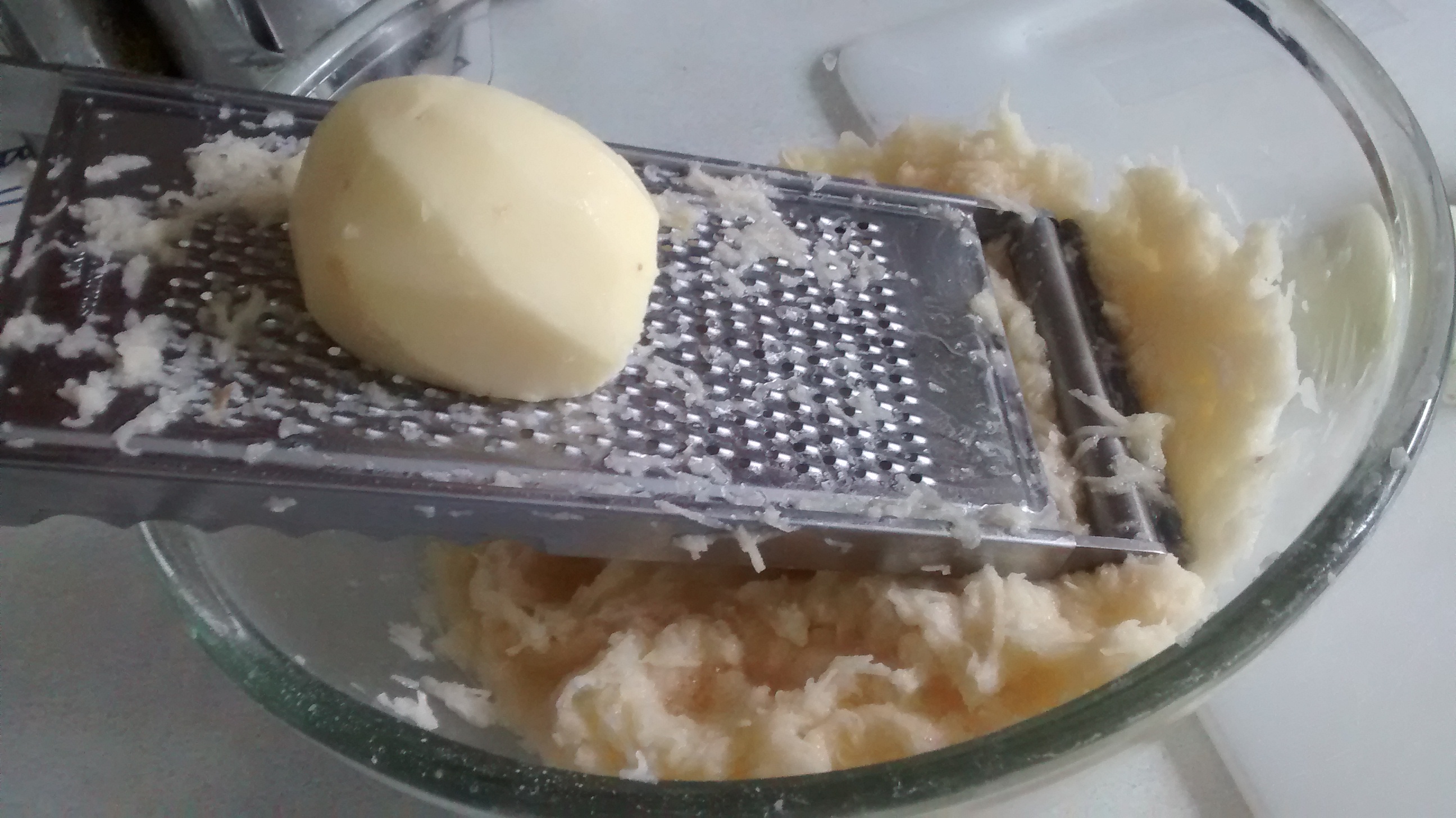
    • Peel the potatoes then grate them using the fine size of the grater into a large bowl, this is the part that takes time – I have tried using the coarse grate but they are not as good.
    • Leave to stand for a few minutes and the water from the potatoes will rise to the surface.
    • If the potatoes are very watery pour of some of the water. The easiest way is to tip up the bowl slightly over the sink and hold down the potatoes with the palm of your hand.
    IMG_20150811_165238337
    Grating the potatoes


    • Peel the onion and also fine grate it and add to the potatoes.
    • This is the part that would often result in the grating of my knuckles  as I tried to use every last bit of onion.
    • I now often use some form of electrical mini-chopper to get a pulp of onion.
    IMG_20150811_165955962
    Onion Pulp
    • Add the egg, salt & pepper.
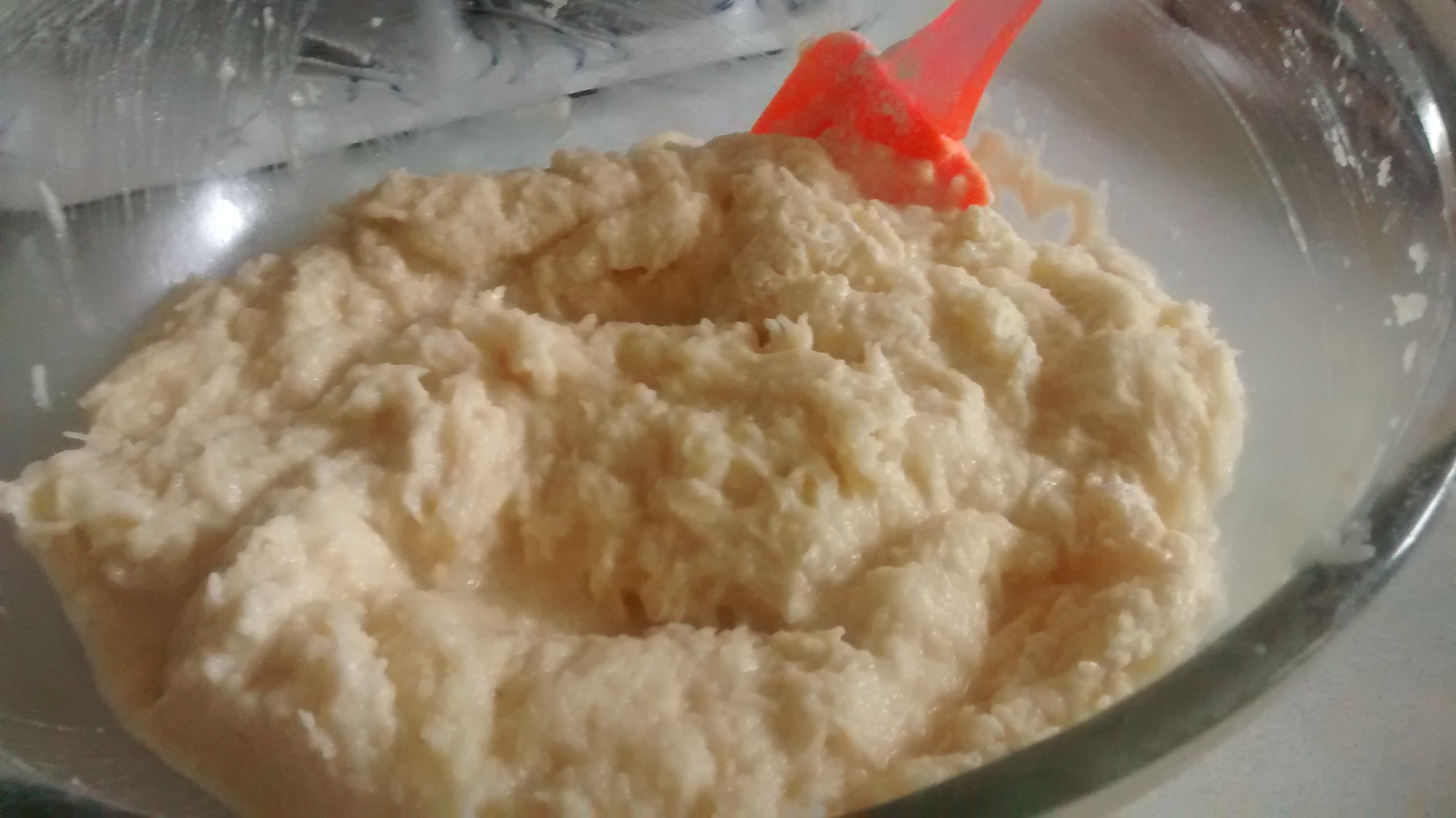
    • Add enough plain flour so that the mixture is thick.

    IMG_20150811_170357625

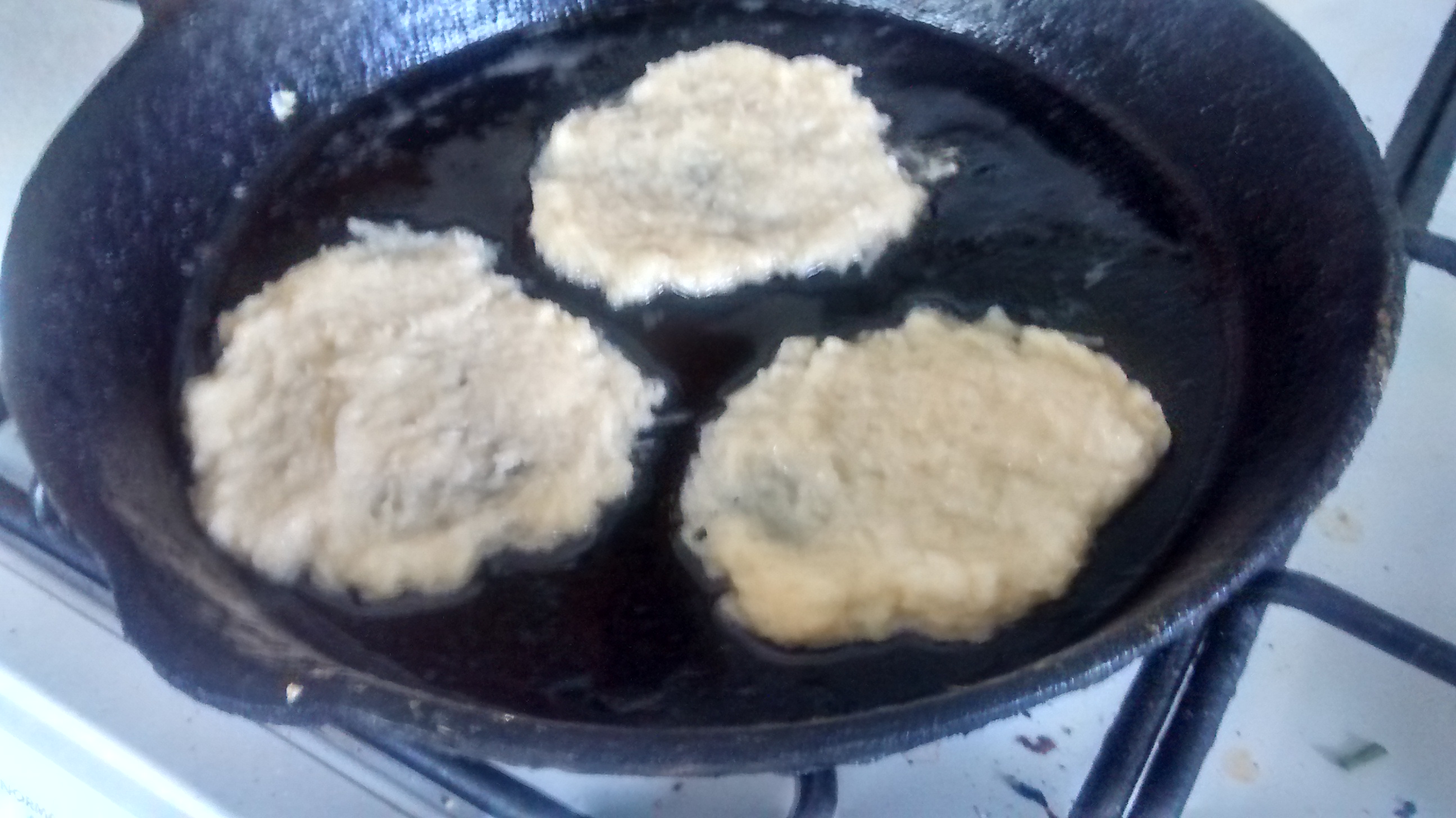
    • Heat some oil in a frying pan, a thick cast iron one is ideal, place large spoonfuls of the mixture onto the hot oil and flatten them out with the spoon or spatula.
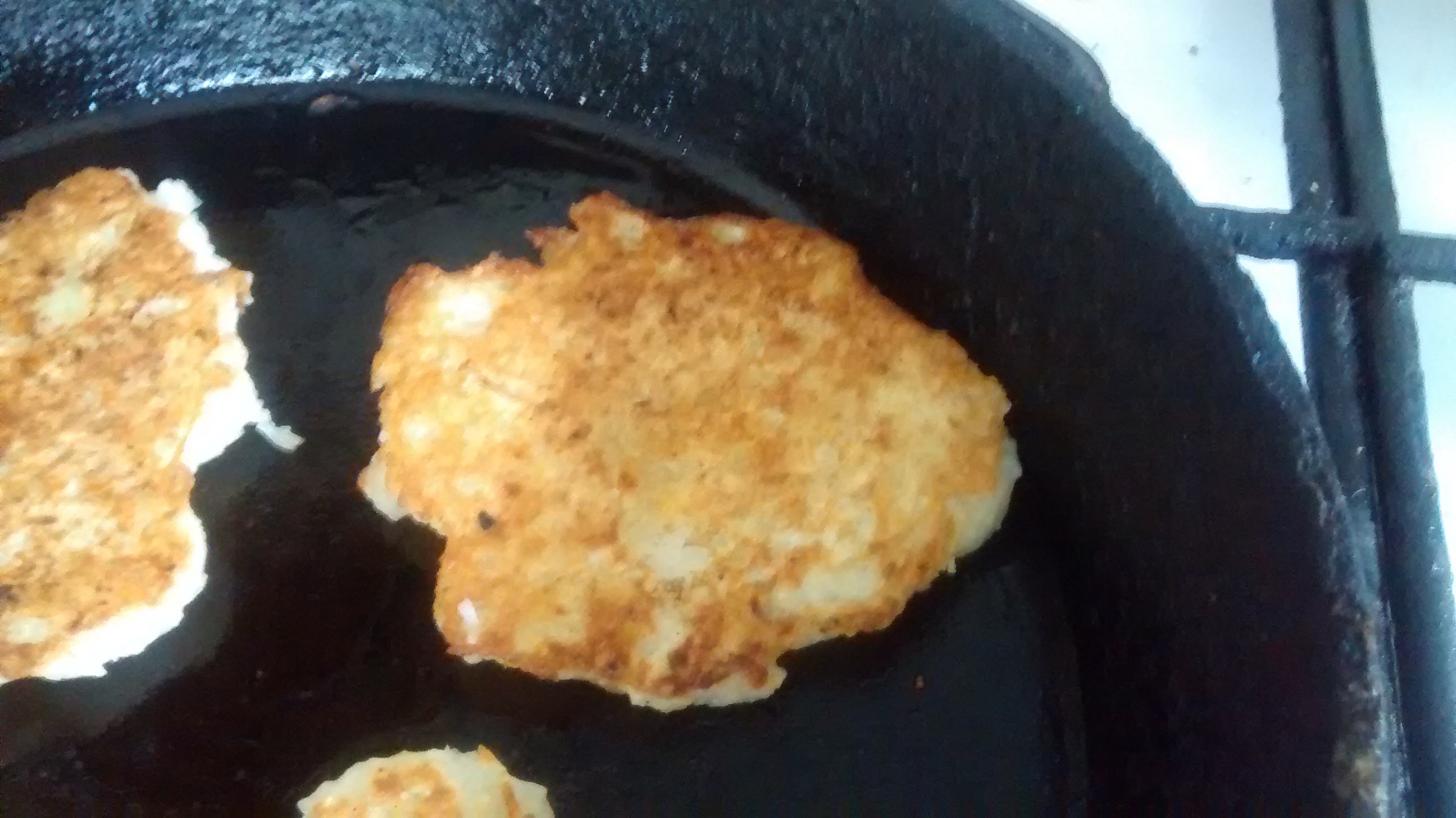
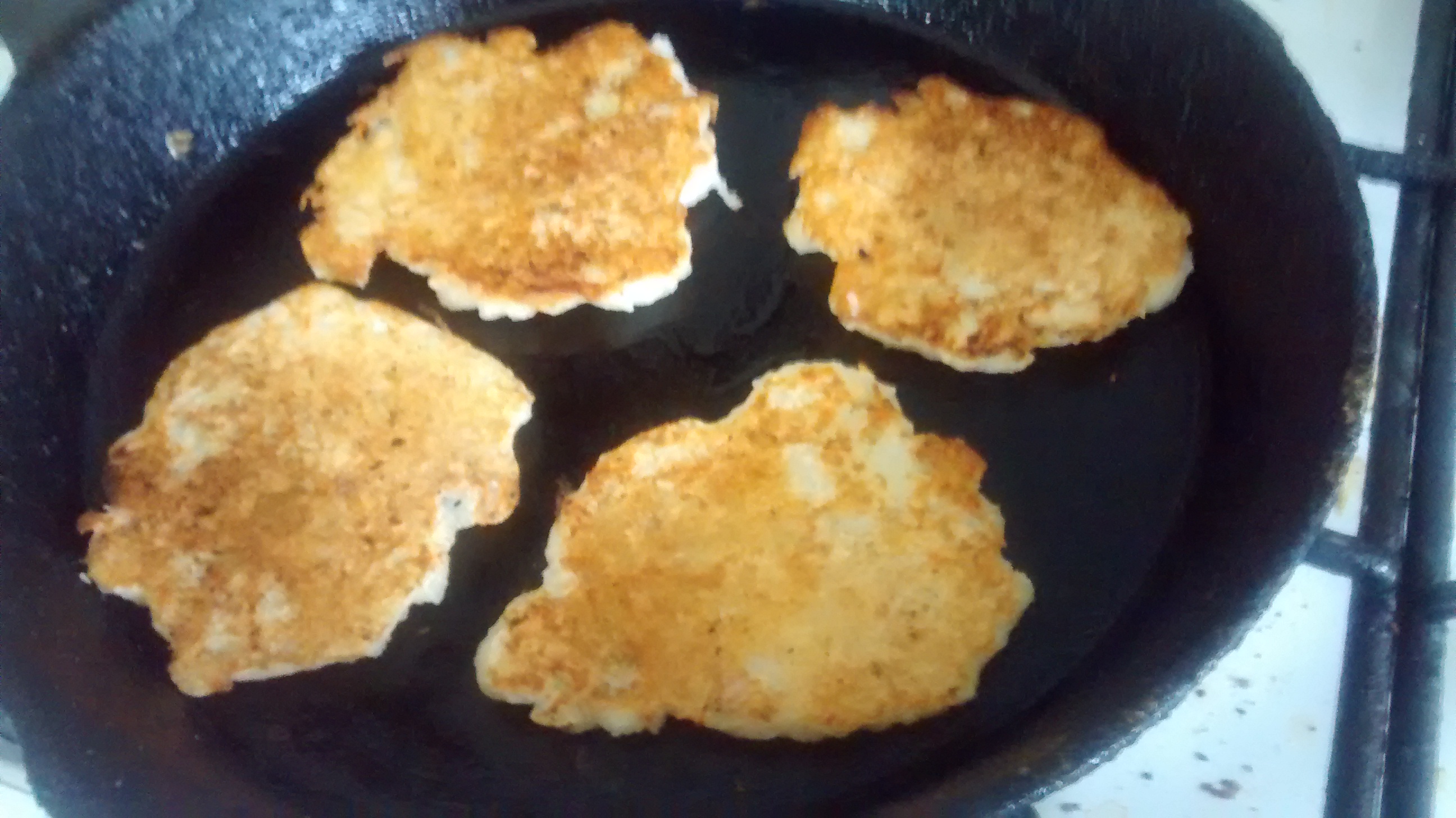
    • A pan should be able to hold 3 or 4. Fry till golden on both sides.
    • They should be thin and  slightly crispy at the edges.

    IMG_20150811_170538654_HDR

    • Do not have the pan too hot or they will burn on the outside and be raw in the centre.
    • Do not have the pan too cool or they will end up too greasy and not crispy.

    IMG_20150811_171517471

    • Serve immediately or keep them warm in the oven on a low heat whilst you make more.

    IMG_20150811_171511857

    IMG_20150811_173653863

  • With yoghurt cheese and granulated sugar.
  • With plum jam made by my friend in Leeds.

Gogiel Mogiel

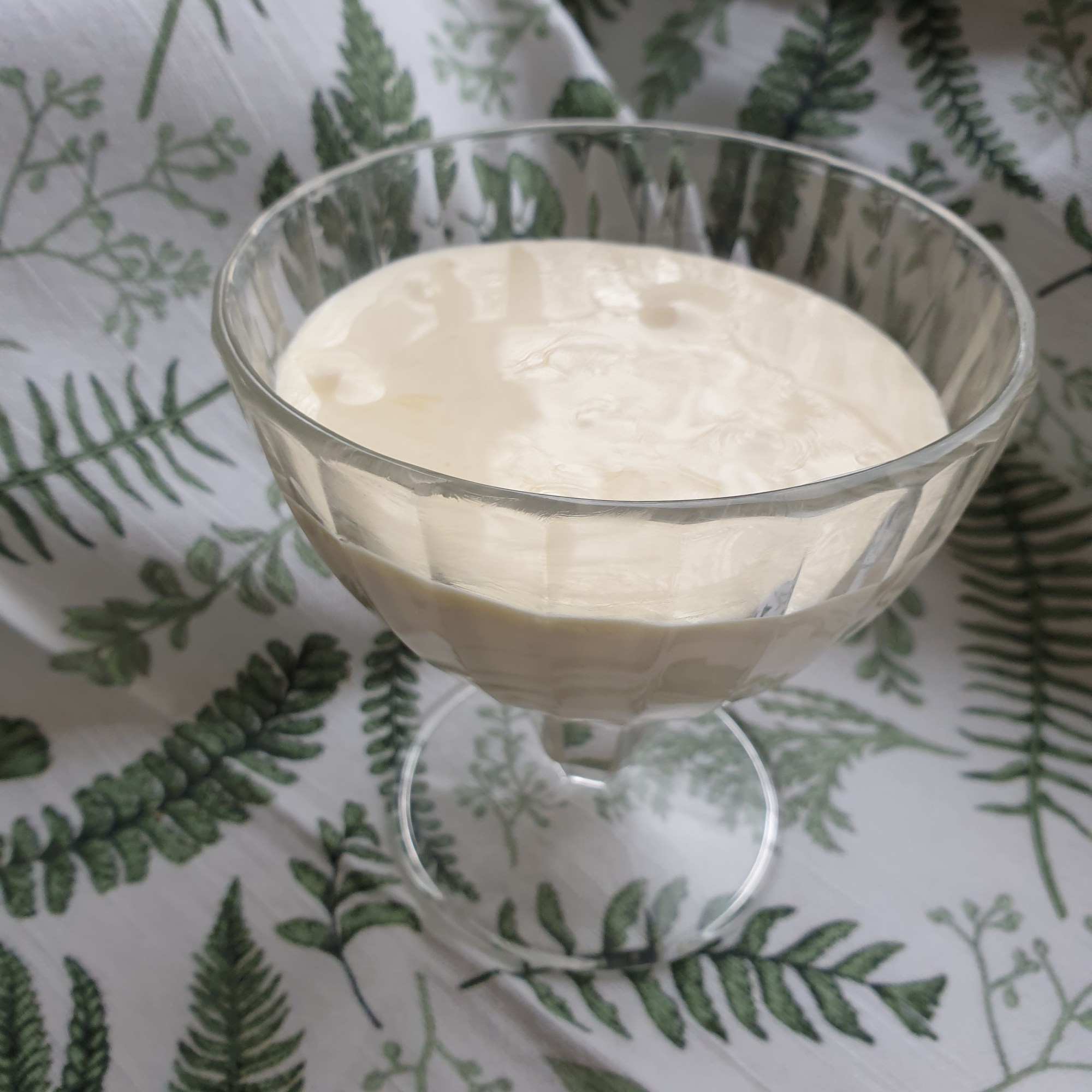
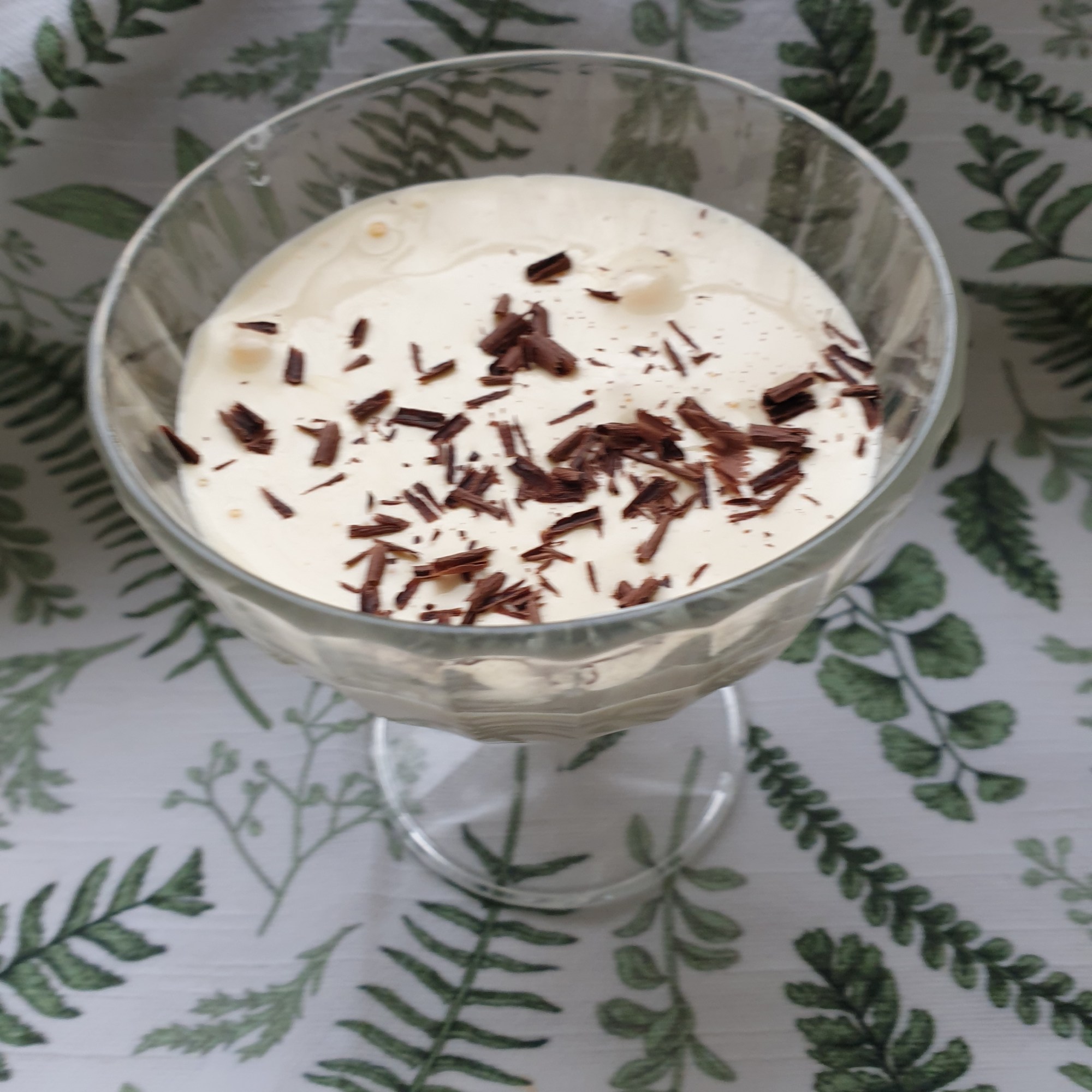
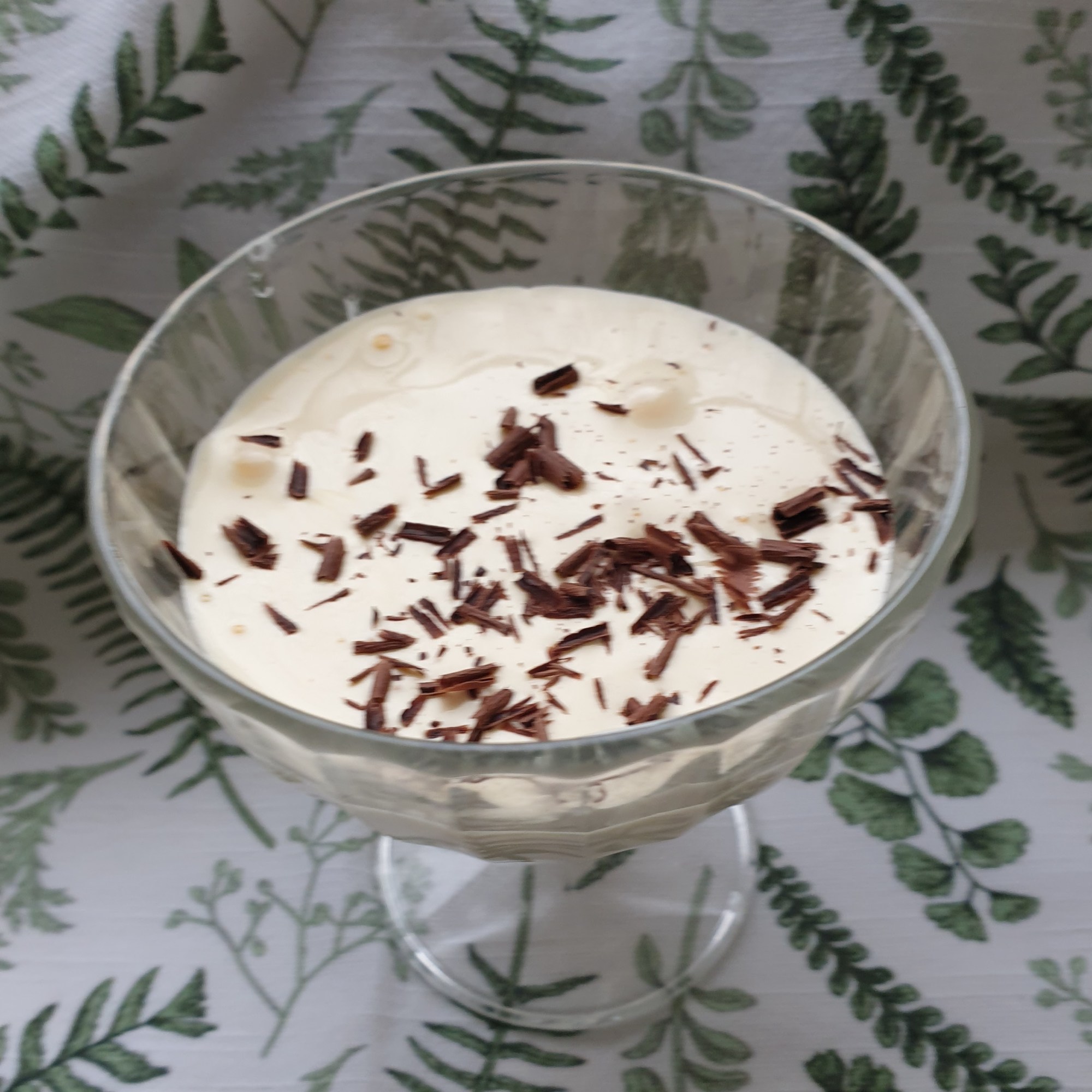
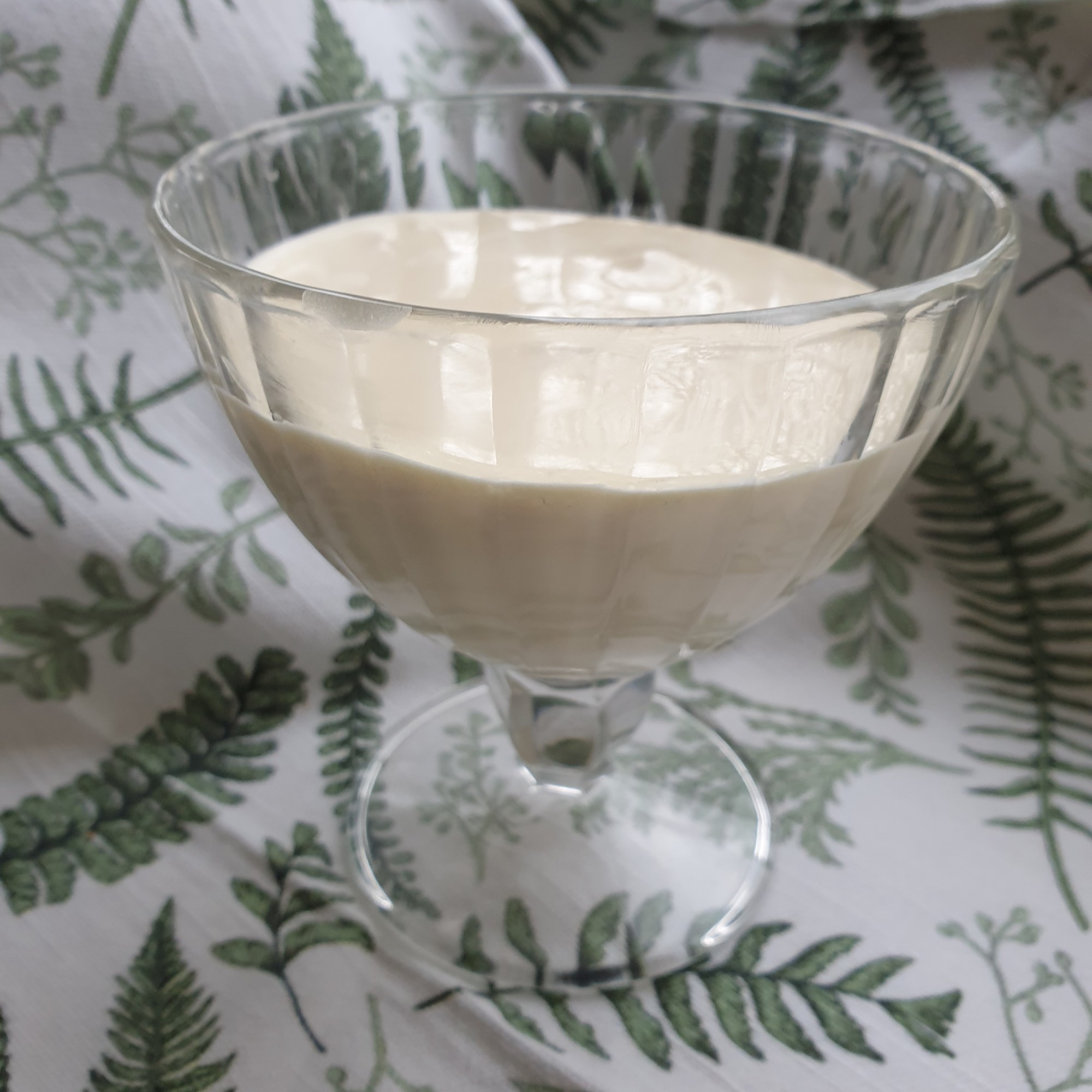
  • Gogiel mogiel was for me a luxury dessert that my mother used to make.
  • She would whisk raw egg yolks with sugar for around 10 minutes until the sugar is all absorbed and the liquid is thick, pale and creamy.
  • Sometimes honey was used instead of sugar.
  • Nowadays it can be made much quicker using an electric whisk.
  • Mama would flavour this with a drop or two of vanilla essence.
  • Other flavouring can be cinnamon or rum.
  • It is served at room temperature or slightly chilled.
  • Whilst looking up recipes for this I have found that the name in some places has changed to gogel mogel or even the more Russian sounding kogol mogol.
  • *
  • Zabaglione (Italian) or sabayon (French) sound similar, where sweet wine is added and it is cooked slightly over a bain-marie.

Ingredients

  • 4 egg yolks
  • 1 tablespoon of caster or granulated sugar.
  • 2 – 3 drops of vanilla essence.

Method

  • Whisk the yolks and sugar together until you have a pale, thick, creamy liquid.
  • Around 5 minutes with an electric whisk.
  • Add the vanilla essence and mix together.
  • Serve at room temperature or chill slightly.
  • *
  • Options 
  • Add a few drops of rum or a sprinkle of cinnamon.
  • *
  • Sprinkle grated chocolate on top when serving.

Spiced Pears

I have two pear trees in the garden and this year I have had the best crop of pears ever,  both in number and size of pear.

As I do not have a place to store the fruit that is cool and dry enough,  I was looking for recipes to use the pears.

I tried this popular recipe from my great Polish standby recipe book but I found it too acidic.  I adjusted the recipe and used less vinegar and more sugar and this I find to be much better.

Ingredients

  • 1.5 kg of hard pears such as Conference
  • 300ml of water
  • 300ml of cider or white wine vinegar
  • 500g of granulated sugar
  • 8 cloves
  • 8 grains of allspice
  • Piece of cinnamon bark

Method

Clean and sterilise 2 large glass jars.

Peel and core the pears and cut into large pieces.

Put the water, sugar and spices into a large pan and gently bring to the boil making sure the sugar is all dissolved.

Add the pears and bring back to the boil,  then gently simmer until the pears are soft and translucent.

Using a slotted spoon remove the pears and divide them between the jars.

To the liquid remaining in the pan add the vinegar and bring to the boil.

Leave this on a gently boil for around 5 minutes and then leave to cool.

Use a funnel to pour the liquid over the pears.

When the jars are cold put on the lids.

Store in a cool dry place or in a fridge.

Serve with hot roasts or cold meats, smoked sausages and cheeses.

The pears can be chopped into small pieces and used in various salads.

The spiced liquid can be used in salad dressings or in marinades for meat.