Buckwheat, Bliny & More

Buckwheat (Fagopyrum tataricum) is used very much in Polish cookery as the plant grows well in a cold climate.  Buckwheat requires a well drained soil but without too much fertiliser  –  lots of fertiliser reduces the yield.  It is not in fact a grass or cereal crop but the flour is used in much the same way as wheat.

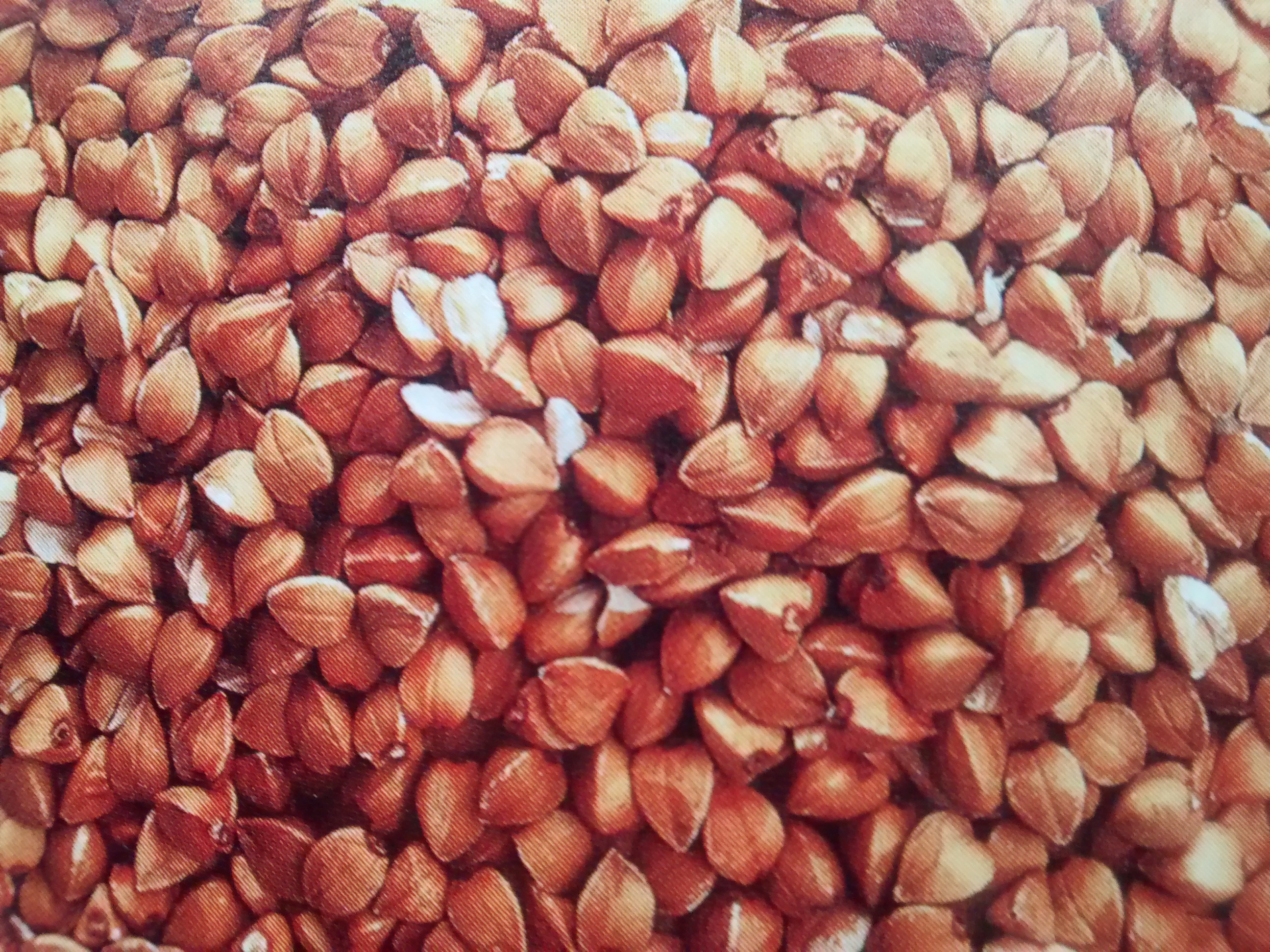
Buckwheat is related to sorrel and rhubarb and has small triangular seeds. The plant originated in South East Asia and then was brought to Europe.

I have read that it came to Poland via Manchuria and Siberia but the Polish word for buckwheat –  gryka indicates that it came from the Greeks – I have also read that the plant was brought to areas of what are now  Eastern Poland, Russia & the Ukraine in the 7th century by Byzantine Greeks. 

Another regional word used in Polish for buckwheat is hreczka – this again suggests a Greek origin.

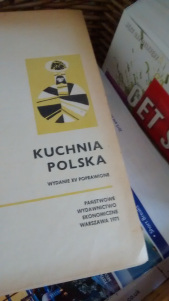
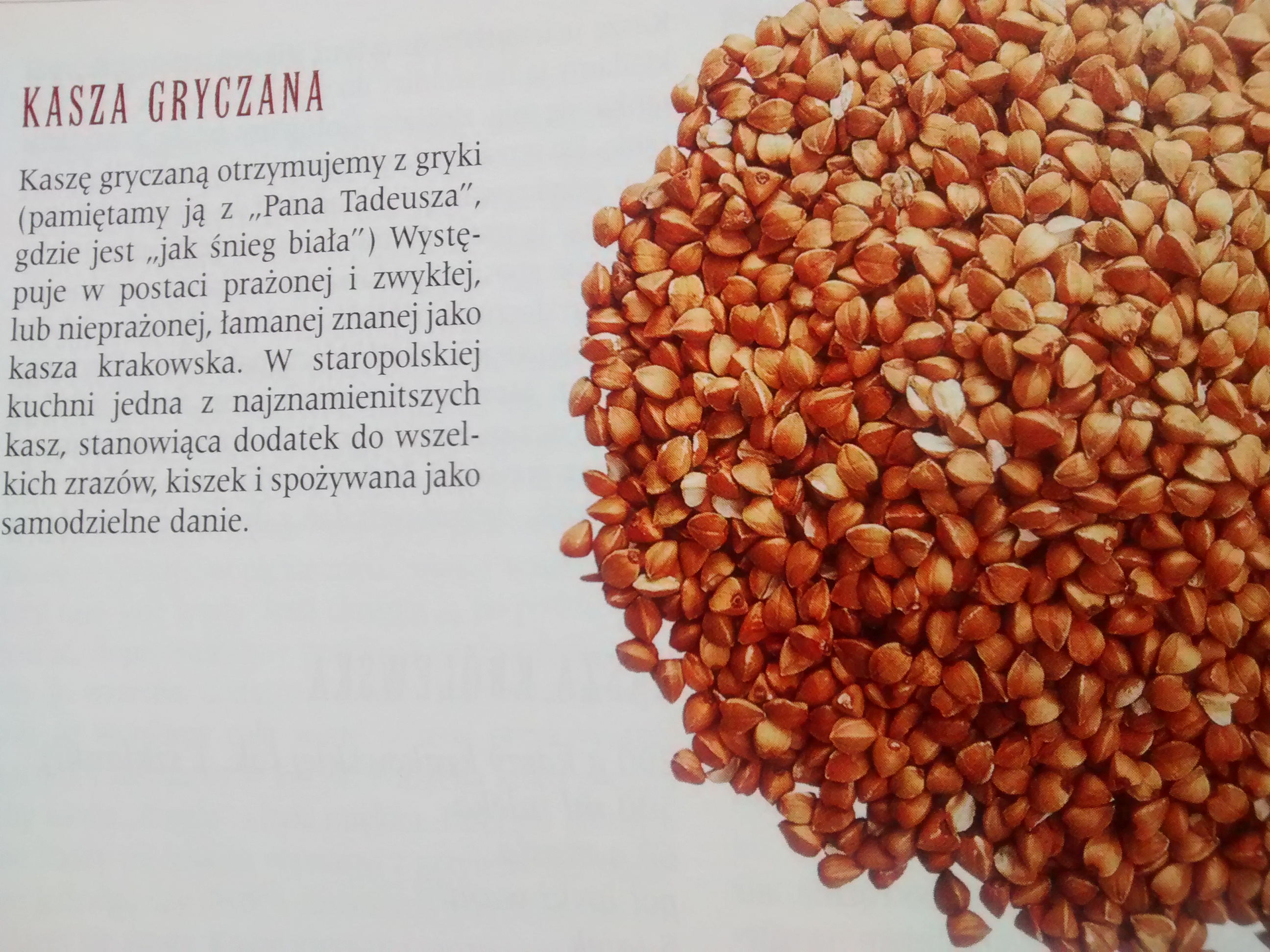
Photographs from the book Kuchnia Polska by Maciej Kuroń
IMG_20160727_120344274 IMG_20160727_120326637


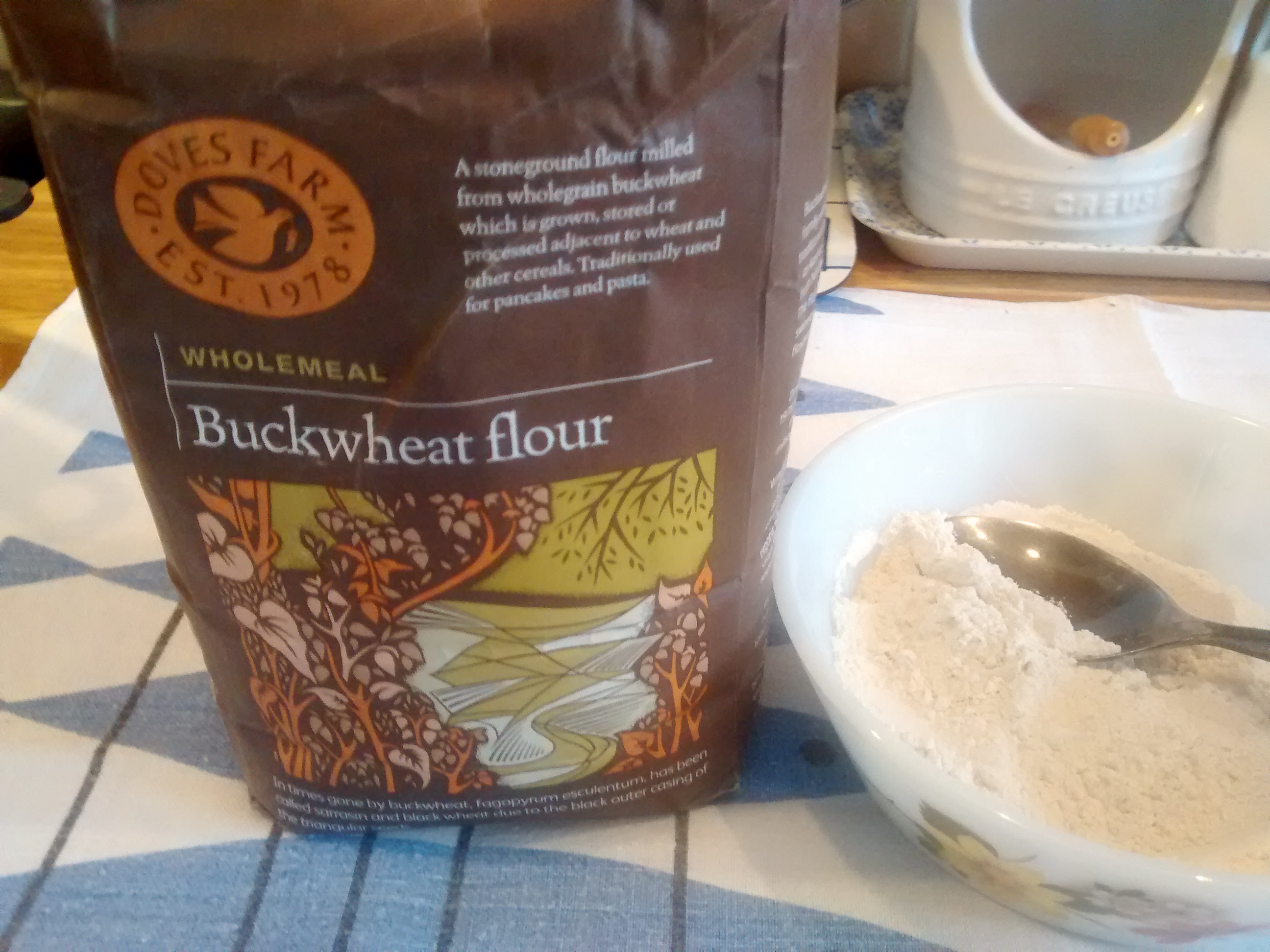
The triangular seeds have a strong scent which is quite distinctive and the flour is grey/speckled black in colour.  It is mixed with wheat flour to make pancakes and bliny.
IMG_20160727_063737039


  • Bliny are popular in Eastern Poland and in the  area called Kresy – the Eastern Borderlands –  from where both my parents came as well as in the Ukraine and Russia.
  • The word bliny is plural – I doubt very much if the singular blin is much used!
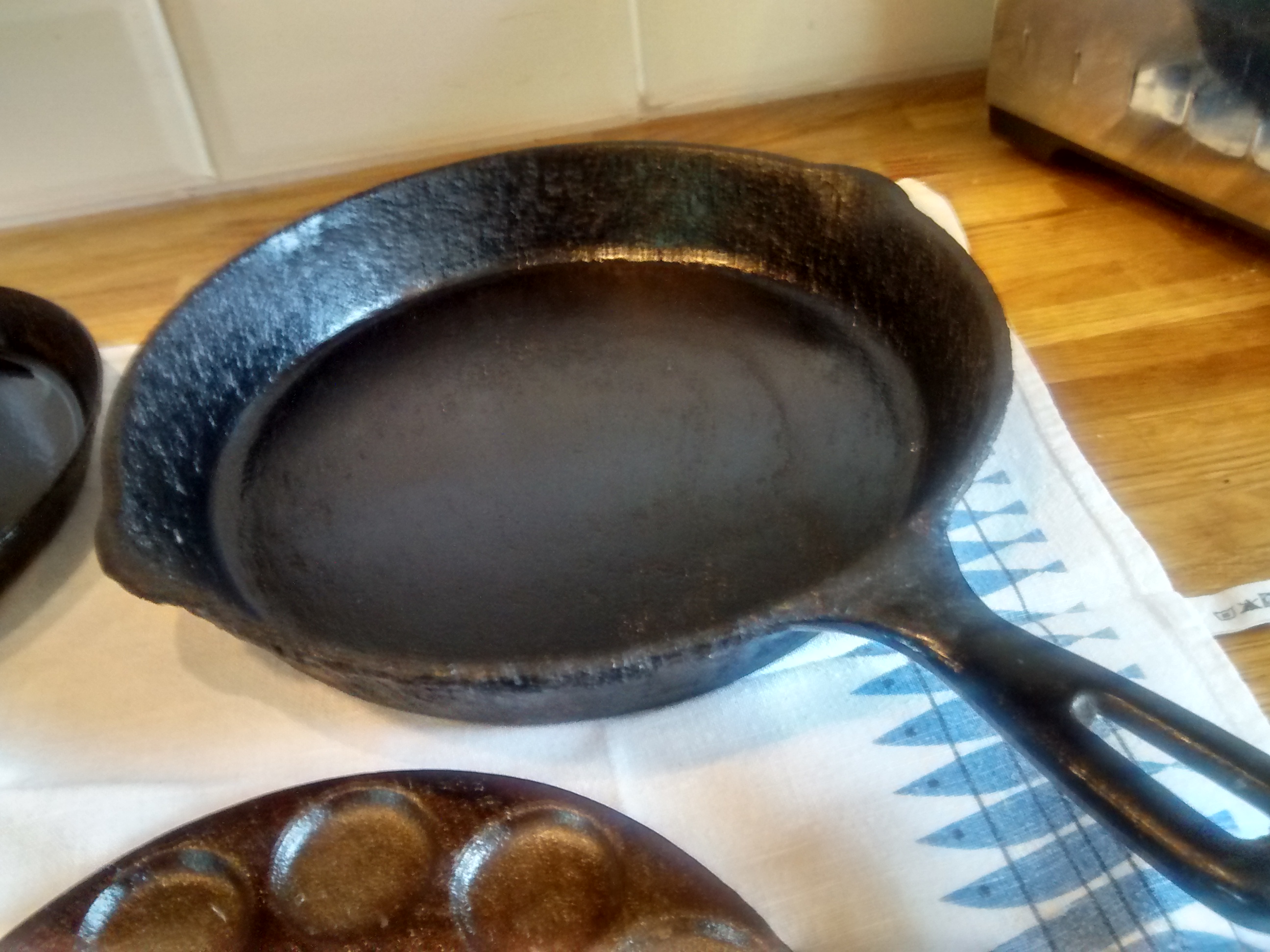
  • Bliny are best cooked on a griddle or a cast iron frying pan.
  • Bliny are small risen pancakes made using yeast  they are  in the American style of pancake.

IMG_20160726_154754099_HDR


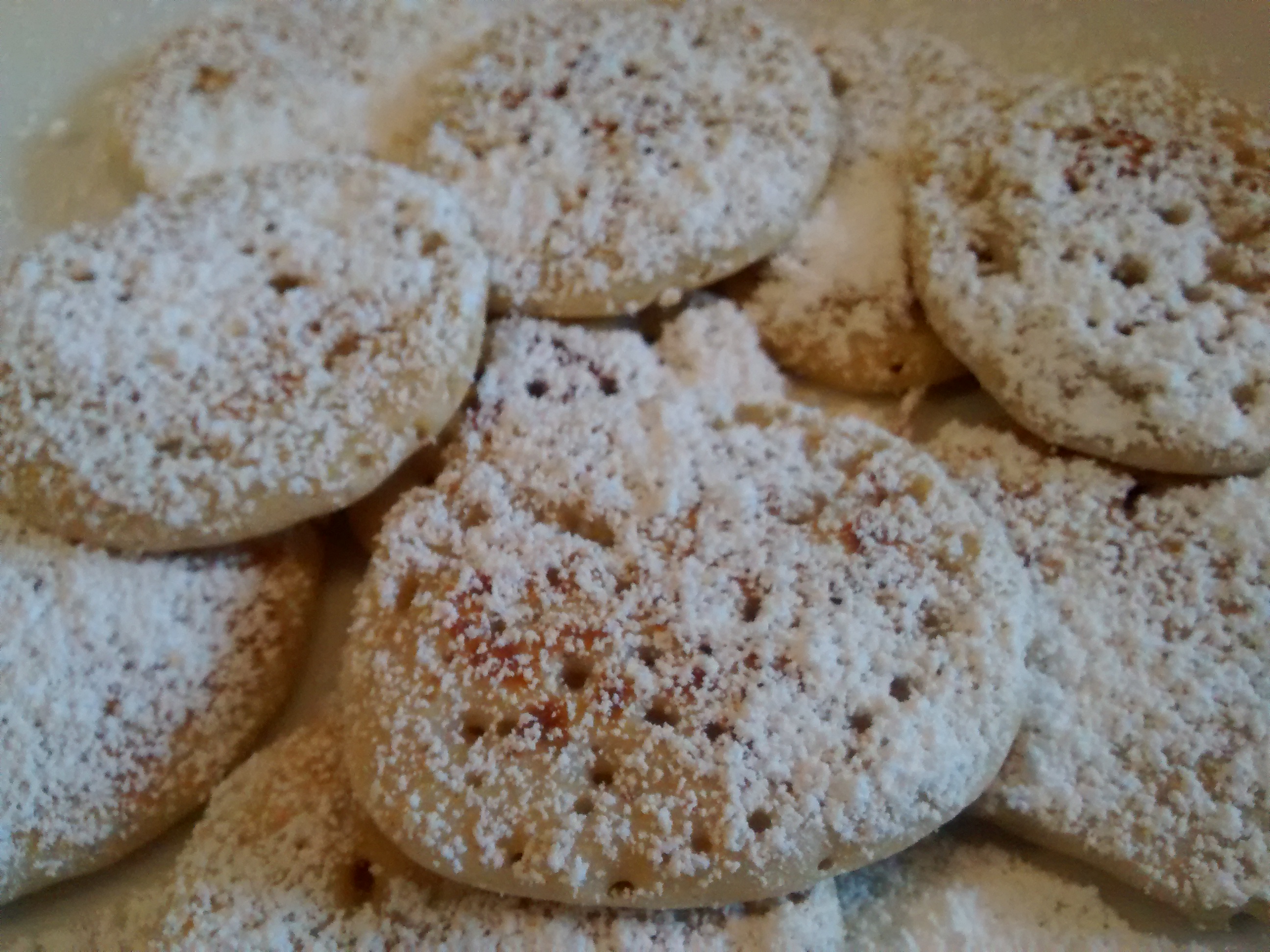
Bliny can be served warm or cold – I much prefer them warm!

Bliny

Ingredients

  • 80g plain flour
  • 80g buckwheat flour
  • 1 egg
  • 125 ml warm milk (full or semi-skimmed)
  • 125 ml warm water
  • 25g fresh yeast or 1 tablespoon of dried yeast
  • 1 tablespoon of sugar
  • 1 tablespoon of melted butter
  • Pinch of salt

Method

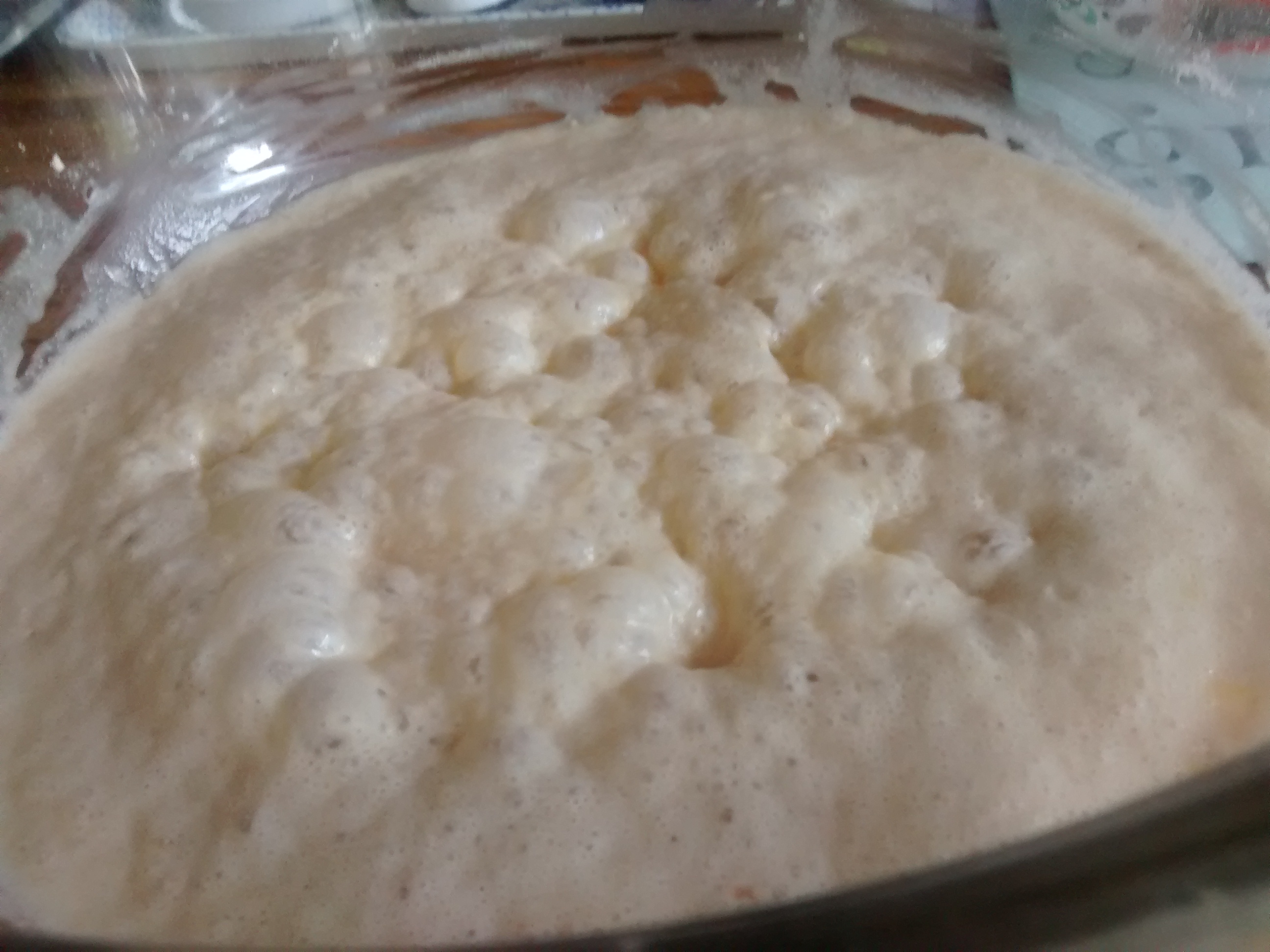
Put the yeast, sugar and milk in a bowl and leave to rise. (You can place this over bowl of warm water).
IMG_20160727_114311327
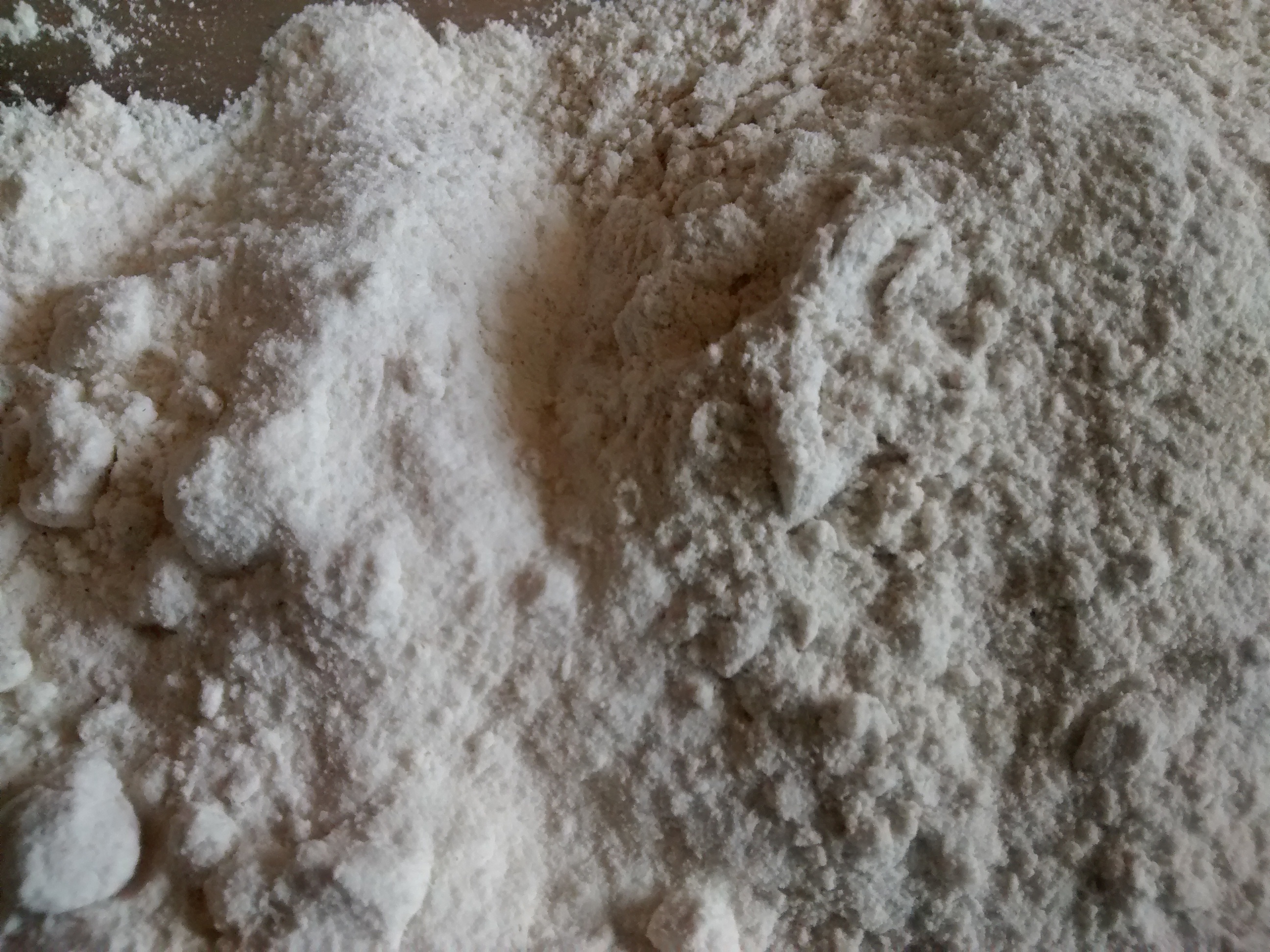
Wheat Flour & Buckwheat Flour


  • In a large bowl mix the flours together and add yeast mixture and then the beaten egg.
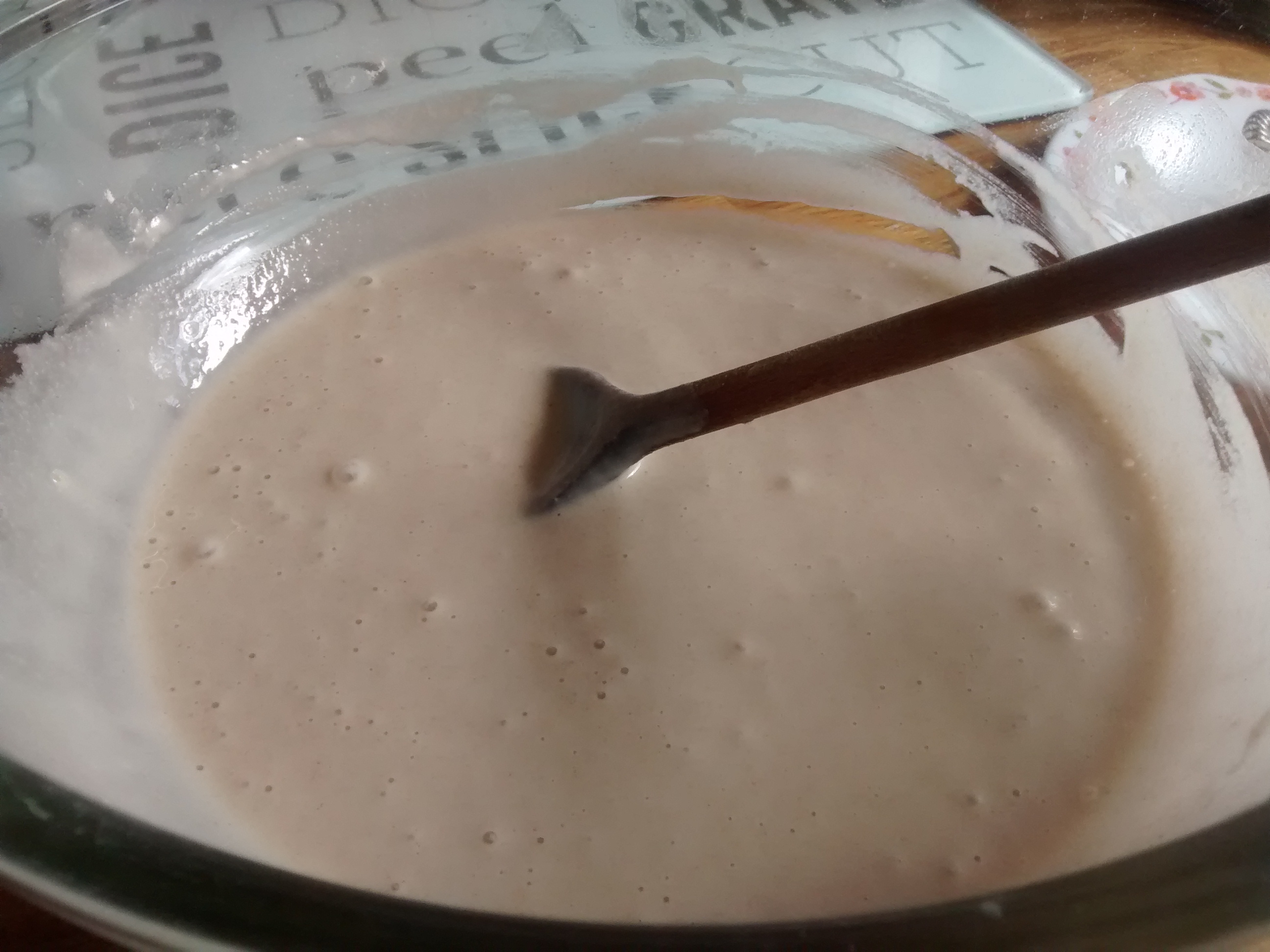
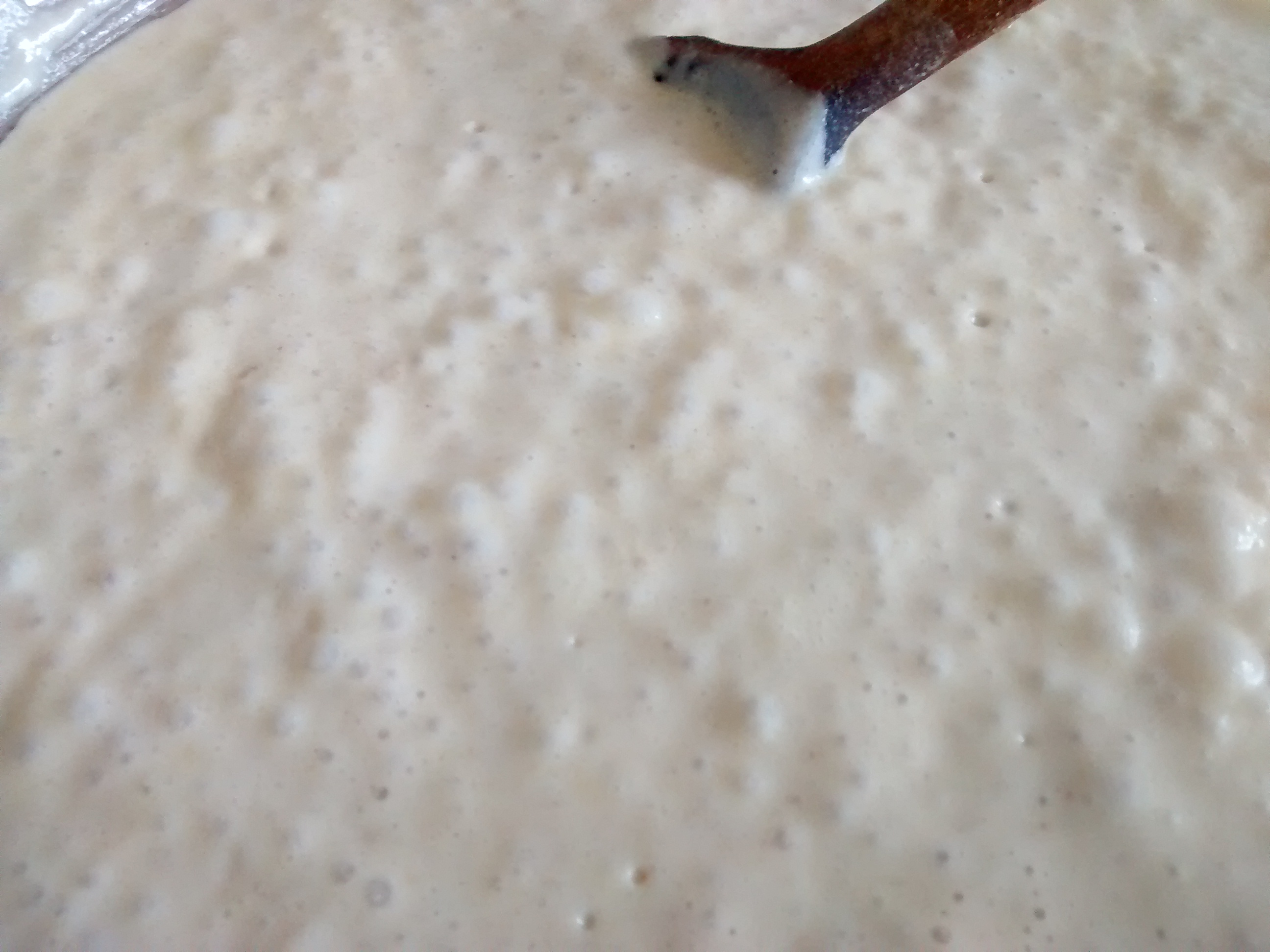
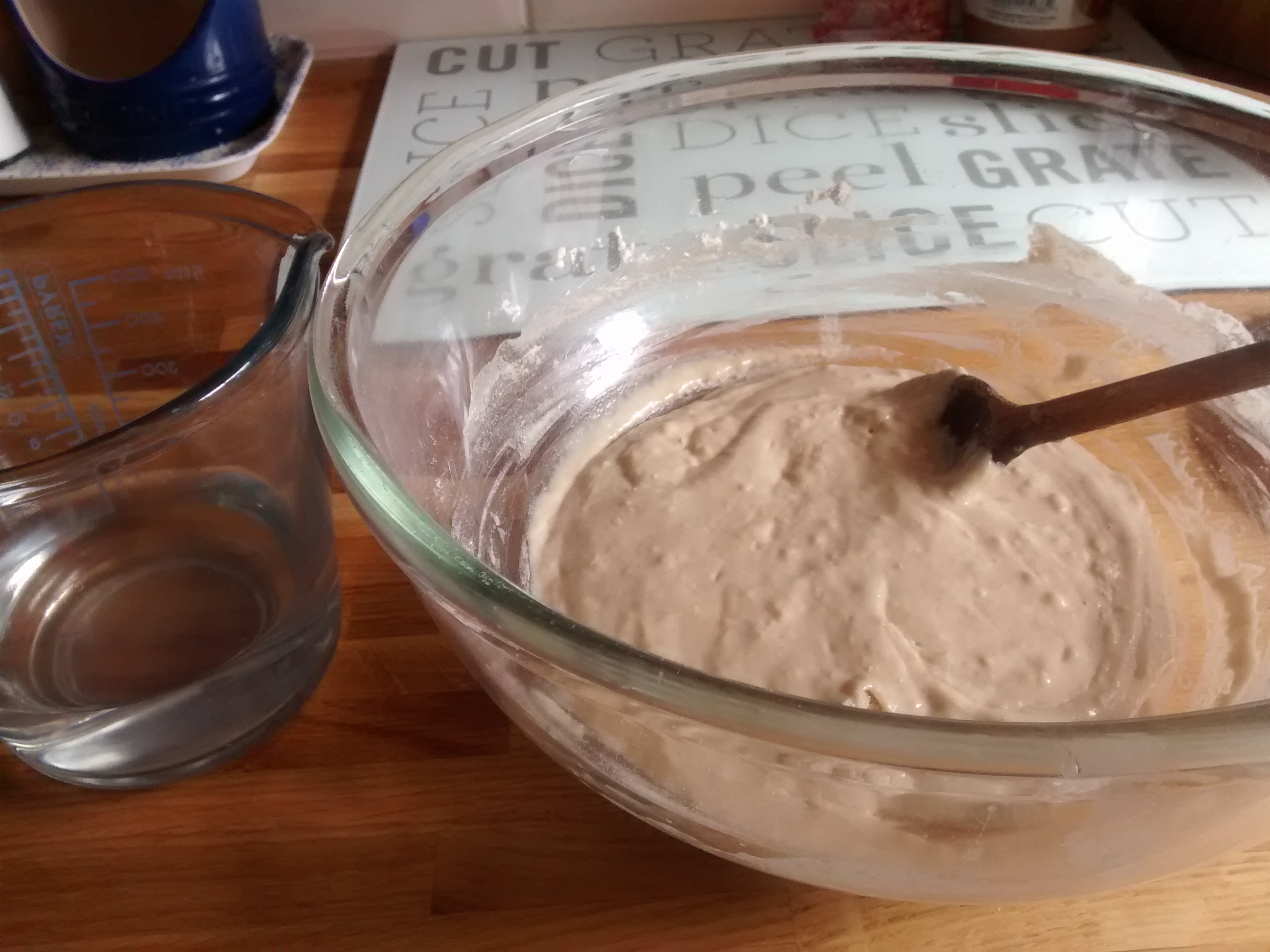
  • Add the water bit by bit until the mixture is like pouring cream, you might not need it all.
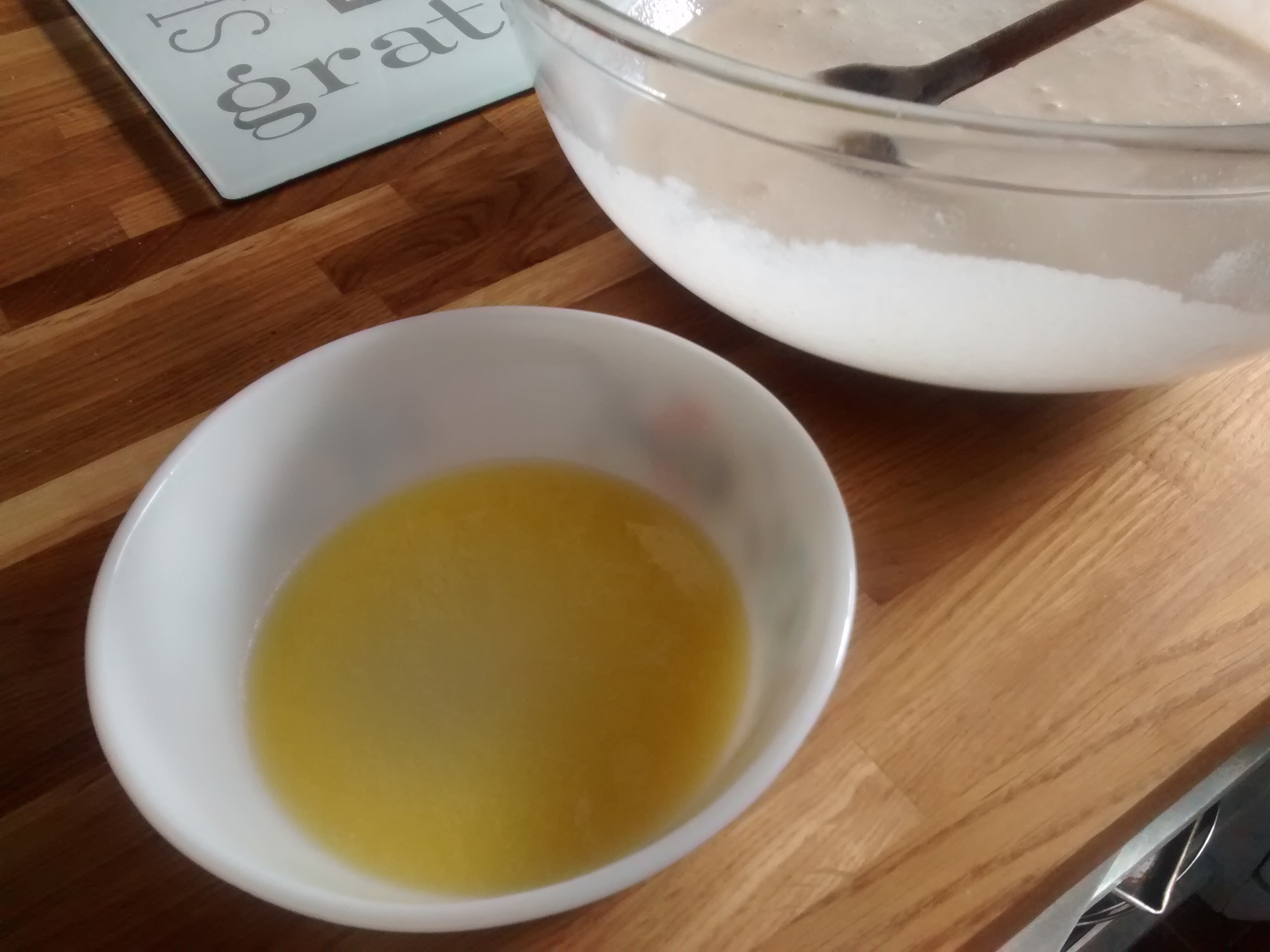
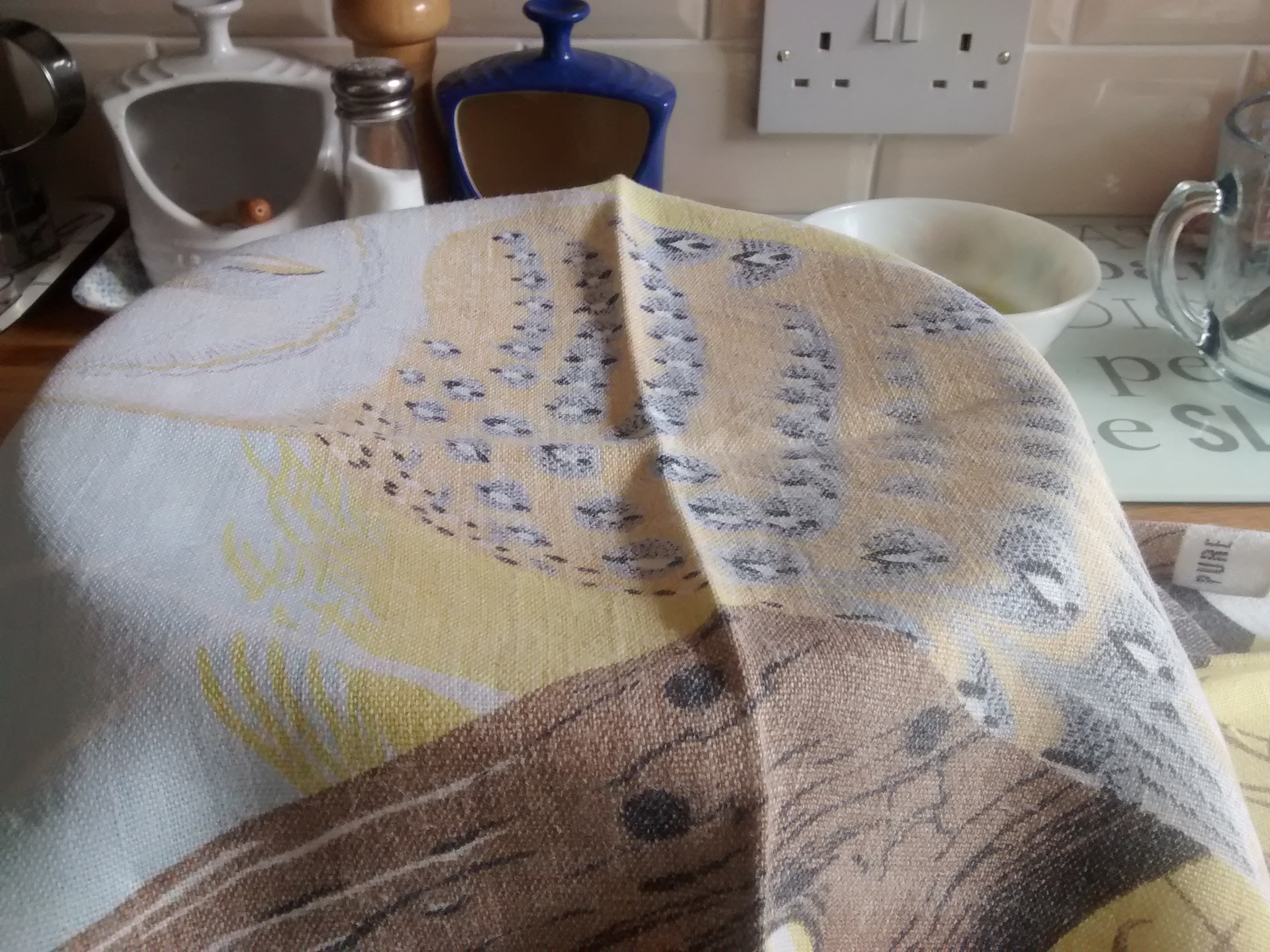
  • Add the pinch of salt and the melted butter then cover with a cloth and leave to rise.
IMG_20160728_092149196 IMG_20160728_092344523 IMG_20160728_092333317 IMG_20160728_092512944 IMG_20160728_105025558 IMG_20160728_105042723


IMG_20160728_105901519_HDR IMG_20160728_105855880


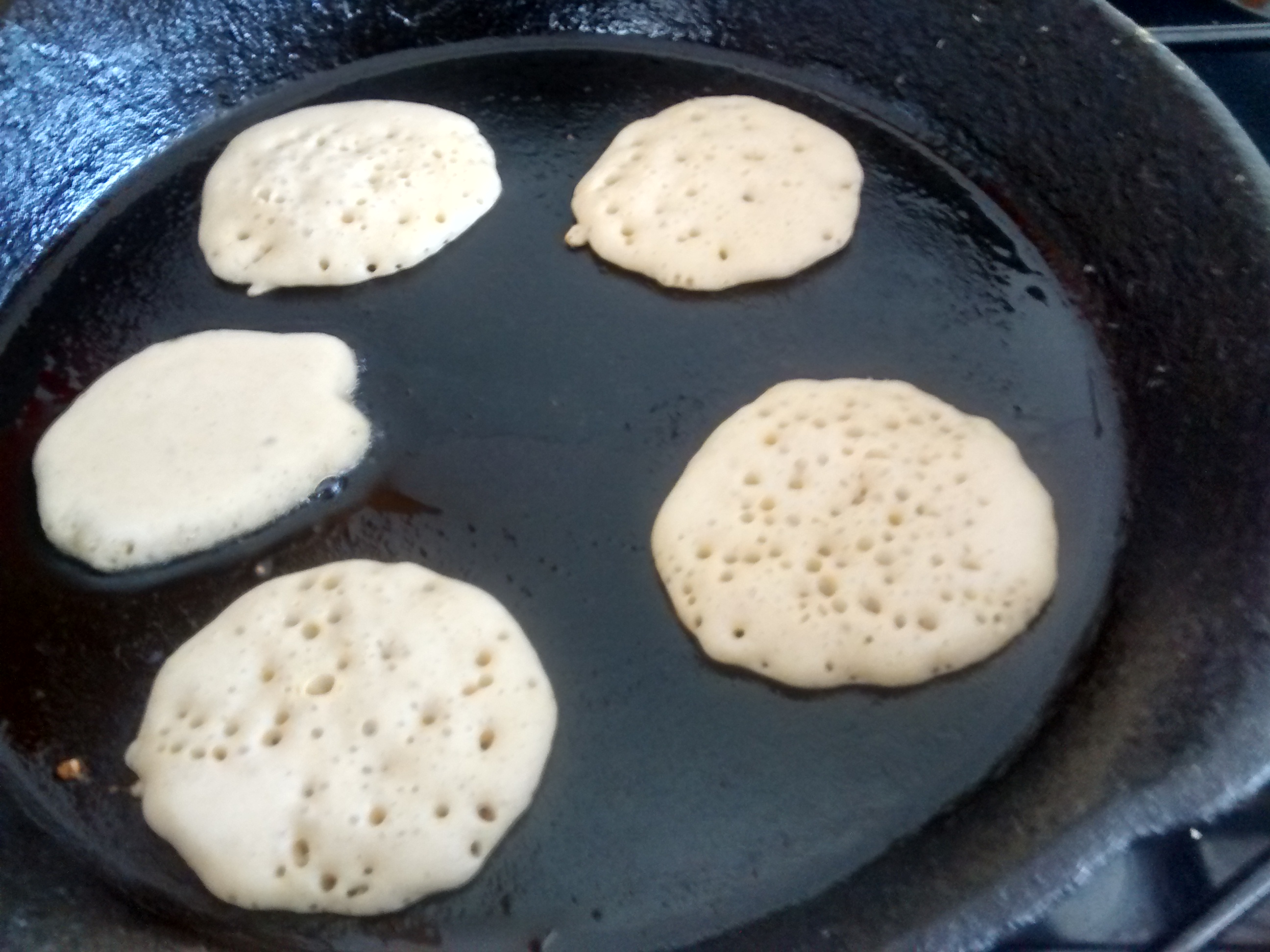
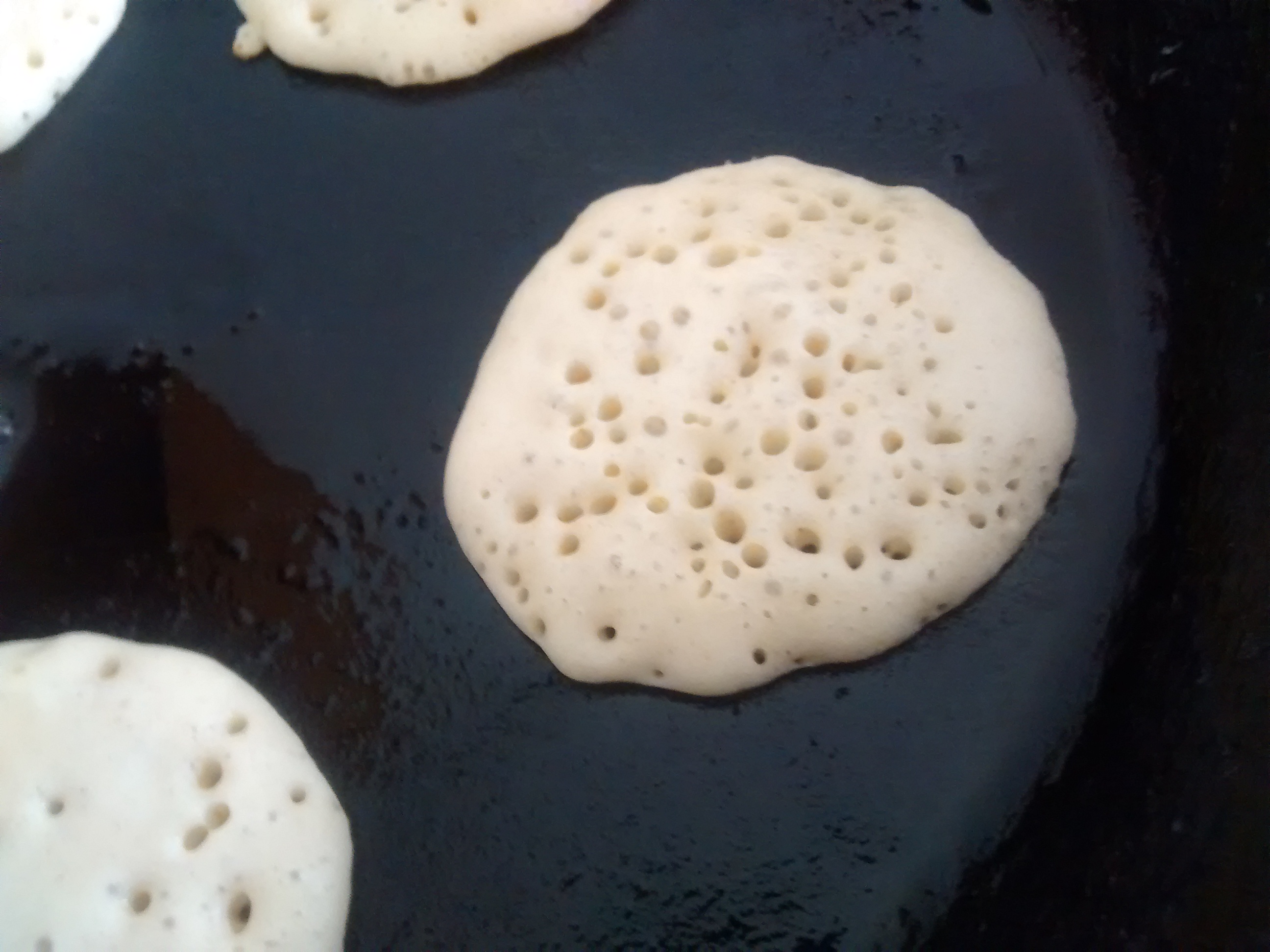
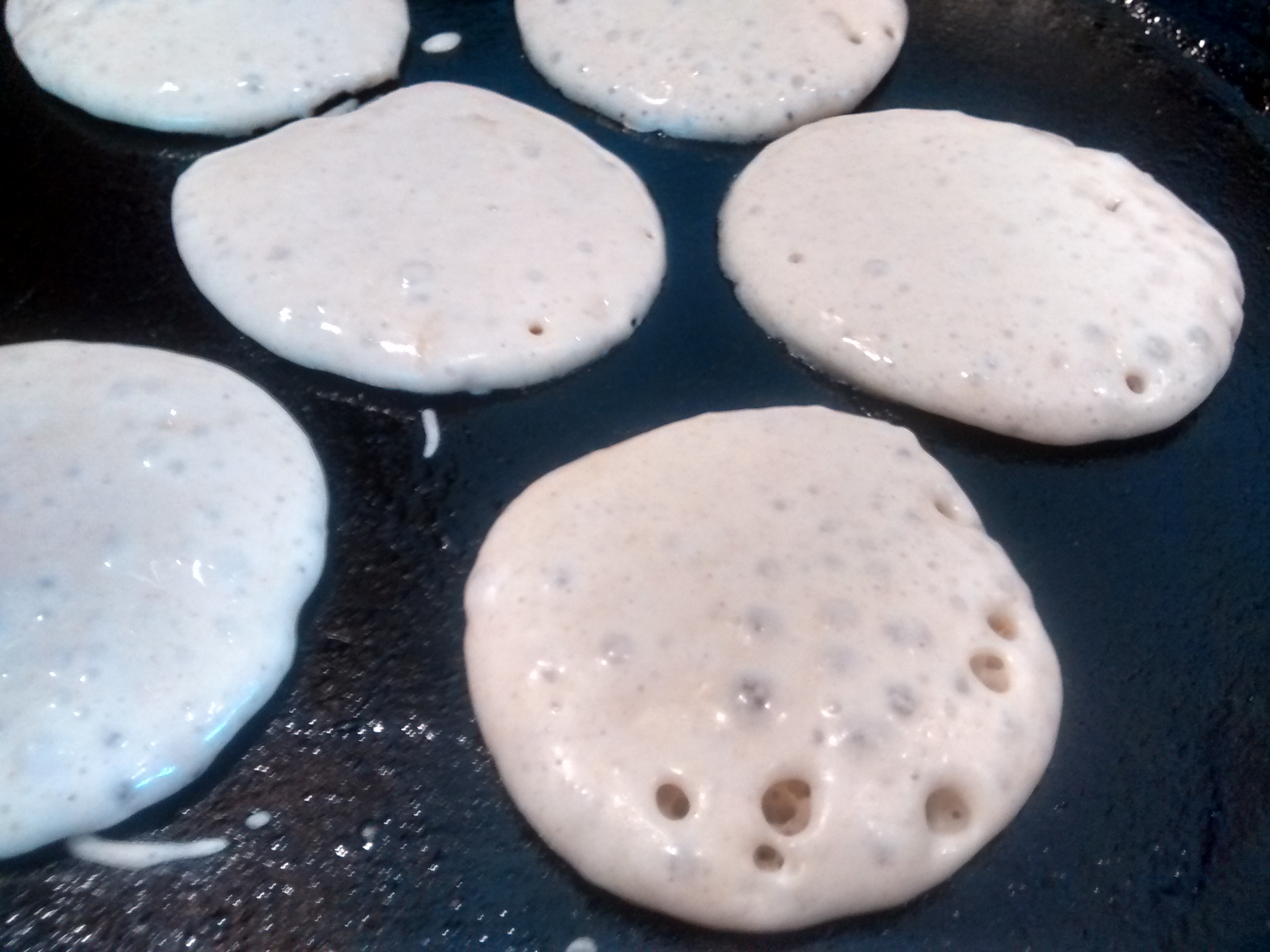
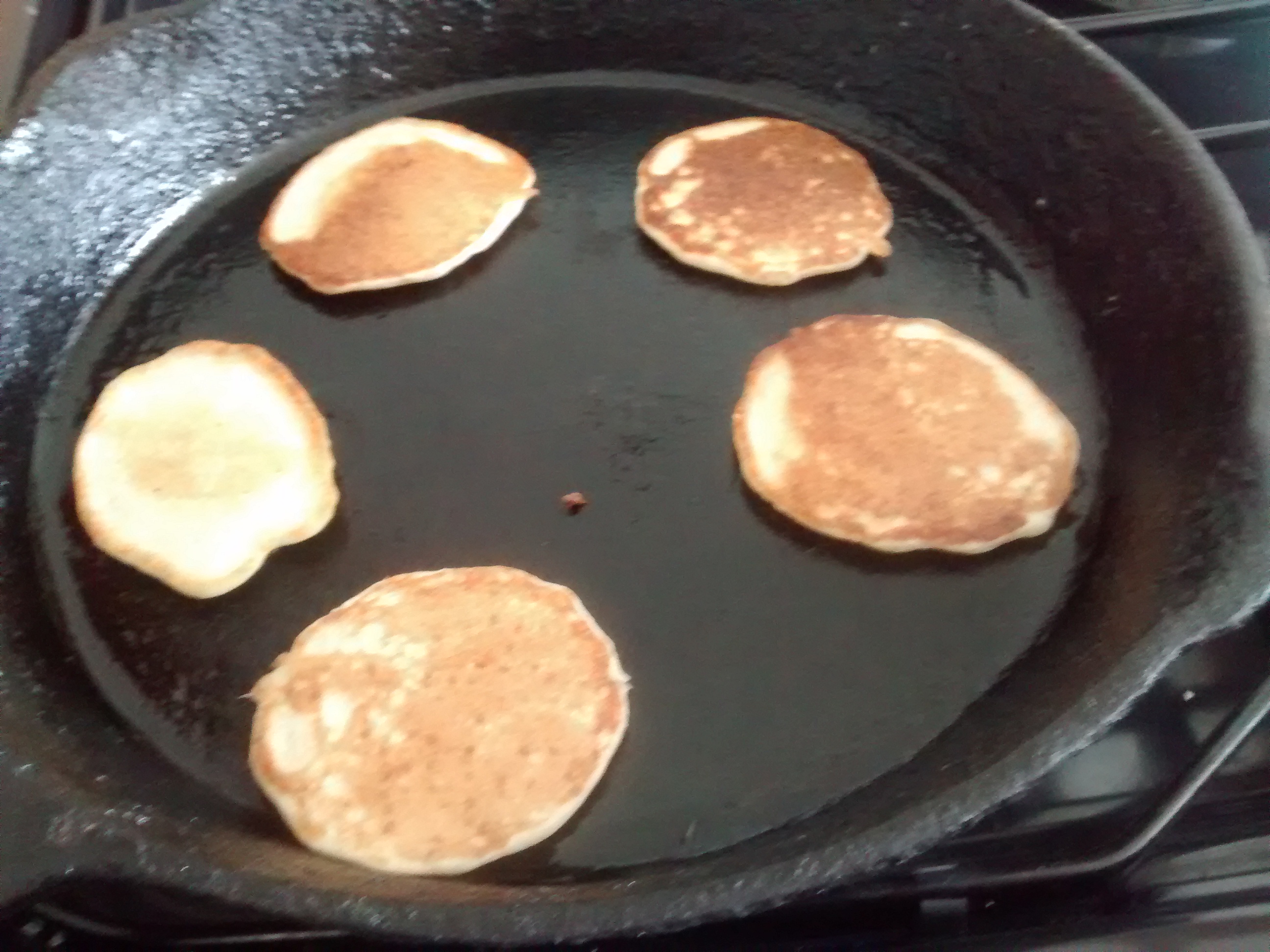
  • Use the risen batter to make small pancakes by using 1 large tablespoon per pancake –  I make 3 or 4 at a time in my  lightly greased cast iron pan.
  • Once you get the pan hot, lower the heat to a steady low so as not to burn the bliny.
  • Once they are cooked on one side, turn then over using a spatula and cook for a few minutes more.
IMG_20160728_105937003


Serving suggestions

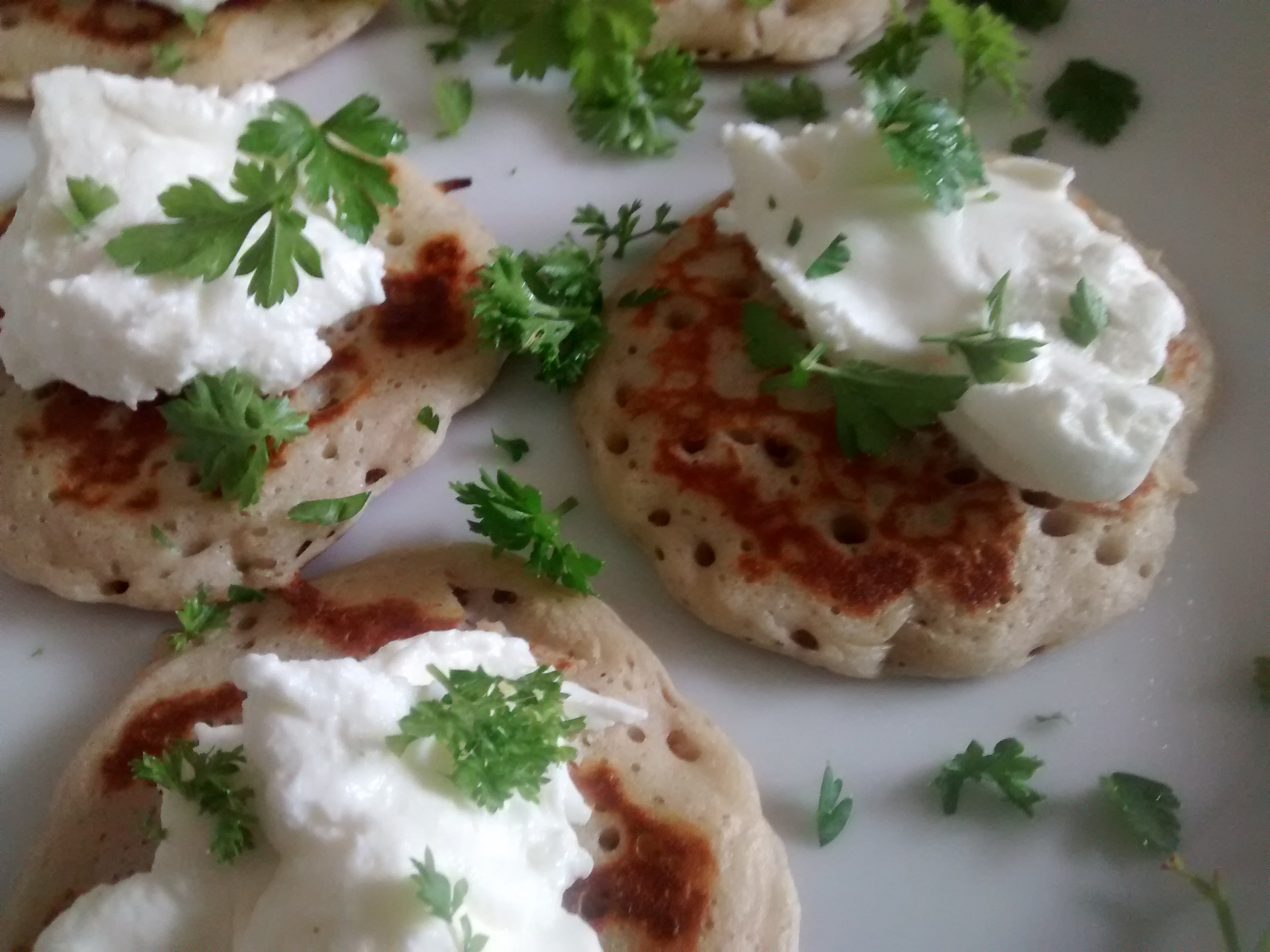
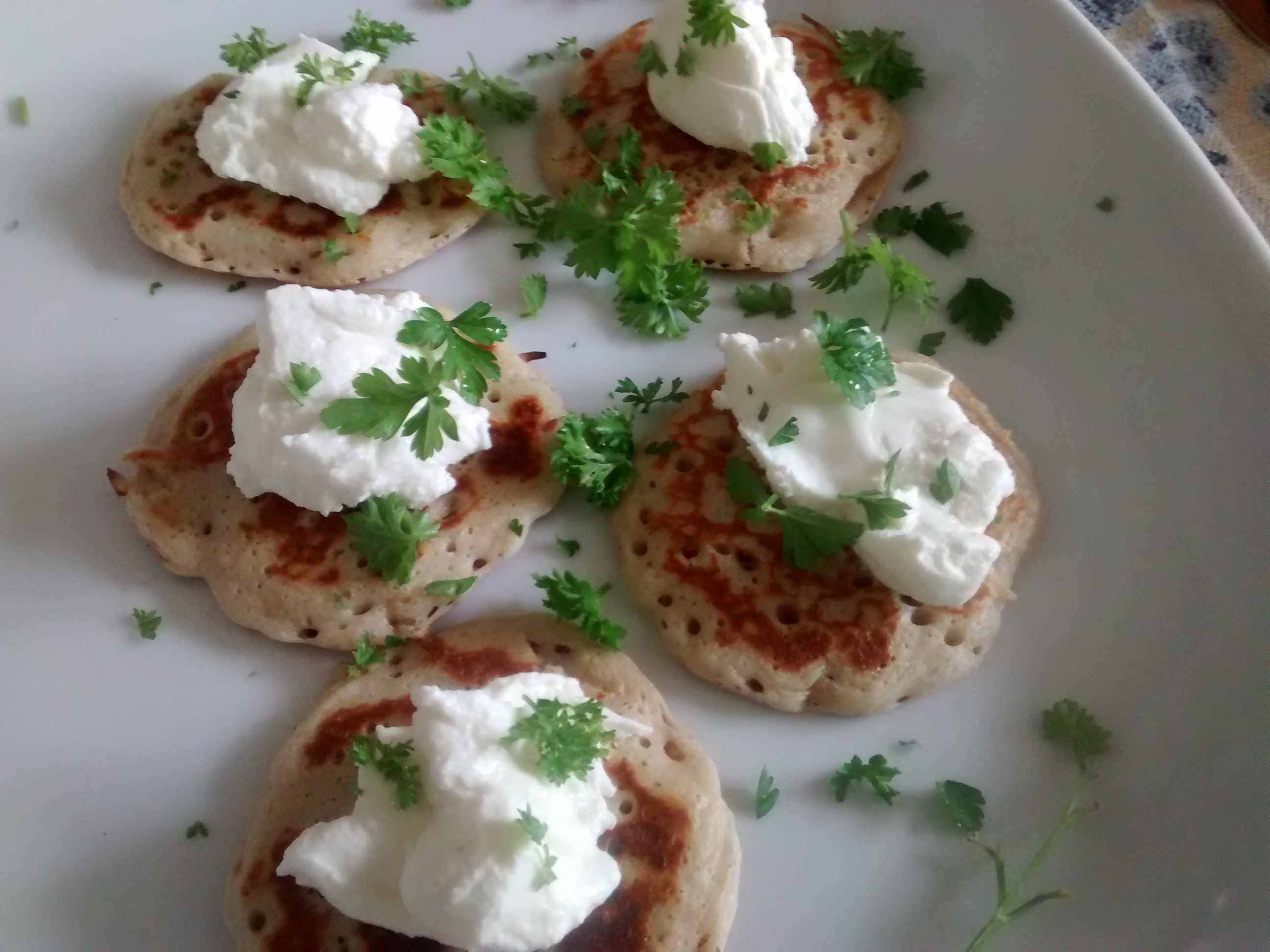
Serve the bliny with any of the following: melted butter, soured cream, twaróg, yoghurt cheese or cream cheese,  smoked salmon,  pickled herrings or even caviar,  gherkins, fried onions, skwarki (crispy bacon bits) fried mushrooms and one of my favourites a fried egg.
IMG_20160728_110728618
Served With Yoghurt Cheese and Chopped Parsley

IMG_20160728_110732377


IMG_20160728_110116268
Served with Melted Butter


Buckwheat Pancakes

These are thin pancakes and are also very popular in Northern France where they are called gallettes de sarrasin.

The French for buckwheat is  sarrasin or blé noir.

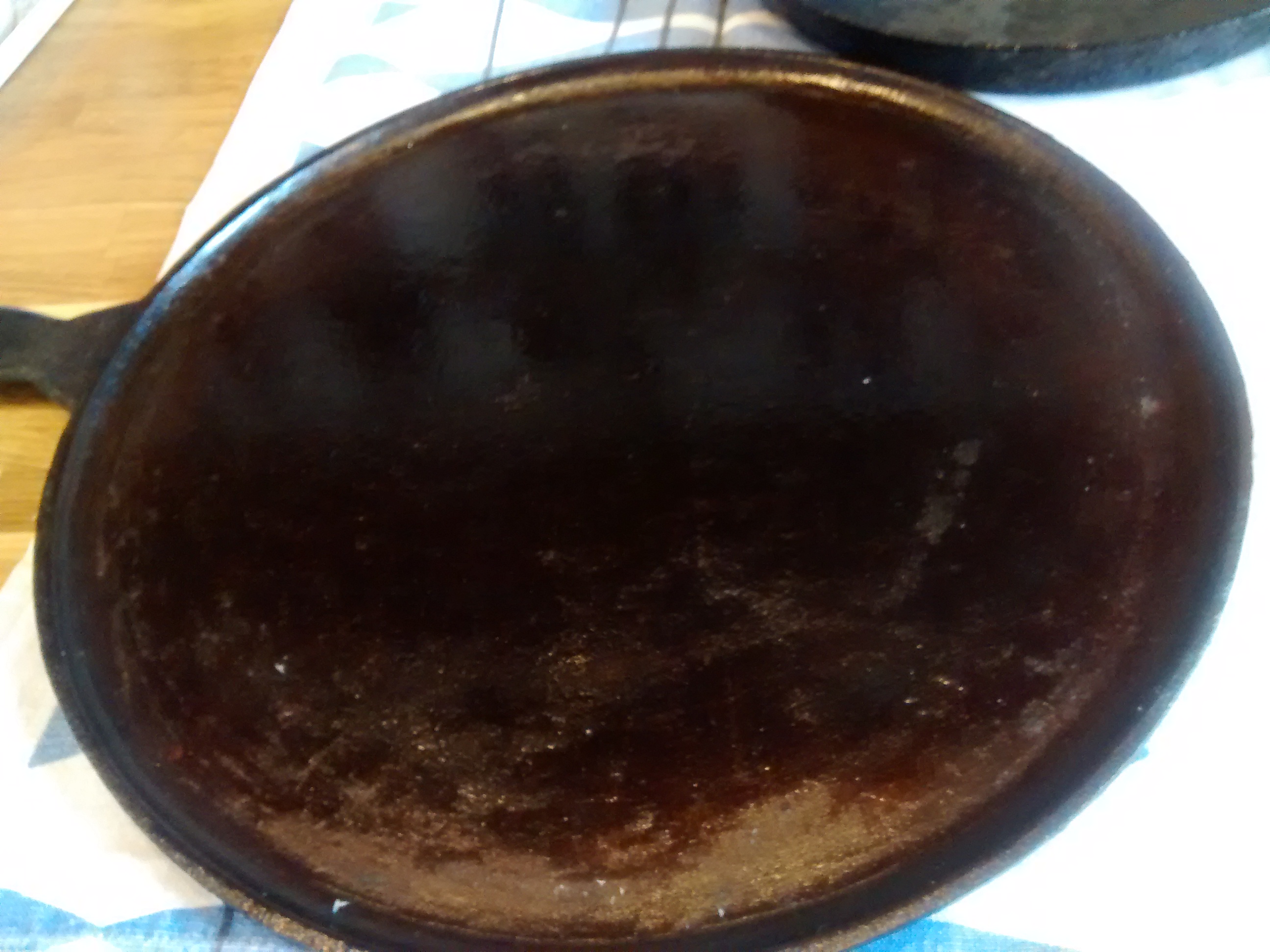
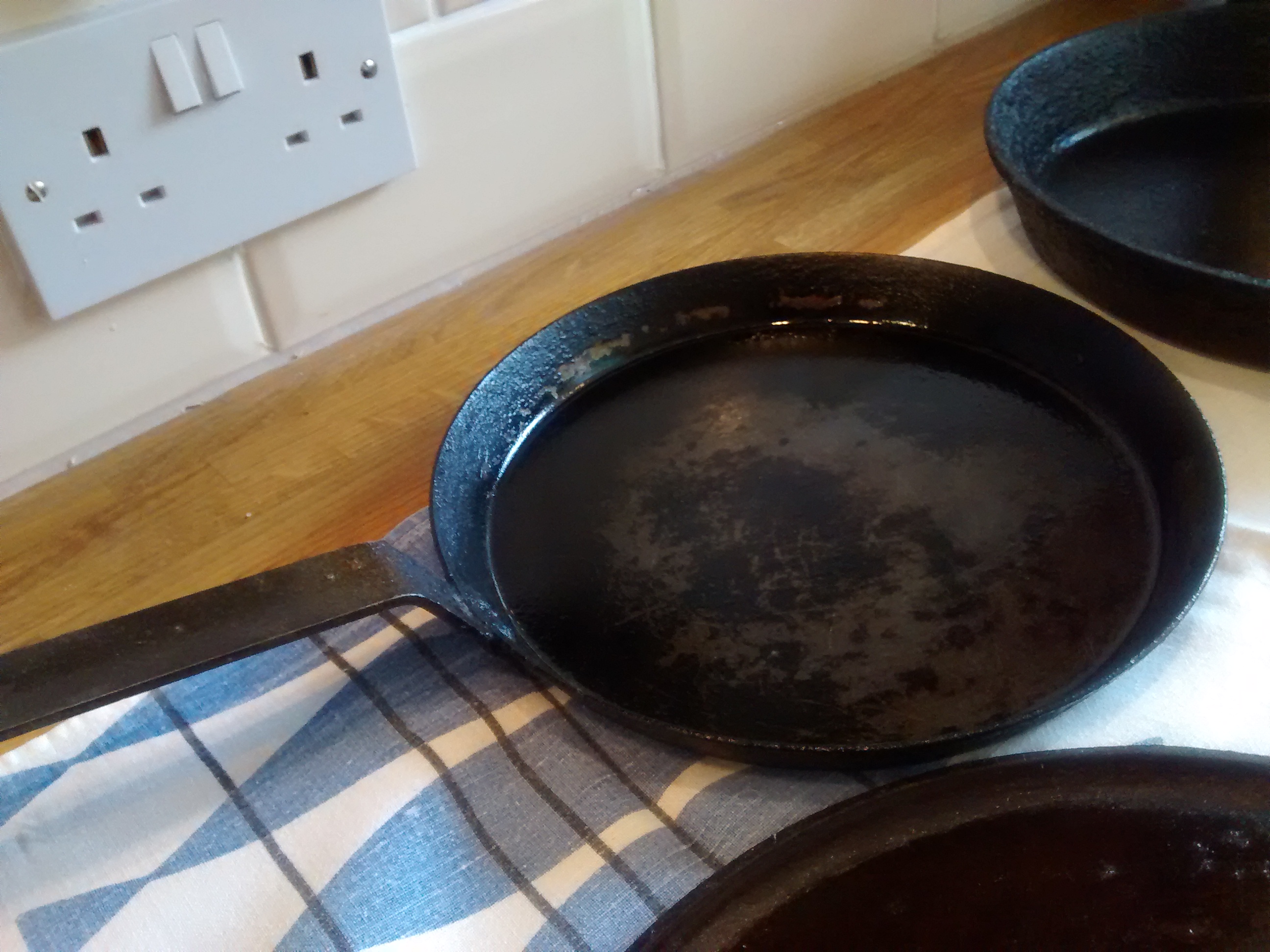
Many years ago whilst on holiday in France I bought and brought home a very large French pancake pan.
IMG_20160726_154736455


However on my gas stove it is too large for a good distribution of heat – you get a hot spot in the centre which tends to burn that part – so I use my smaller pancake pan.
IMG_20160726_154823589


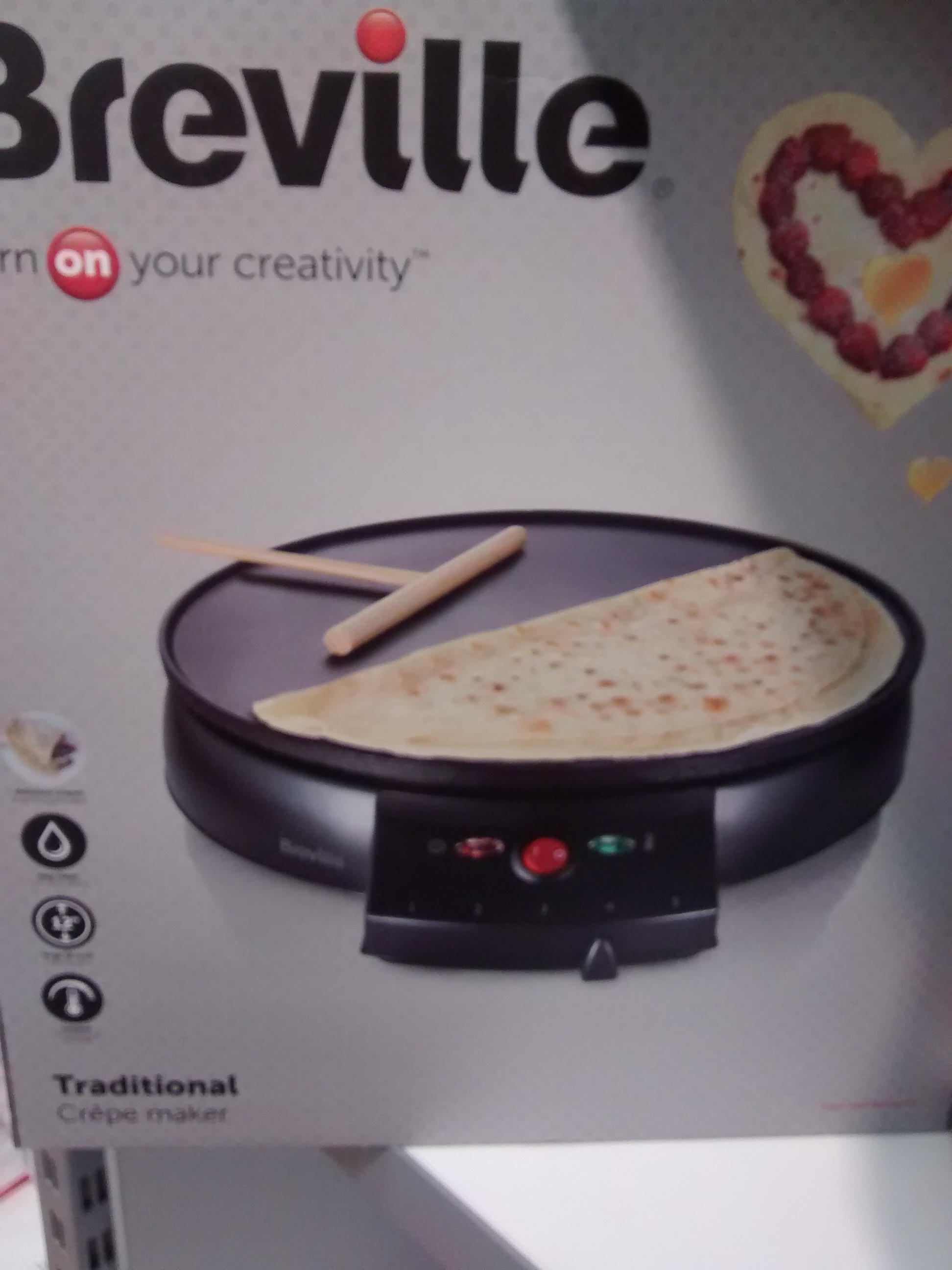
Last week whilst in a department store in Leeds I saw the following – An Electric Crêpe Pan – It might be good.
IMG_20160730_123522083


Ingredients

  • 75g buckwheat flour
  • 25g plain flour
  • 2 eggs
  • 120ml of milk (full or semi-skimmed)
  • 120ml of water
  • 25g of  melted butter
  • pinch of salt
  • Some extra milk might be needed.

Method

Make these in the same way as standard pancakes adding the melted butter after the batter has been standing for about an hour.

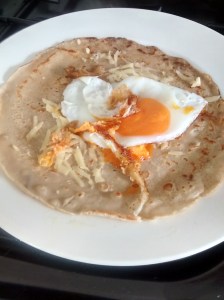
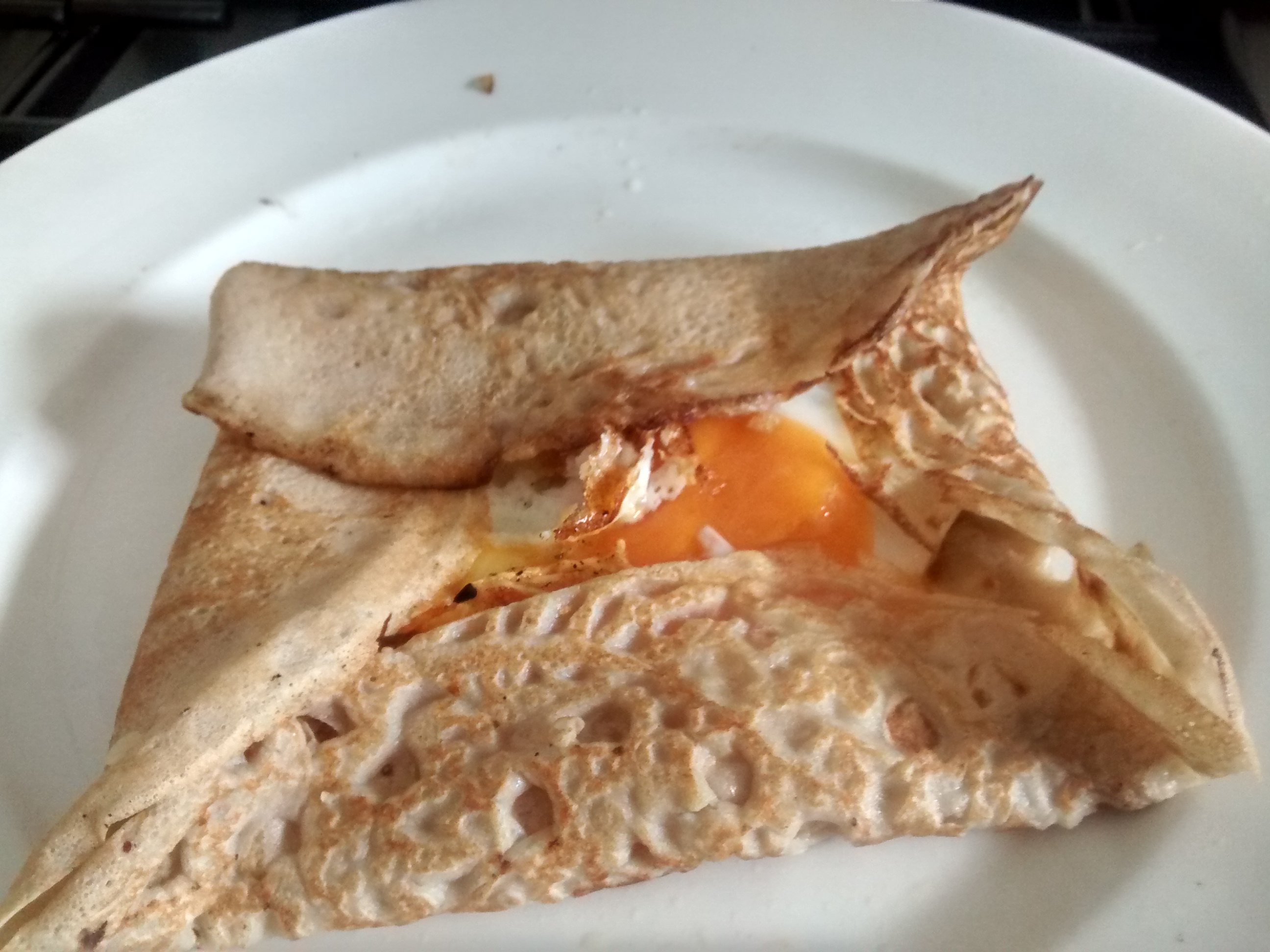
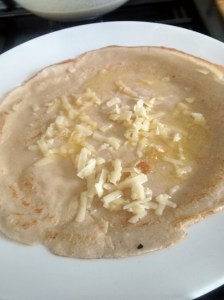
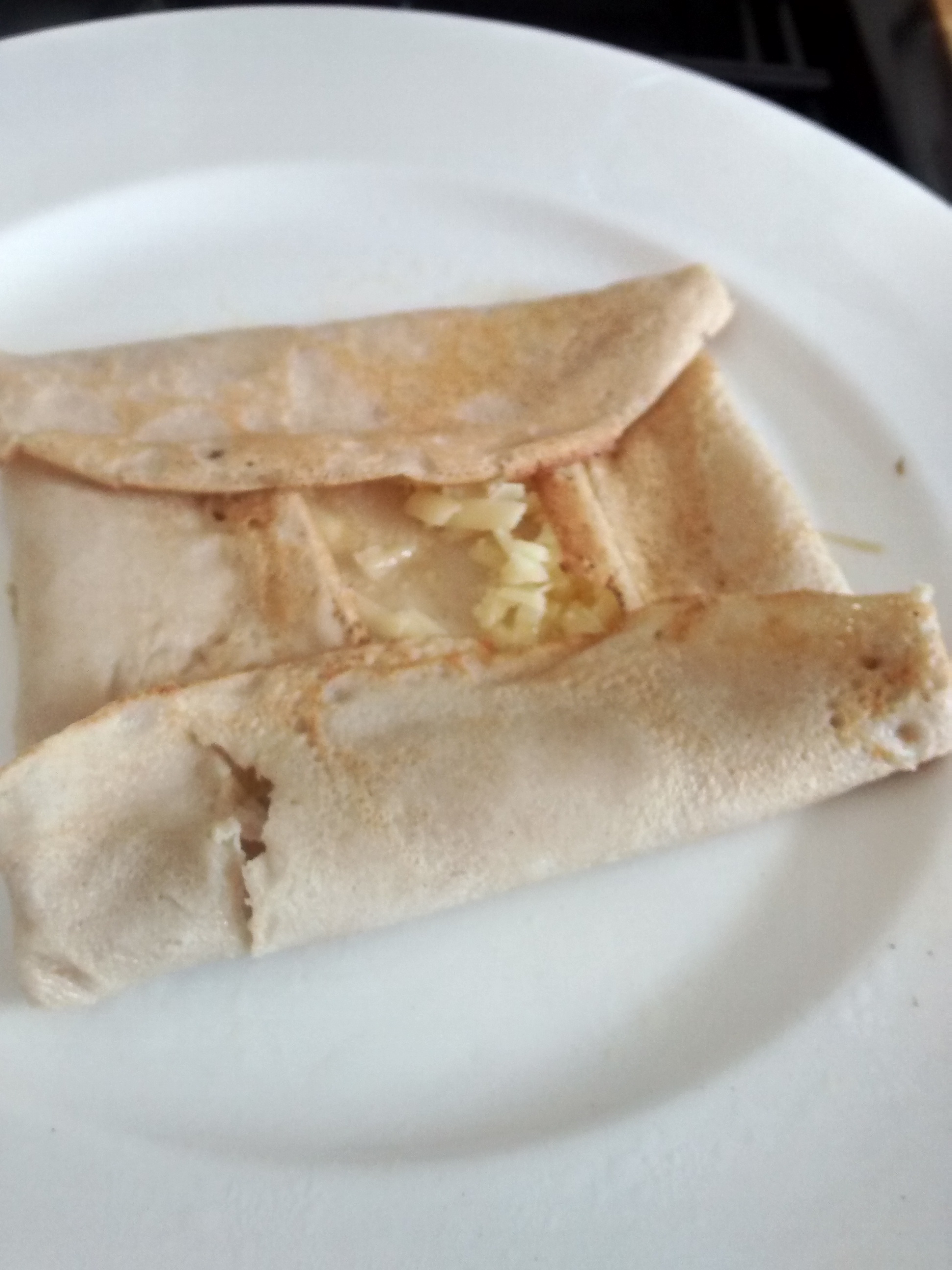
I think these pancakes are best with savoury fillings and my favourite is in fact French in origin, Breton style with a slice of good ham, grated Gruyère cheese and a soft fried egg.

The fillings are put on the cooked pancake and the sides are folded over but with the filling still showing in the centre. (You can put this back on the pan to heat it a little more.)
IMG_20160727_125205566_HDR
Melted Butter & Grated Cheese


IMG_20160727_125233017_HDR


IMG_20160727_130108334_HDR
Melted Butter, Grated Cheese & Fried Egg

IMG_20160727_130152531_HDR

Poffertjes

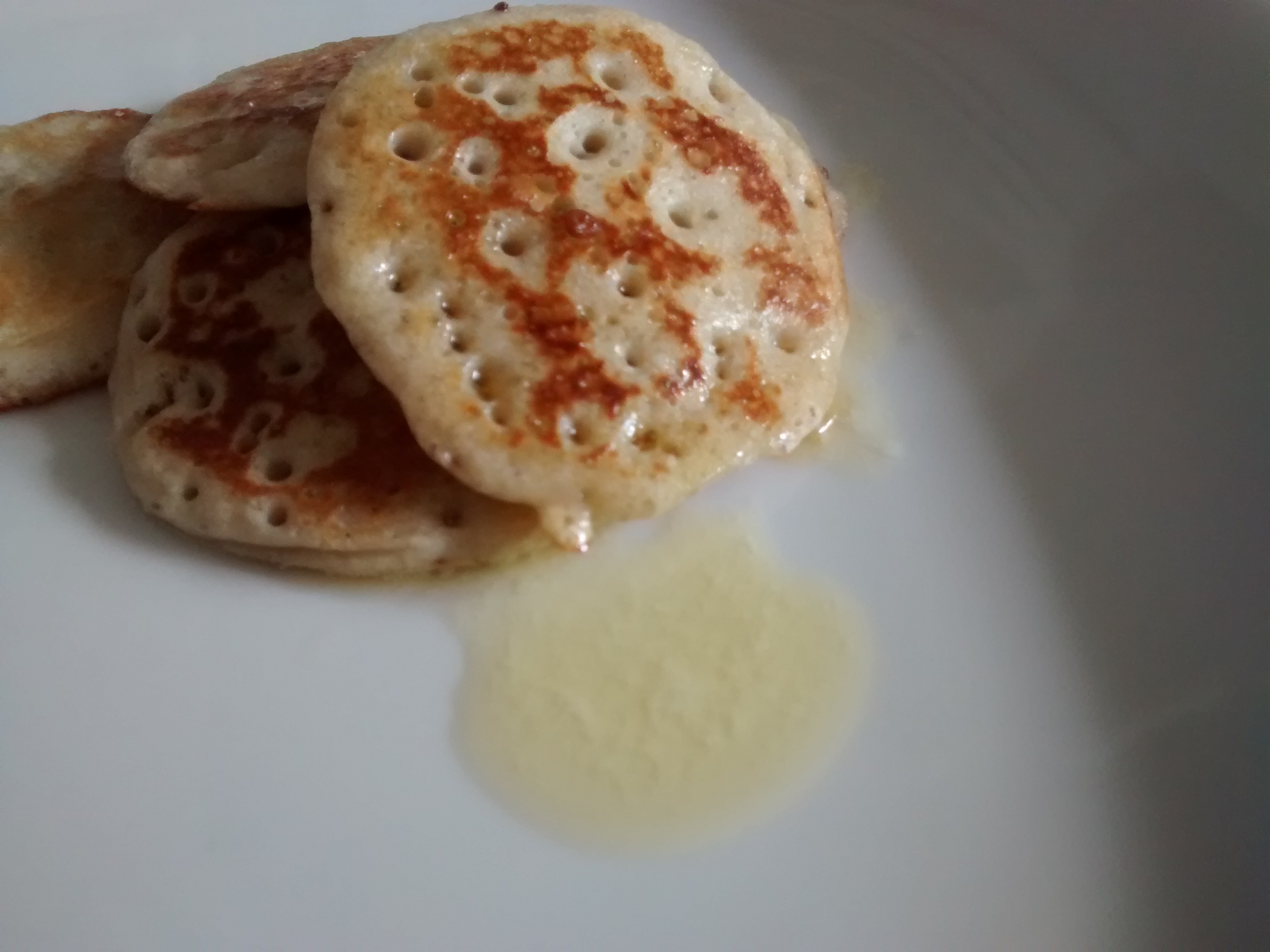
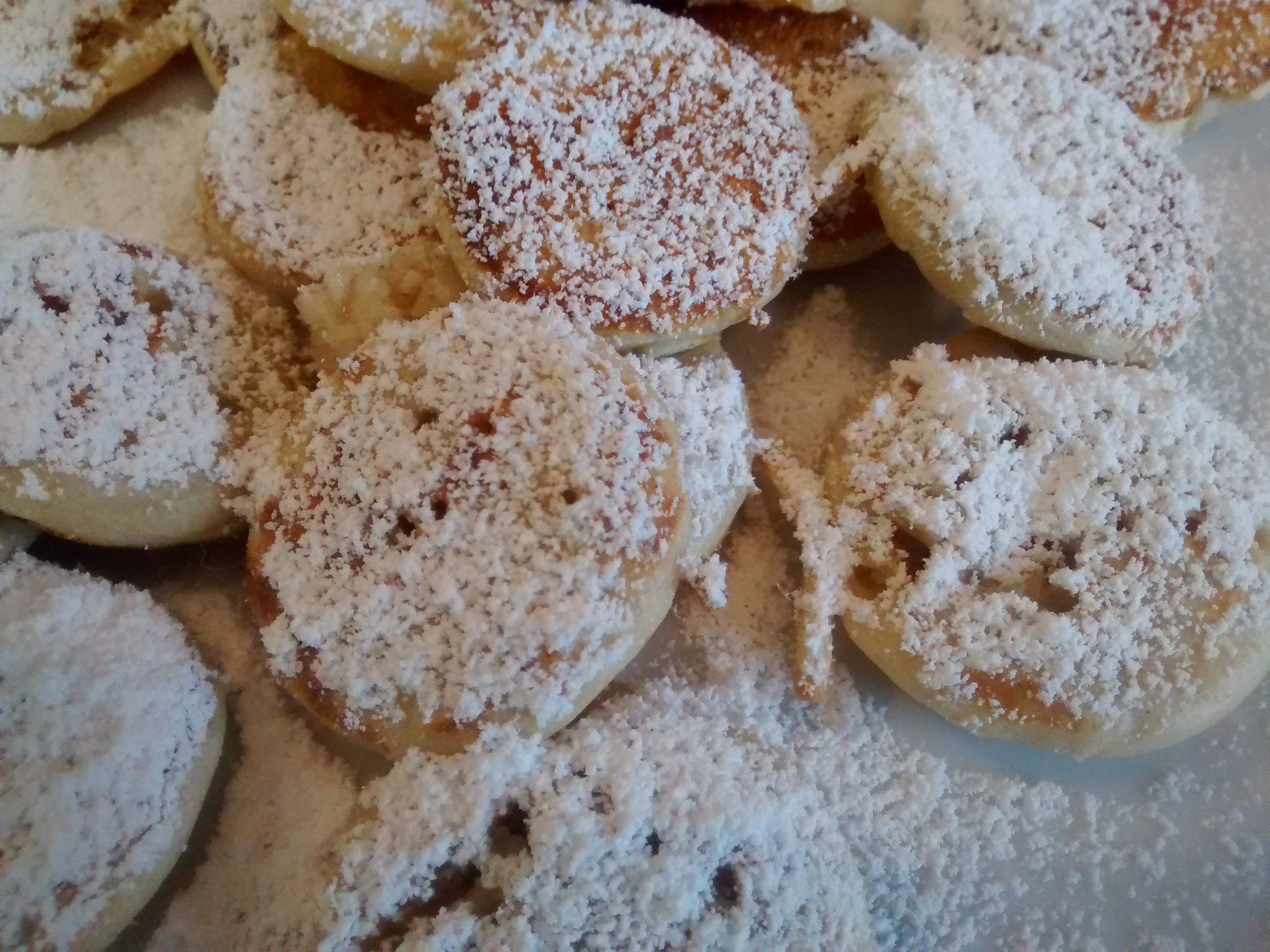
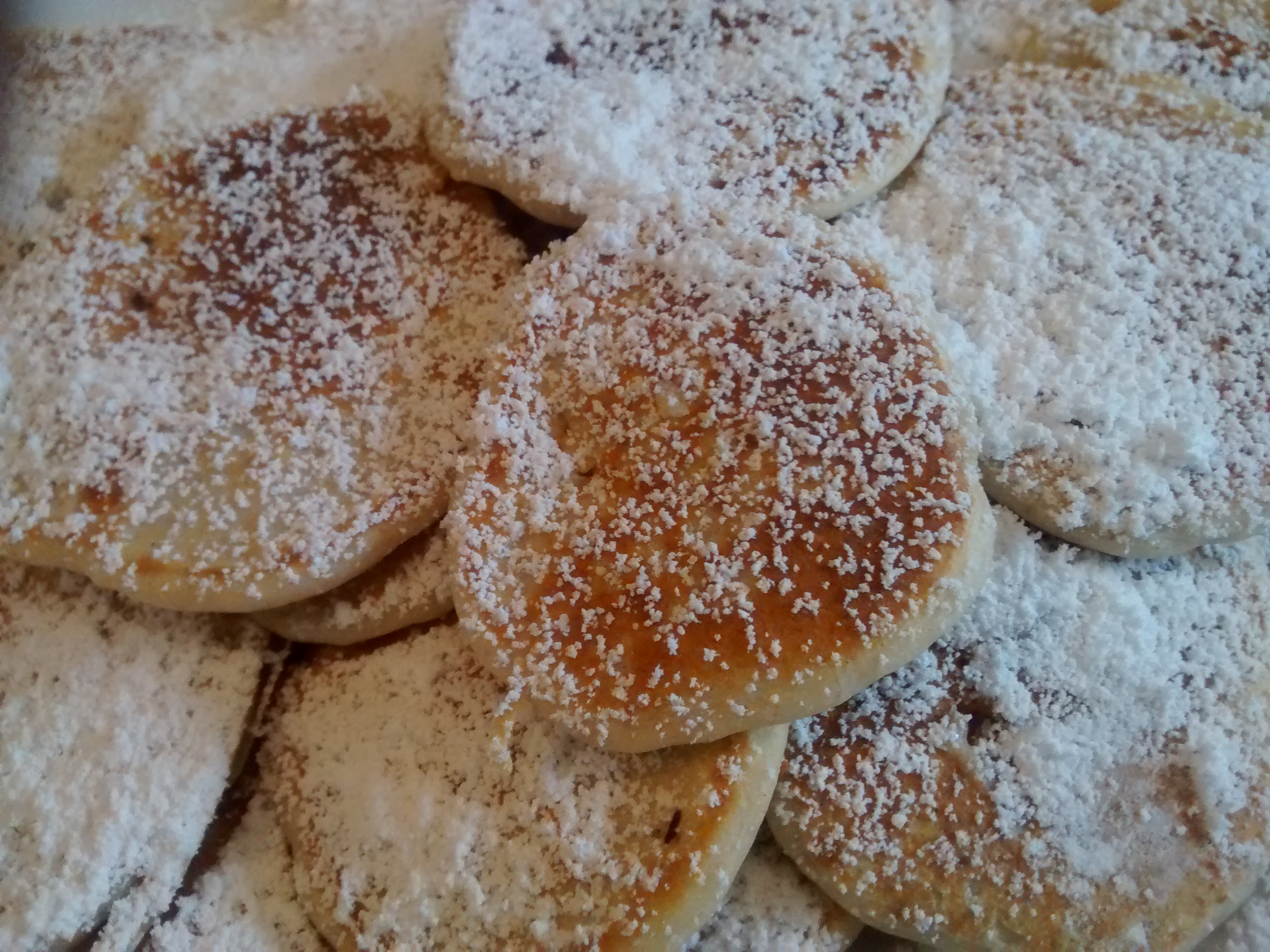
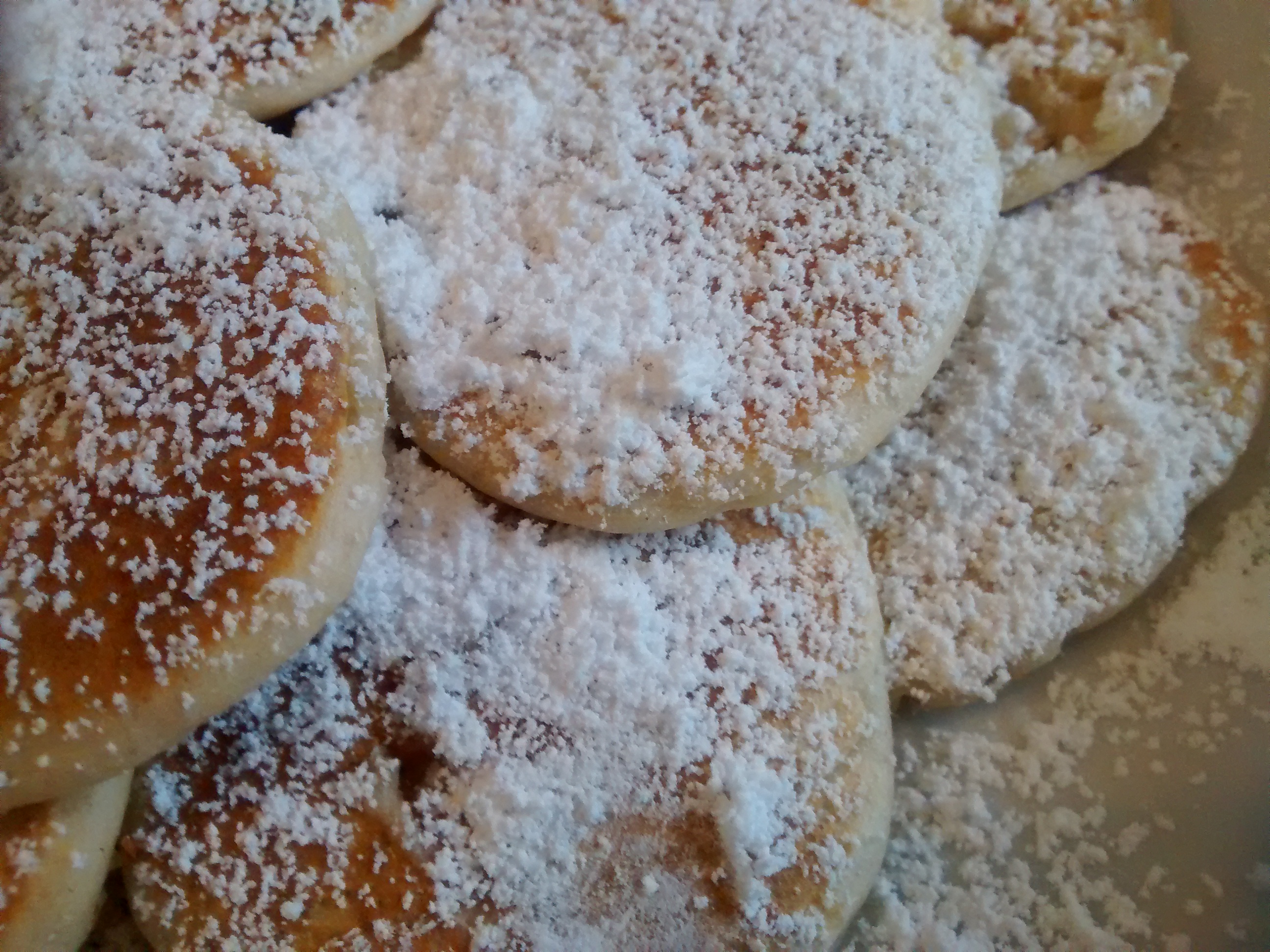
These mini buckwheat pancakes are Dutch in origin and it was only as I was trying out the recipes again that I realised how similar they are to bliny – but these are not served with savoury toppings but with icing sugar.

(The Dutch for buckwheat is boekweit)

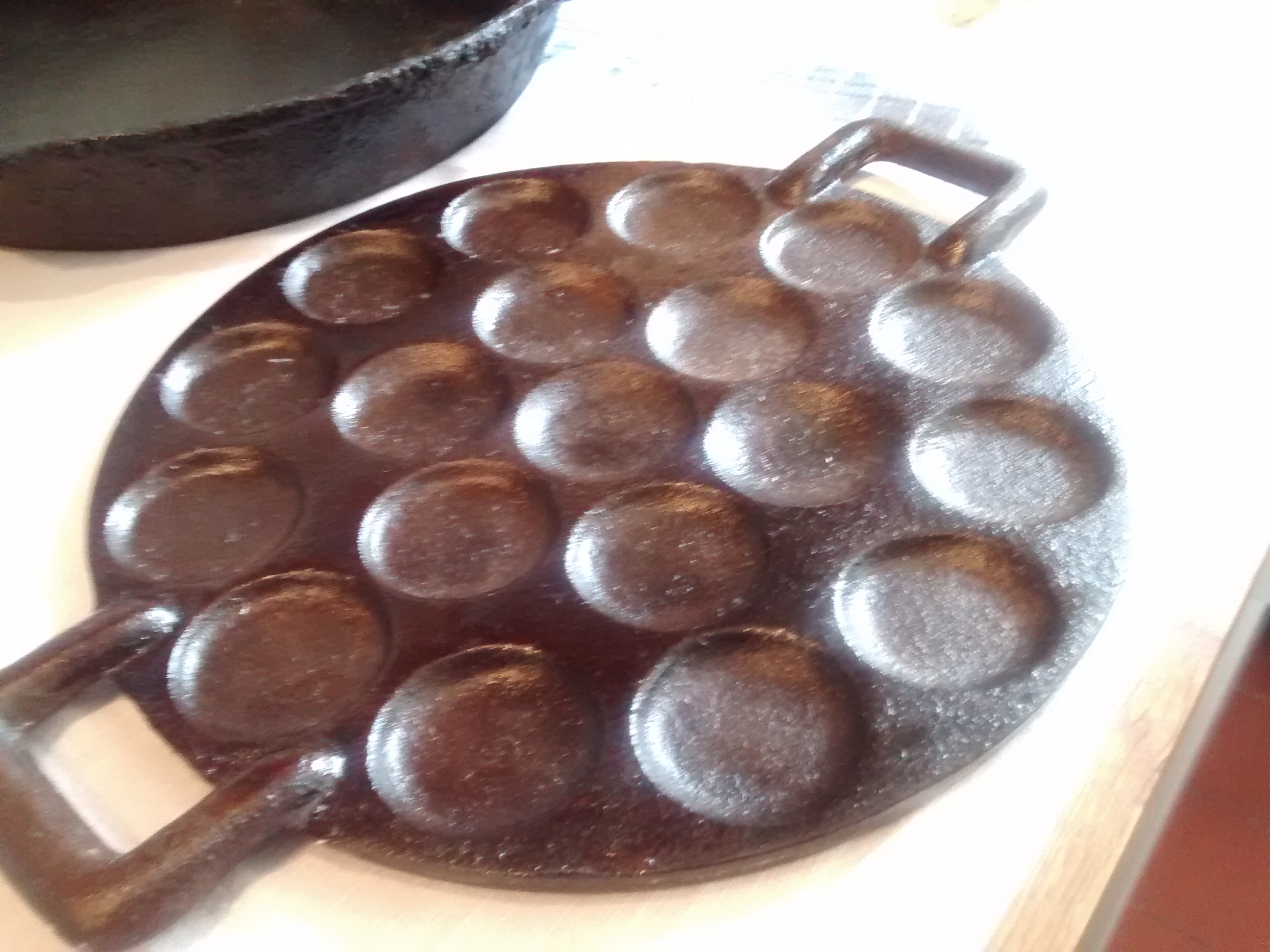
  • Several decades ago when on a visit to The Netherlands I bought a special cast iron pan which is used for making poffertjes .
  • It was in the days before cheap flights & just hand luggage and  I had travelled there by car – not as easy to bring home without.
  • If you do not have access to the authentic pan  you can make them on a frying pan – my cast iron pan works very well.
 

IMG_20160726_154901789
Cast Iron Proffertje Pan with 19 Indentations

IMG_20160726_154754099_HDR


Poffertjes

Ingredients

  • 10g dried yeast
  • 1 teaspoon sugar
  • 125g buckwheat flour
  • 125 plain flour
  • Pinch of salt
  • 1 egg
  • 350ml of full fat or semi-skimmed milk – warmed slightly
  • 1 tablespoon of  butter – melted
  • Icing sugar to serve.

Method

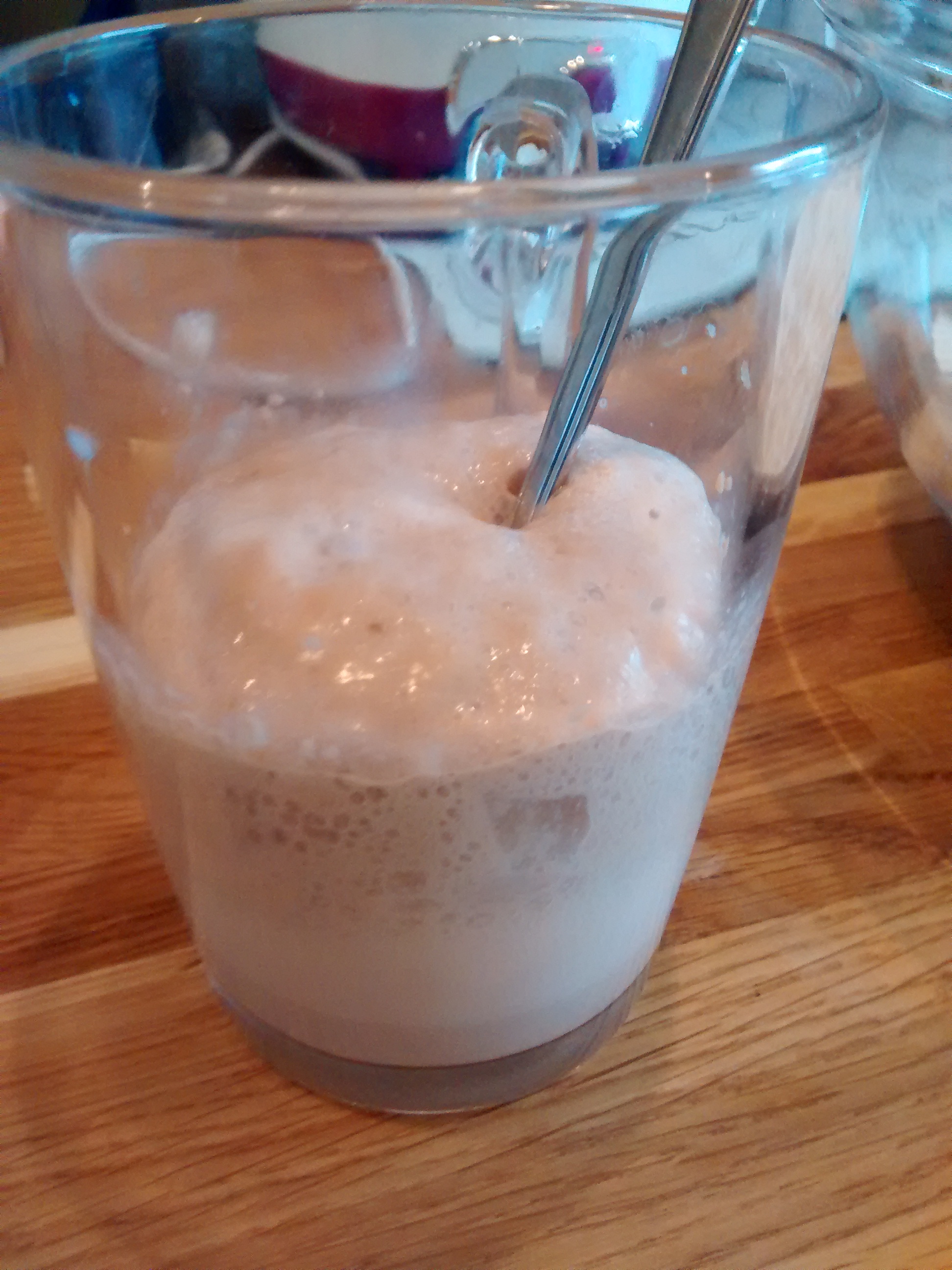
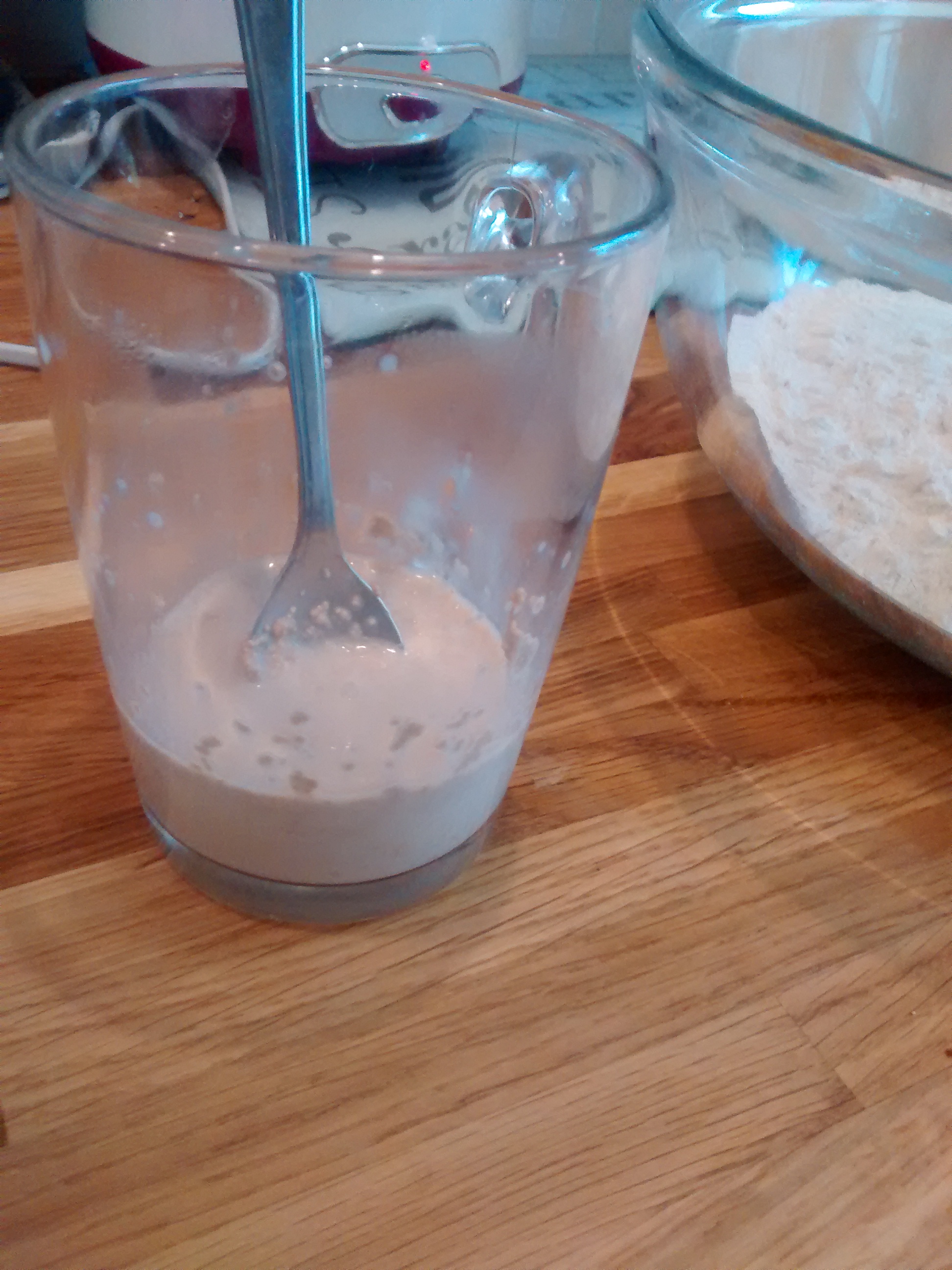
  • In a small bowl or jug dissolve the sugar, the yeast and around 50 ml of the milk.
  • Leave for around 10 minutes or so as  it froths up.
IMG_20160729_131108738


IMG_20160729_133101810


  • In a separate bowl, combine the  buckwheat and wheat flours, salt, egg, yeast mixture and half the remaining milk and mix well.
  • Now add the remaining milk  until the mixture is like double cream – you might not need all the milk.
  • Add the melted butter.
  • Cover the bowl and leave for around 1 hour until the mixture has bubbled and risen.
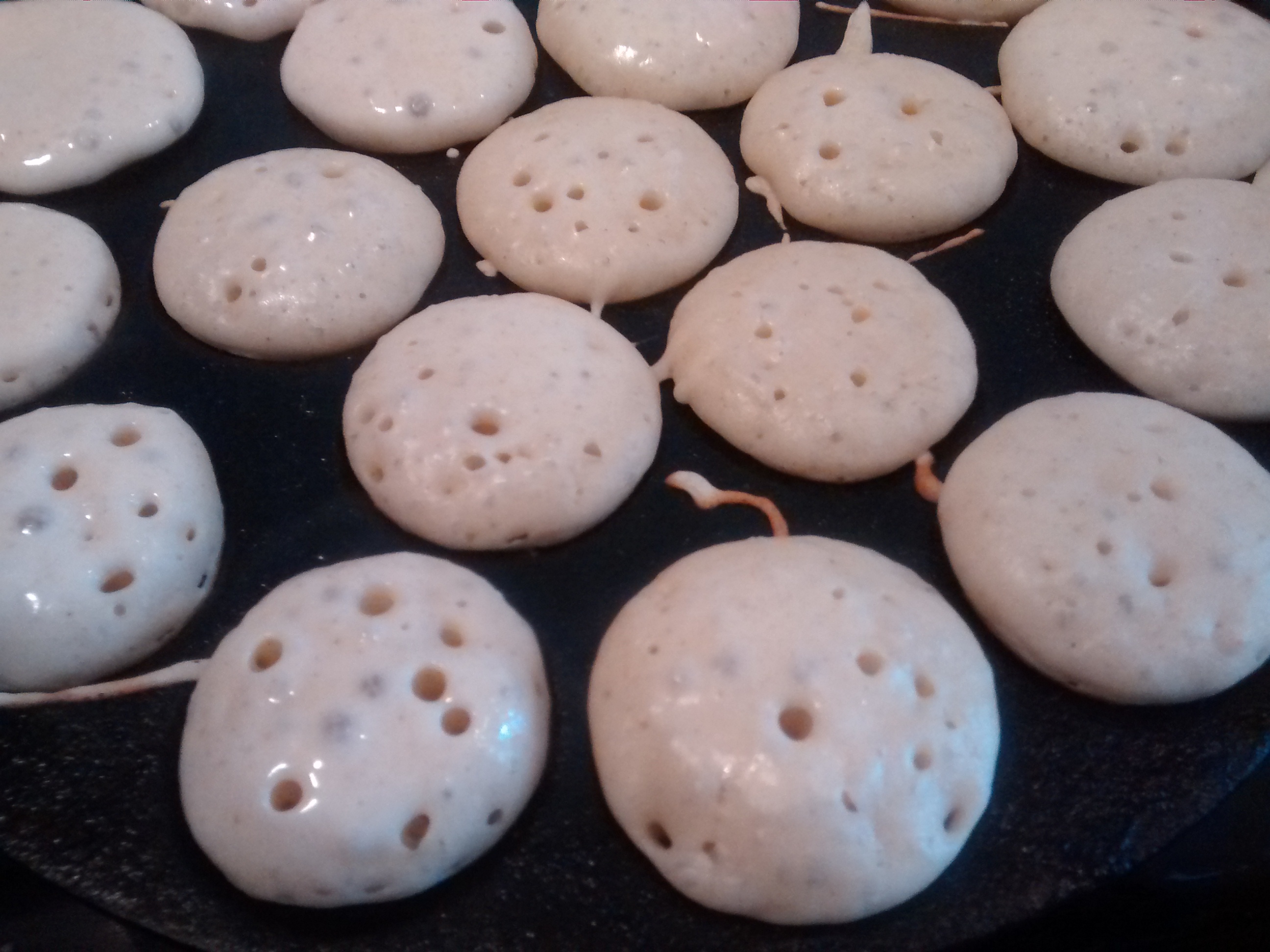
  • Lightly grease the pan and heat the pan – keep it the pan warm but not too hot or you will burn the poffertjes.
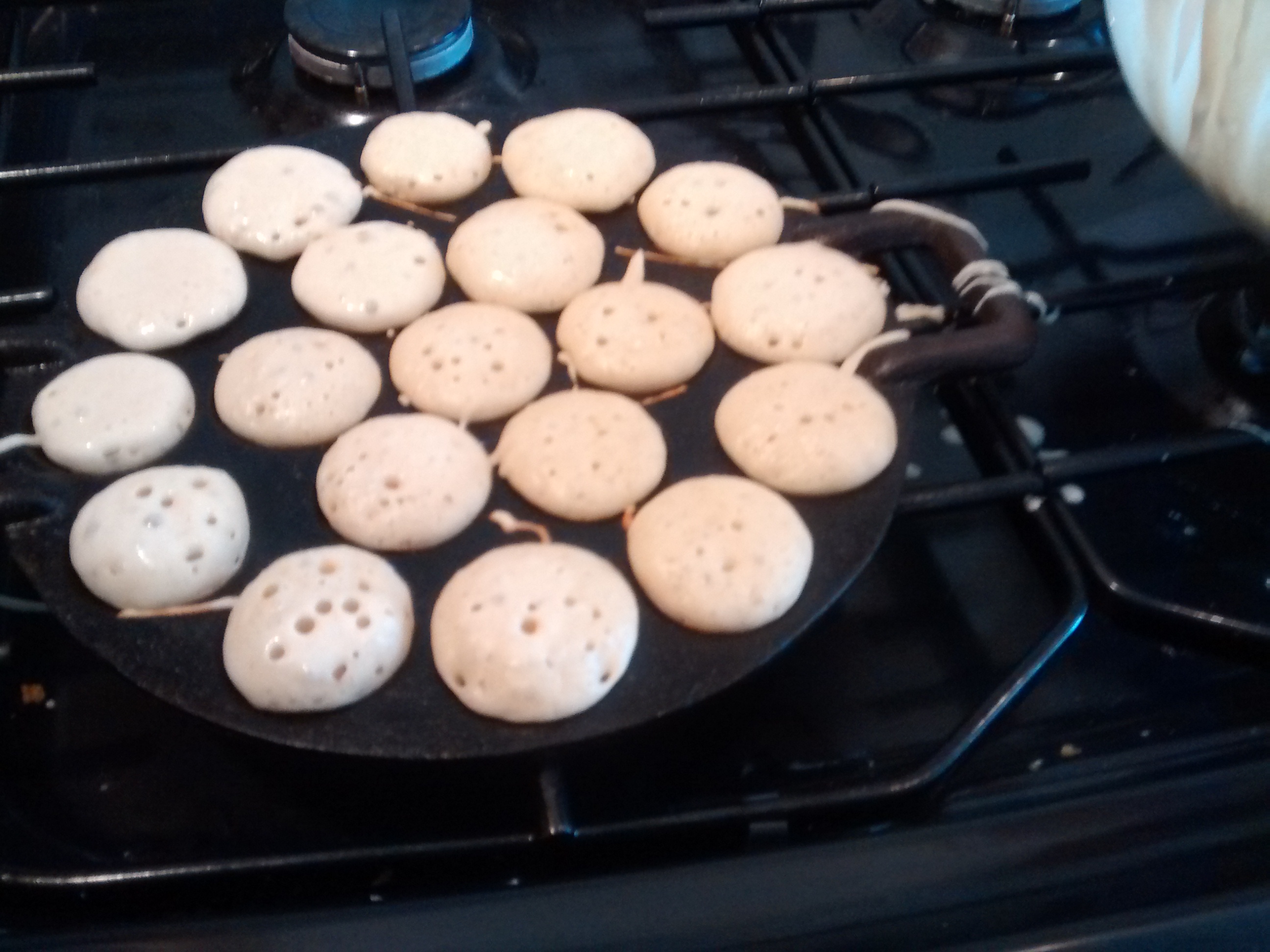
  • Using a teaspoon fill each indentation in the pan – you need around 2 teaspoons for each.
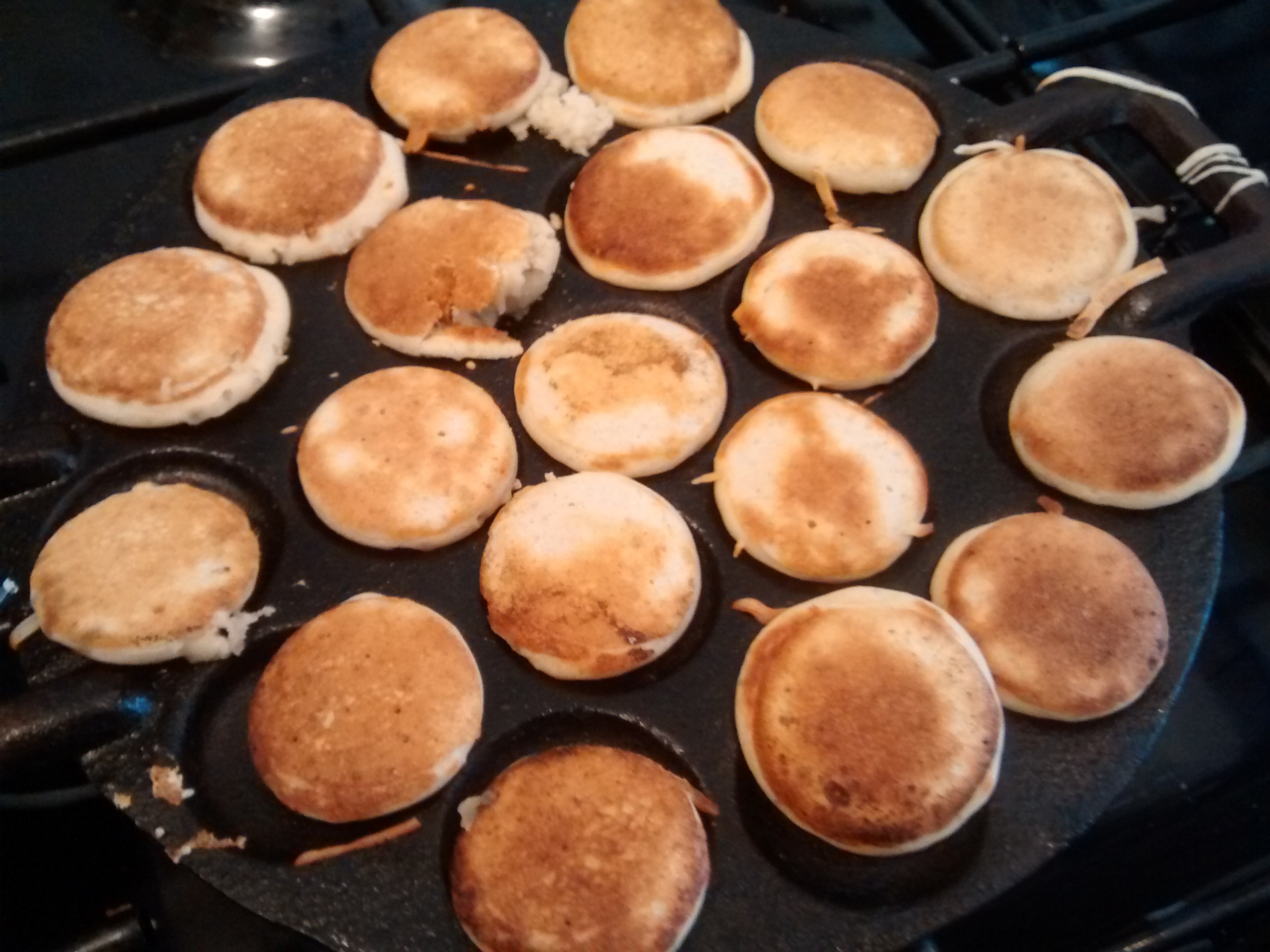
  • Turn the poffertjes around as soon as the bottom has set, using two forks.
IMG_20160729_155011830 IMG_20160729_155005608 IMG_20160729_155148766


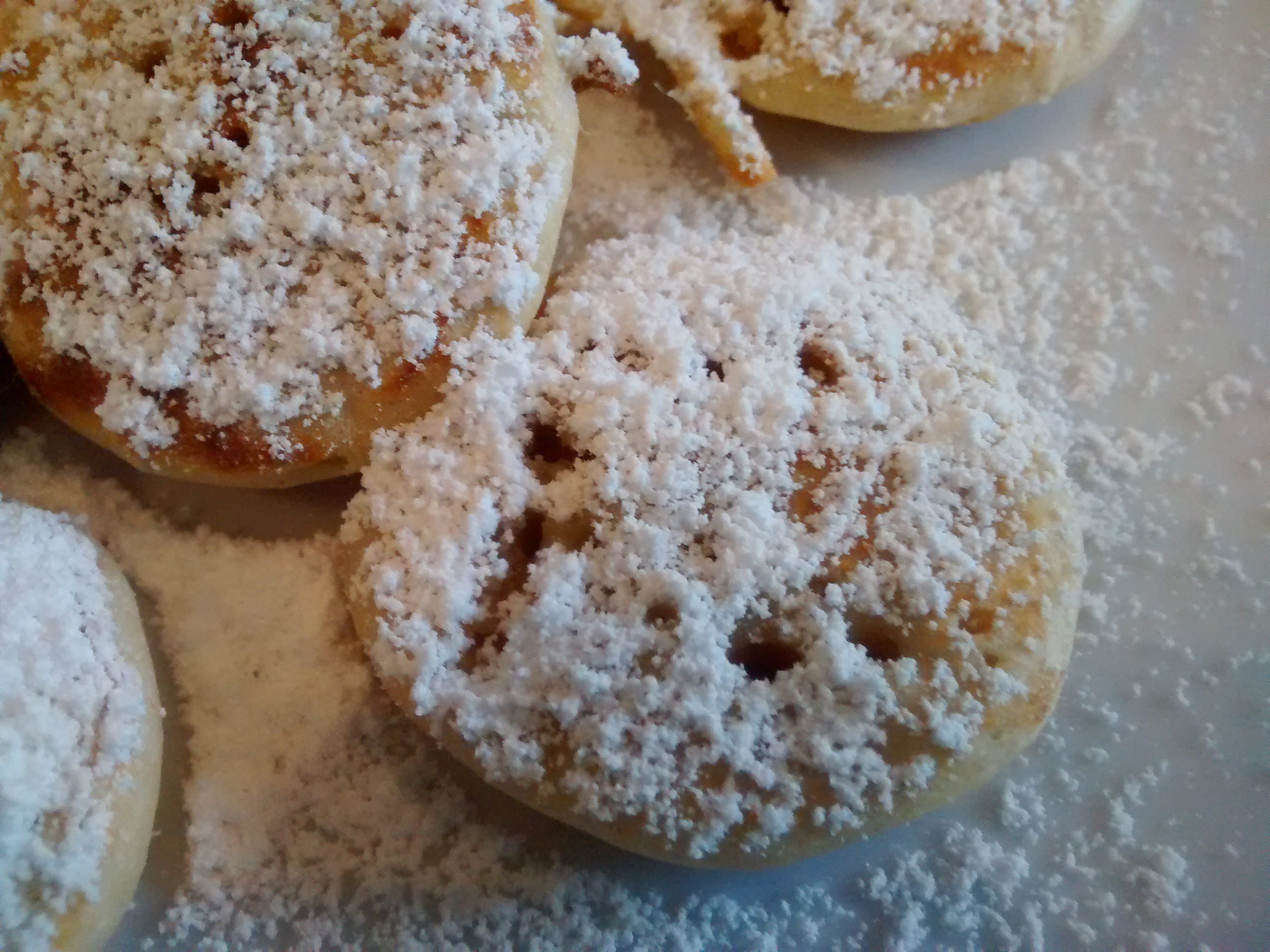
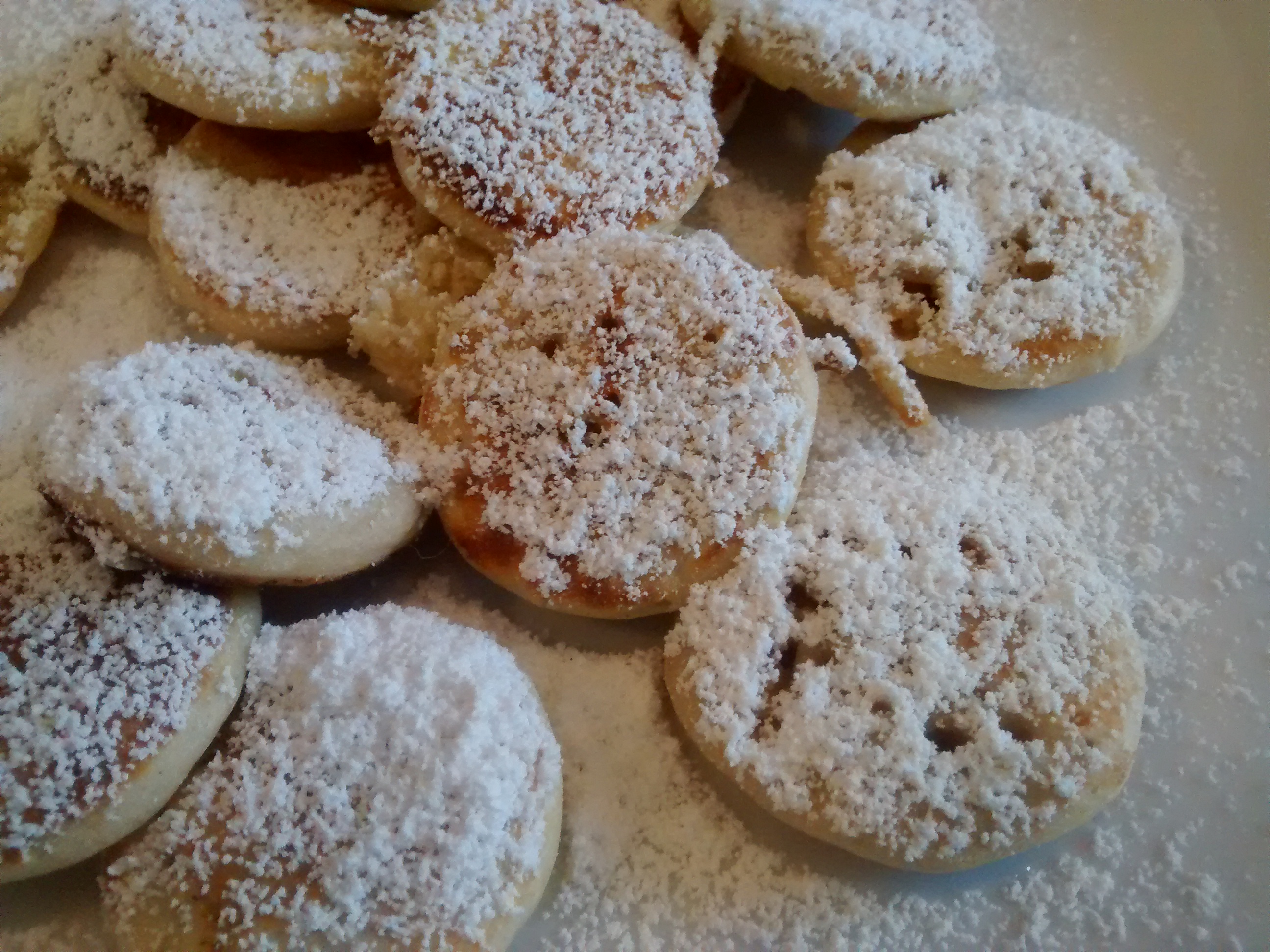
Dredge the poffertjes with lots of icing sugar.
 

IMG_20160729_155323367 IMG_20160729_155326899 IMG_20160729_155335265


IMG_20160729_161532512_HDR
Using a Cast Iron Frying pan


IMG_20160729_161517656_HDR


IMG_20160729_162716300 IMG_20160729_163631458 IMG_20160729_163635244


Canadian Alternative!

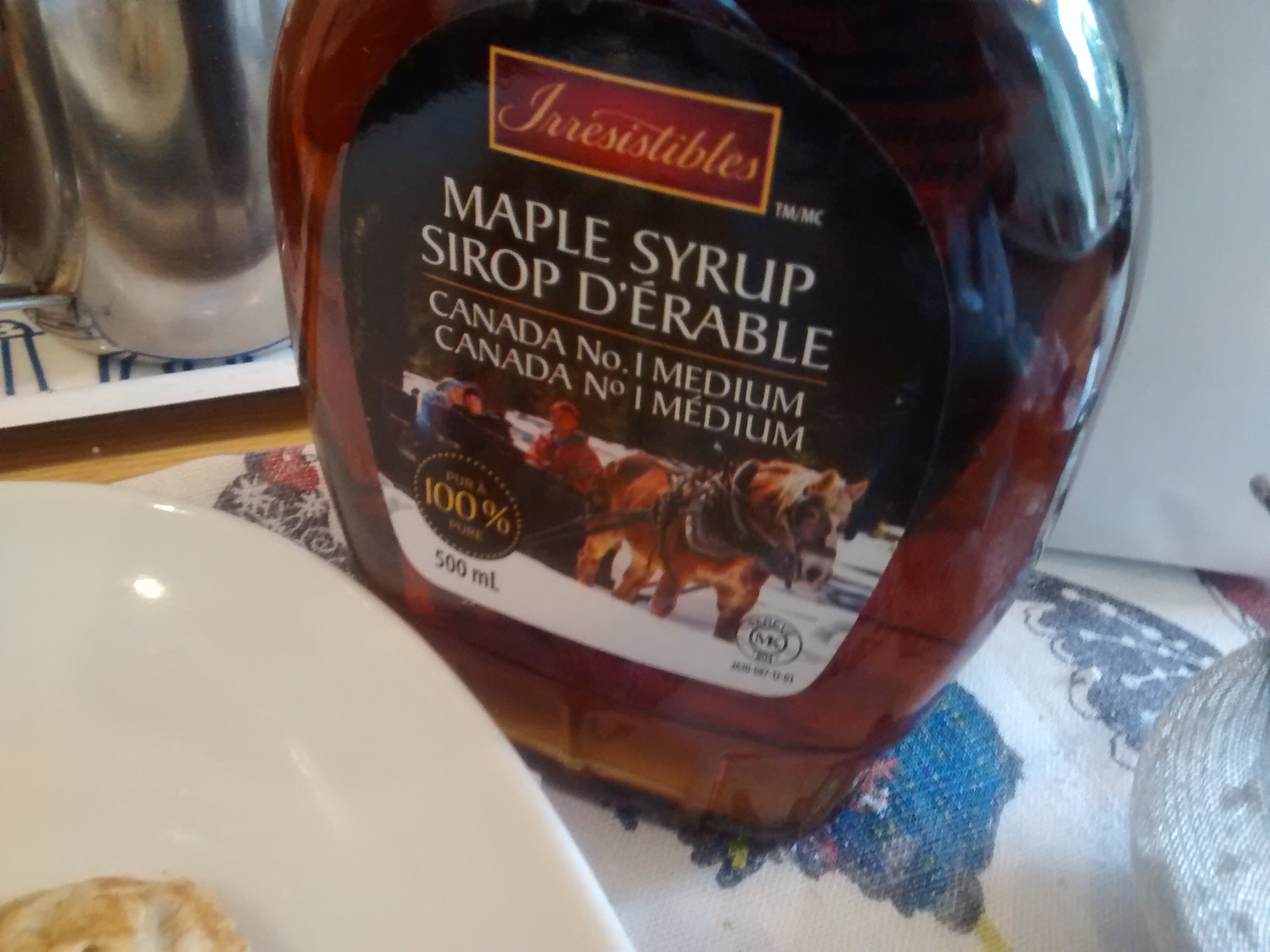
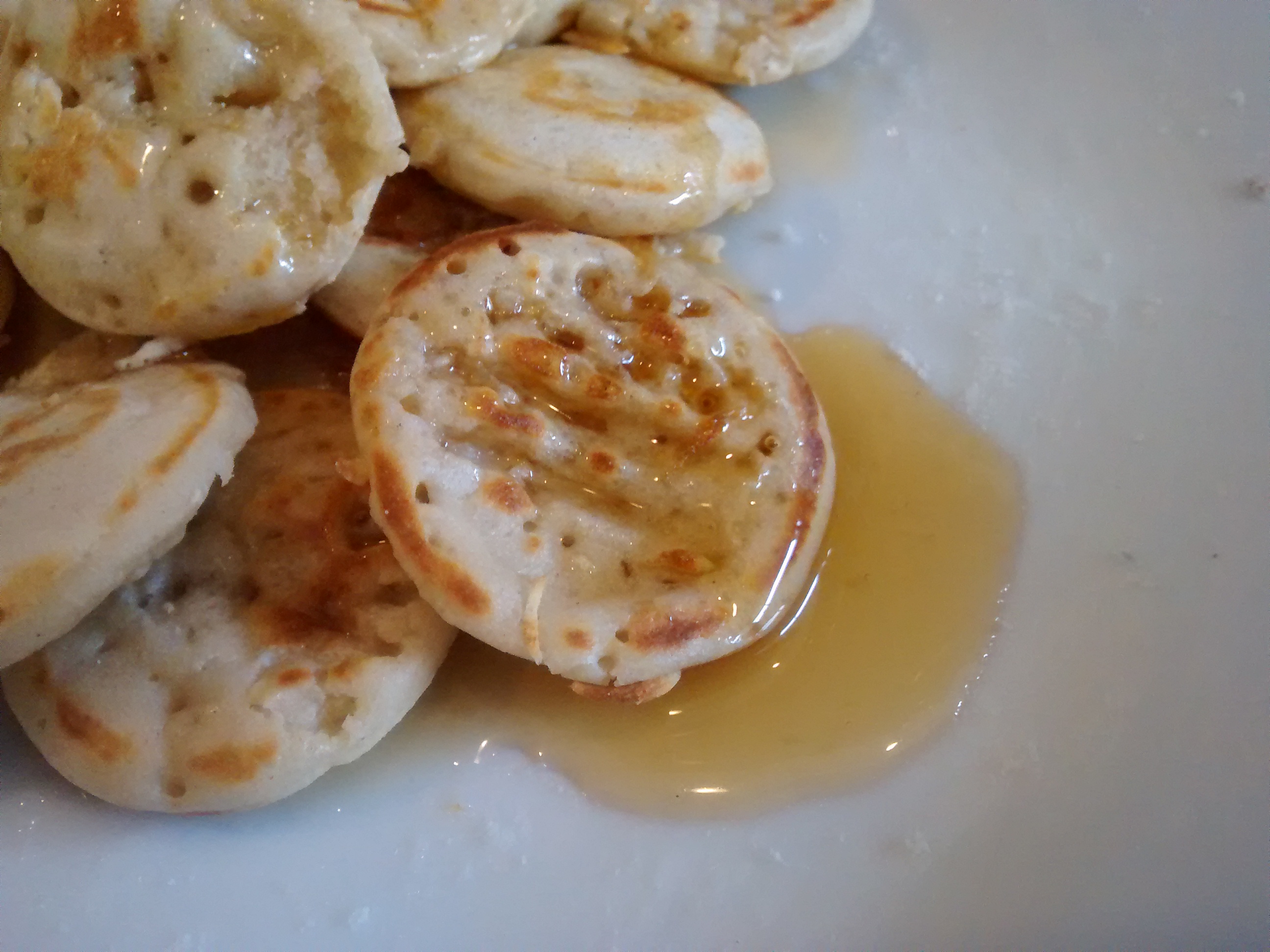
One of my friends who now lives in Canada brought me a large bottle of maple syrup on her last visit and I tried this over the poffertjes instead of the icing sugar – they were delicious.
IMG_20160729_161009545


IMG_20160729_161041541


The Perfect Pancake

Naleśniki are thin pancakes like the French crêpes. Their name comes from the Polish verb to pour.

In Poland pancakes are eaten all year round, with either savoury or sweet fillings, and not just before Lent. (In fact pancakes are not amongst the special foods eaten before this time of fasting).

We used to have then about once a week but I never seemed to have been involved much  in their making except for spreading the fillings on, so when I started to make them myself I had lots of disasters!

My pancakes were always a bit hit and miss.  Often the constancy was not constant nor the  thickness and nearly always the first one of the batch would stick to the pan and have to be thrown away.

Then I looked up the recipe in my old Polish cookbook, made a few telephone calls to various relatives and also followed Delia Smith’s advice and bought a special frying pan which I use only for pancakes.

Kuchnia Polska 15th Edition 1971 - Polish Kitchen or Polish Cookery
Kuchnia Polska – 15th Edition 1971

So I now I think I know the secrets of making perfect pancakes and these I will now pass on.

Sift the flour

You must use a mixture of milk and water – 50/50 is the best – this ensures that the pancakes do not burn as easily and also enables you to make then very thin and elastic so they are easy to work with. (This is the most important tip).

  • Beat the eggs and add then them first to the sifted flour.
  • Add the milk mixture to the egg and flour mix until you have a batter the consistency of pouring cream.
  • Leave the batter to stand for at least 1 hour in which time it will thicken, then add a little more liquid.
  • Use a special thin pan which you use just for pancakes, mine has a base diameter of 20 cm and is made of steel, once seasoned, just wipe it clean between uses with kitchen roll – never scour it or use detergent.
  • Work out how much batter you need for a pancake and find a measure which will then give you a consistent amount – I use a small ladle which holds 45ml.
  • Have a dish of melted butter or margarine and sunflower oil for frying so you can add just enough and tip some back if needed.

Ingredients

  • 200g plain flour
  • 2 eggs
  • 200 ml milk (full or semi-skimmed)
  • 200 ml water
  • pinch of salt

This amount makes around 8 pancakes.

I remember this recipe as it is all the 2’s for ease, but it will depend on the flour and the size of the eggs, you might not use all the milk & water mixture or you might just need a little more.

IMG_20150805_140202937

IMG_20150805_140213253

IMG_20150805_140402447

Heat the pan – you want a high heat but not too much to burn the pancakes – you will find you have to keep adjusting the heat. (As I cook using gas this is easy to do).

IMG_20150705_172532980

IMG_20150705_172547024
Pancake Batter & Ladle

IMG_20150705_172556350

Using the ladle pour the mixture into the pan.

Tilt the pan so that the mixture covers the surface completely and evenly.

Cook the pancakes on one side and turn then over (or toss them English style), you can make them up one by one or stack then up with a piece of greaseproof paper in between them. You can do this and leave then for later use

IMG_20150705_172758371

IMG_20150705_172816458

There are many recipes for pancake fillings both savoury and sweet.

I think the 2 most popular sweet fillings in Poland are sweet curd cheese (see a previous post) and stewed apples with cinnamon.

Pancakes with sweet fillings are normally folded into triangles – fan -shaped  by folding the pancake into half and half again.

Pancakes with savoury fillings are normally rolled up and often then put in a dish, topped with a sauce or grated yellow cheese and put in the oven for a time.

In these instructions I have used photographs of pancakes being made with the sweet curd cheese filling.

IMG_20150806_134944334
Frying the Pancake
IMG_20150804_134248520(1)
Sweet Curd Cheese Filling
IMG_20150806_134709744
Spread with Filling
IMG_20150806_134745373
Folded in Half
IMG_20150806_134759991(1)
And Half Again
IMG_20150806_134934126
Dusted with Icing Sugar

IMG_20150806_135047541

IMG_20150806_135125896

I find two are enough for me!

You can make the filled pancakes in advance prior to dusting them with icing sugar and then heat them up on both sides – using the pancake pan again – maybe with the addition of a little butter.  Then dust them with icing sugar.

IMG_20150808_055205000
Reheating a Filled Pancake

IMG_20150808_055151856

IMG_20150806_135432650

Sweet Curd Cheese – Polish Pancake Filling

This sweet fresh curd cheese mixture is one that is used as a filling for  pancakes in Poland.

You can make this mixture with twaróg – curd cheese, cream cheese or yoghurt cheese.

Use 1 packet of cheese, usually 200g – 300g , to this add 2 to 3 tablespoons of soured cream and 2 to 3 tablespoons of icing sugar and mix this together till you get a smooth mixture. You can add 2 to 3 drops of vanilla essence.  Do not add too much sugar – you want the contrast of sweetness & sour.

IMG_20150804_134248520
Sweet Curd Cheese Mixture
IMG_20150806_134716717
Pancake Spread With Sweet Curd Cheese Mixture
IMG_20150806_135125896
Pancakes Folded Polish Style with Sweet Curd Mixture Dusted with Icing Sugar

See The Perfect Pancake

Other Methods of Serving

Add a spoonful or two on top of red fruits such as strawberries and raspberries which have been dusted with icing sugar.

IMG_20150710_131943563
Strawberries from the garden
IMG_20150709_162620131_HDR
Alpine Strawberries – growing in my garden.