Wedding or Celebration Cake

  • My friends are getting married next week.
  • It will be a small private wedding in the Dales.
  • They have been together for a long time and rather than give them a present I offered to make a cake.
  • A Polish wedding cake could be a tort – a layered cake.
  • But as this needed to be made ahead and last awhile – 
  • I offered to make my Mama’s never too late Christmas Cake.
  • This is more a Polish take on an English style cake.
  • I know they both like fruit cake.
  •  
  • Because it is so moist it will only keep for about 2 months.
  • I just covered it with a top layer of marzipan and bought a wooden
  • Mr & Mrs Sign – see photo below.
  •  
  •  
  • Ingredients
  • 900g mixture of currants, raisins & sultanas
  • 175g chopped mixed peel (if you have a 200g tub just use it all)
  • 175g glacé cherries cut in half (if you have a 200g tub just use it all)
  • Grated rind of 1 lemon & 1 orange
  • 1 large cooking apple, peeled and coarse grated
  • 225g fine grated carrots
  • 2 teaspoons rum
  • 110 ml strong cold tea (I used a scented one like Earl Grey)

**********

  • 350g Butter
  • 350 g soft dark brown sugar
  • 4 tablespoons of black treacle
  • 6 large eggs – beaten

*************

  • 400g plain flour – sieved
  • ½ level teaspoon salt
  • 6 level teaspoons mixed spice
  • ½ level teaspoon of cinnamon
  • ½ a grated nutmeg
  • 1 tablespoon cocoa  – yes cocoa! – sieved
  • 1 tablespoon ground almonds

Method

  • Put all the fruit, rinds, carrots, rum & tea into large bowl,  mix and leave for 15 minutes.
  • Pre-heat the oven to Gas Mark 2 – 150oC.
  • This amount made a  25cm square cake.
  • Grease and line the cake tin.
  •  
  • In another  large bowl, cream the butter and sugar, beat in the treacle and eggs.
  • Mix all the dry ingredients together & fold them in using a large metal spoon.
  • Fold in the fruit mix using a large metal spoon.
  •  
  • Put all the cake mixture into the tin to fill the shape and smooth the top.
  • Bake for around – 2 hours.
  •  
  • The above is just a  guide as it does depend on your oven – you need to check earlier.
  • Leave to cool completely in the tin.
  • Wrap in several layers of foil to store if not decorating it straight away.

Decorating the cake

  • I decided to just use marzipan to cover the top of the cake.
  • Marzipan is a paste made from ground almonds, honey or sugar & egg white.
  • It is thought that it originated in China and then came to the Middle East and from there it came to some parts of Western Europe through Spain & Portugal and to Eastern Europe from Turkey.
  • The old name in English is marchpane and the Polish is marcypan.
  • The name appears to come from Italy where it was known as panis martius or marzapane  which means March Bread – but why March Bread – I am not sure!
  • It was certainly being used in the 15th century in Europe.

Preparing the cake for marzipan

  • Brush the surface of the cake with warmed apricot jam.
  • I usually make my own marzipan but of course you can buy ready made marzipan.
  • If you are going to ice the cake as well then allow 1 week for the marzipan to harden so the nut oils do not discolour the icing (If you know it will be eaten quickly this is not really a problem).

Ingredients for 3 egg whites

  • 3 egg whites
  • 225g ground almonds
  • 120g icing sugar
  • 120g caster sugar
  • 1 -2 drops of almond essence

Method

  • In a bowl mix the ground almond, icing sugar and caster sugar.
  • Lightly beat the egg whites & add the almond essence.
  • Add the egg white mixture to the dry ingredients and mix together with a wooden spoon until you get a unified mass of marzipan.
  • You want a mixture that you can roll out – you may have to add more icing sugar to achieve this.
  • You need to dust a board with icing sugar to roll out the marzipan easily.
  • Try and get a piece that will cover the top.
  • Though I found it easier to piece it together.
  • Dust the top well with icing sugar.
  • *
  • Use a cake frill to cover the outer edges of the cake – optional 

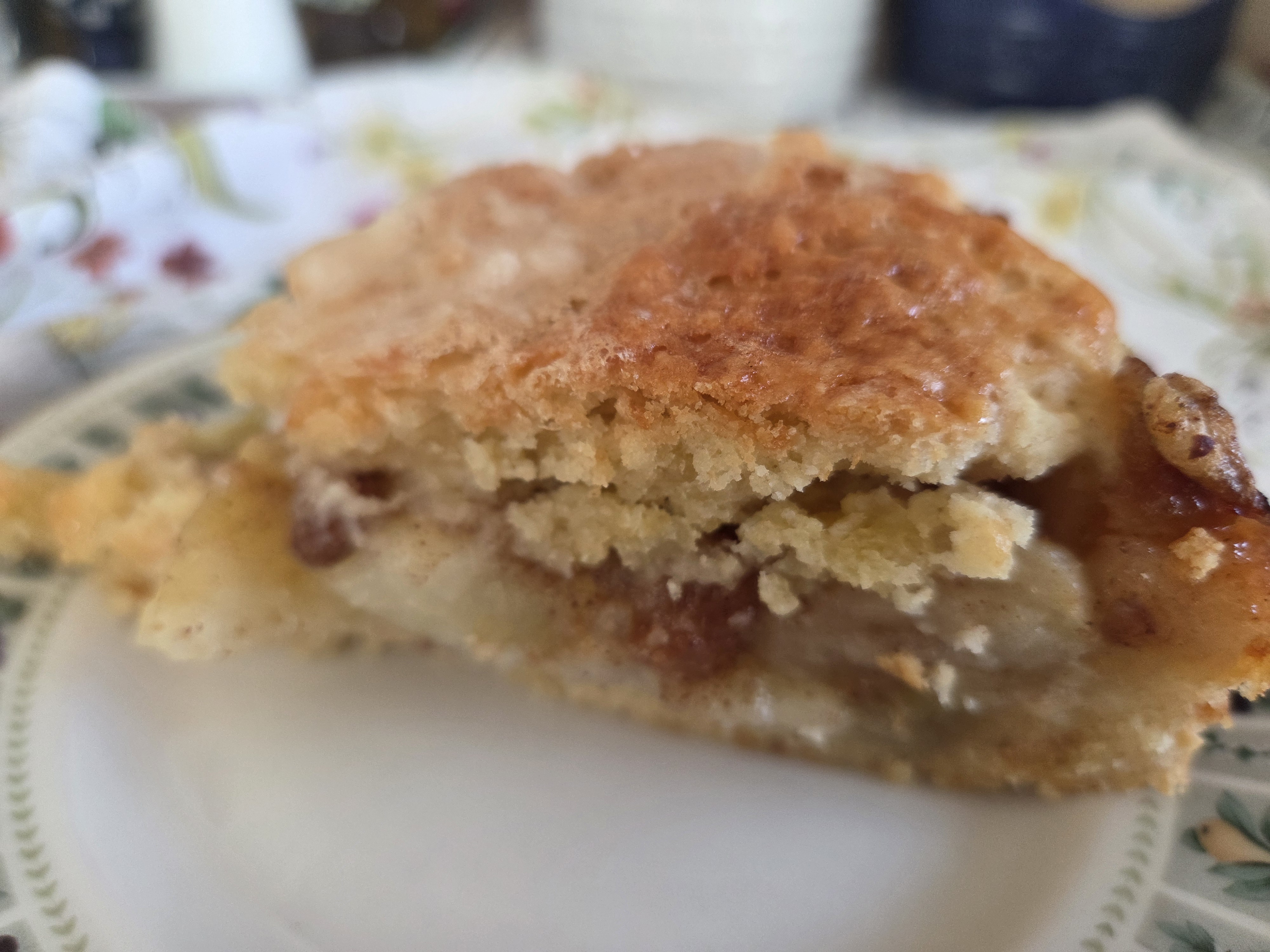
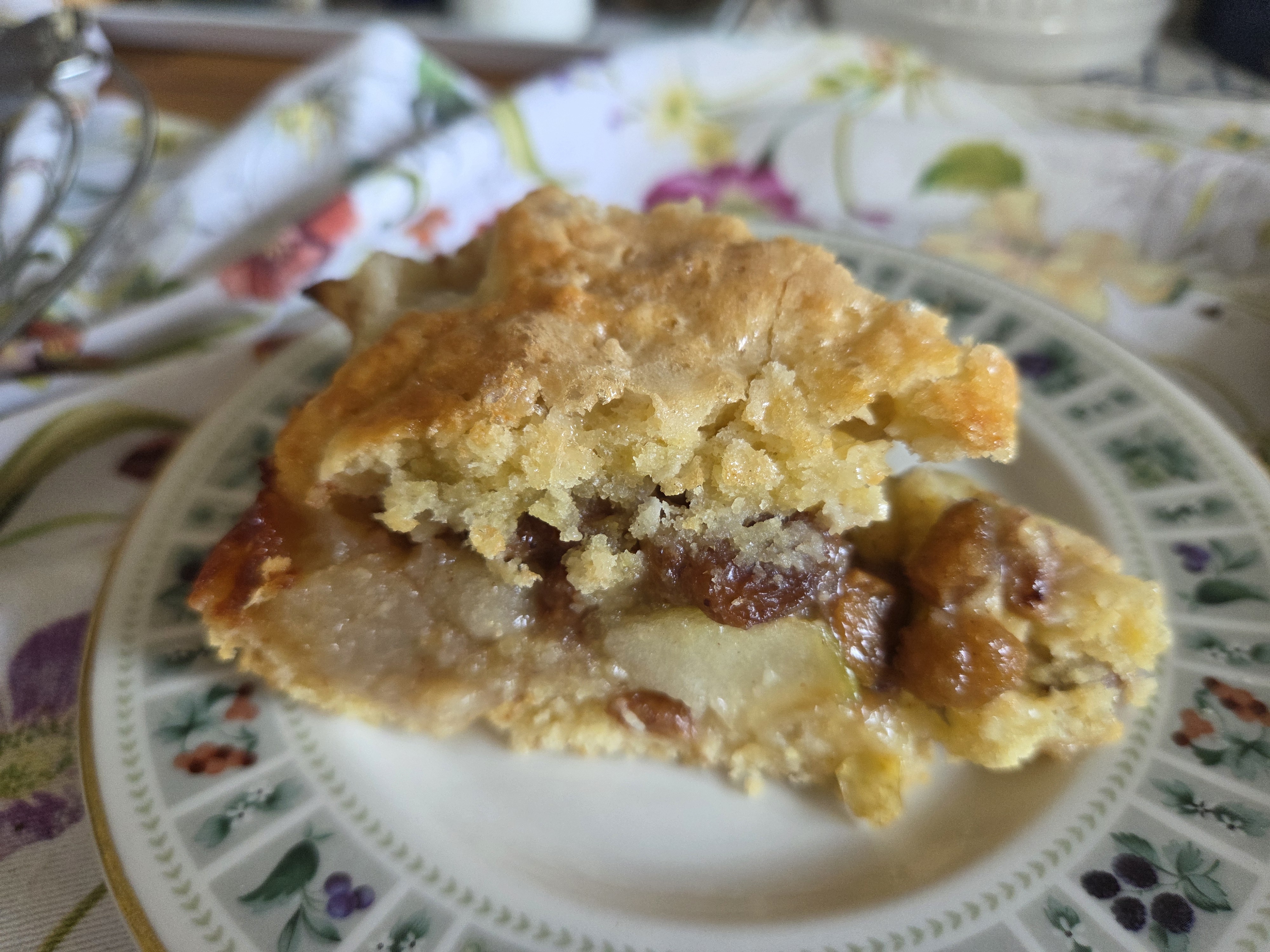
Apricot Crumble Cake

  • I saw a recipe using tinned apricots and a crumble type mix on top.
  • I thought my Mama’s cake dough for apple cake –  jabłecznik –  for the base would be better than the one in the recipe I saw.
  • I think tinned apricots are my favourite tinned fruit.

Ingredients – Base

  • 150g  plain flour
  • 1½ teaspoons of baking powder
  • 100g butter
  • 40g granulated sugar
  • 1 egg yolk
  • 1 or 2 tablespoons of lemon juice or water
  • *
  • 2 tins of apricots – drained – chop each half into four

Ingredients – Topping (kruszonka)

    • 120g plain flour – krupczatka – pastry flour – if you have it.
    • 60g butter
    • 40g granulated sugar

Method – Base

  • You have to use a loose bottom or spring-form tin or you will not be able to get the cake out.
  • I use a loose bottomed anodised aluminium cake tin which is 22cm in diameter and 8cm deep.
  • Grease the tin well.
  • First make the cake base by rubbing the butter into the flour to make crumbs, then stir in the sugar.
  • Add the baking powder and stir.
  • Add the yolk and lemon juice and bring the ingredients together to form a soft dough – do not handle the dough too much.
  • Cover and leave in the fridge for 30 minutes.
  • *
  • Pre heat the oven to GM 4 – 180ºC.
  • Make the dough into a rough flat circle and press it into the base of the tin.
  • Cover the dough with the chopped apricots.

Method – Topping

    • Make the topping by rubbing the butter into the flour to make crumbs and then stir in the sugar.
    • *
    • Sprinkle the topping crumbs over the apricots.
    • Bake in the oven for around  65 – 70 minutes.
    • Leave to cool in the tin.
    • Use a long metal spatula to ease the cake from the side of the tin, then place the cake onto the top of a tin can and slide the side down.

Duchess – Bramble Rose tea plate

Leczo

  • My Polish friend came round and talked about a sauce she had made the night before.
  • I had never heard of it!
  • Maybe it is more popular in different parts of Poland?
  • I did a bit of reseach – it was not in my “Polish Bible”.
  • But I now know it is comes from a sauce that is is popular in Hungary.
  • So of course you can expect red peppers.
  • The following is the recipe from my friend.
  • I will look at some different versions later.

INGREDIENTS

  • 2 red peppers – chopped (yellow or orange – depending on availability).
  • 2 onions – chopped
  • 2 courgettes – chopped
  • 250g Polish sausage eg Silesian – chopped
  • 2 large tomatoes – chopped or 2 tablespoons of tomato purée
  • Sunflower oil for frying
  • A little vegetable stock.
  • Salt & pepper to taste (might not be needed)
  • *
  • 2 cloves garlic – chopped fine
  • 1 teaspoon hot paprika or chilli flakes

METHOD

  • Chop all the ingredients into cubes.
  • Use a large saucepan and add a little oil.
  • Lightly fry the onions.
  • Add the peppers, mix together and carry on frying on a low heat.
  • Add the courgettes and repeat.
  • You might need to add a little stock – do not let it boil dry.
  • Add the sausage, mix and add a little stock.
  • Add the tomatoes or the tomato purée and more stock.
  • With a lid on, simmer gently for around 20 minutes adding stock when needed.
  • Checking and stirring during this time.
  • Season to taste.
  • Add the chopped garlic, hot paprika or chilli flakes before serving.

Usually served with pasta or rice or with Polish potato pancakes (This reminds me of gulasz with potato pancakes.)

I would think of this as a more winter dish in some ways but all the vegetables are around in the late summer.

Some people bottle the vegetable part of this recipe and add the sausage at the end.

Tomato Salad 2

  • This is a variation on my tomato salad, which my friend told me about.
  • Like my tomato salad but with soured cream dressing.
  • Mama never made it like this – maybe it is from a different part of Poland?
  • It tastes very nice.

INGREDIENTS

  • 4 large ripe tomatoes – home grown are the best
  • 1 large onion
  • Juice of 1 lemon
  • 125 – 250ml of soured cream
  • Salt & Pepper to taste
  • Chopped chives or garlic chives to garnish

METHOD

  • Slice the tomatoes thinly.
  • Slice the onion thinly.
  • Mix the tomatoes and onions together.
  • Sprinkle with salt and pepper.
  • Arrange on a dish.
  • Cover with lemon juice.
  • Cover with soured cream to taste.
  • Garnish with chopped chives or garlic chives.
  • Mix the soured cream with the salad as you serve it.

Jam Cake

  • This is based on an English recipe, which originated in a town very near to where I live.
  • It is called Batley Cake.
  • It is a simple recipe a bit like a placek with shortcrust pastry – kruche ciasto –  but with the addition of baking powder
  • I am sure it will be liked very much in Poland.
  • It could be called ciasto z dzemem.
  • I thought the original version had too much sugar in it – so this has been adjusted.
  • Also I increased the amount of jam used and this turned out much better.

INGREDIENTS

  • 250g plain flour
  • 2 teaspoons of baking powder
  • ¼ teaspoon of salt
  • 125g of butter
  • 80g of granulated sugar
  • 1 egg beaten and 1-2 tablespoons of milk
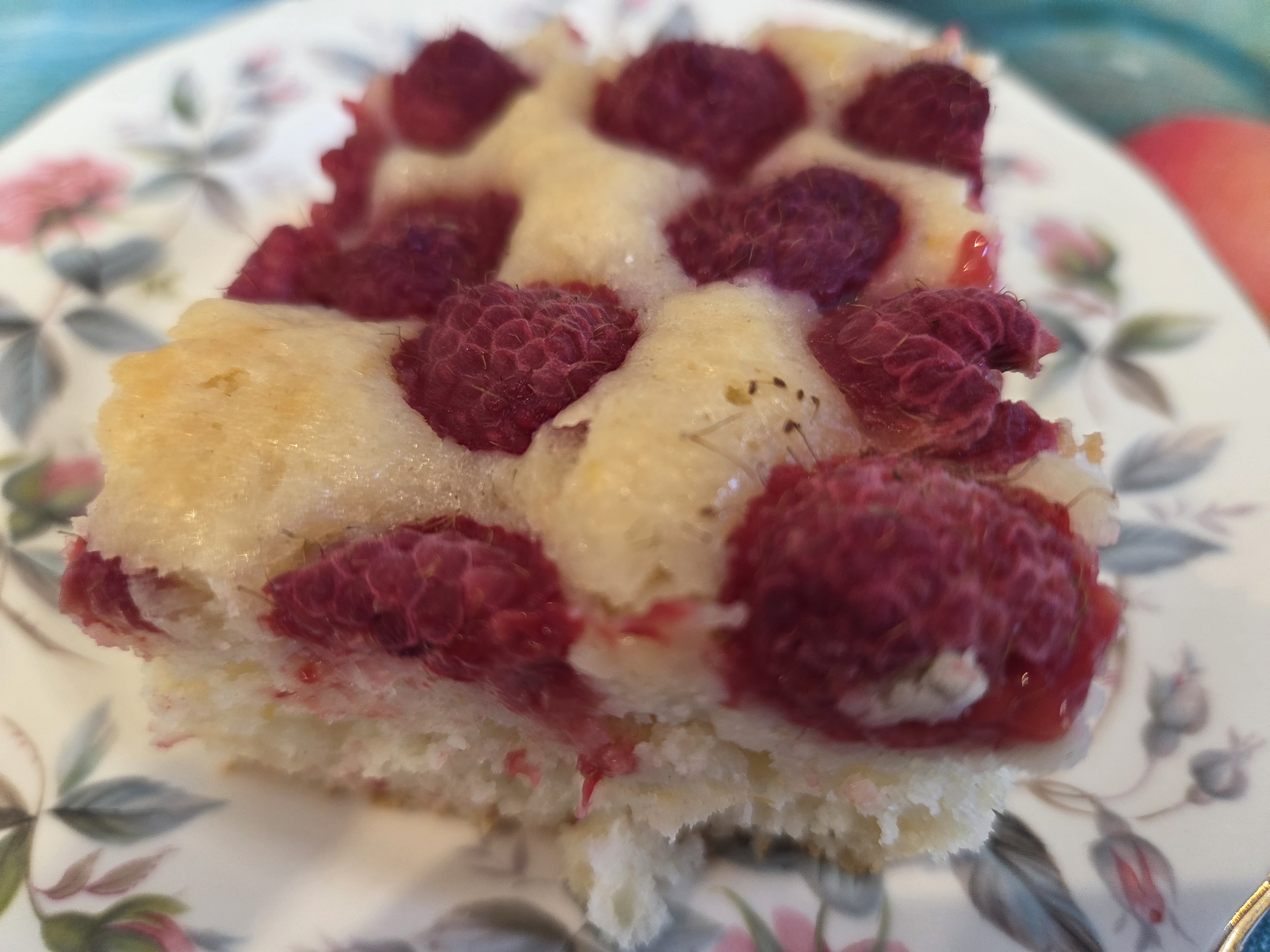
  • 5 – 6 tablespoons of jam (raspberry was used here)
  • *
  • Beaten egg to glaze and 1 tablespoon of granulated sugar.

METHOD

  • Pre-heat the oven to GM4 – 140ºC.
  • Grease and flour a baking sheet.
  • Mix the flour, baking powder and salt together.
  • Rub in the butter until it resembles breadcrumbs.
  • Mix in the sugar.
  • Add the beaten egg and a little milk until you get a soft dough.
  • Divide the dough into two halves.
  • Roll out the halves until you make two circles about 20cm in diameter.
  • Place the first round onto the baking sheet.
  • Spread the jam over this going nearly to the edges.
  • Cover with the over round of cake and pinch the edges together.
  • Brush the top with beaten egg white.
  • Sprinkle the top with the tablespoon of sugar.
  • Bake for 30 – 35 minutes until the top is golden brown.
  • Leave to cool in the tin on a wire rack.

Royal Doulton Counterpoint tea plate

Rhubarb & Custard Cake

  • Today is my Blog Anniversity – I started in 2015 – Can you believe it is 10 years of Blogging?
  • Today is post 676!
  • Still lots of recipes to come in the future – lots of books to look at and lots of recipes from friends and family.
  • Today’s post is inspired by an English combination.
  • Stewed rhubarb and warm custard is often served as a pudding in England.
  • Yesterday I had coffee and cake in a local department store.
  • I tried a piece of Rhubarb & Custard cake thinking I could use this idea.
  • Sadly this cake was not as nice I imagined as I could not taste any custard and the cream was much too sweet; although the rhubarb – rather like a tart jam was good.
  • However I thought I would use this idea to make a cake using  budyń  – thick Polish custard and some cooked rhubarb as fillings.
  • The rhubarb filling has to be made in advance and needs to be cold.
  • Cook the rhubarb until it has lost all its structure – into a pulp – but without any liquid left.
  • It needs to be still a little tart to balance the sweetness of the other ingredients.
  • You need :
  • 2 Sponge cakes – ones using butter
  • Rhubarb filling 
  • Budyń 
  • Icing Sugar to dust

Ingredients

  • 8- 10 stalks of rhubarb
  • 3-4 tablespoons of granulated sugar
  • 4 tablespoons of water (more might be needed)

Method

  • Pre-heat the oven to GM2 – 150°C.
  • Chop the rhubarb into small pieces and place into a roasting tin.
  • Sprinkle with the sugar.
  • Cook for around 40 minutes.
  • Keep checking and add water if necessary.
  • Do not allow the sugar to burn.
  • Cook until the rhubarb is very soft.
  • Mix to a pulp with a fork. 
  • Leave to cool completely.

INGREDIENTS for budyń

  • 500ml milk
  • 1 tablespoon of butter
  • 2-3 tablespoons of granulated sugar
  • 3 egg yolks
  • 3 tablespoons of potato flour (or cornflour)

METHOD for budyń

  • Put 300ml of the milk, the butter and sugar into a saucepan.
  • Heat gently till the butter has melted and the sugar dissolved, stirring all the time.
  • Bring this to the boil for a few seconds and then take off the heat.
  • Blend the potato flour with the rest of the milk (200ml) and with the egg yolks.
  • Add some of the boiled mixture to this and stir well.
  • Add this mixture to the rest of  the boiled mixture and stir well.
  • Put the pan back on the heat and bring back to boiling point, stirring gently.
  • Keep at boiling for 1 minute, stirring all the time.
  • Leave to cool completely.

Ingredients for Cake

  • 4 Eggs
  • Butter
  • Caster Sugar
  • Plain flour
  • 2½ teaspoons of baking powder
  • 2-3 drops of vanilla essence

Method for Cake

  • Grease and line the base of 2 x 21.5cm  sandwich tins. – I find anodised aluminium tins are the best. (my old tins say 8 1/2 inch on the base – 21cm or 22cm would be OK)
  • Pre-heat the oven to GM 4 – 180°c
  • The first thing you have to do is weigh your eggs – complete with their shells.
  • You then weigh out the same amount of  butter, caster sugar and flour.
  • At first I thought this was very strange but now find that it gives a very good way of getting the right proportions no matter what size the eggs are.
  • I heard the late Marguerite Patten in an earlier recorded programme on the radio a few weeks ago saying that Victorian cooks often  used this method. 
  • Cream together the butter and sugar until it is light and fluffy.
  • Add the eggs, one by one whisking again until the the mixture is light and fluffy again.
  • Seive the flour and mix in the baking powder.
  • Fold in the flour with a metal spoon taking not to over mix the mixture and knock out all the air.
  • Divide the mixture evenly between the 2 prepared tins.
  • Bake in the centre of the oven for around 25 to 30 minutes  – the cake should  be golden brown and be clean when a cake tester is used.

Layer up the Cake

  • Place one of the sponge cakes on a glass plate or stand.
  • Spread the rhubarb over the cake up to the edge.
  • Spread all the budyń over the rhubarb up to the edge.
  • Gentle place the second cake on top.
  • Dust lightly with icing sugar.

Pleśniak with Rhubarb

  • I was wondering what to make with some rhubarb I had growing.
  • There was not a great deal so thought about my recipe for pleśniak but using rhubarb and my recipe for placek with rhubarb & meringue.
  • I used a plain layer of shortcrust type pastry –
  • Followed by one with cocoa powder –
  • Then a layer of cooked rhubarb –
  • Then a layer of meringue.
  • The 2 pastry layers are baked first –
  • Then the rhubarb layer and meringue layer put on top and baked.

INGREDIENTS

  • 350g plain flour
  • 175g butter
  • 2 tablespoons of icing sugar
  • Some cold water as needed.
  • *
  • 3 tablespoons of cocoa
  • 2 + 2 egg yolks
  •  
  • 4 whites x 200g icing sugar
  • *
  • Around 8 stalks of rhubarb
  • 2 tablespoons of granulated sugar

METHOD

  • Pre-heat the oven to GM2 – 150°C.
  • Chop the rhubarb into small pieces.
  • Mix with the sugar and place in a roasting tin.
  • Cook in the oven until the rhubarb is soft.
  • Leave to cool – this has to be cold before making the cake.
  • *
  • You can make this the evening before.
  • *****
  • Rub the butter into the flour until like breadcrumbs.
  • Add 2 tablespoons of icing sugar and mix.
  • Divide the mixture into two.
  • *
  • Mix the first half with 2 egg yolks and a little cold water to bring the dough together.
  • Do this gently – do not over mix.
  • Flatten this out into into a rough rectangle.
  • Place into a plastic bag and leave to chill in the fridge for 30 minutes.
  • *
  • To the second half add the cocoa and mix.
  • Add 2 egg yolks and a little cold water to bring the dough together.
  • Do this gently – do not over mix.
  • Flatten this out into into a rough rectangle.
  • Place into a plastic bag and leave to chill in the fridge for 30 minutes.
  • *
  • Pre-heat the oven to GM6- 200°C.
  • Grease and line 3 sides of  a 28 x 21 baking tine using one piece of baking paper.
  • Roll out the plain layer of pastry so it fits the base of the tin.
  • Place the dough into the tin – push out any pieces needed to fill the base.
  • Roll out the cocoa layer and place this on top.
  • Prick the top of the dough.
  • Bake for 30 – 35 minutes.
  • *
  • Leave to go cold.
  • Lower the oven to GM2 – 150°C.
  • *
  • Whisk the egg whites until stiff.
  • Add the icing sugar and whisk again till stiff.
  • *
  • Place the rhubarb over the cooked pastry.
  • Spread it out to near the edges.
  • *
  • Spread the meringue over the top of the rhubarb.
  • Take it to the edges to cover the cake.
  • Bake for around 1 hour.
  • *
  • Leave to cool in the tin.
  • Cut into squares to serve.

Duchess Bramble Rose tea plate.

Easy Gooseberry Cake

  • I love gooseberries but in the last few years I have not seen any fresh ones for sale in the shops near me.
  • I will try the larger markets around me in the next few weeks.
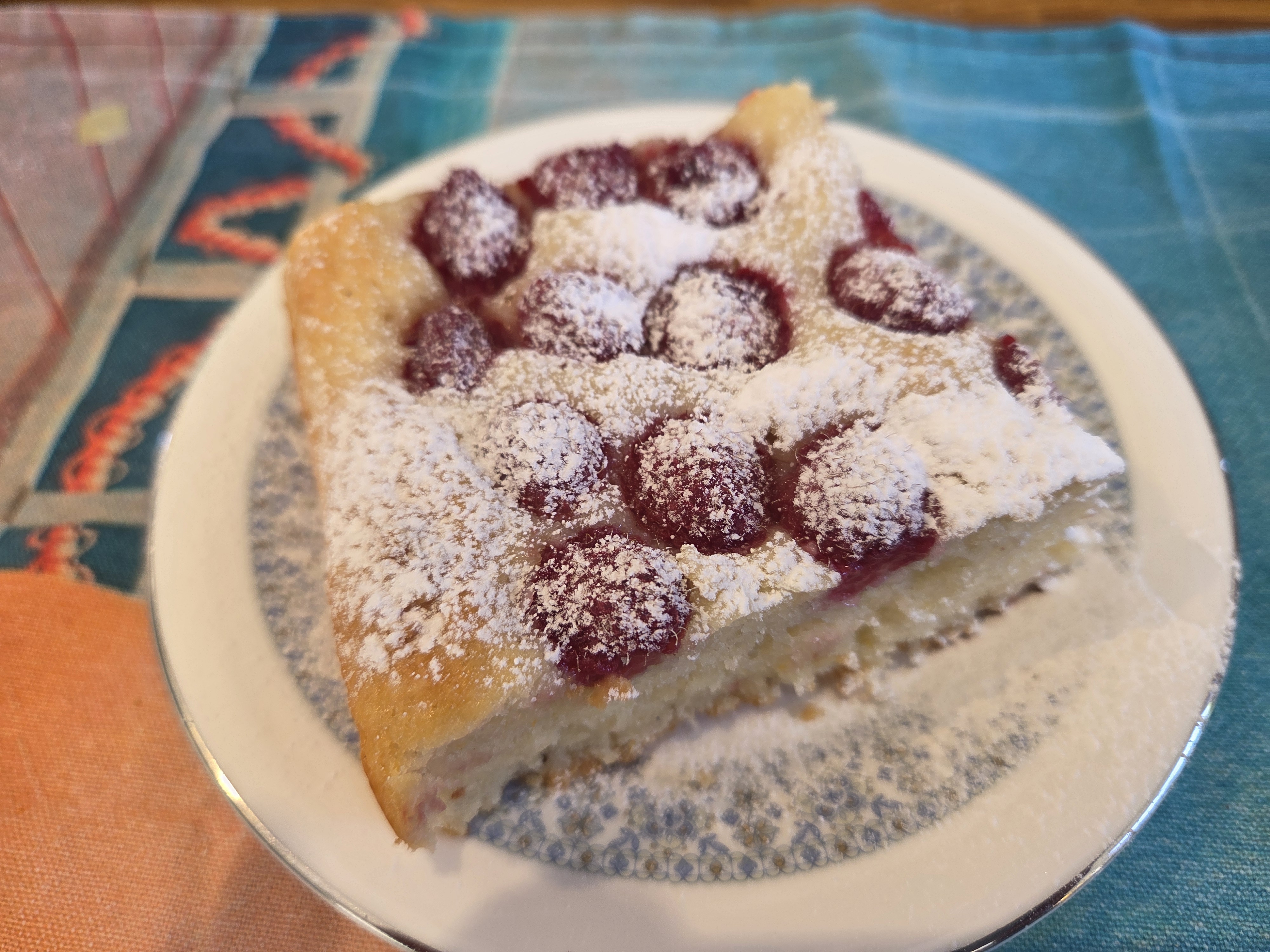
  • I bought some bottled gooseberries in the Polish shop and decided to use these in this cake.
  • I have based this cake on an easy apple cake I made a few years ago and on – 
  • Easy Rhubarb Cake which I posted a few weeks ago.
  • This is based on an American idea with just a free form base and slightly raised sides.
  • Two secrets to success are:
  • 1) NOT have too much pastry and
  • 2) NOT to have loads of filling.
  • Also it is better to use fruit which has been cooked but NOT a “mush”
  • The pastry should be rolled out until it is thin.

Ingredients – pastry

  • 200g flour
  • 100g butter
  • 1 egg yolk
  • Juice of 1 lemon and water or just cold water.
  • *
  • 1 egg yolk – use it all – for sealing
  • *
  • 1 egg white – beaten
  • 1 tablespoon of granulated sugar

Ingredients – filling

  • 1 jar of gooseberries
  • Strain the gooseberries
  • Leave in the sieve for around 30 minutes
  • 1 tablespoon of icing sugar

Method 

  • Rub the butter into the flour until like breadcrumbs.
  • Add the egg yolk and lemon juice and mix to a soft dough.
  • Add more water sparingly if necessary.
  • *
  • Wrap in plastic and leave in the fridge for 30 minutes.
  • *
  • Butter / Grease a large baking sheet.
  • Pre-heat the oven to GM6 – 200°C.
  • *
  • Roll out the pastry thinly until you have a rough circle around 25cm.
  • Place the pastry onto the sheet.
  • Brush the egg yolk over the circle.
  • Place the gooseberries onto the circle.
  • Sprinke the icing sugar over them.
  •  
  • Bring up the sides of the pastry.
  • Brush the sides with the egg white.
  • Sprinkle on the tablespoon of granulated sugar.
  • *
  • Bake for 30-35 minutes until the pastry is golden.
  • Leave to cool on a wire rack.
  • *
  • Sprinkle with icing sugar before serving optional

Duchess – Bramble Rose – Tea Plate

Poppy Seed & Lemon Buns

  • These little buns are based on one of my poppy seed cakes.
  • This amount makes 12 buns made in bun cases.

INGREDIENTS – buns

  • 100g butter
  • 100g granulated sugar
  • 2 eggs
  • 120g plain flour
  • 1 teaspoon of baking powder
  • 3 tablespoons of poppy seeds
  • Fine zest of 1 lemon
  • Juice of 1 lemon

    Topping

  • 1 large lemon – rind pared & juice
  • 50g granulated sugar & 1 tablespoon of granulated sugar

METHOD

  • Pre-heat the oven to GM 4 – 180°C.
  • Cream together the butter, sugar and lemon zest.
  • Add the eggs, one by one and whisk again.
  • Mix the flour with the baking powder.
  • Fold in the flour.
  • Mix in the lemon juice.
  • Fold in the poppy seeds.
  • Divide the mixture between 12 bun cases in a bun tray.
  • Bake for 25 -30 minutes.
  • Leave on a cake rack to cool.
  • *
  • MEANWHILE
  • Take the rind parings and boil them in a little water for 2 minutes.
  • Sieve and dry.
  • Add these to 1 tablespoon of granulated sugar and mix.
  • *
  • Mix the lemon juice with the 50g of granulated sugar.
  • *
  • Divide the topping over the buns.
  • Sprinkle parings over the buns.

Heathcote, made in England, cake plate.

Duchess Bramble Rose Tea Rose

Herring Salad 3

  • This makes a super all in one lunch.
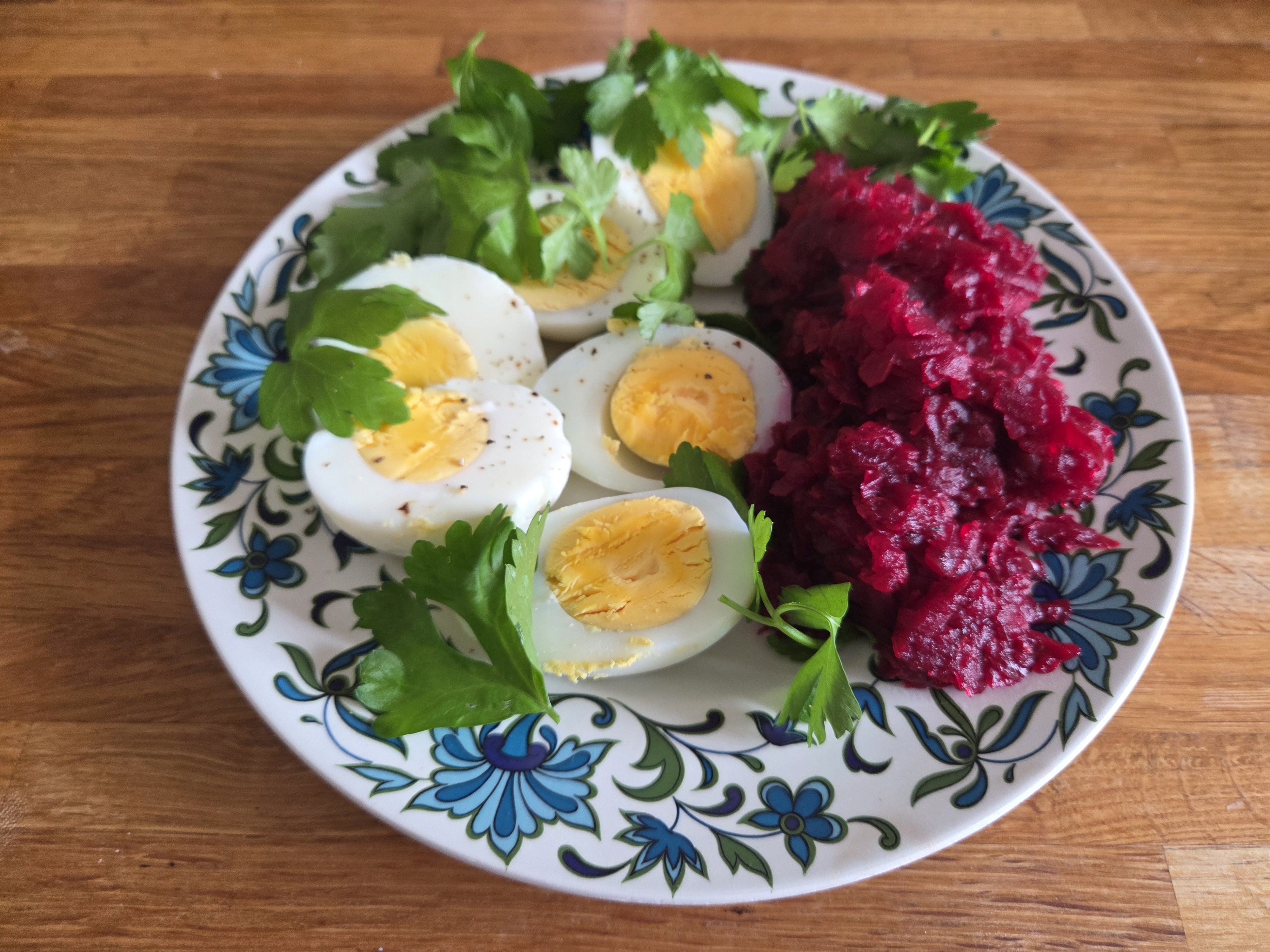
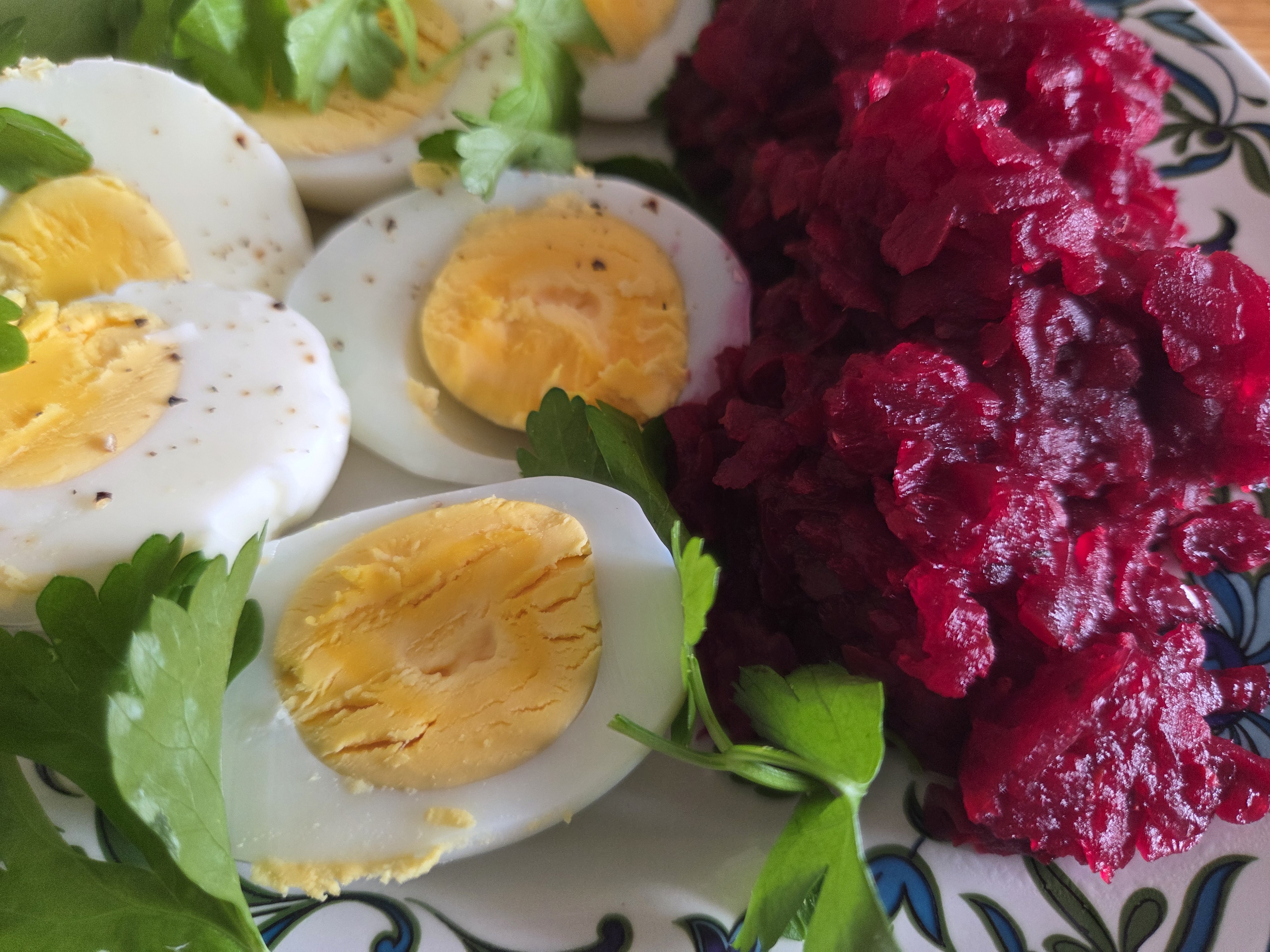
  • It has many classic Polish ingredients: beetroot, hardboiled eggs. herrings and horseradish.
  • The garlic chives grow well in my garden – they are lovely for a garnish – the flowers are super to eat.

INGREDIENTS

  • Shredded lettuce
  • Bottled herrings & the onions
  • Milk to soak the herrings
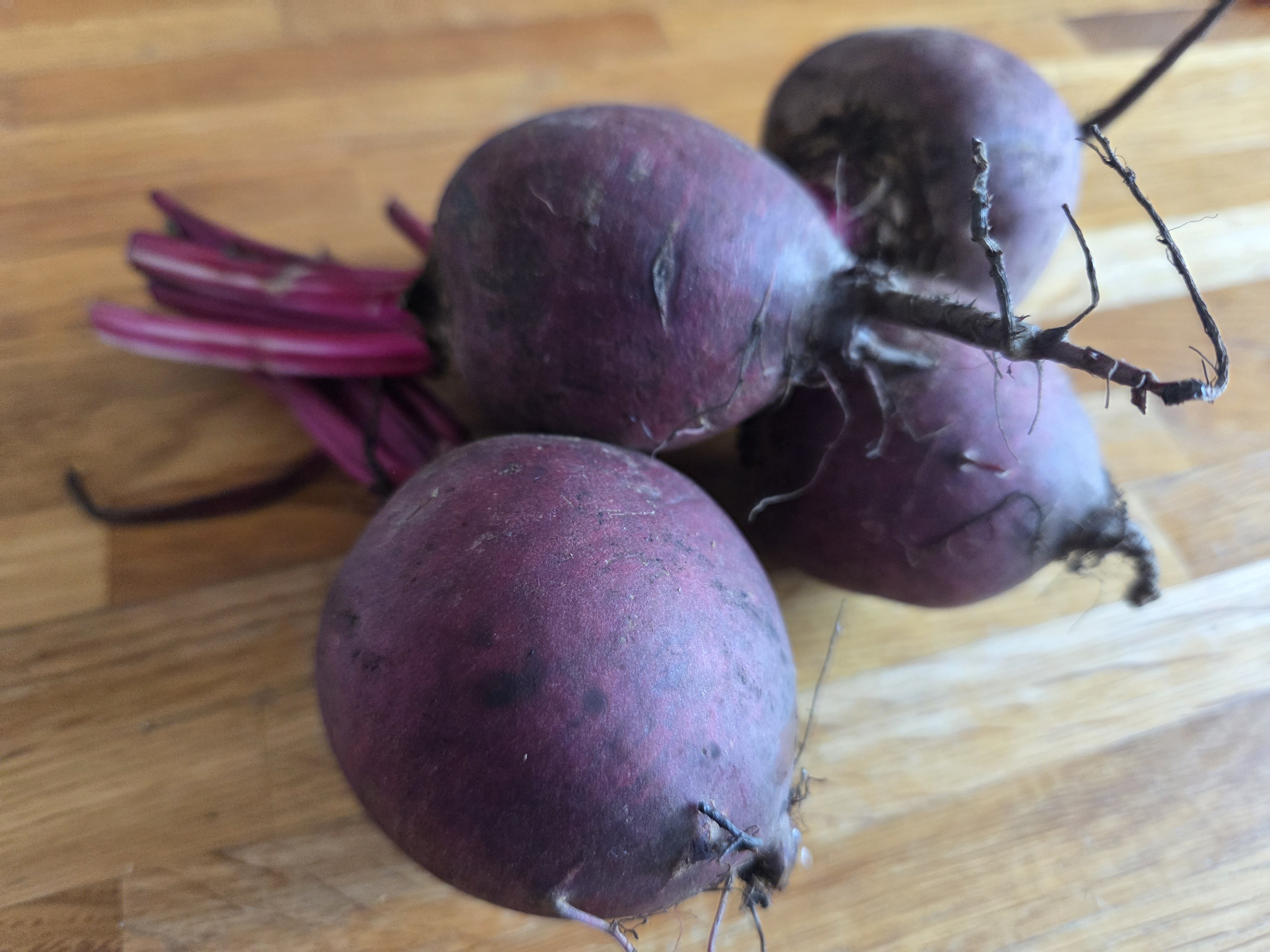
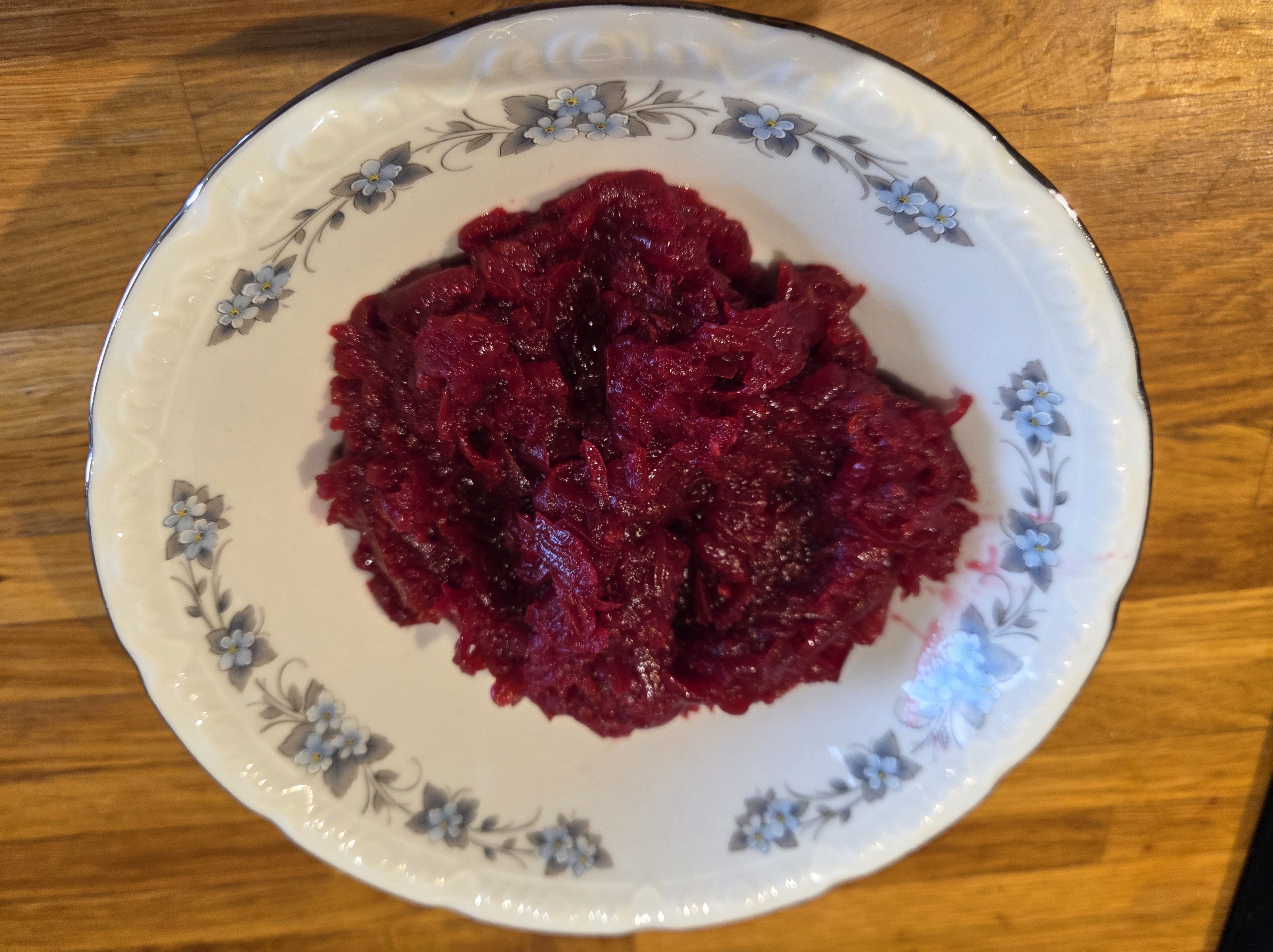
  • 2 large steamed beetroots – peeled and chopped.
  • 4 hardboiled eggs – chopped
  • Juice from 1 lemon.
  • *
  • Flowers from garlic chives (or chopped garlic chives or chives)
  • *
  • Horseradish sauce to serve

METHOD

  • Drain the herrings and onions from the liquid.
  • Soak the herrings in milk for  couple of hours to remove a lot of the salt.
  • Chop the herring into small pieces.
  • In a dish place the shredded lettuce at the bottom.
  • Layer up with the eggs, beetroots, herrings and the onions from the jar.
  • Pour the lemon juice over them.
  • Lightly mix the ingredients.
  • Sprinkle garlic chive flowers over the top if available (or chopped chives)
  • *
  • Serve with a large dollop of horseradish sauce.