Palm Sunday & Holy Saturday

Palm Sunday is the Sunday before Easter and marks the beginning of Holy Week.

Palms are blessed in church on this day to commemorate Christ’s entry into Jerusalem.

Of course palm trees do not grow in Poland and so other plants are substituted. Often pussy willow  is used as the catkins are usually out around this time. My mother always called pussy willow – palma – the Polish for palm.


Picture12


Twigs For Sale in the Old Square in Kraków


Picture11

Palms are also made from  dried grasses and corn which are often dyed to make them colourful or from coloured paper which is rolled and the edges cut to make a fringe.

IMG_20160317_084252377_HDR


IMG_20160317_085832182


IMG_20160317_084304081

In many villages the farmers would make huge palms for the procession completing with each other to see who had the biggest and best.

The Main Square in  Kraków – Decorated with Large Palms


It is still Lent in Holy Week so the food eaten is simple and often meat, butter and egg free. Most baking and cooking done now is to make food to eat at Easter.

As well as going to church services it is a time for houses to undergo a massive clean-up especially inside.

Holy Saturday is the last day of Lent – the day before Easter.

This is the only day in the Catholic year on which Mass is not celebrated.

In Poland there is the tradition on this day to have the food for Easter blessed.

This has its roots in the early medieval church in the 12th Century and the food would have originally  been just bread and eggs.

In times past in villages the priest would have gone around to people’s houses and blessed the food there. Nowadays people bring a basket of food to the church and the food is blessed with Holy Water and is then taken home and not eaten till the Easter Sunday Breakfast.

Once blessed this basket is called święconka meaning  that which has been blessed

The basket is lined with a cloth – often white linen and sometimes embroidered.  A white linen cloth is used to cover the basket. These cloths represent the white shroud in which Jesus was wrapped.

What goes into the basket depends on several factors but hard boiled eggs and bread are usually present. Everything in the basket has a symbolic meaning.

Eggs –  Christ’s Resurrection – a symbol of life.

Bread – Christ as the Bread of Heaven.

Salt –  Preservation & Purification & Zest for Life

Horseradish – The Harsh & Bitter sacrifice of Christ.

Cooked Meat & Sausage – Joy & Abundance of God’s mercy.

Babka – The risen  dough  – this represents the Risen Christ.

Shaped Lamb (butter/cake/bread) – Christ – The Lamb of God -(see Lamb Bread)

Cheese – Moderation.

Butter – End of Lent.

Getting a basket ready to take to Church

IMG_20160317_091427426 IMG_20160317_091412273

IMG_20160314_121021117

IMG_20160314_121012463


IMG_20160209_170105296

IMG_20160302_063114078


IMG_20160314_121030337


IMG_20160301_080227533


Picture33 Picture23


See Babka


IMG_20160314_121136387


IMG_20160314_121150500


People coming & going to church in Kraków with baskets of food.


Food for sale for Easter in Kraków.

Picture17

Picture22

The special meal at Easter in Poland is the Easter Breakfast –  although it is a lot later than a normal breakfast being usually around 11am

This meal is a cold buffet and includes the food that was blessed in church on Easter Saturday.

The hard boiled eggs are cut up into quarters or eighths and they are shared between everyone present  at the start of the meal.

POSTSCRIPT

Since posting I received the following photographs from my friend in Leeds who is The Director of the Polish Saturday School.

Sugar Lambs to go in the basket for blessing.


Salt Dough Lambs – made for the Easter Fair


à la Polonaise

Polish Style

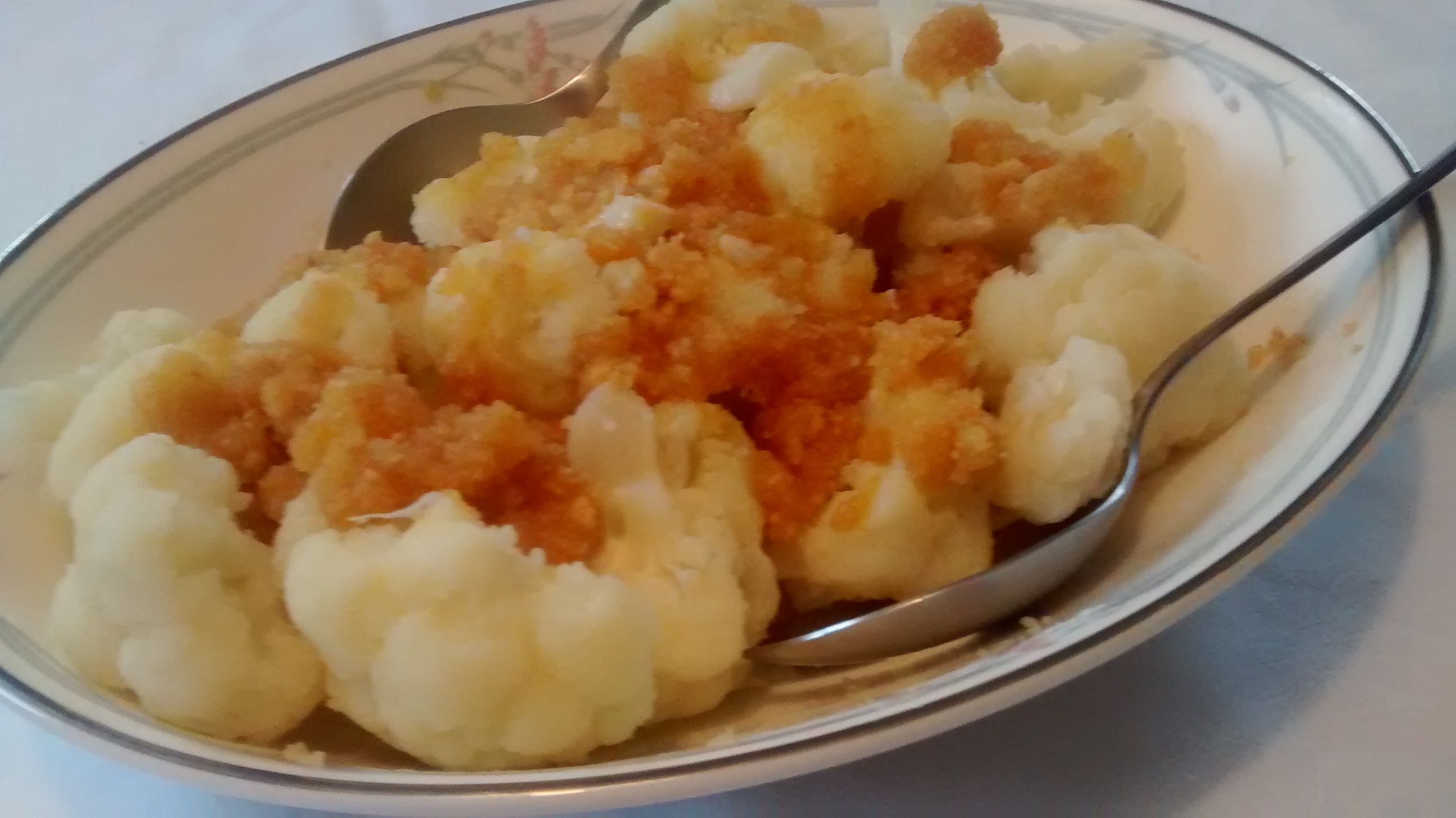
I was well into my 20s before I realised that there was a special French culinary phrase to describe, what to me, was just the regular topping that my mother and aunties put onto certain cooked vegetables.

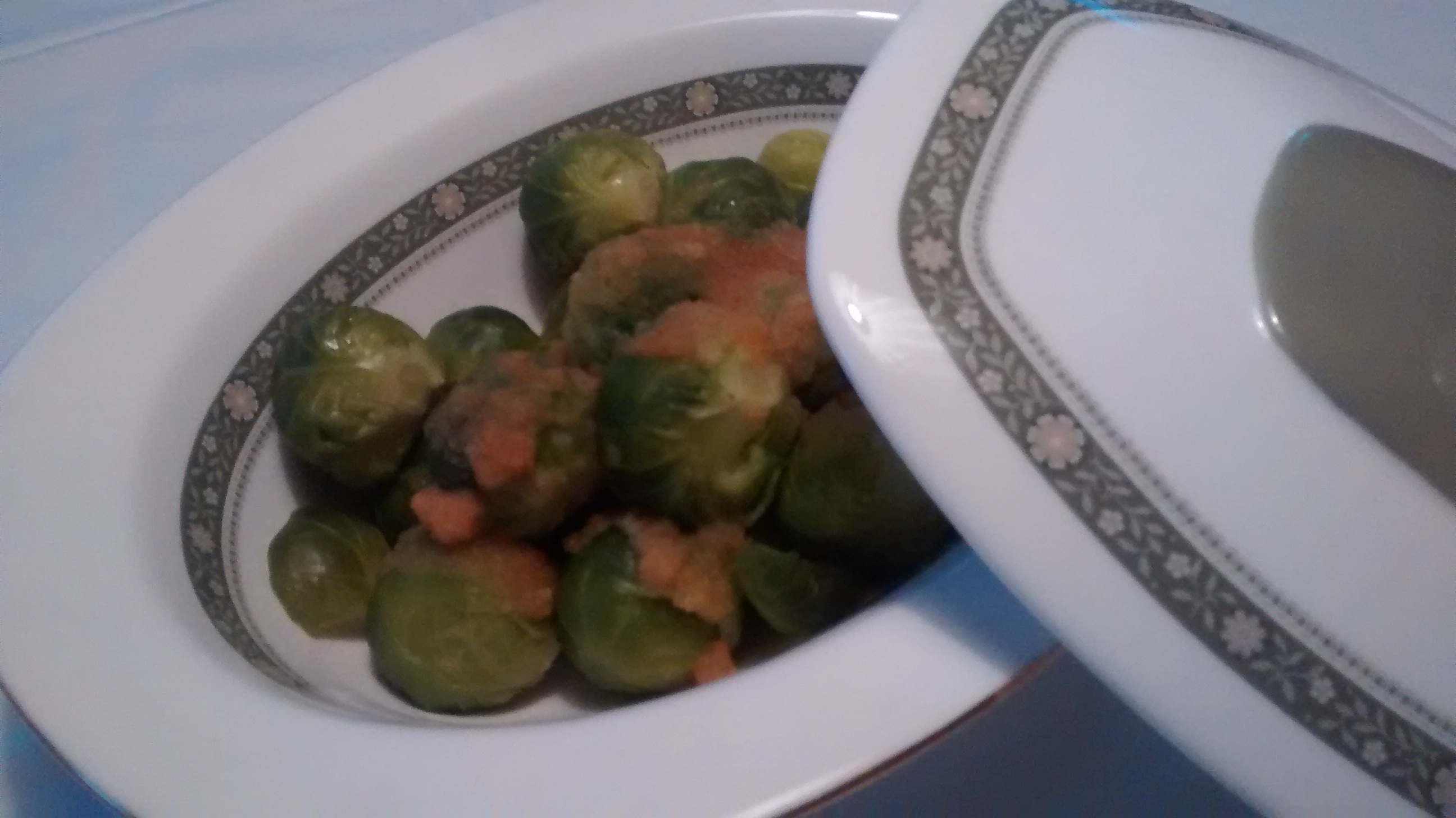
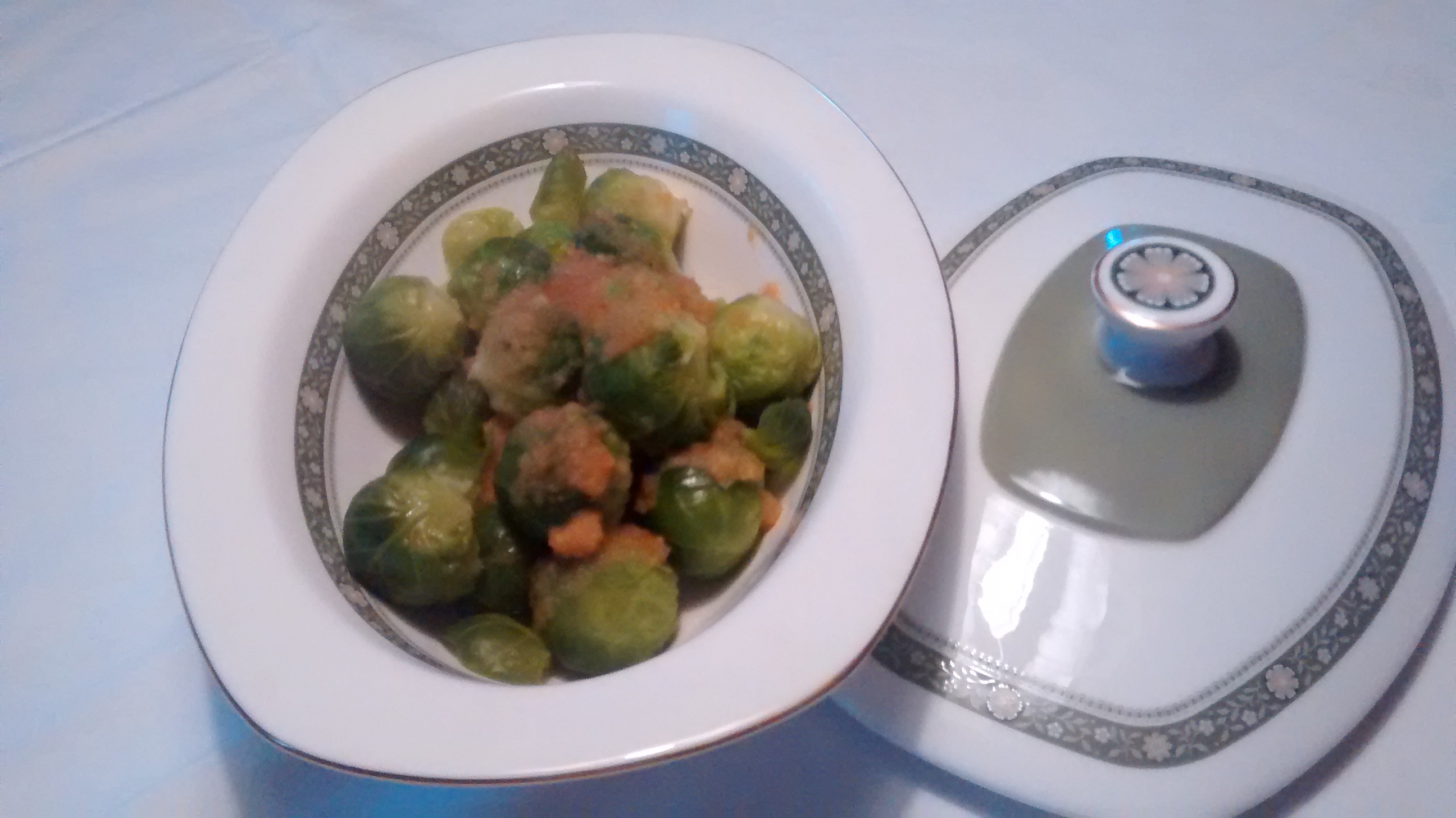
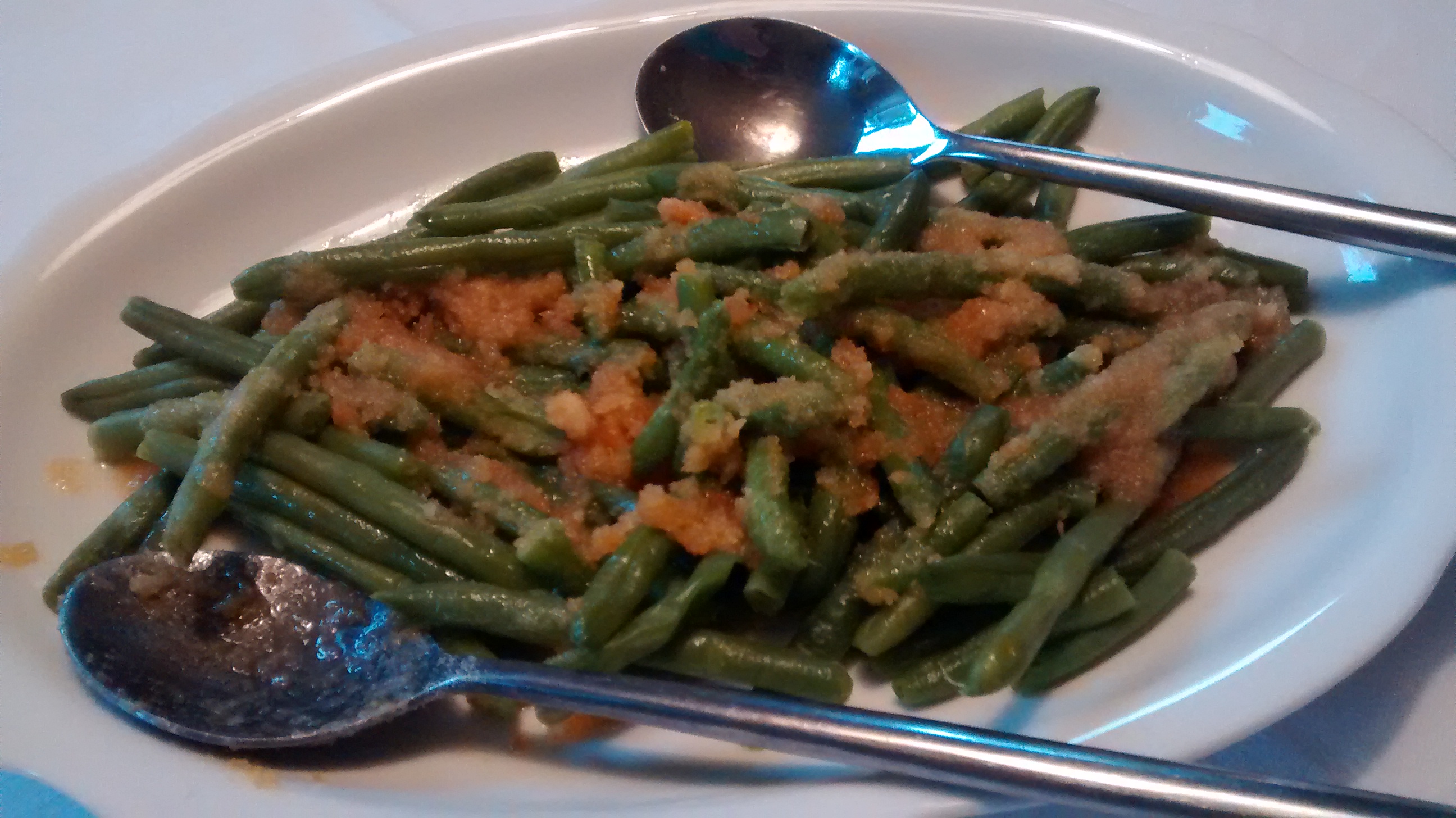
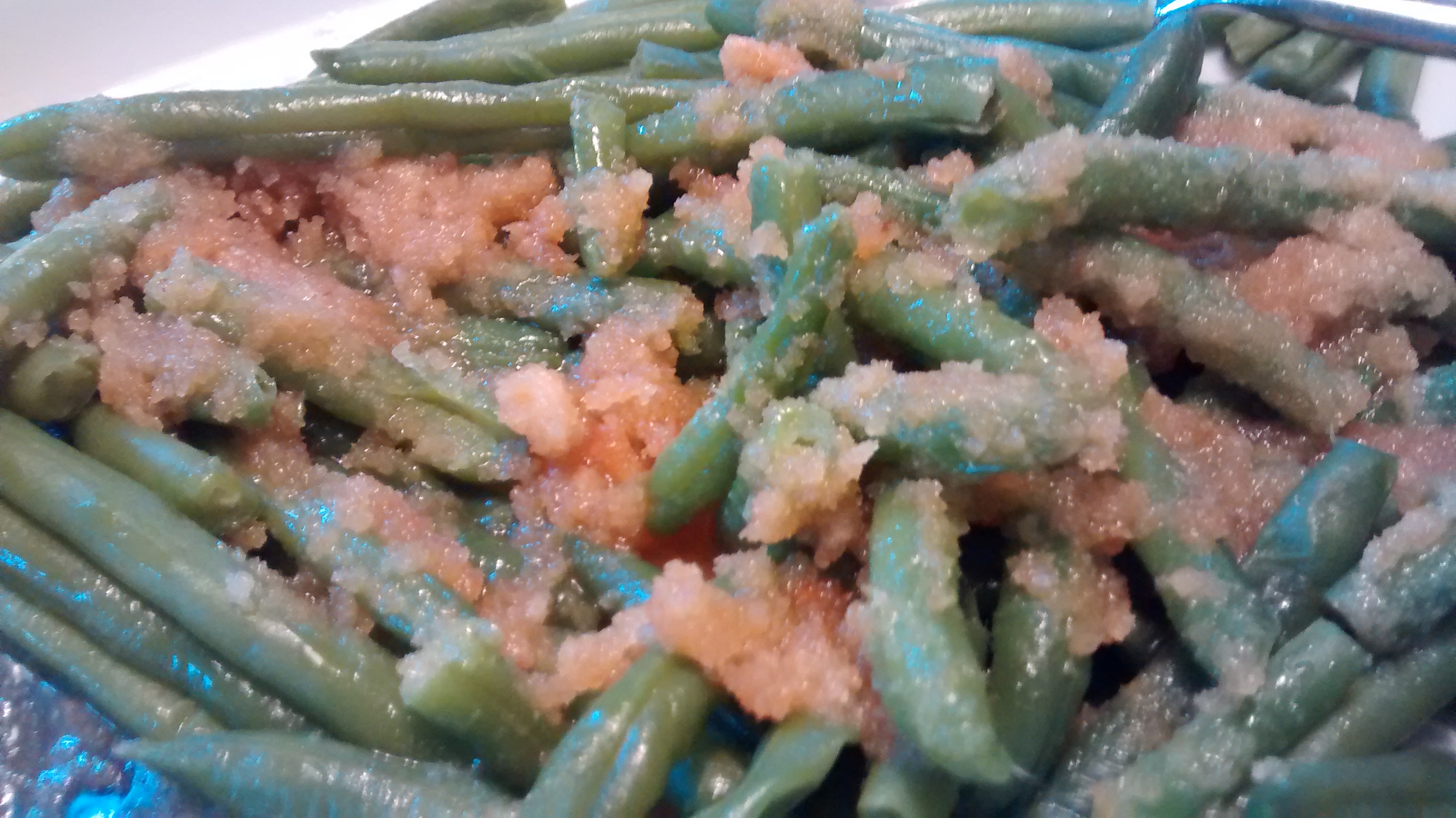
Within my family I had never been served cauliflower, Brussels sprouts  or whole green beans without a lovely crispy buttery breadcrumb mixture.

I have not discovered when this term was first used in France but some sources think it might have come into use in the early part of the 19th century when many Polish political émigrés came to France and in particular Paris.

Method for the Vegetables

Cook your cauliflower, Brussels sprouts or whole green bean in whatever way you like best.

You can if you wish cook the cauliflower whole – this can have quite a good effect when served.

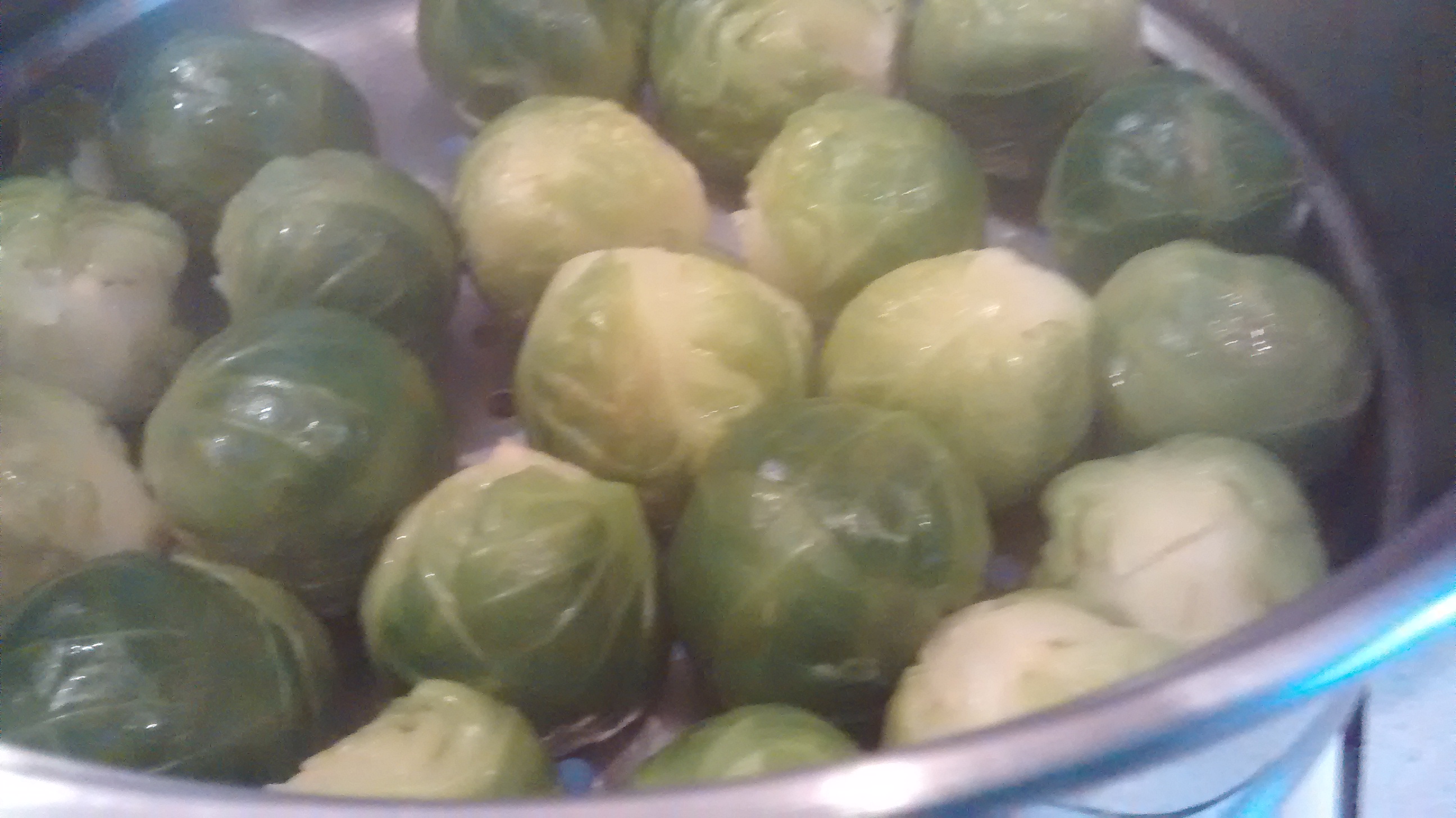
I like to steam the vegetables as I find I can get them just right – cooked – but still with a bit of bite this way.

IMG_20151107_162341255(1)
Steamed Brussels Sprouts

Place the cooked (and drained if necessary) vegetables in a serving dish.

Pour the buttery topping over the vegetables.

You will get a buttery crunchy taste which is a contrast to the vegetables.

Method for the  à la Polonaise topping

IMG_20150817_175613101
Butter & Breadcrumbs
IMG_20150917_100045291
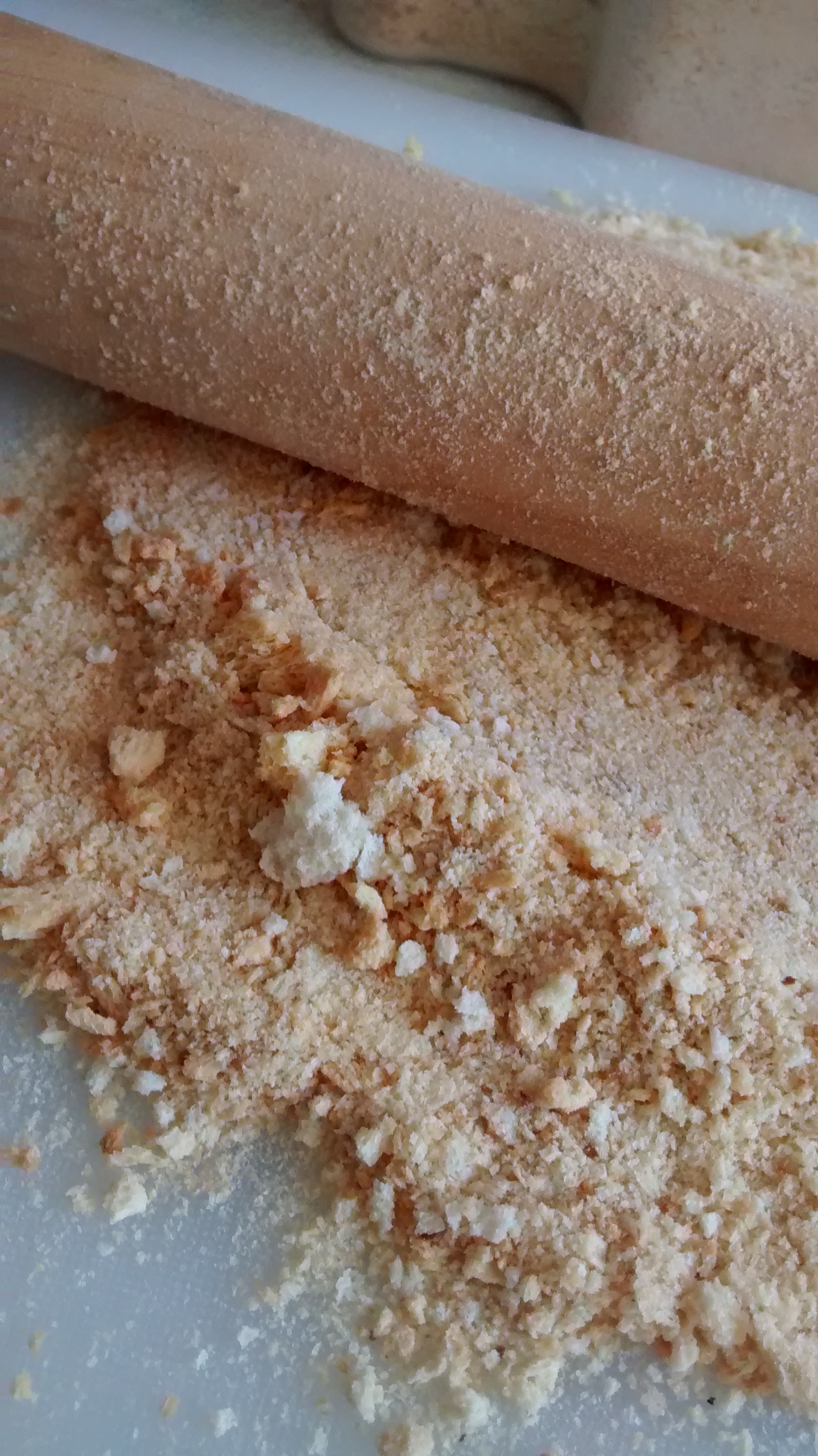
Preparing the Breadcrumbs


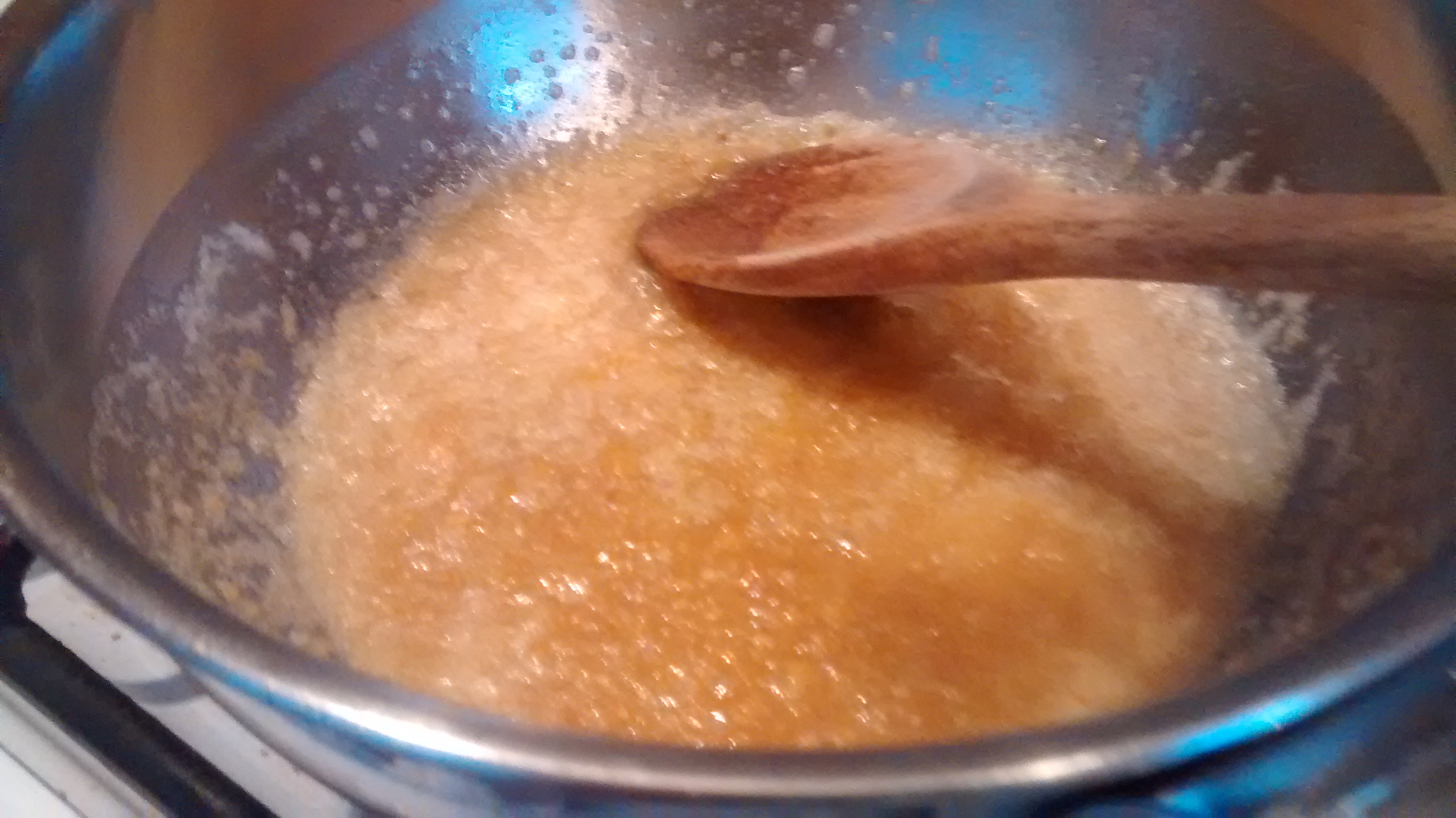
The topping is made by melting in a saucepan 2 to 3 tablespoonfuls of butter.

(If you use unsalted butter then add a pinch or two of salt)

IMG_20151103_130608867
Melting the Butter


Add to this around 2 tablespoonfuls of dried breadcrumbs and keep on the heat and stir for a few minutes.

IMG_20150917_100045291
Preparing the Breadcrumbs
IMG_20151107_162253272
Butter & Breadcrumbs


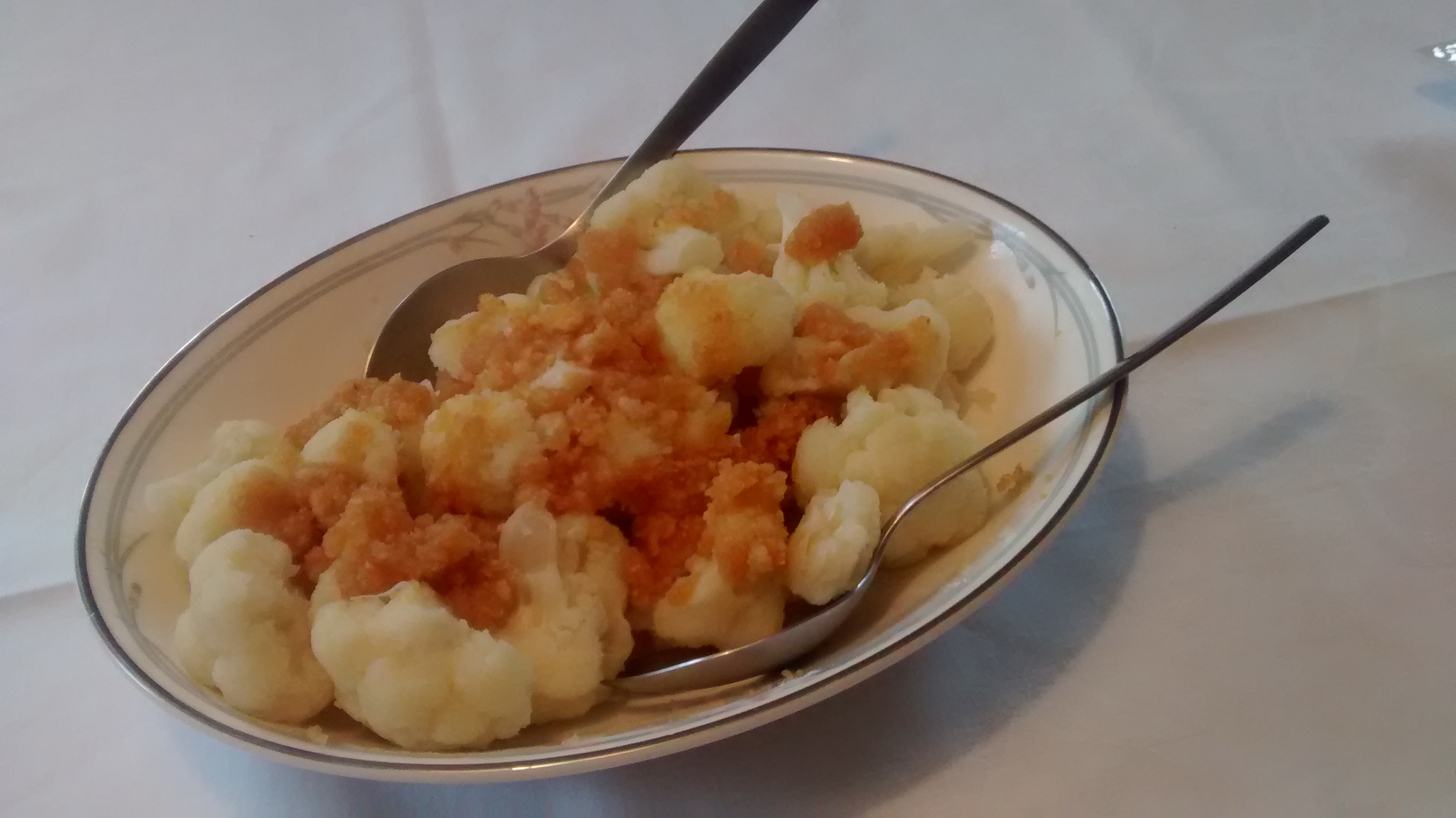
Pour the buttery mix over the vegetables.

Cauliflower à la Polonaise – served in a Royal Doulton serving dish. The pattern is Carnation produced from 1982 to 1998.

IMG_20150817_180508527

IMG_20150817_180458373

Brussels Sprouts à la Polonaise – served in a Royal Doulton serving dish. The pattern is Roundelay produced from 1970 to 1997.

IMG_20151107_162502658

IMG_20151107_162635204

IMG_20151107_162553021

IMG_20151107_161529233
Royal Doulton – Roundelay

Whole green beans à la Polonaise

IMG_20151103_131204846

IMG_20151103_131159481

Added Note

IMG_20150902_161945936

IMG_20150902_161243414

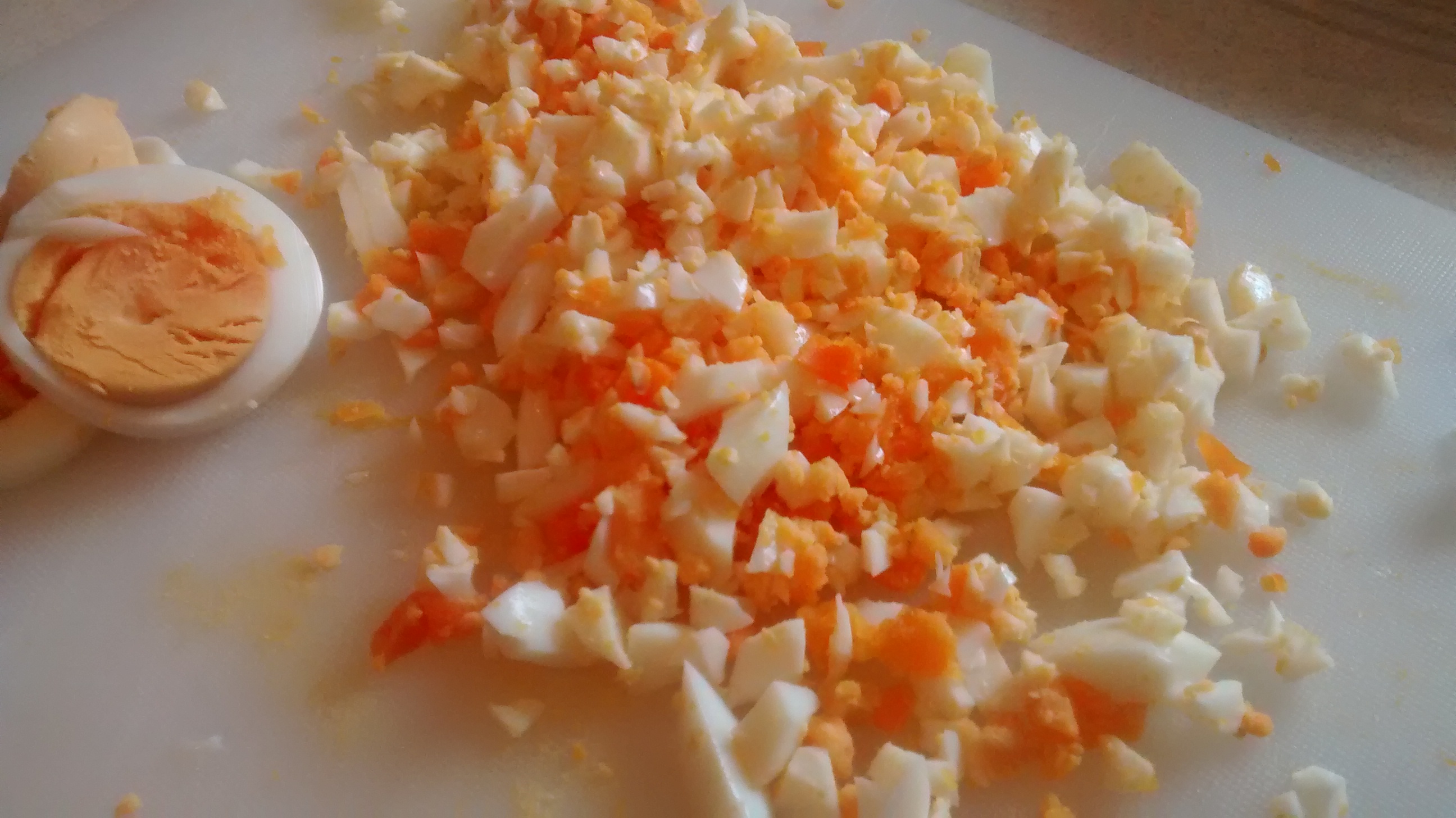
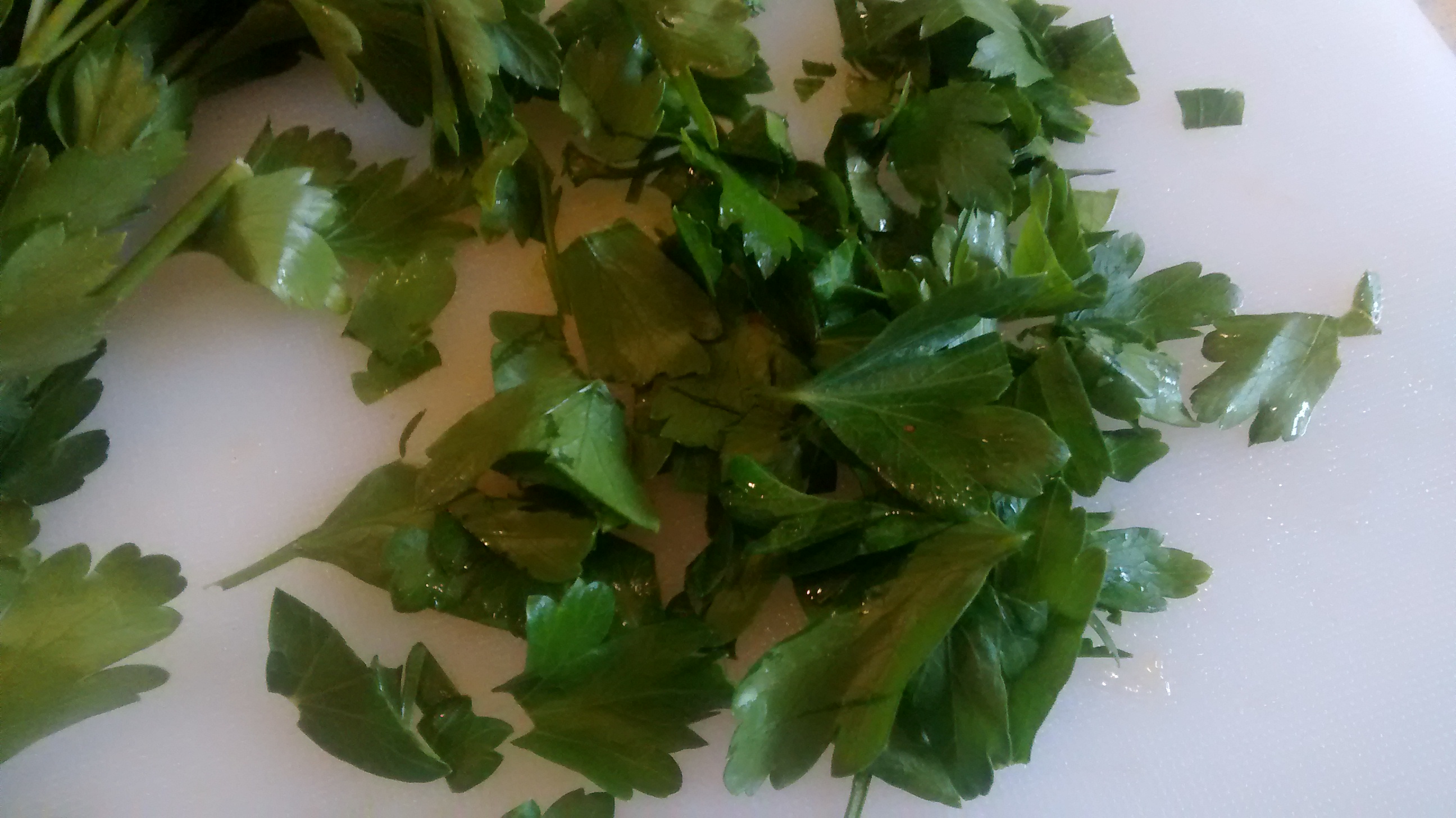
Some cookery books say that chopped hard boiled eggs and chopped flat leaf parsley are added to the topping.

Personally I have not found this to be usually so, although chopped hard boiled eggs are added to many salads and to certain soups in Poland and chopped flat leafed parsley is very often used as a garnish.

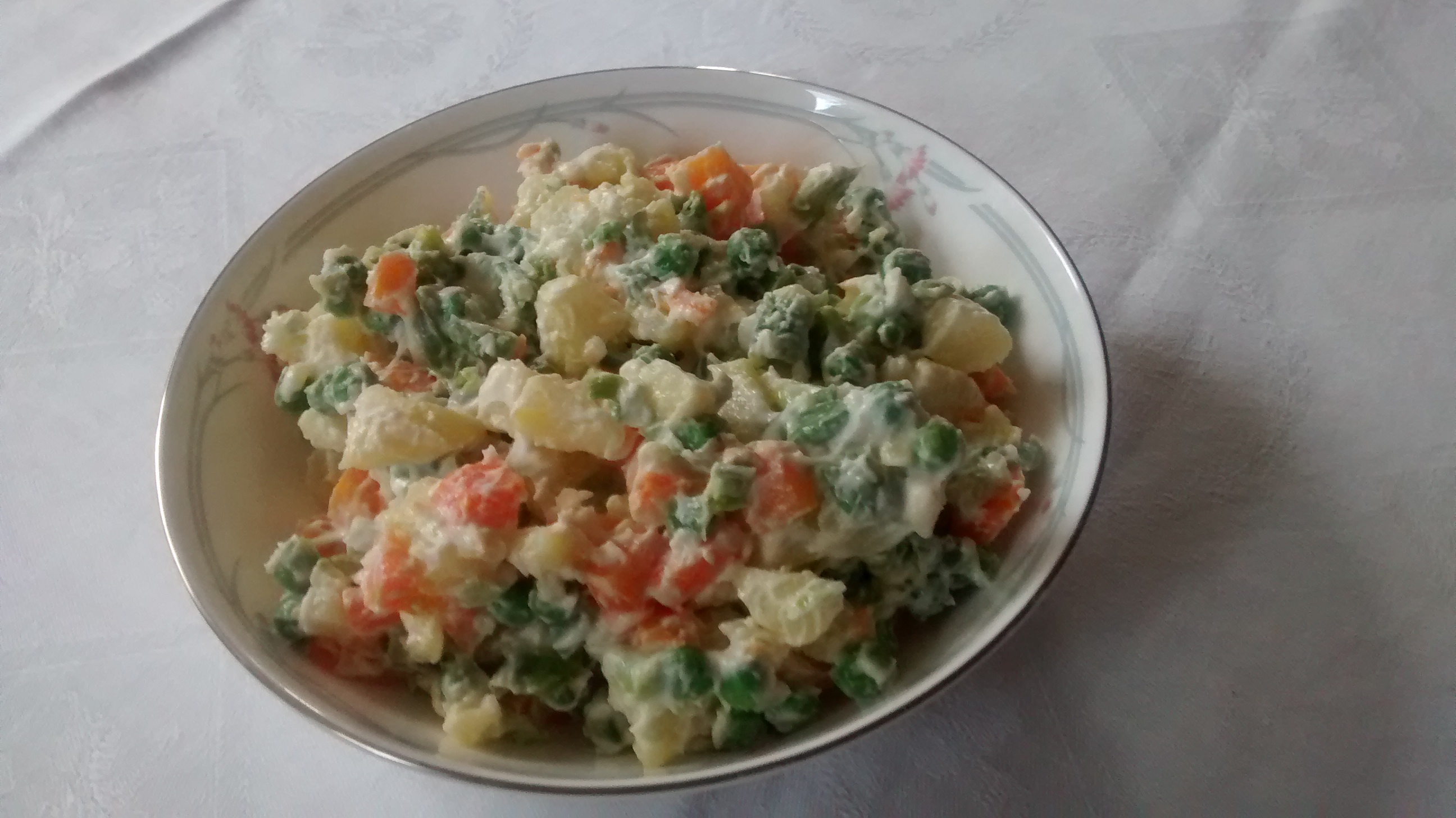
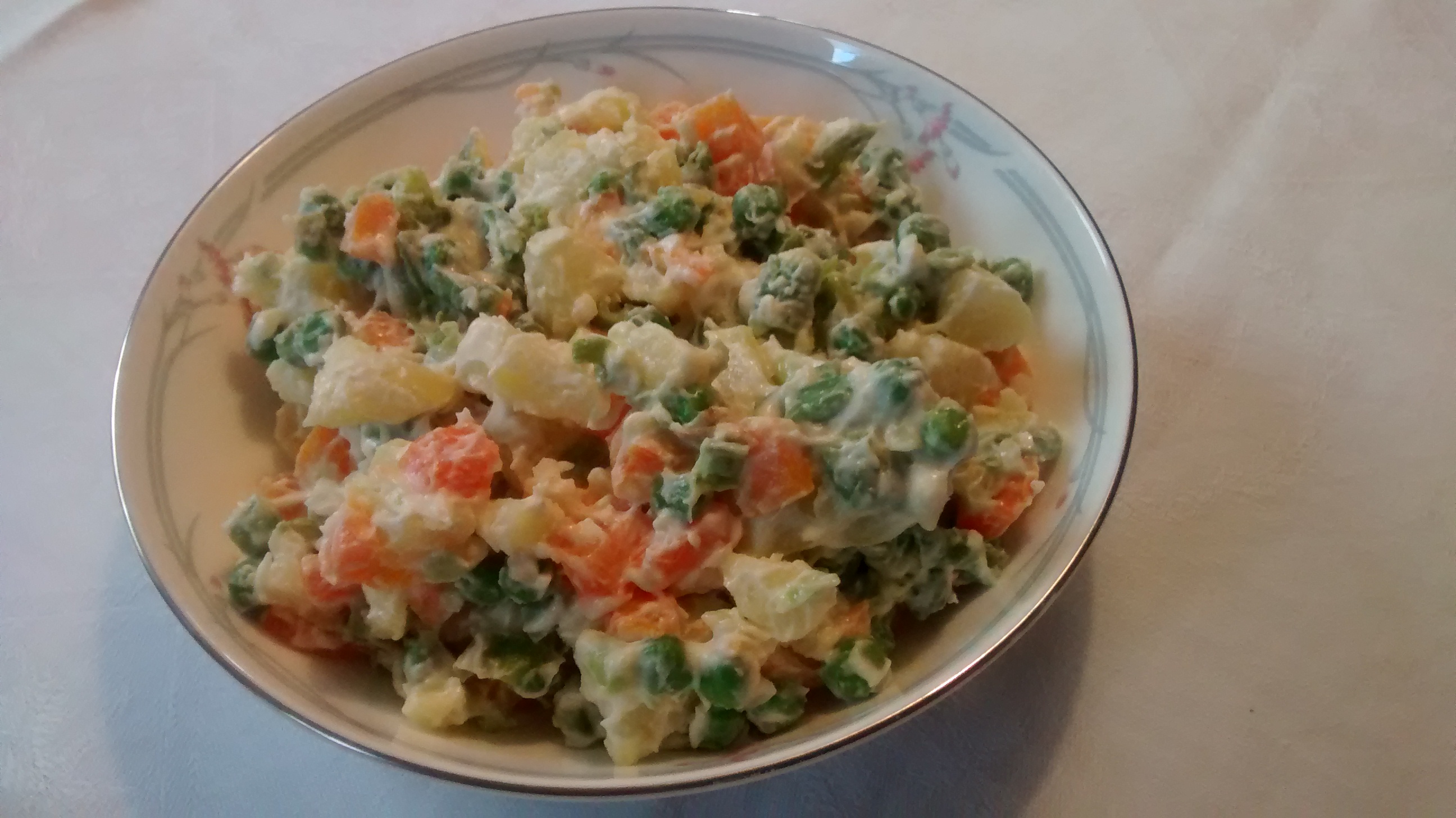
Polish Mixed Vegetable Salad

Before the days of shops that sell fresh and frozen produce all year round from all over the world, this salad could be made in the autumn and winter using bottled or tinned vegetables.

This salad is made using mainly cooked chopped vegetables and the aim is to make it colourful and to balance the colours and size of the ingredients.

The main three colours are white, green and orange.

IMG_20150826_184257660
Salad in a Royal Doulton Dish – Carnation – 1982 to 1998

White

The white is achieved from: potatoes, celeriac or  white beans such as haricot or cannellini  or even tinned baked beans with the sauce rinsed off.

Green

The green is achieved from peas , whole green beans or gherkins. I use frozen peas or whole green beans.

Orange

The orange is achieved from carrots or bottled paprika.

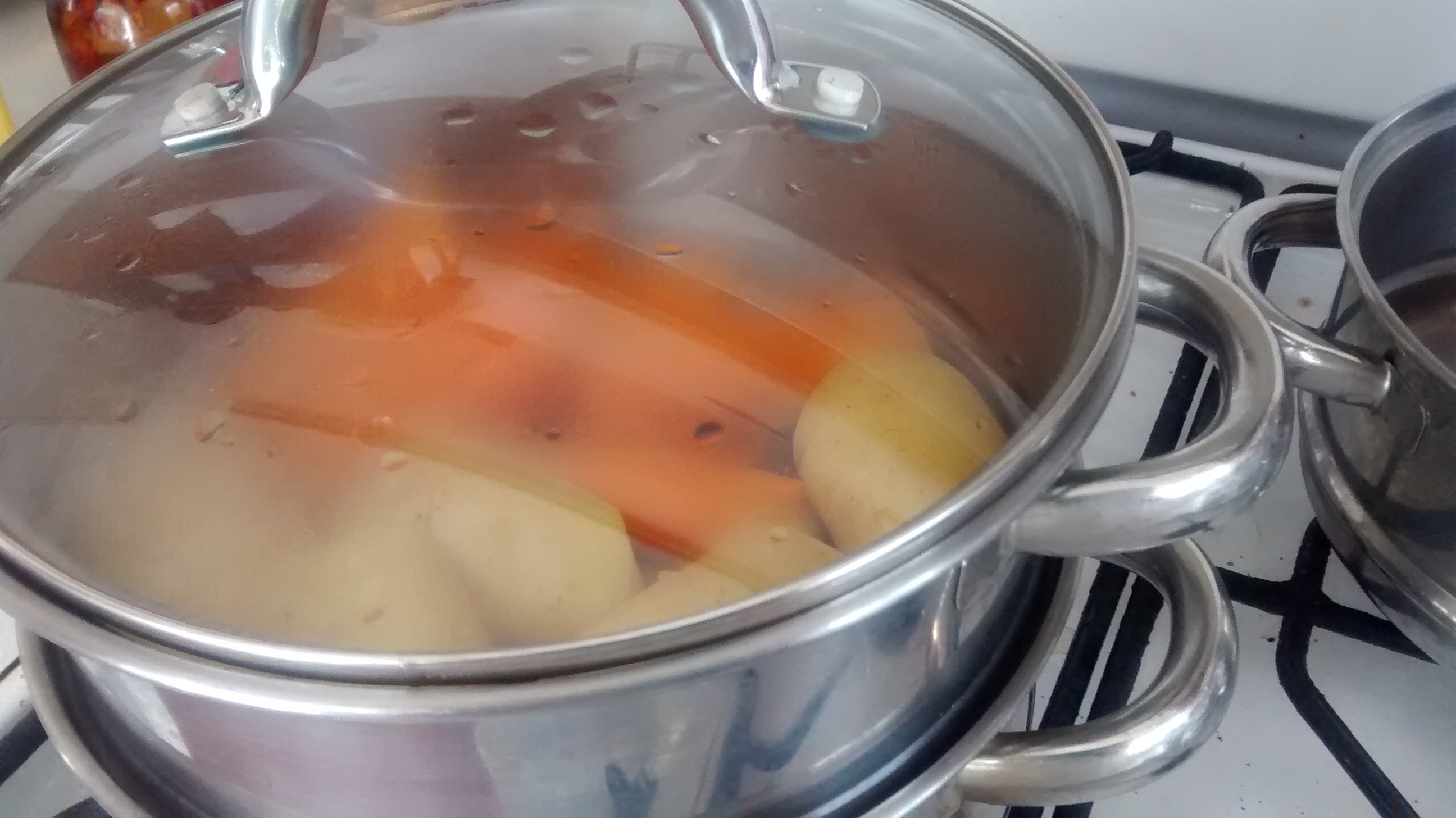
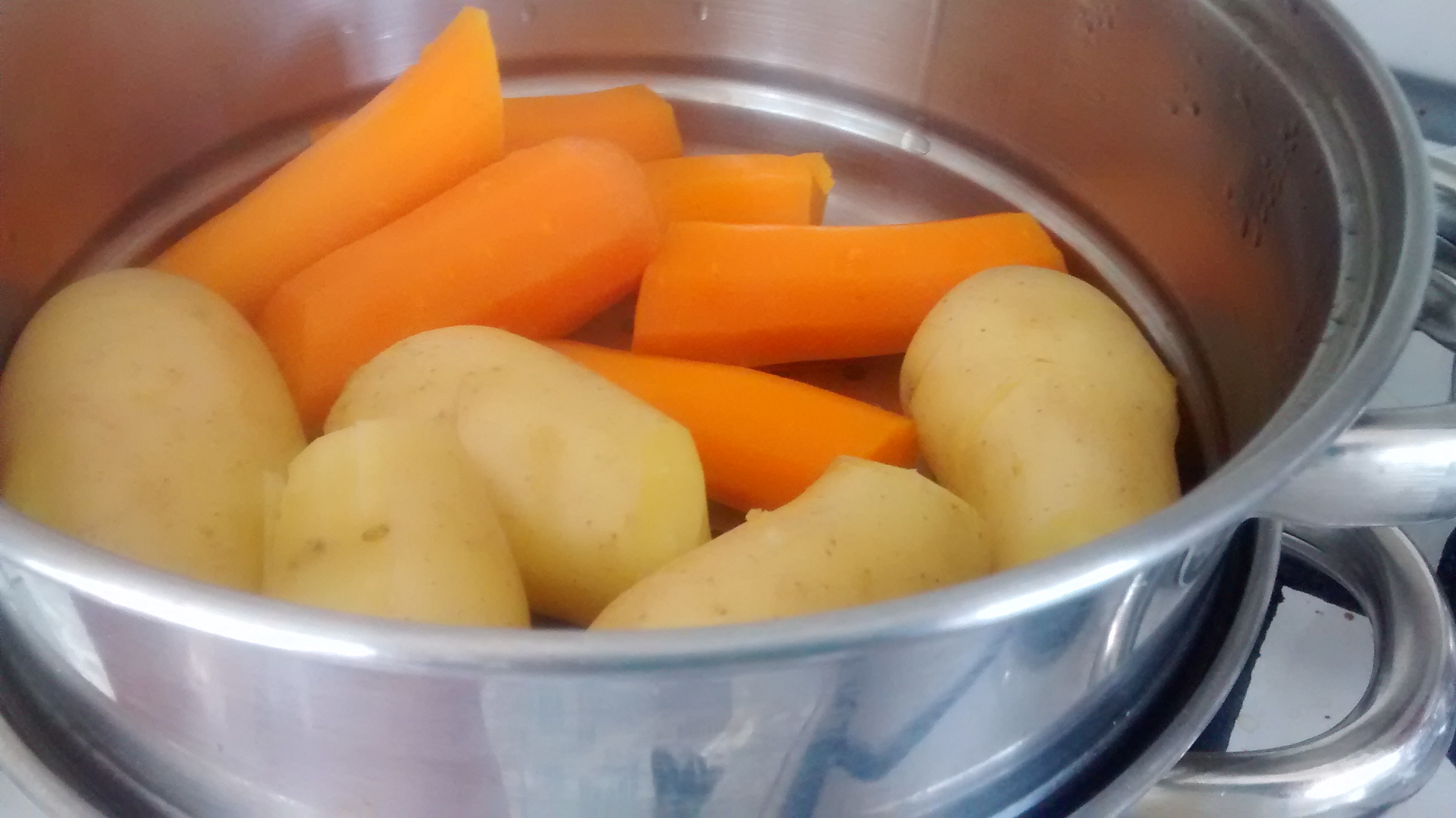
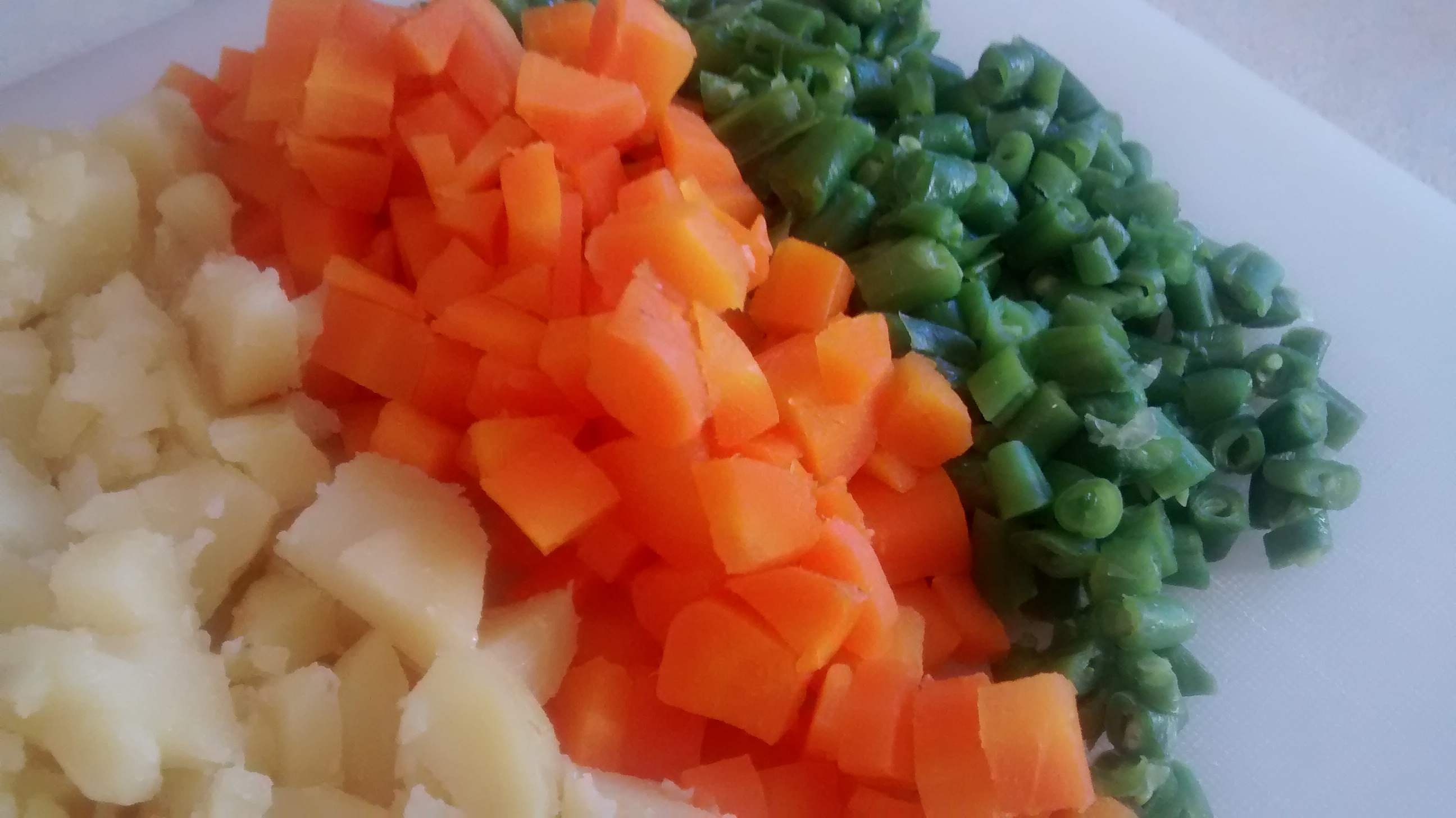
The following salad was made from potatoes, carrots and whole green beans which were cooked before assembling.

IMG_20150826_153017563
Steam the Potatoes and Carrots

IMG_20150826_153001188

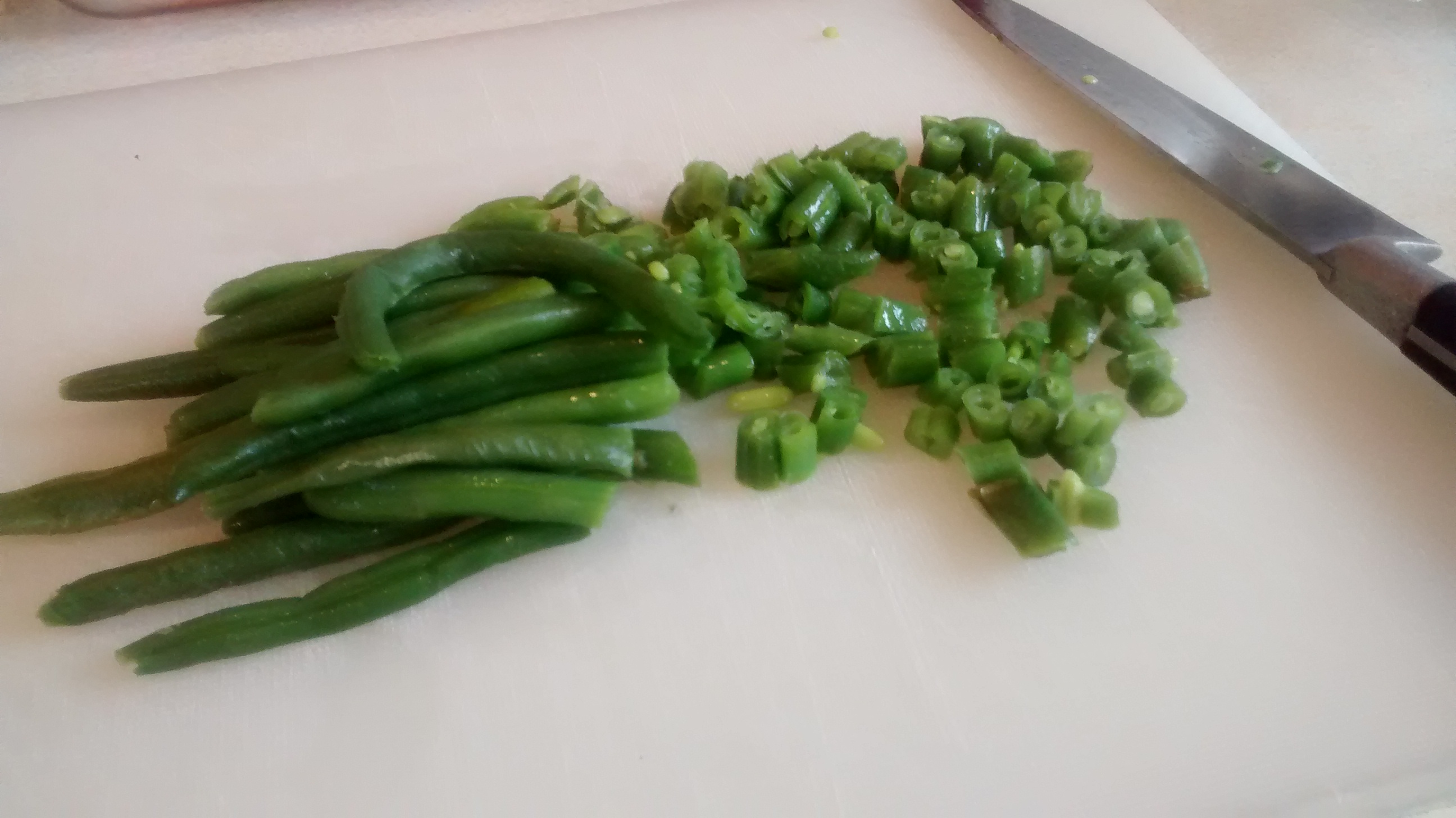
Boil or steam the whole green beans.

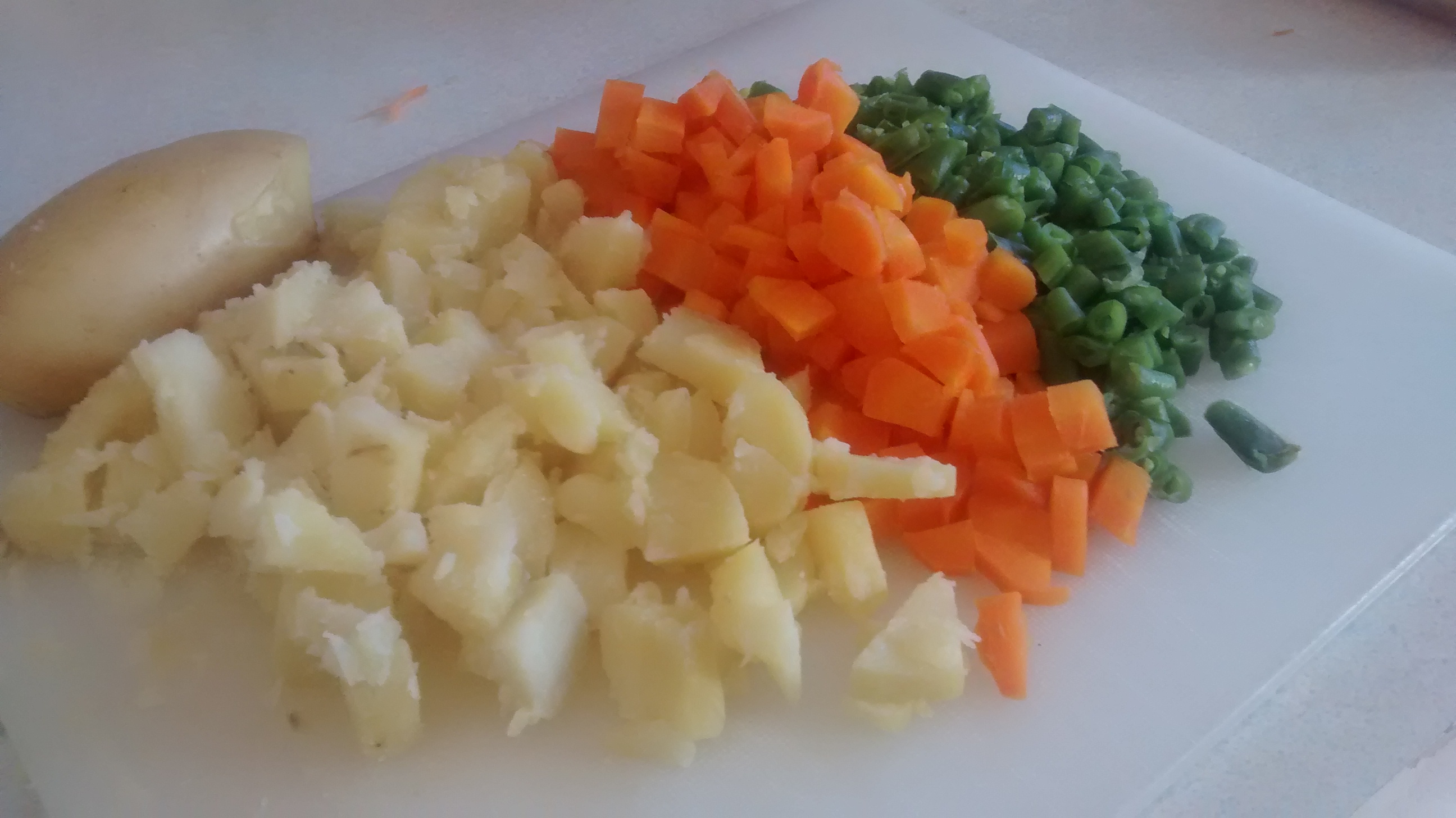
Once the vegetables have cooled then chop them into small pieces.

IMG_20150826_154347559IMG_20150826_155112059

IMG_20150826_155125333

Mix the vegetables together with several tablespoonfuls of mayonnaise – original or light – just enough to lightly coat the vegetables.

Add salt and pepper to taste.

IMG_20150826_184307974

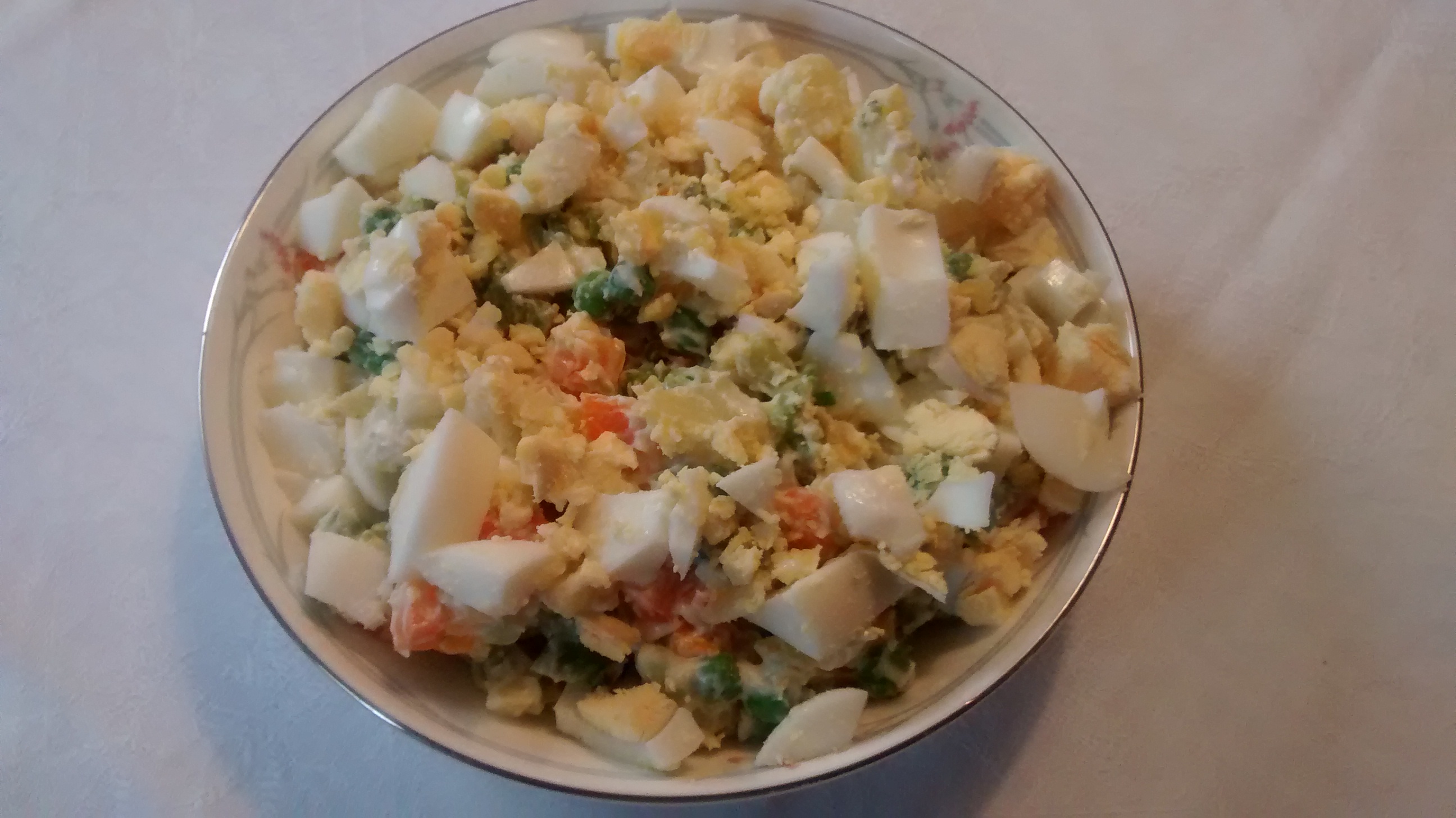
Variation 1

Add 2 hard boiled eggs which have been chopped to the salad.

IMG_20150902_161945936

IMG_20150826_184529924
Mixed Vegetable Salad with Hard Boiled Eggs

Variation 2

Use Celeriac instead of potato.

Peel the celeriac then cut it up into large pieces and steam these – chop the cooked celeriac into smaller pieces when it has cooked and cooled.

Polish Potato Salads

Potato salad is very popular in Poland especially as it can be made nearly all year round.

This can be served with cold meats and Polish style sausages as well as with hot dishes such as roast pork or chicken.

I like to make potato salad using starchy potatoes as I love the soft fluffy texture.

My favourite starchy potatoes are King Edward and Maris Piper.

The King Edward variety was introduced in the  United Kingdom in 1902 and was named after King Edward VII as this was his coronation year.

The Maris Piper variety was released in 1966  and was named after  Maris Lane in Trumpington on the outskirts of  Cambridge which at that time was the home of the Plant Breeding Institute.

Classic Potato Salad

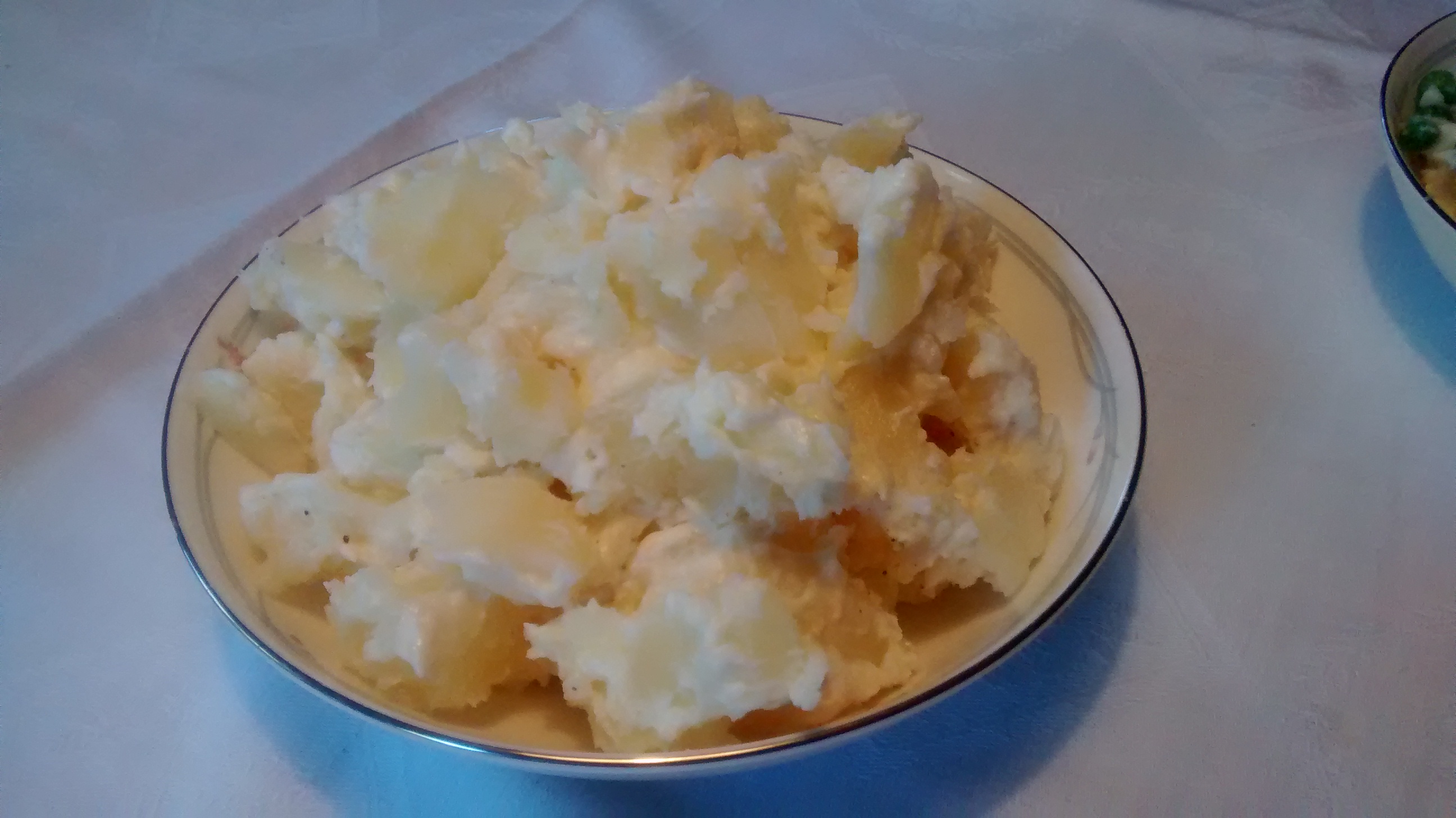
IMG_20150806_194024472

Ingredients

Starchy Potatoes – from 3 large potatoes upwards

1/2 – 1 onion – chopped fine

Mayonnaise – I like to use Hellmans – original or light

Salt and pepper to taste.

Method

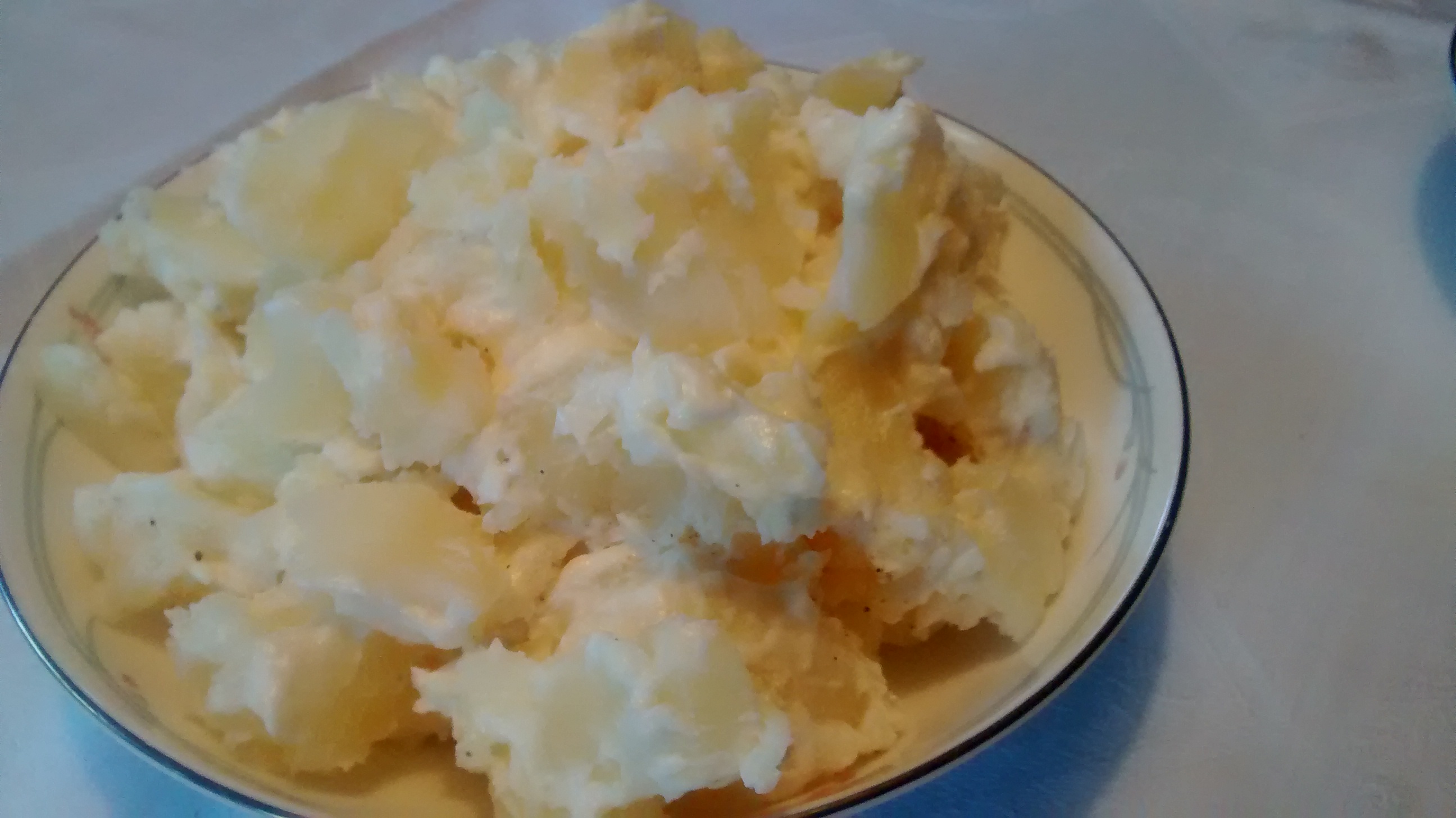
Peel the potatoes and cut any large potatoes into quarters and then boil or steam them to cook them.

Strain the cooked potatoes in a colander and leave them to cool slightly.

Rough chop the cooked potatoes using a knife or a spoon – you do not want the pieces to be too uniform in size.

Add the chopped onion to the potatoes and then several tablespoonfuls of mayonnaise and mix together.

I like to use potatoes that are still slightly warm as I find the mayonnaise coats them better.

However you can use cold potatoes – maybe some you have left from another meal – the salad will still be good.

Add salt and pepper to taste.

Leave to cool completely before serving.

IMG_20150806_194007779
Simple Classic Potato Salad

Variations on the Classic Salad

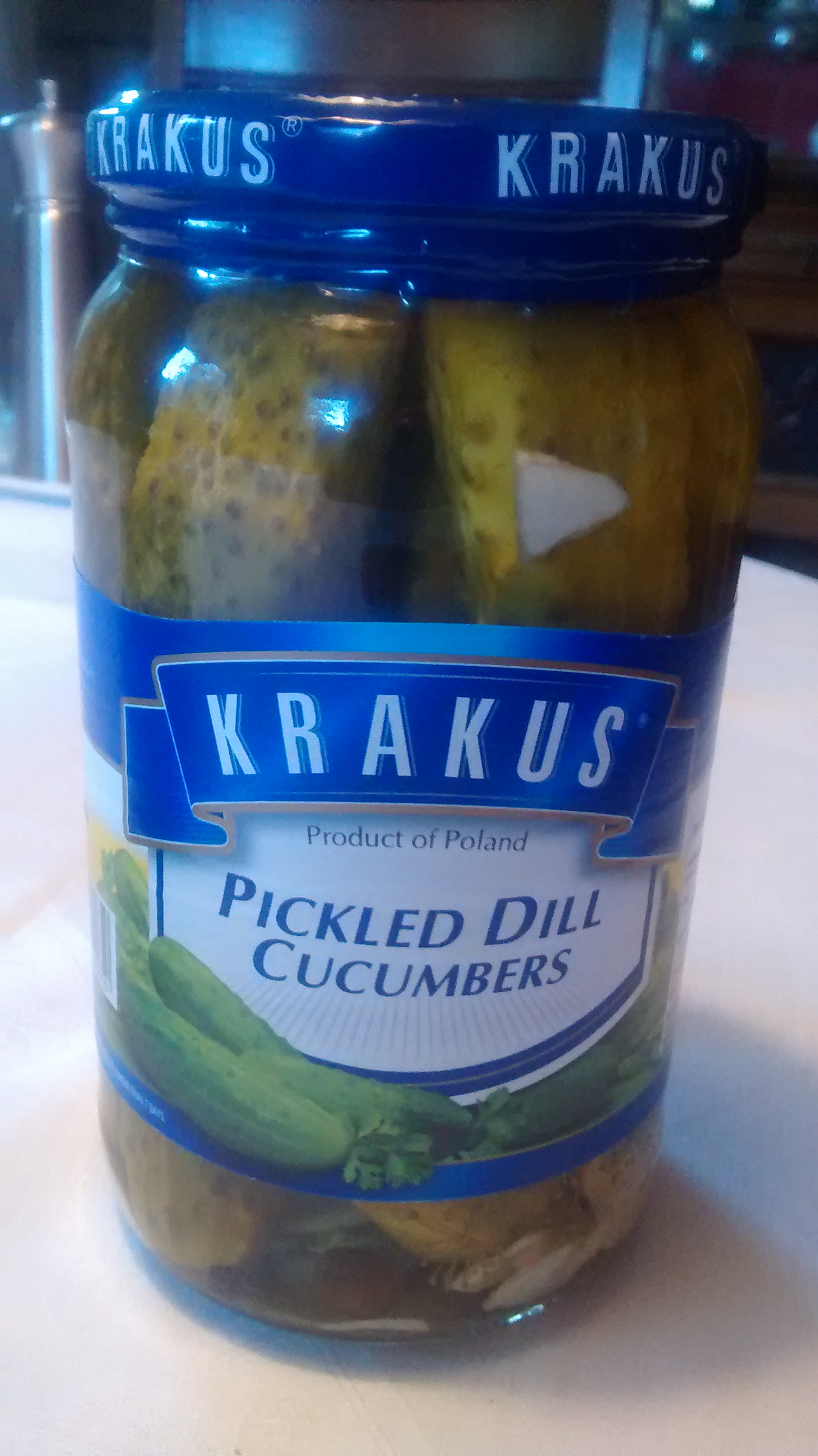
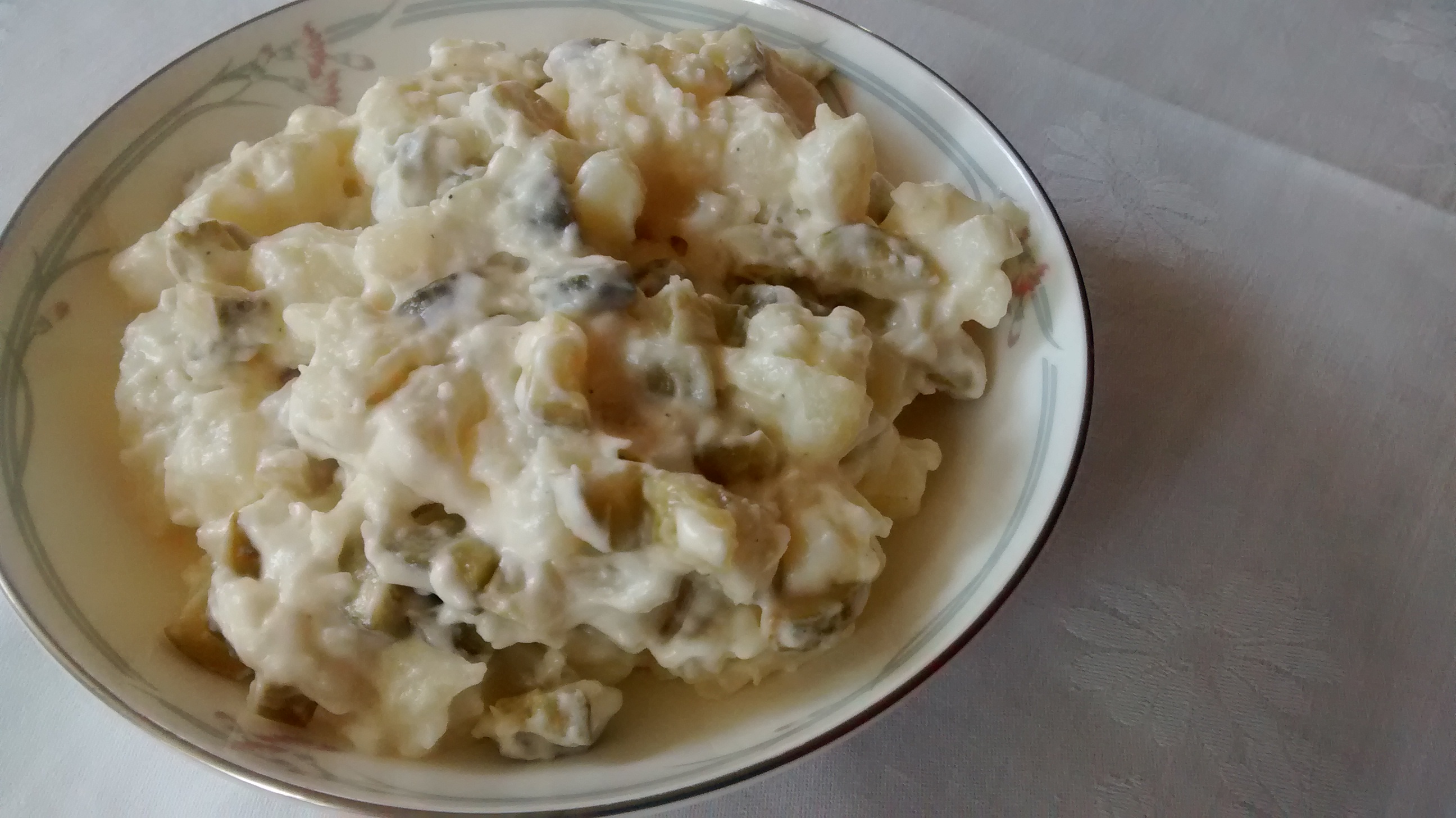
Potato Salad with Gherkins

IMG_20150806_183403685

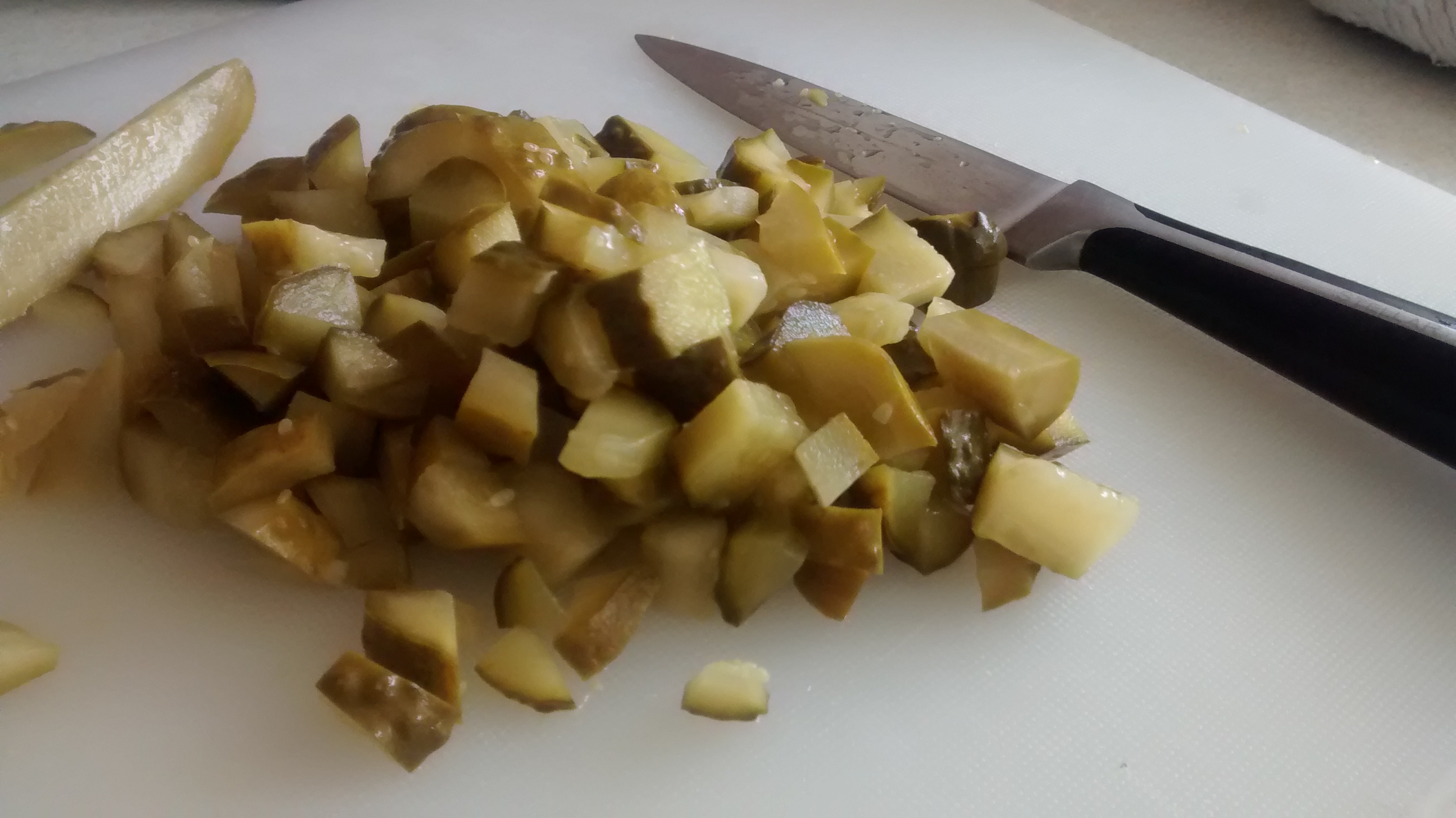
Chop 2 or 3 gherkins and add these to the Potato Salad.

IMG_20150807_110645717
Chopped Gherkins


IMG_20150807_112124051
Potato Salad with Gherkins

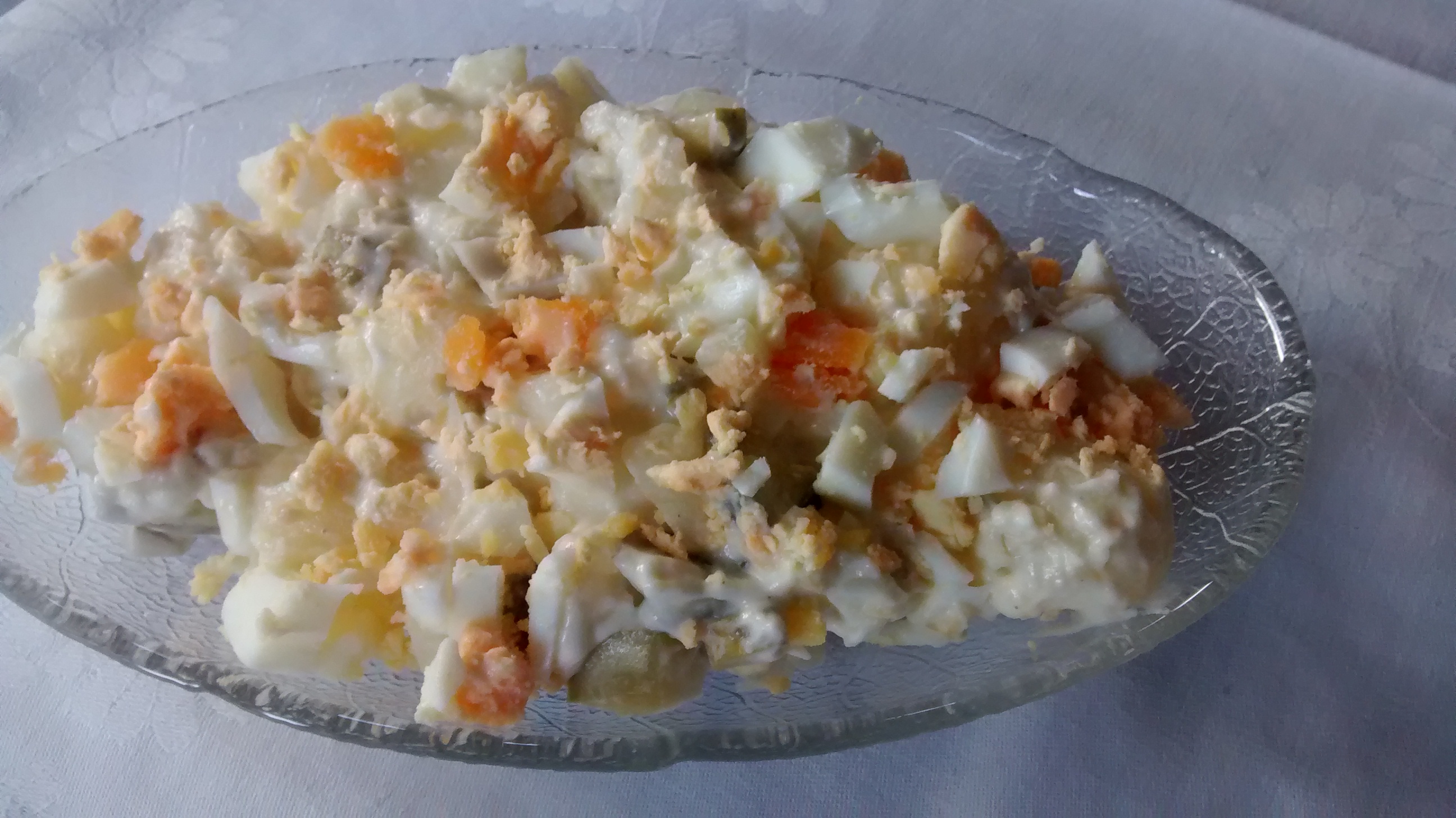
Potato Salad with Gherkins and Boiled Eggs

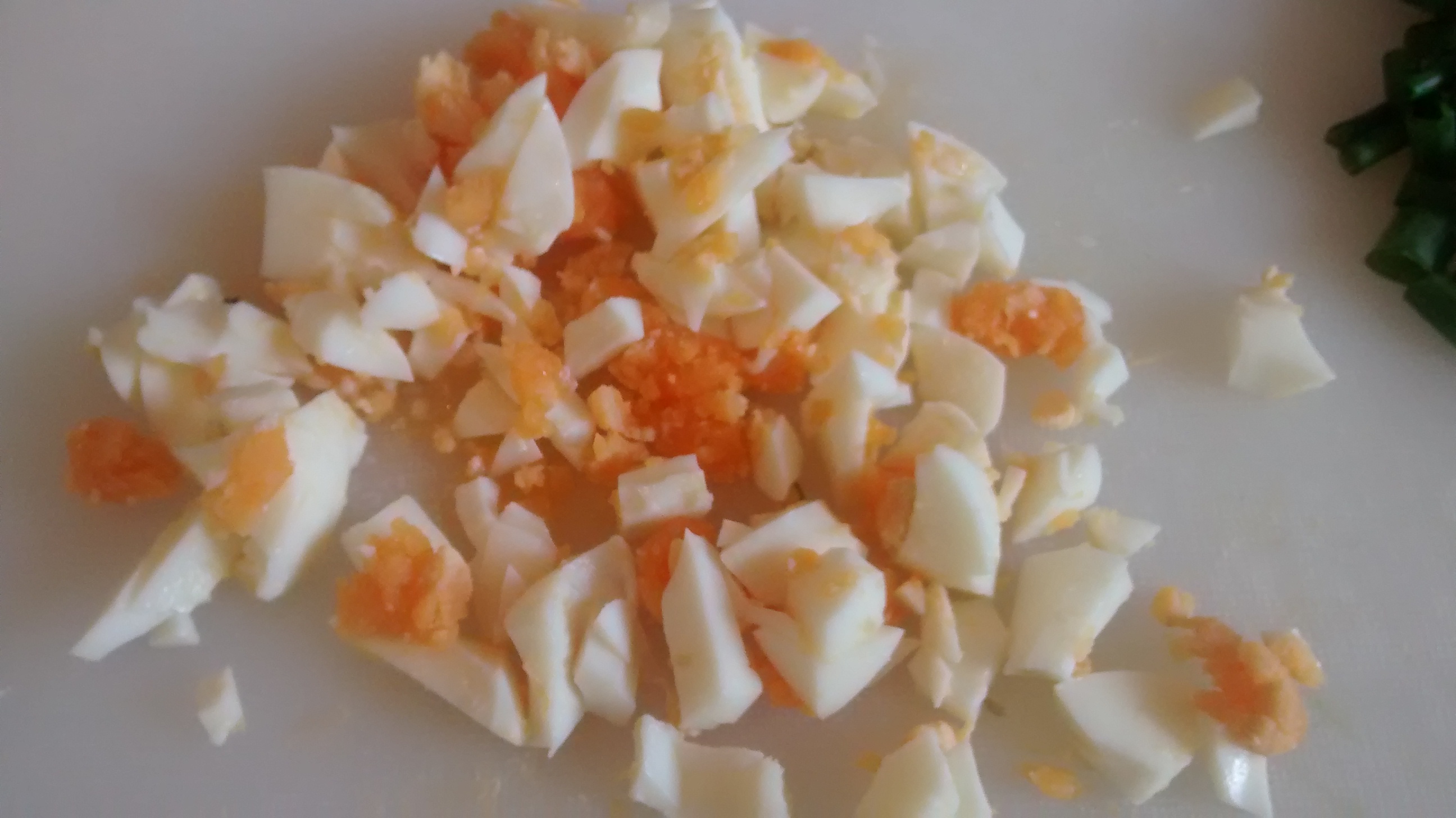
Chop 1 or 2 hard boiled eggs and add these to the potato salad with the gherkins.

IMG_20150828_124410565
Chopped Hard Boiled Eggs
IMG_20150807_114425535
Potato Salad with Gherkins and Hard Boiled Eggs

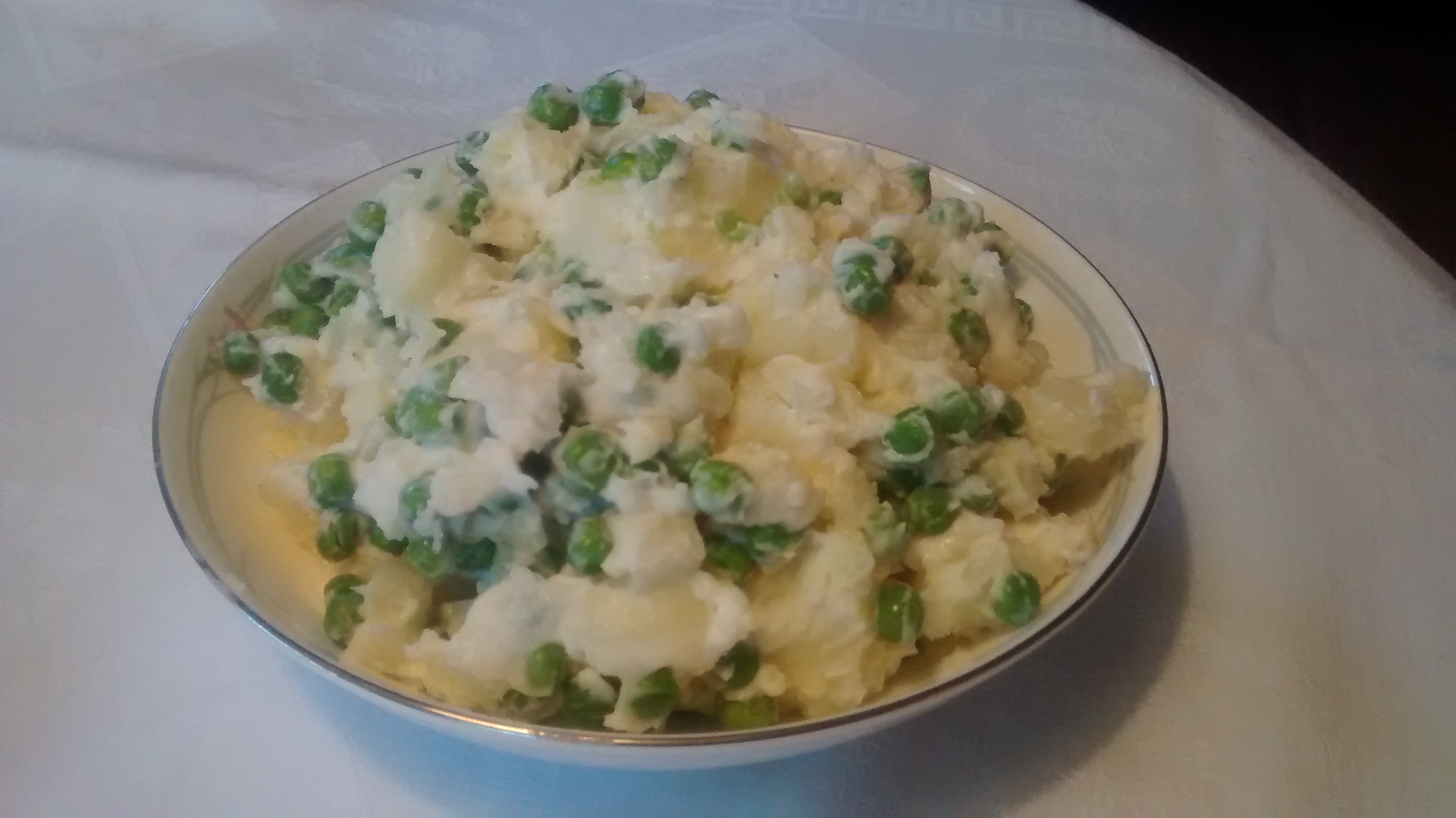
Potato Salad with Peas

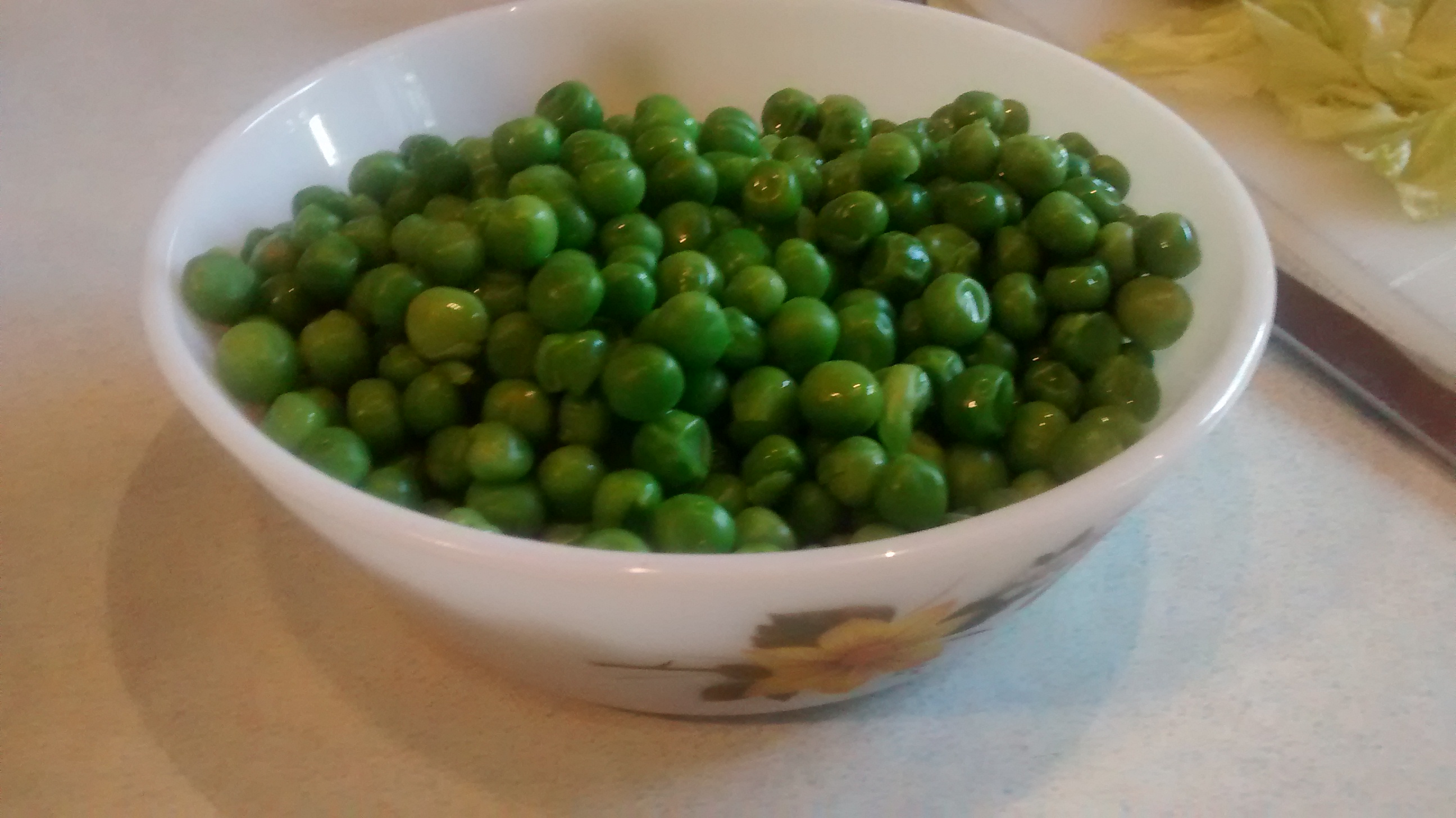
Cook some frozen peas and add these to the classic potato salad

IMG_20150806_192627173
Cooked Peas
IMG_20150806_194015128
Potato Salad with Peas

The Perfect Pancake

Naleśniki are thin pancakes like the French crêpes. Their name comes from the Polish verb to pour.

In Poland pancakes are eaten all year round, with either savoury or sweet fillings, and not just before Lent. (In fact pancakes are not amongst the special foods eaten before this time of fasting).

We used to have then about once a week but I never seemed to have been involved much  in their making except for spreading the fillings on, so when I started to make them myself I had lots of disasters!

My pancakes were always a bit hit and miss.  Often the constancy was not constant nor the  thickness and nearly always the first one of the batch would stick to the pan and have to be thrown away.

Then I looked up the recipe in my old Polish cookbook, made a few telephone calls to various relatives and also followed Delia Smith’s advice and bought a special frying pan which I use only for pancakes.

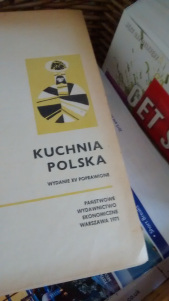
Kuchnia Polska 15th Edition 1971 - Polish Kitchen or Polish Cookery
Kuchnia Polska – 15th Edition 1971

So I now I think I know the secrets of making perfect pancakes and these I will now pass on.

Sift the flour

You must use a mixture of milk and water – 50/50 is the best – this ensures that the pancakes do not burn as easily and also enables you to make then very thin and elastic so they are easy to work with. (This is the most important tip).

  • Beat the eggs and add then them first to the sifted flour.
  • Add the milk mixture to the egg and flour mix until you have a batter the consistency of pouring cream.
  • Leave the batter to stand for at least 1 hour in which time it will thicken, then add a little more liquid.
  • Use a special thin pan which you use just for pancakes, mine has a base diameter of 20 cm and is made of steel, once seasoned, just wipe it clean between uses with kitchen roll – never scour it or use detergent.
  • Work out how much batter you need for a pancake and find a measure which will then give you a consistent amount – I use a small ladle which holds 45ml.
  • Have a dish of melted butter or margarine and sunflower oil for frying so you can add just enough and tip some back if needed.

Ingredients

  • 200g plain flour
  • 2 eggs
  • 200 ml milk (full or semi-skimmed)
  • 200 ml water
  • pinch of salt

This amount makes around 8 pancakes.

I remember this recipe as it is all the 2’s for ease, but it will depend on the flour and the size of the eggs, you might not use all the milk & water mixture or you might just need a little more.

IMG_20150805_140202937

IMG_20150805_140213253

IMG_20150805_140402447

Heat the pan – you want a high heat but not too much to burn the pancakes – you will find you have to keep adjusting the heat. (As I cook using gas this is easy to do).

IMG_20150705_172532980

IMG_20150705_172547024
Pancake Batter & Ladle

IMG_20150705_172556350

Using the ladle pour the mixture into the pan.

Tilt the pan so that the mixture covers the surface completely and evenly.

Cook the pancakes on one side and turn then over (or toss them English style), you can make them up one by one or stack then up with a piece of greaseproof paper in between them. You can do this and leave then for later use

IMG_20150705_172758371

IMG_20150705_172816458

There are many recipes for pancake fillings both savoury and sweet.

I think the 2 most popular sweet fillings in Poland are sweet curd cheese (see a previous post) and stewed apples with cinnamon.

Pancakes with sweet fillings are normally folded into triangles – fan -shaped  by folding the pancake into half and half again.

Pancakes with savoury fillings are normally rolled up and often then put in a dish, topped with a sauce or grated yellow cheese and put in the oven for a time.

In these instructions I have used photographs of pancakes being made with the sweet curd cheese filling.

IMG_20150806_134944334
Frying the Pancake
IMG_20150804_134248520(1)
Sweet Curd Cheese Filling
IMG_20150806_134709744
Spread with Filling
IMG_20150806_134745373
Folded in Half
IMG_20150806_134759991(1)
And Half Again
IMG_20150806_134934126
Dusted with Icing Sugar

IMG_20150806_135047541

IMG_20150806_135125896

I find two are enough for me!

You can make the filled pancakes in advance prior to dusting them with icing sugar and then heat them up on both sides – using the pancake pan again – maybe with the addition of a little butter.  Then dust them with icing sugar.

IMG_20150808_055205000
Reheating a Filled Pancake

IMG_20150808_055151856

IMG_20150806_135432650