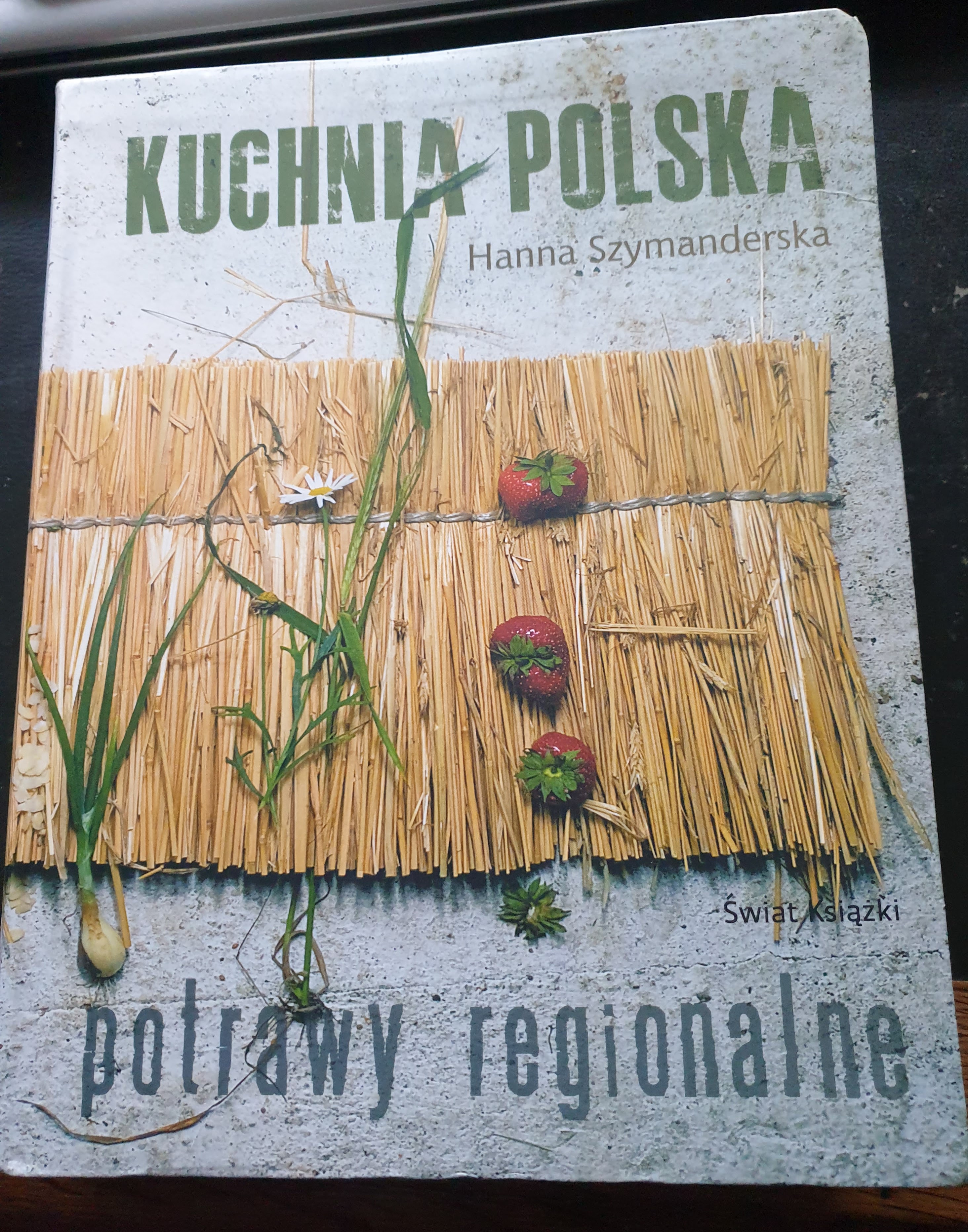
Regional Cookery Book

  • I saw this book advertised for sale as second hand.
  • I ordered it straight away.
  • I did not realise how big it was until it arrived.
  • I was very pleased as there are over 600 pages!
  • It was published in 2010.
  • It is divided onto 11 regions.
  • Lots of research for me to do.

“Our Food is Our Identity”

  • Claudia Roden was born in Cairo, Egypt in 1936.
  • She moved to Paris in 1951.
  • Then to London in 1954.
  • Her family was Jewish.
  • She collected recipes from family, friends and anyone else who would contribute.
  • She has written many cookery books.
  •  I recently bought a second hand copy of ‘Jewish Cookery from Samarkand to Vilna’- mainly because of the Polish connections, especially Vilna (Wilno), the nearest large town my father identified with.
  • A few years ago I heard a programme on the radio in which Claudia said
  • “Our Food is Our Identity”.
  • I so agree with this statement.
  • *
  • Polish Cookery is influenced by food from other countries  – in the past from France, Italy & Germany as well as – Lithuania, Finland & Sweden.
  • Jewish cookery has also influenced some of the dishes served in Poland.
  • Many people say  that when they made a recipe they always remember the person that gave then this recipe.
  • Do you have such recipes?
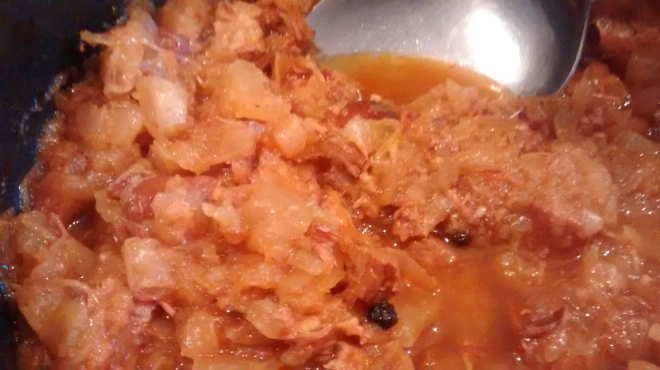
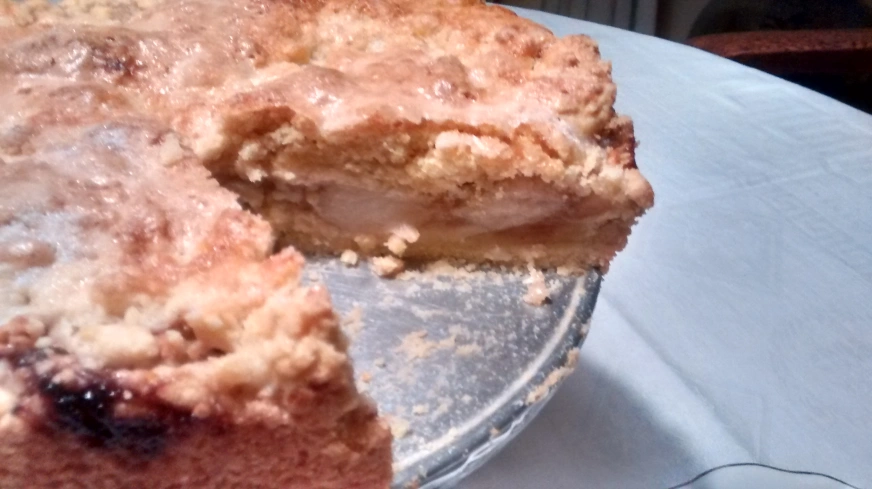
  • Here are just a few of my Mama’s recipes, which will always remind me of her.
  • *
  • Bigos
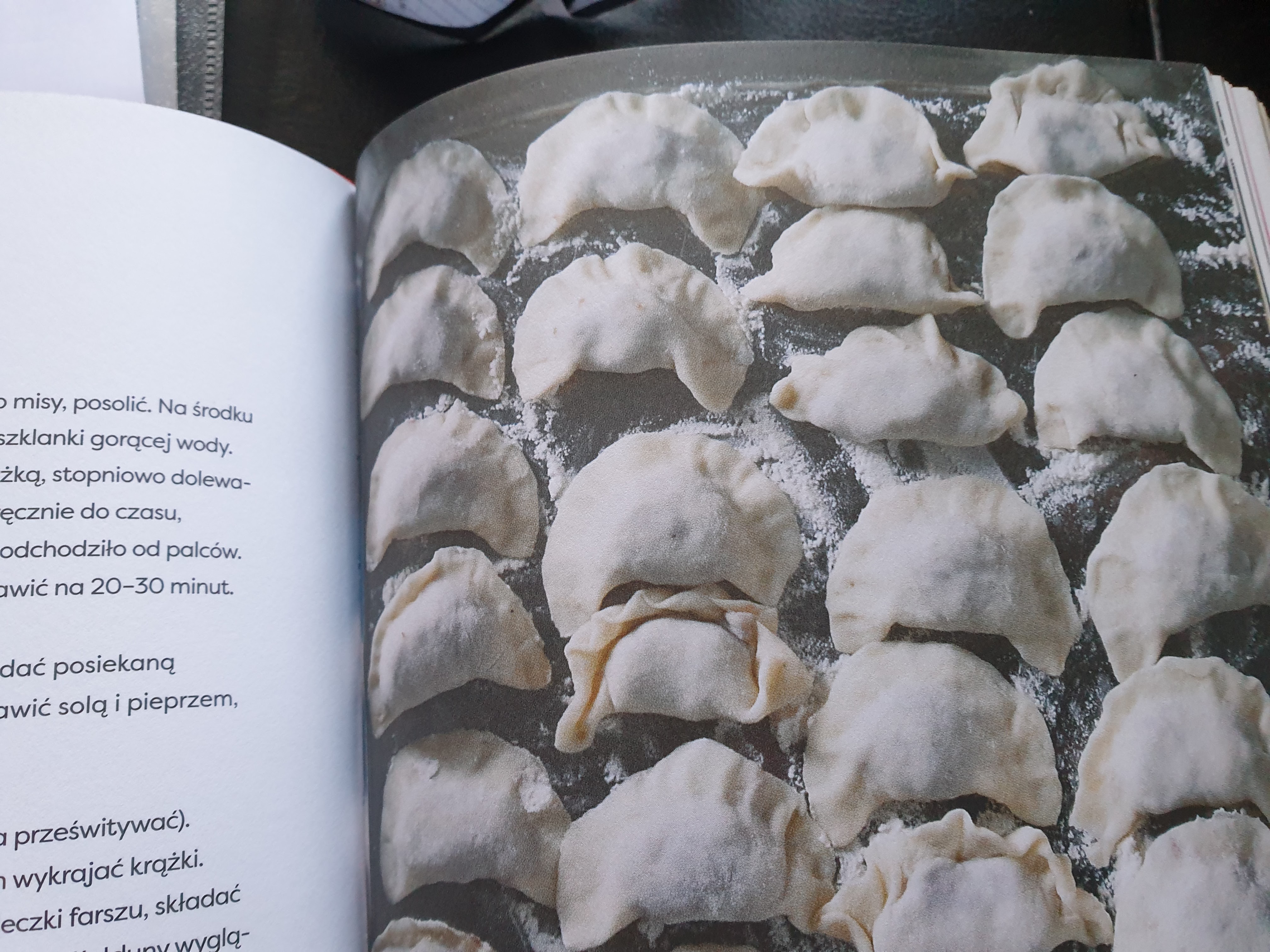
  • Pierogi
  • Polish Apple Cake
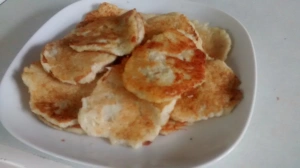
  • Polish Potato Pancakes

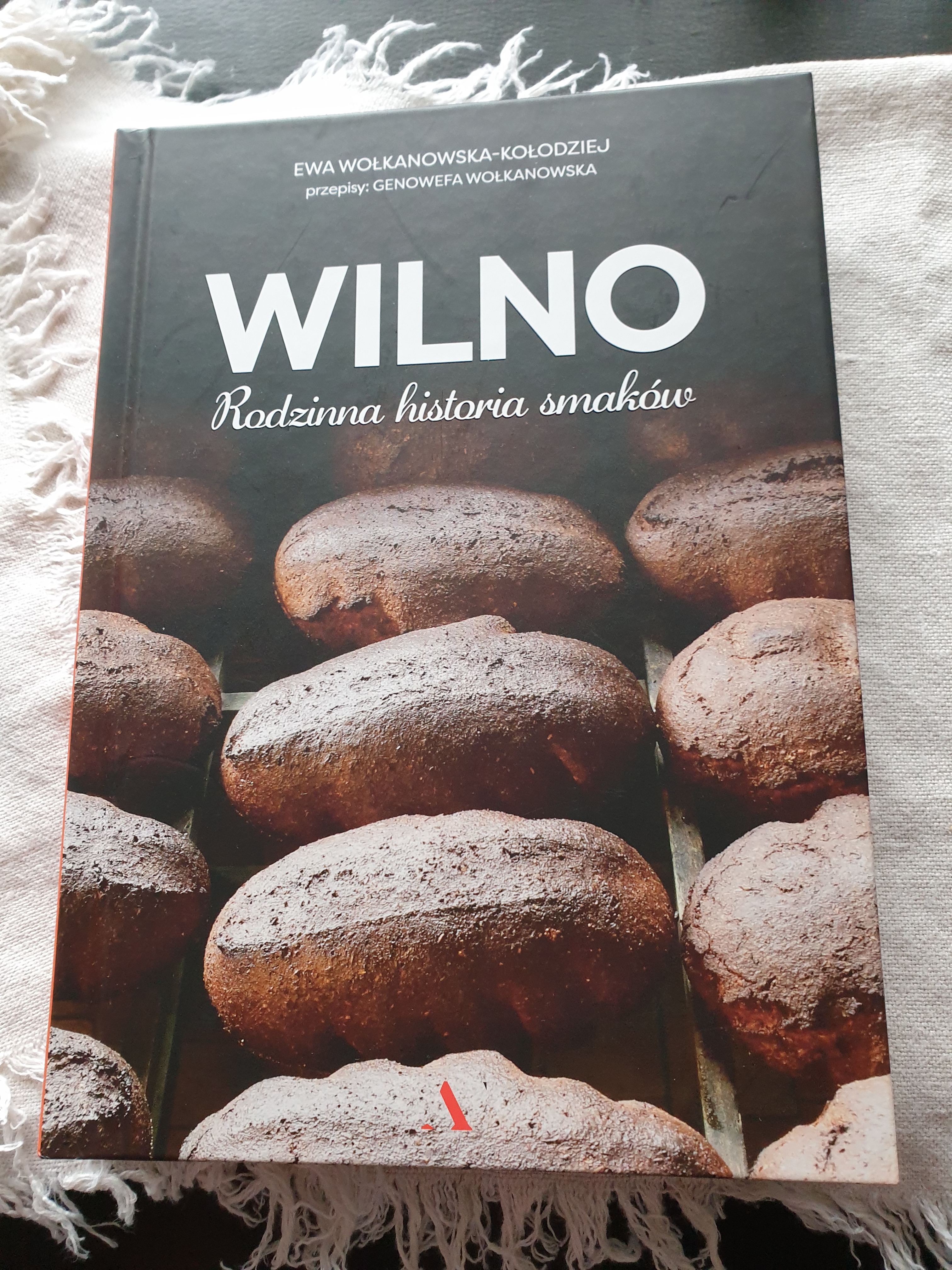
Recipes from Wilno

  • I was so thrilled to find this new book in the Empik bookstore in Gdańsk.
  • My father always thought of Wilno (Vilnius in English) as his nearest city.
  • He was born not that far away and where he was born and Wilno were part of Poland then.
  • Wilno was always thought of as a very Polish city.
  • *
  • I am planning to sit down and read this book very thoroughly.
  •  Although my father did not cook, I am sure some of these recipes will be similar to those ones I have tasted, used by his sisters here in England and his cousins in Poland.

Pamphlets from Gdańsk

  • I am just back from a short trip to Gdańsk.
  • Although it rained most of the time I had a good and interesting time.
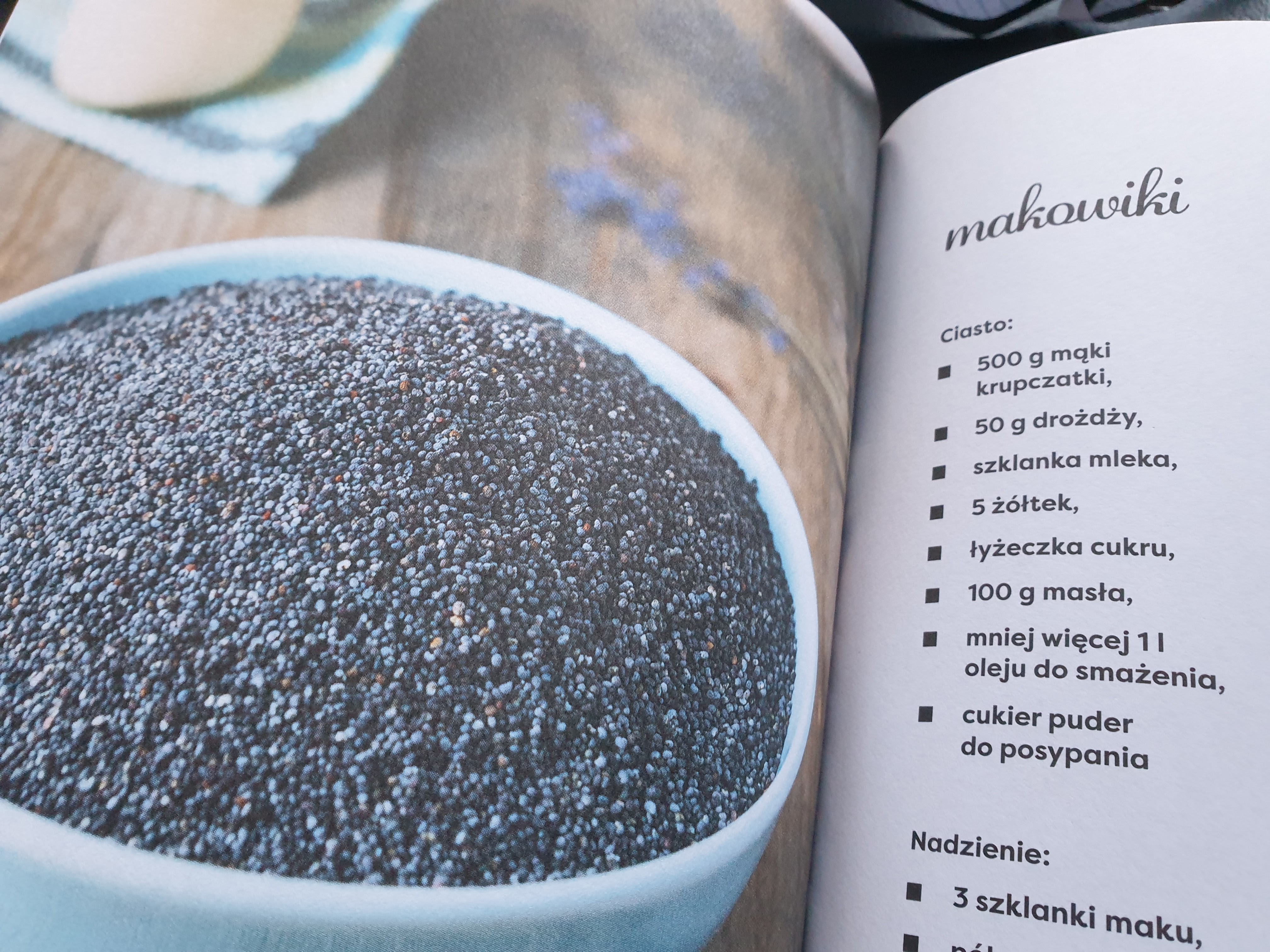
  • I found a few ideas for recipes and bought a couple of Polish cookery books.
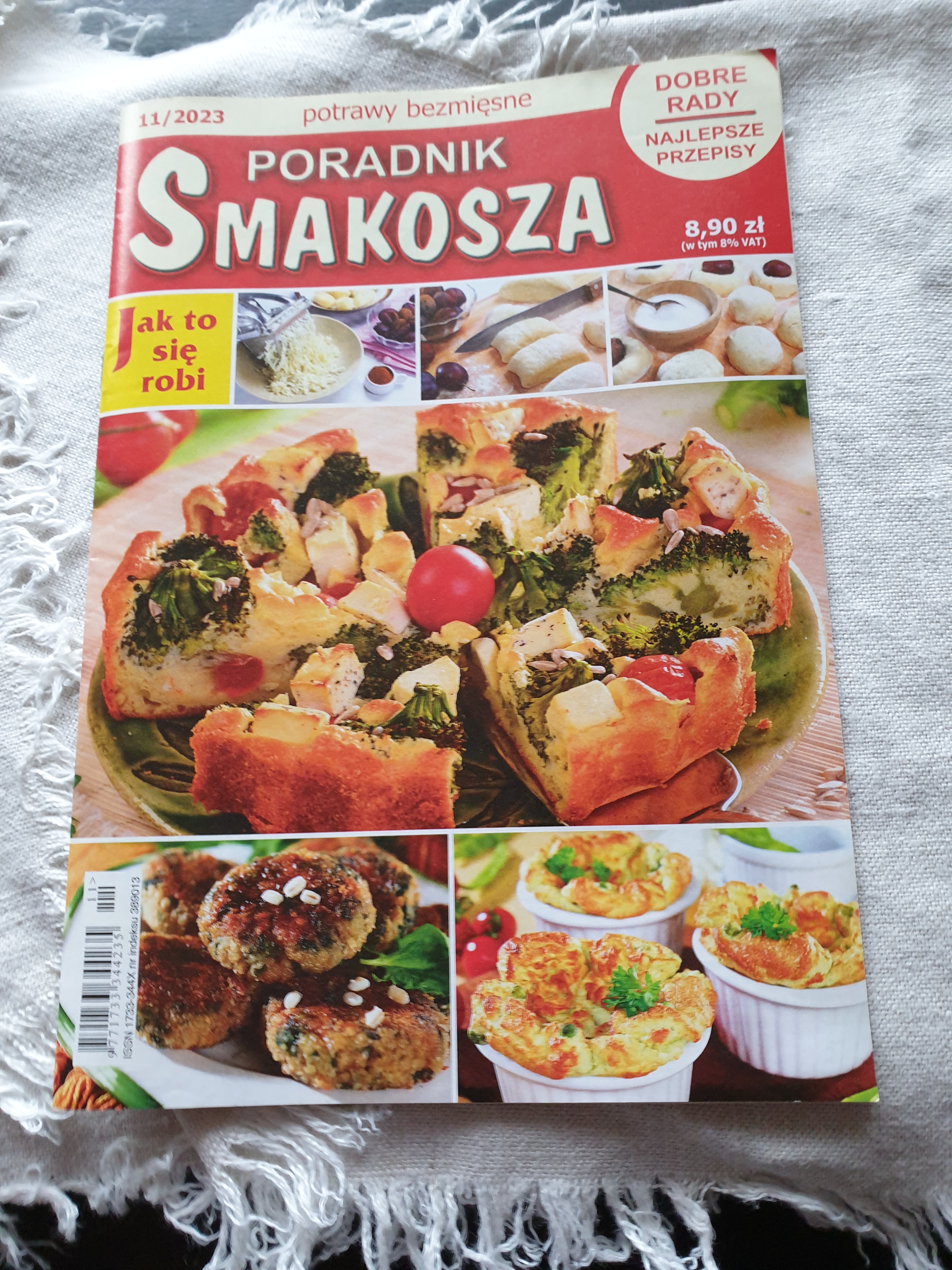
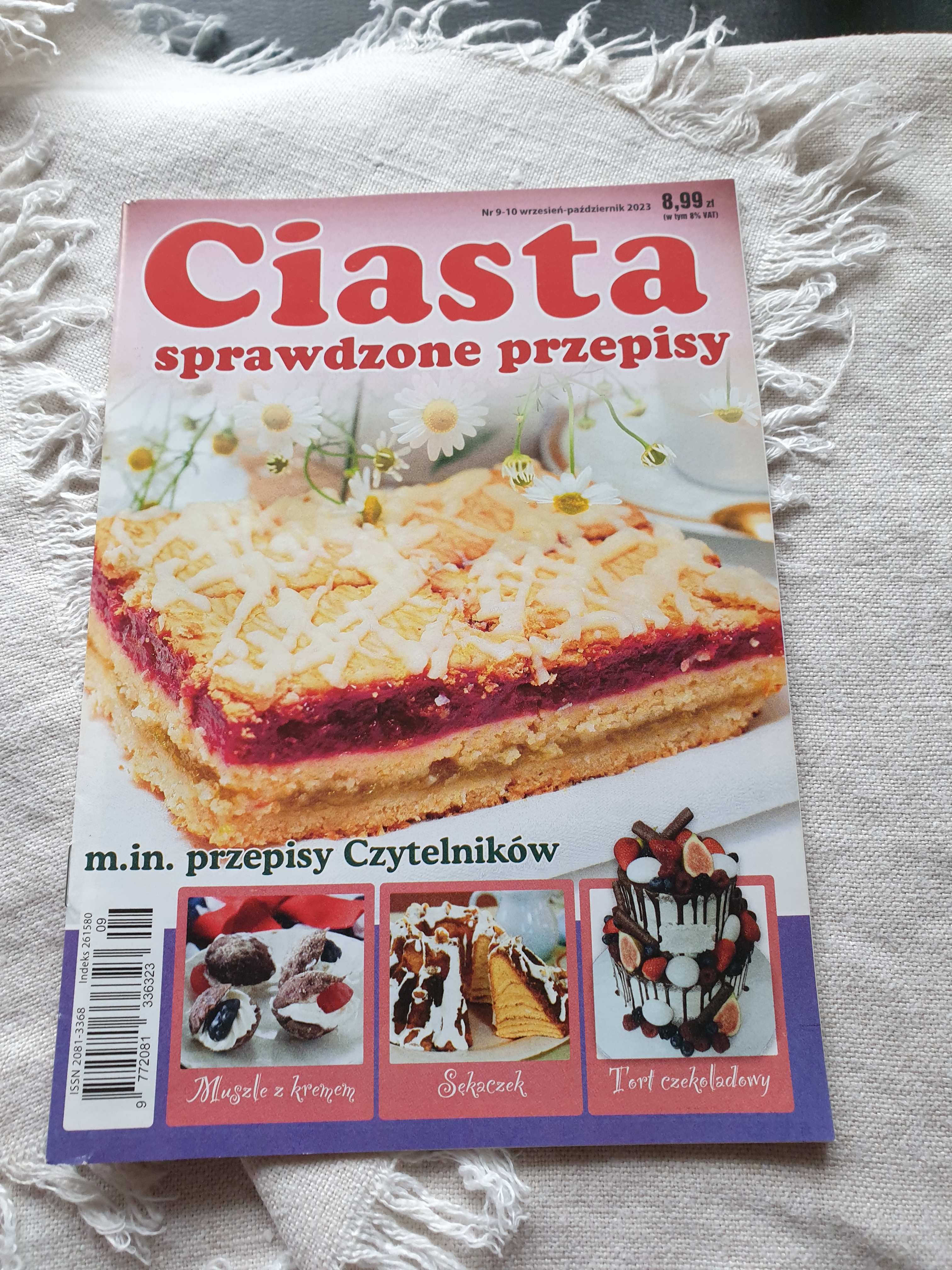
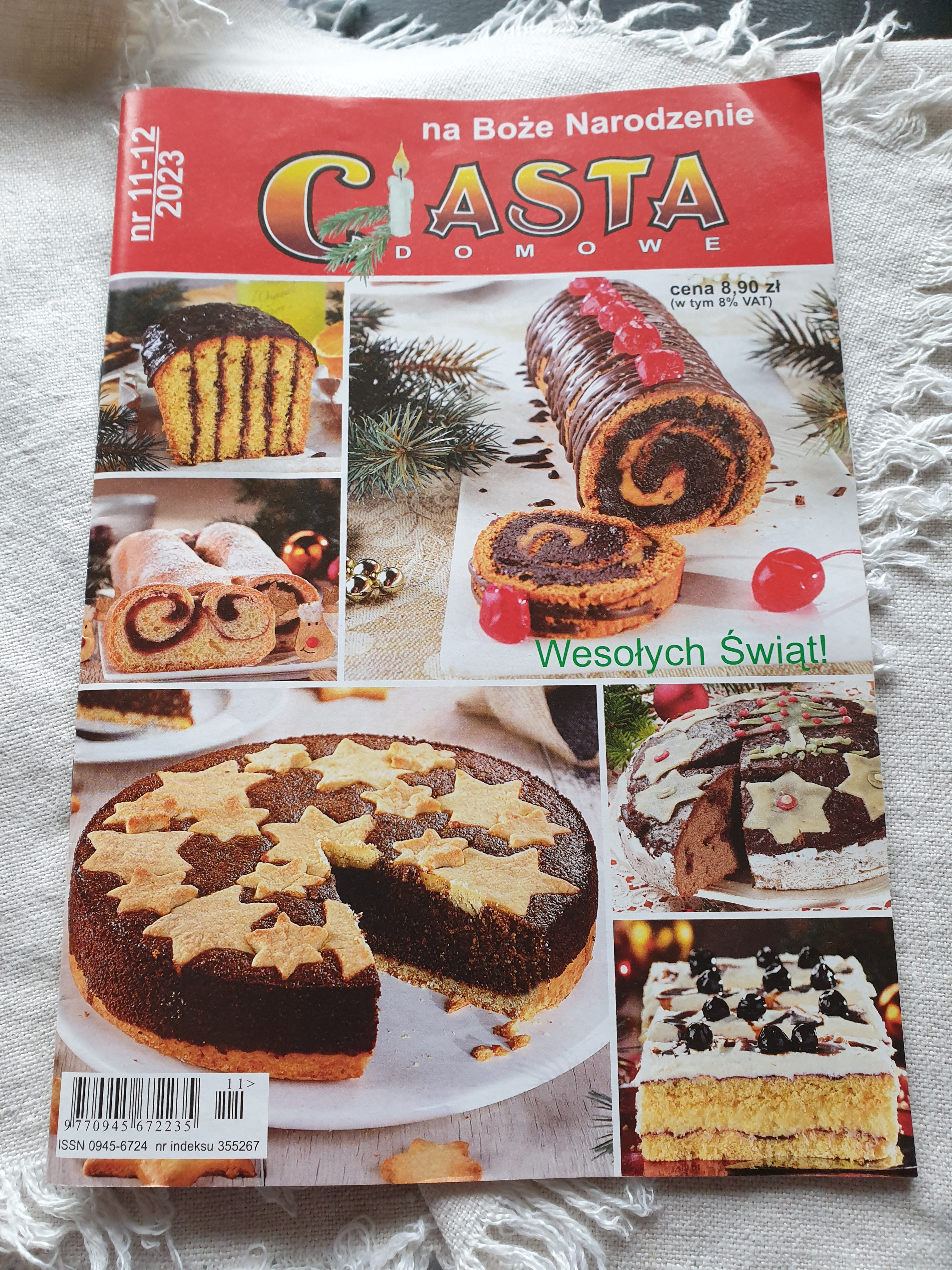
  • I also got 3 magazines/pamphlets – which I have looked at and know I will be using several recipes in the near future.
  • The first is one has delicious recipes (without meat – but that is what was in the shops).
  • The second is for cakes and says they have all been tested.
  • The third is for cakes and baking for Christmas – which is good for the coming season.
  • So look out for posts from these soon.


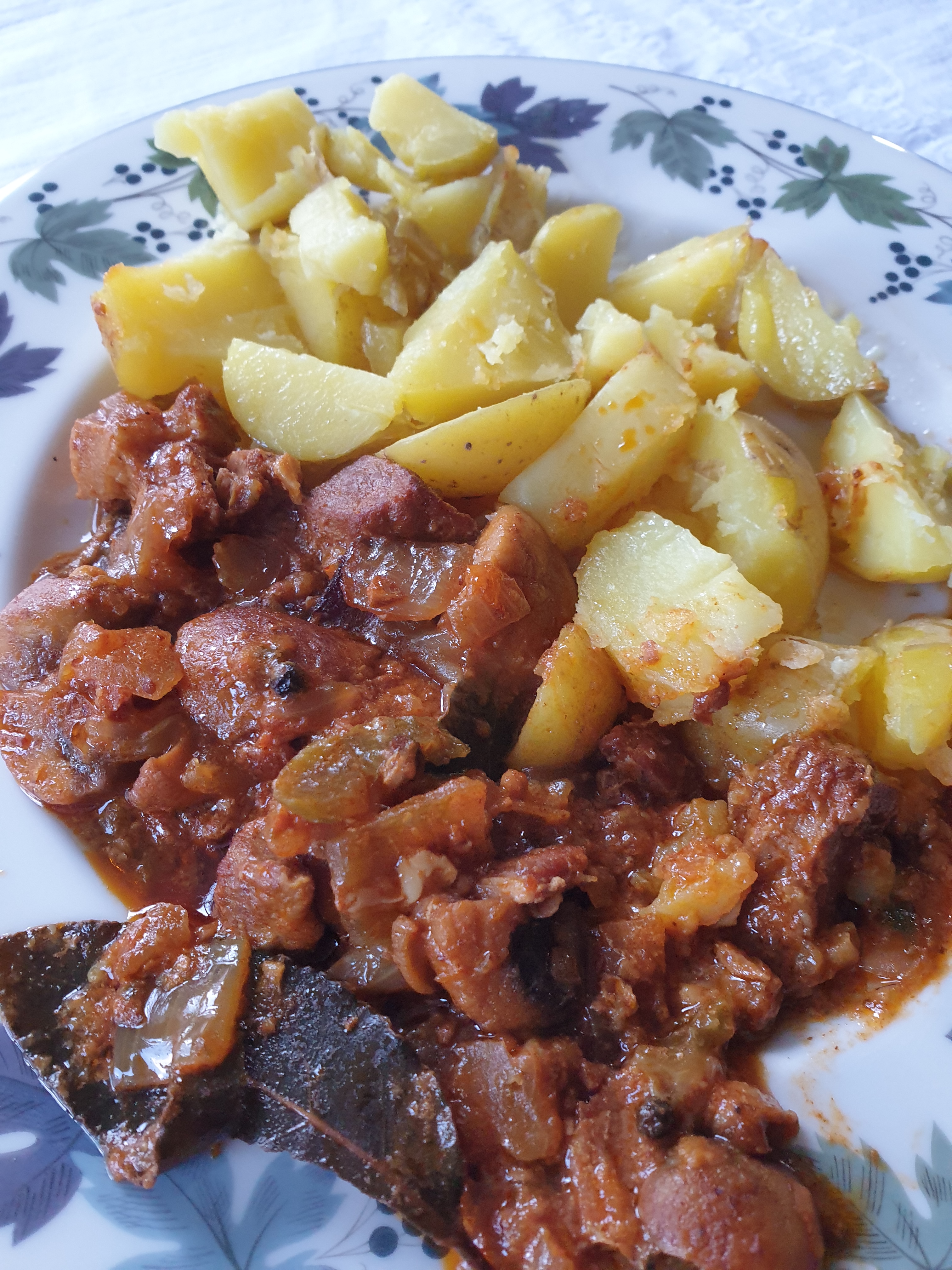
Gulasz myśliwski

  • Having made sos myśliwskiHunter’s sauce. 
  • I thought how good this would be to make into a gulasz.
  • Cubed braising beef or shoulder pork would be super for this.

Ingredients 

  • 400g cubed braising beef or shoulder or spare rib pork
  • 4 slices of  thick cut smoked bacon – chopped
  • 150g – 220g  of fresh mushrooms – sliced or quartered
  • 3 large gherkins – chopped into cubes
  • 1 – 2 tablespoons of plain flour.
  • 2 tablespoons of tomato purée
  • 2 onions – chopped
  • 3 cloves of garlic – chopped
  • 3 grains of of allspice
  • 5 peppercorns
  • 1 teaspoon of of ground paprika
  • 1 teaspoon of hot ground paprika
  • 2 bay leaves
  • 2 teaspoons of made mustard.
  • 500ml of vegetable or chicken stock
  • Salt and pepper
  • Sunflower oil for frying

Method

  • Pre heat the oven to Gas Mark 3 – 1600C
  • Mix the tomato purée, allspice, paprikas and mustard into the stock.
  • Cut the meat into cubes and coat the pieces in a mixture of flour, salt and ground pepper.
  • In a frying pan heat the oil until it is hot and fry the meat until all the sides are sealed.
  • Place the meat into a casserole dish.
  • Fry the garlic and onions in the frying pan, adding some oil if necessary but trying not to use too much or the dish will be greasy.
  • Add the onions to the meat then add the bay leaf and some more ground pepper.
  • Melt the butter and fry the mushrooms for a few minutes.
  • Add the mushrooms to the meat.
  • Add the gherkins,
  • Pour the stock mixture into the casserole dish and put on the lid.
  • Cook in the oven until the meat is tender, this could be about 3 ½ hours  to  4 ½ hours but often I find it needs  longer.
  • *
  • I find that this is better cooked on one day and then reheated on the next.
  • *
  • Serve with boiled potatoes, mashed potatoes or rice.
  • *
  • Note – As the gherkins cook down – next time I would add them in the last hour of cooking.
  • *
  • Of course, this is reminiscent of Bigos, which is usually called Hunter’s Casserole – but here without the cabbage and sauerkraut.

Classic Polish Recipe Book

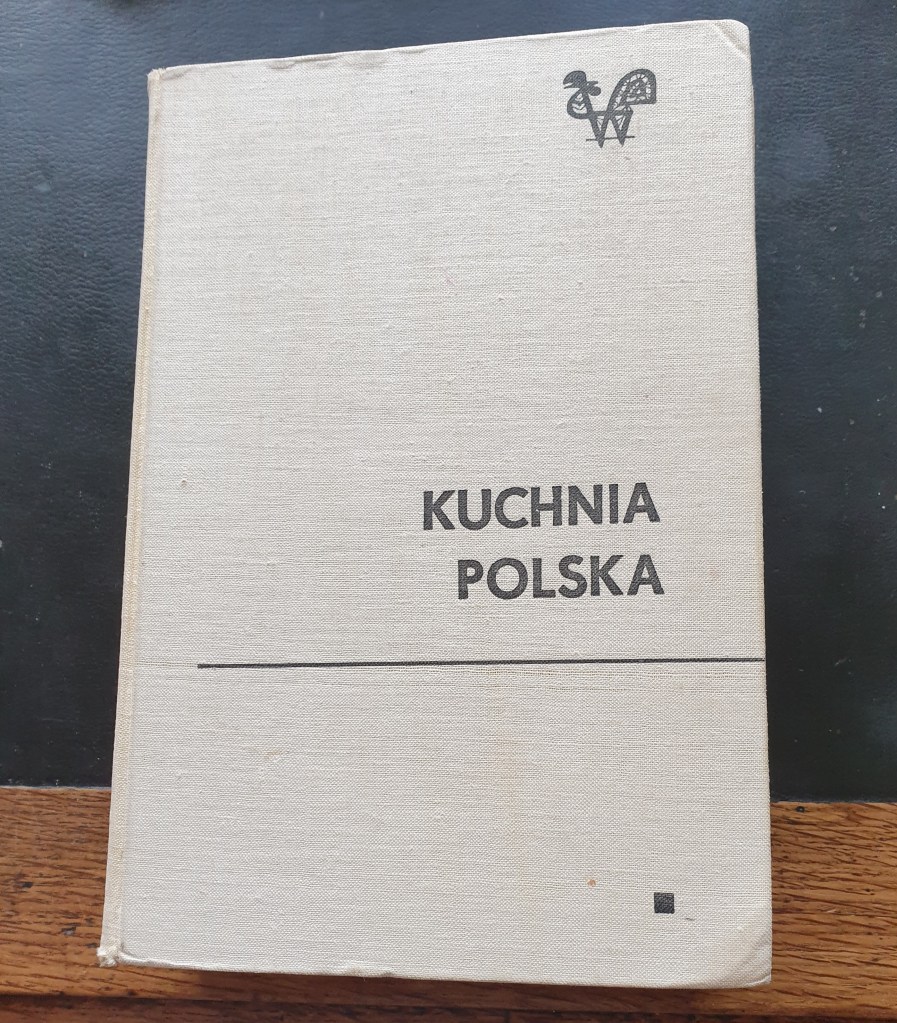
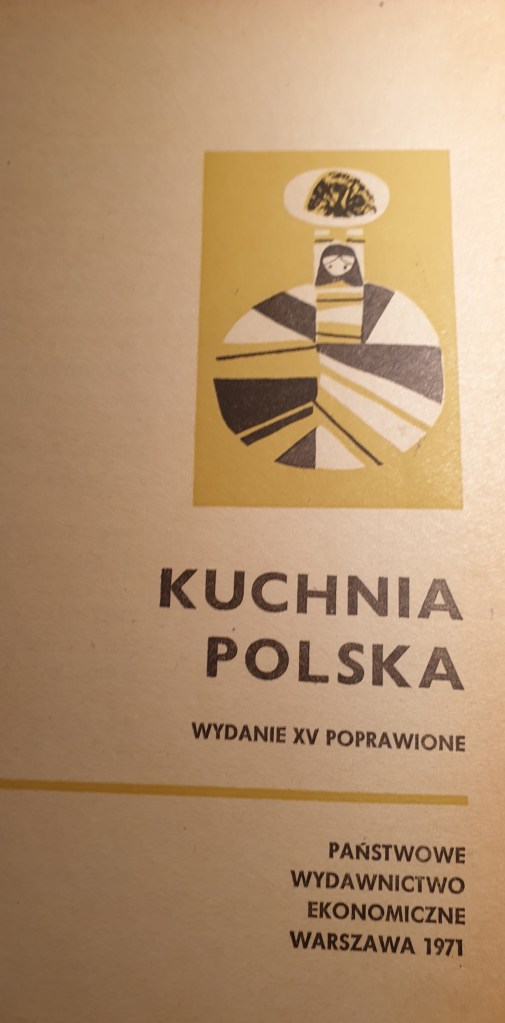
  • Kuchnia Polska was my first Polish cookery book.
  • The title means Polish Kitchen – or Polish Cookery.
  • It was my first Polish cookery book and my only one till many years later.
  • I think of this as my “Cookery Bible” and turn to this first when doing any research for a recipe.
  • I have rarely had any “failures” from this book.
  • *
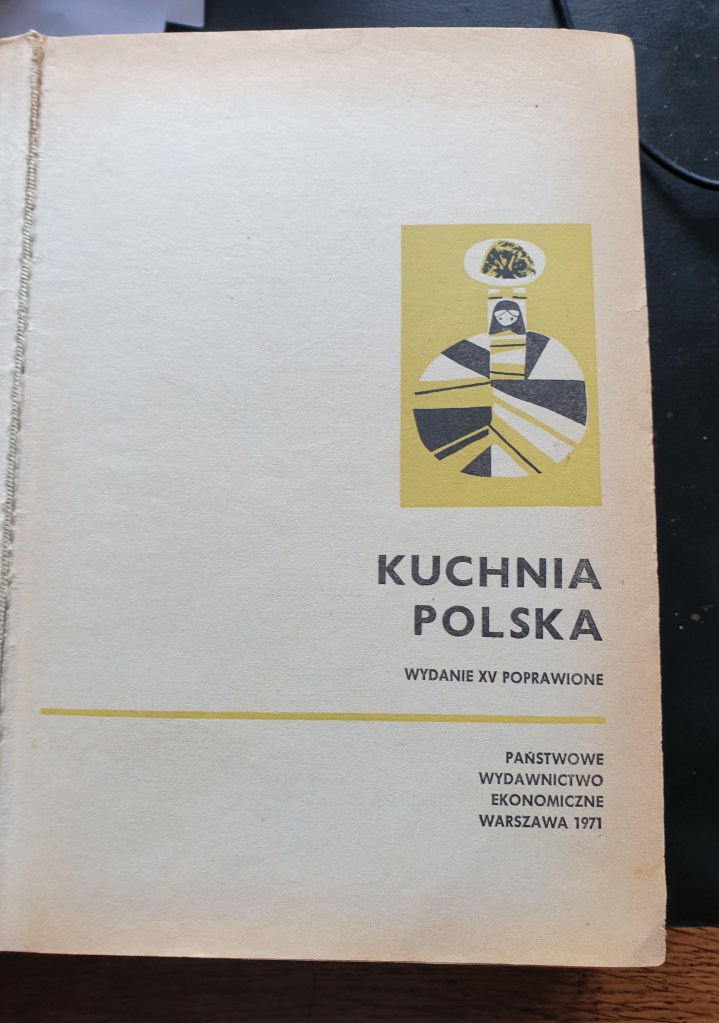
  • First published in 1956.
  • Published by Państwowe Wydawnictwo Ekonomiczne, Warszawa. 
  • My edition is the 15th published 1971.
  • There are 775 pages plus photographs.
  • The text is in Polish.
  • 10 authors are listed – the first is Prof. dr Stanisław Berger.
  • The graphics are by Czesław Wielhorski (1911-1980).
  • Czesław Wielhorski was a “visual artist” – a graphic artist
  • Czesław Wielhorski is well known for his posters for the 1939 winter Olympics in Zakopane.
  • *
  • As well as recipes there is advice including kitchen layout, food groups and menus
  • There are many instructions from an age when pre-prepared food ingredients were not available eg – how to grind almonds. 
  • *
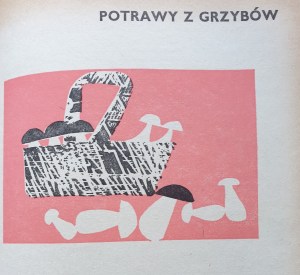
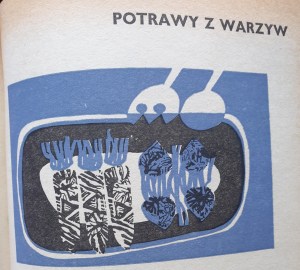
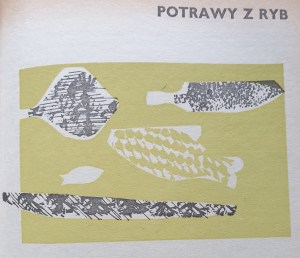
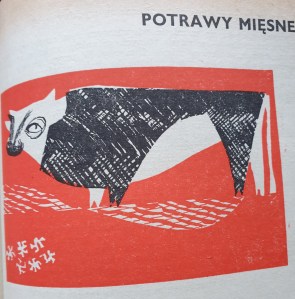
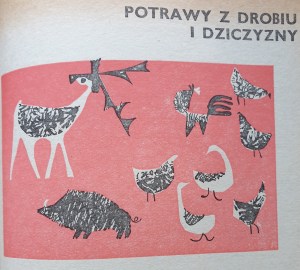
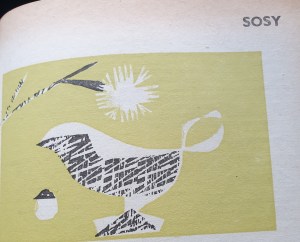
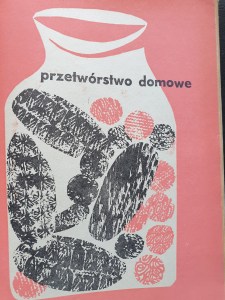
  • I have always loved the drawings in this book.
  • The drawing are in black and white each with one colour.
  • Cross Hatching and dots in black add texture to the illustrations
  • Below are a selection of these wonderful illustrations 

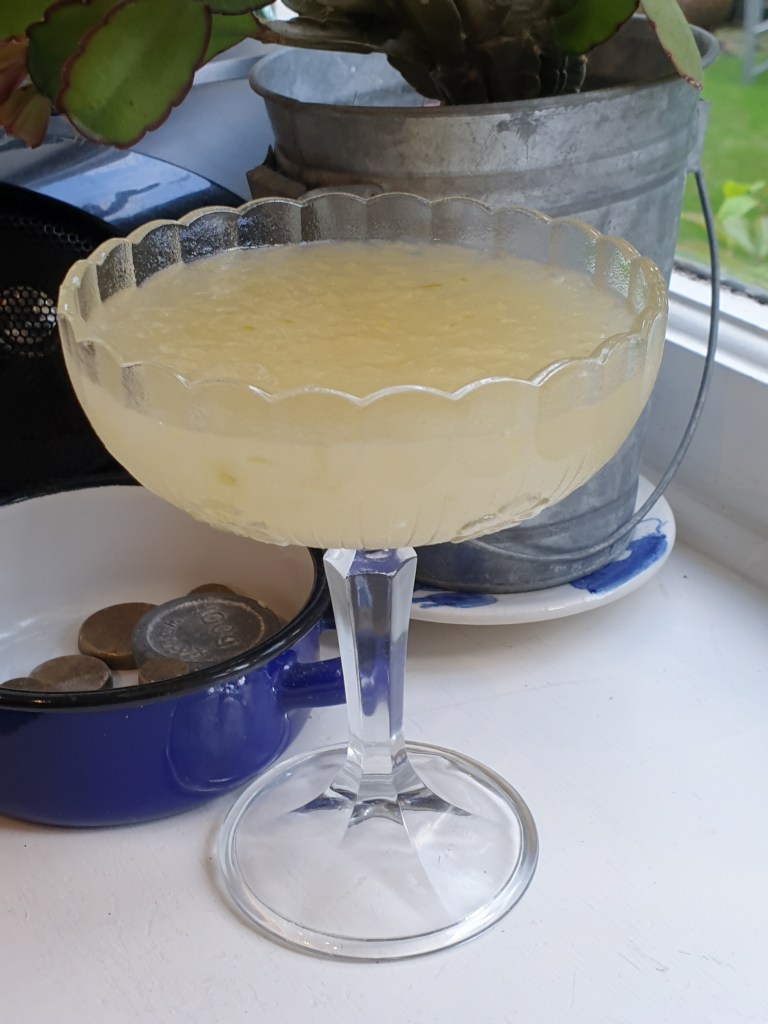
Kisiel – Apple

  • My mother never made kisiel with apples, she always used the red fruits in our garden.
  • I came across this recipe in my favourite old Polish cookbook (from 1956).
  • The recipe says to use sour apples.
  • I made it with Granny Smiths as the Bramley apples in my garden are not yet ripe.
  • I will make it again later in the autumn when they are ready.
  • A lemon is also used or a packet of citric acid crystals – these are nearly always for sale in Polish shops – quite handy for the stock cupboard.
  • This is a lovely delicate dessert.

Ingredients

  • 400g Granny Smiths apples – grated
  • 350ml & 150ml water & 60ml
  • 50 – 80g granulated sugar (depends on the apples)
  • Juice and zest of 1 lemon
  • 40g potato flour

Method

  • Put the grated apples in a small saucepan with 350ml of water.
  • Simmer gently, stirring with a wooden spoon and cooking until the apples are a thick pulp.
  • Remove from the heat.
  • Add the juice and lemon zest.
  • Add the 150ml of water.
  • Add the sugar to taste.
  • Mix the potato flour with 4 tablespoons of water (60ml) to give a thick paste.
  • Add the potato flour mixture to the apples and stir well.
  • Put back on a gentle heat and stir well until you get a thick mass.
  • You can add a little more water if this is too thick.
  • Pour into a large glass bowl or into individual serving glass dishes.
  • Chill well before serving.

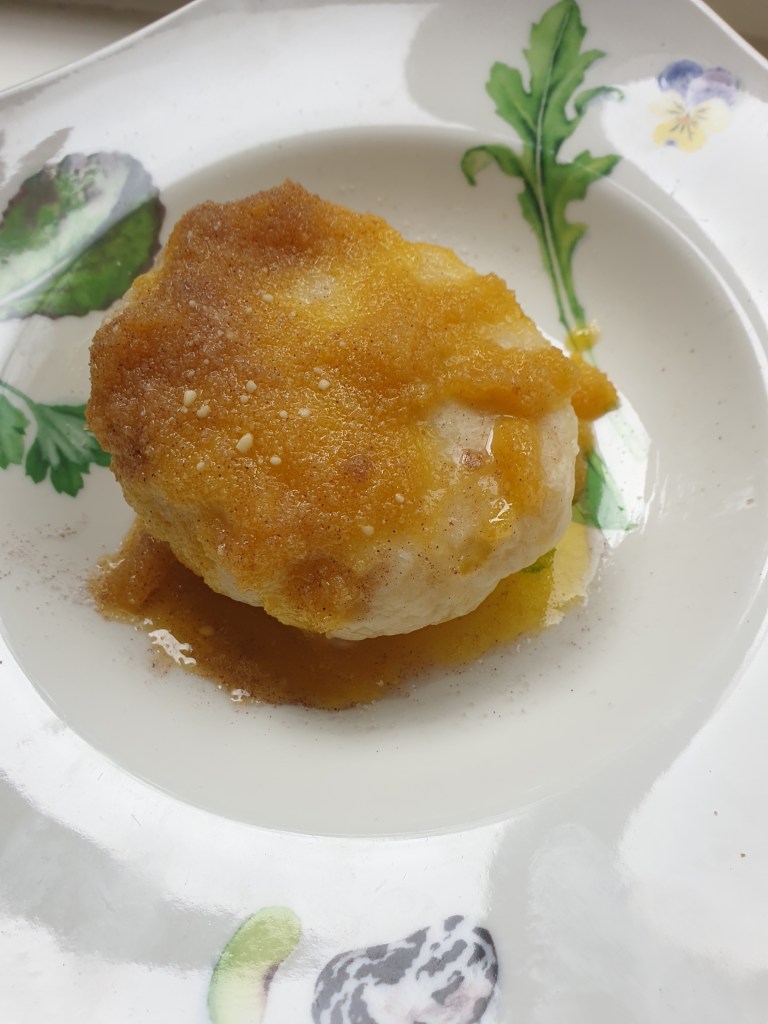
Sweet Knedle – 2

  • In some parts of Poland the dough for plum knedle is made from cold boiled potatoes.
  • Best to boil the potatoes earlier than you need them.
  • In Poland small dark plums called węgierki (Hungarian plums) are used.
  • I think that in America these are called Italian plums.
  • Use ripe plums – small ones are best.

    Ingredients 

  • 8 plums
  • *
  • 600g cold boiled potatoes
  • 1 tablespoon of melted butter
  • 1 egg and 1 yolk
  • 120g plain flour (approx)
  • Pinch of salt
  • *
  • To serve
  • Butter
  • Dried breadcrumbs
  • Ground cinnamon
  • or
  • Soured cream
  • Icing sugar
  • Ground cinnamon 

Method

  • Make sure the potatoes are cold.
  • Mash the potatoes or use a ricer so you do not have any lumps.
  • Add the melted butter, egg, yoke and a pinch of salt.
  • Mix well together.
  • Add the flour bit by bit – you want a dough that you can handle but not too stiff.
  • *
  • Mix around 3 tablespoons of granulated sugar with 1 teaspoon of ground cinnamon.
  • Wash and dry the plums and remove the stalks.
  • Remove the stone but do not cut through completely.
  • Put ½ to 1 teaspoon of the sugar mixture in the cavity.
  • *
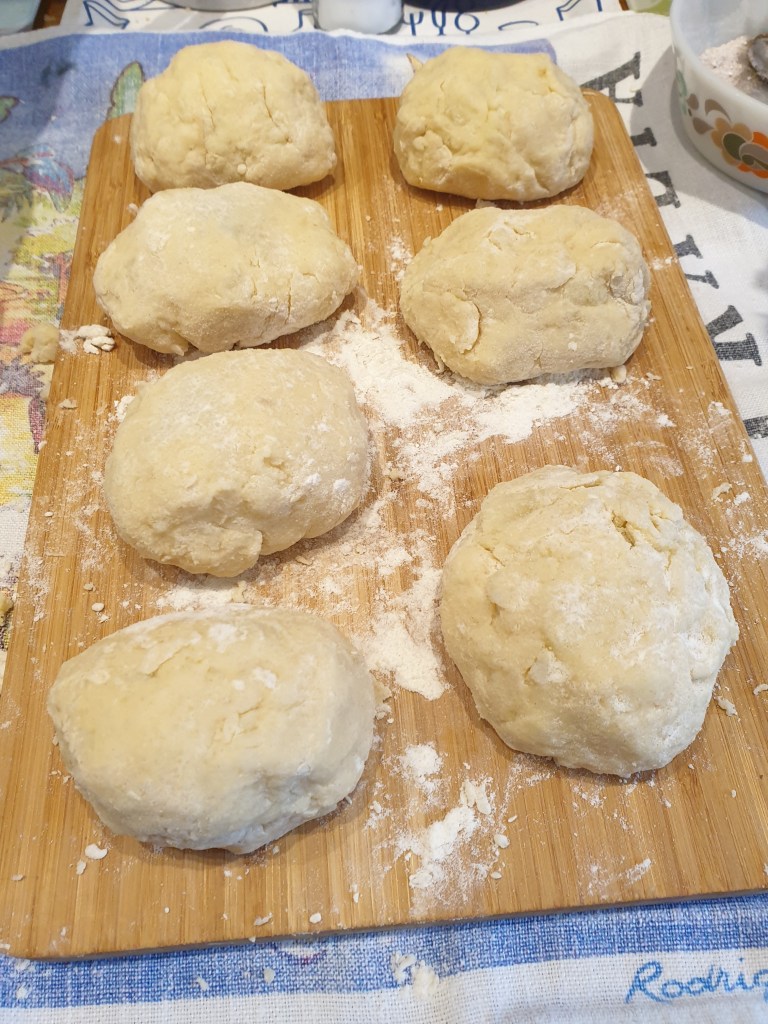
  • Divide the dough into 8 equal balls.
  • Flatten each ball.
  • Put a plum in the centre of the dough.
  • Shape the dough around the plum.
  • Seal up the “seam”.
  • Fashion a ball or oval with your hands.
  • *
  • Fill a wide pan with water and a tablespoon of salt and bring to the boil.
  • Drop in the knedle in batches – 3 or 4 at a time.
  • Boil for around 8-10 minutes.
  • They are ready when they float to the surface.
  • *
  • Serve with hot buttered breadcrumbs and a pinch of cinnamon
  • or
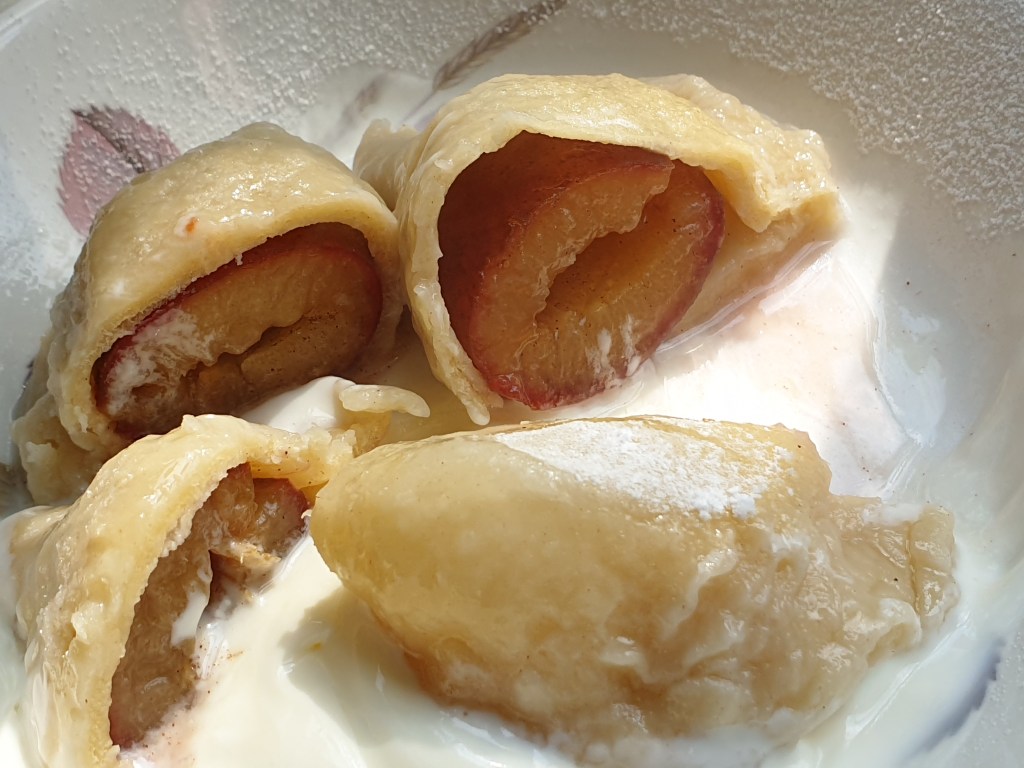
  • Serve dusted with icing sugar and soured cream and a large sprinkling of cinnamon.

Note

I have read that some people serve these as a side dishes with roast meats.

Sweet Knedle – 1

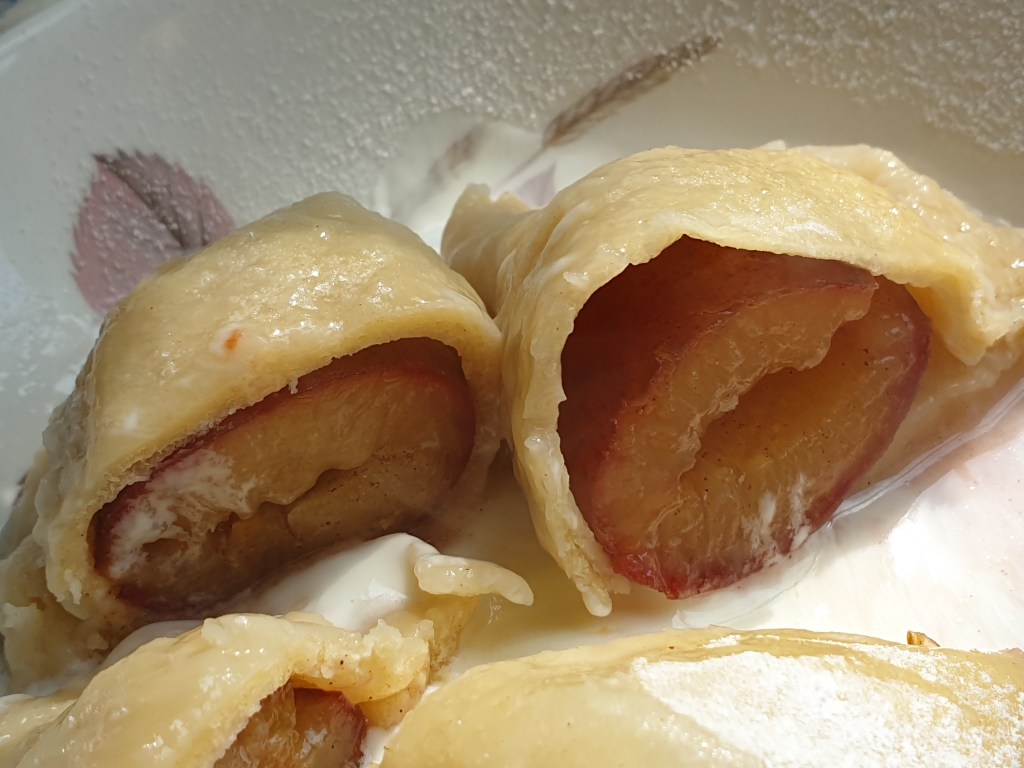
Knedle – Dumplings – With Plums

  • For me these are sweet pierogi –  but I have been assured by my aunties in Poland – who made them for me on my last visit  – that because of their shape – round balls – these are always called knedle. (This if from the German word  knödel – for dumplings).
  • The dough is just the same as for pierogi and they are also boiled in the same way but will take a bit longer to cook depending on the size of the plums.
  • In Poland small dark plums called węgierki (Hungarian plums) are used.
  • I think that in America these are called Italian plums.
  • Serve them warm, dusted with icing sugar and soured cream.

Pierogi Dough

  • Use the standard recipe for pierogi, just using 250g of flour (see below)
  • Best not to make too many as they should be served warm and do not freeze well.

Plum Filling

  • 500g fresh plums – small ones are best for the round shape.
  • Mix around 3 tablespoons of granulated sugar with 1 teaspoon of ground cinnamon.
  • Wash and dry the plums and remove the stalks. 
  • Remove the stone but do not cut through completely.
  • Put ½ to 1 teaspoon of the sugar mixture in the cavity.
  • Roll out the dough – slightly thicker than for pierogi.
  • Cut strips of dough more than twice the size of the plum.
  • Place the filled plum on one side of the dough.
  • Fold over the other part of the dough and seal the edges well with your fingers  – take care as the added sugar produces liquid – use excess dough to give a good seal then cut away this excess dough to give a more rounded shape.
  • Drop them into boiling water.
  • Simmer for around 10 minutes.
  • Remove with a slotted spoon into a colander.
  • Dust with icing sugar and serve with soured cream.

Ingredients – Dough

  • 250g pasta flour or plain flour & 2 tablespoons of fine semolina
  • 150ml water
  • 1 tablespoon oil – sunflower or light olive
  • ½ teaspoon salt
  • 1 egg yolk

Method – Dough

  • In a jug or bowl mix together the water, oil and the yolk.
  • Put the flour and salt into a large bowl and make a well in the centre.
  • Pour in the liquid from the jug and initially use a knife to mix this into the flour and then use your hands to mix the liquid and flour to get a ball of dough.
  • Turn this out onto a floured board and knead the dough for a few minutes until you have a smooth ball.
  • Cover and leave to rest for about ½ an hour.
  • Roll the dough out – slightly thicker than you would do for pierogi..

Kompot – Apple

Kompot translates as compote but in Poland the word has a slightly different meaning than in the French.

Rather than a dish of stewed fruit it is a refreshing drink made with fruit.

Any seasonal fruit may be used such as:

  • raspberries, strawberries, wild berries
  • gooseberries, rhubarb
  • apples, cherries, plums
  • dried fruits can also be used.
  • *
  • Spices such as cinnamon or cloves can be added.
  • Depending on the time of year kompot can be served hot or cold.
  • *
  • The usual proportion of fruit to water is –
    1 kilo of fruit : 2litres of water.
  • A little sugar may be added depending on the sweetness of the fruit.
  • *
  • I was busy this summer making fruit soups and did not make any kompot.
  • I have lots of Bramley apples from the garden so decided to use them.
  • I had forgotten how refreshing this drink can be.
  • *
  • I will do other fruit versions next summer and also a dried fruit version later.
  • In summer you can use eating apples – very little sugar or no added sugar will be necessary.

Ingredients

  • 750g of Bramley apples (or other cooking apples)
  • 1½ litres of water
  • 1 small stick of cinnamon
  • 2-3 tablespoons of granulated sugar

Method

  • Put the water into a large saucepan.
  • Add a small stick of cinnamon.
  • Peel and core the apples.
  • Cut the apples into 6 – 8 segments.
  • Add the apples to the pan.
  • Bring to boil and then simmer for around 5 minutes.
  • You do not want the apple to disintegrate.
  • Leave to cool slightly.
  • Add sugar spoonful by spoonful and check – you do not want too much.
  • *
  • Served here cold but can also be served warm.

Note

Leave the chunks of fruit at the bottom of the glass or you can eat them with a fork!