Racuszki made with Yeast

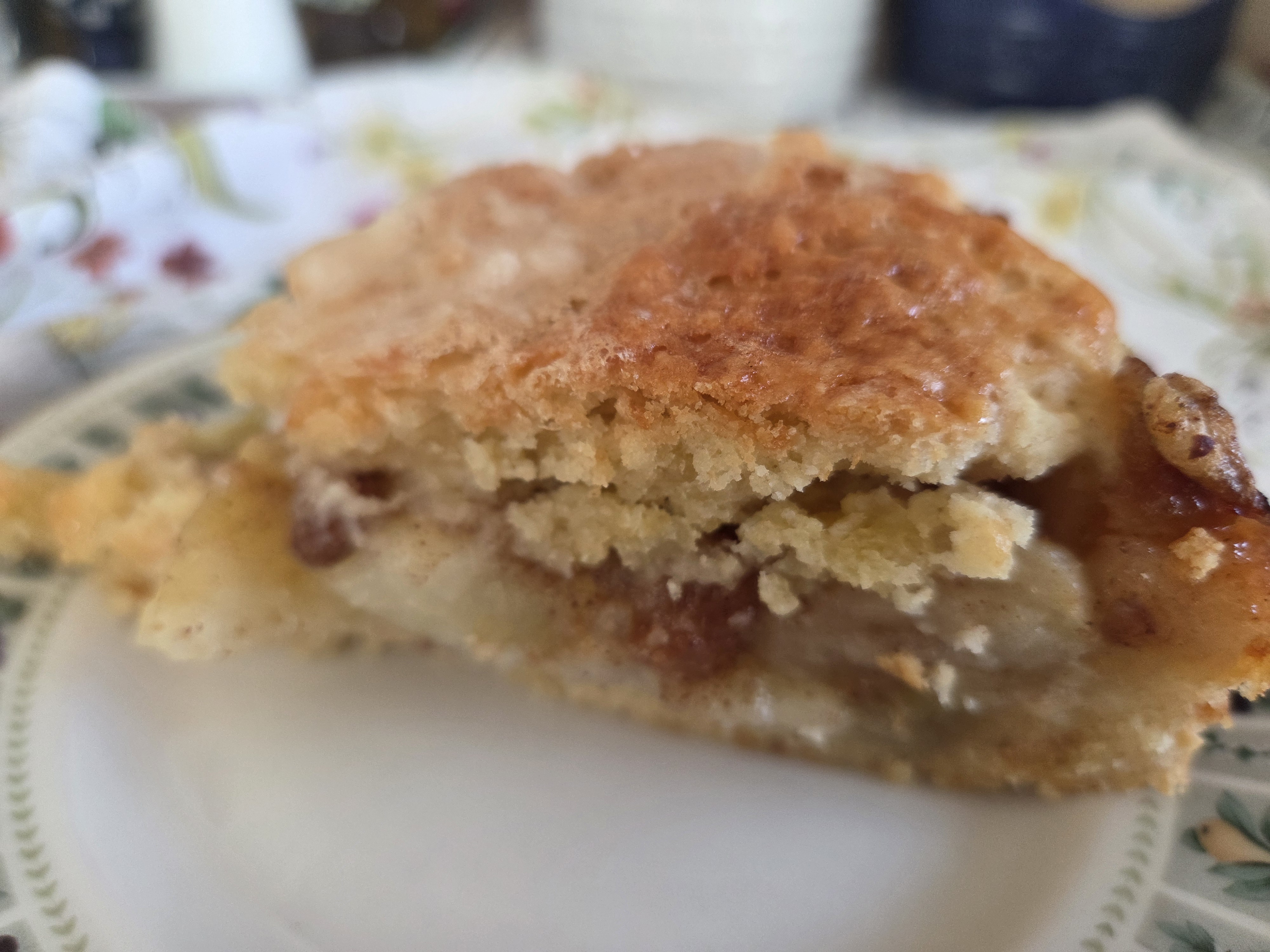
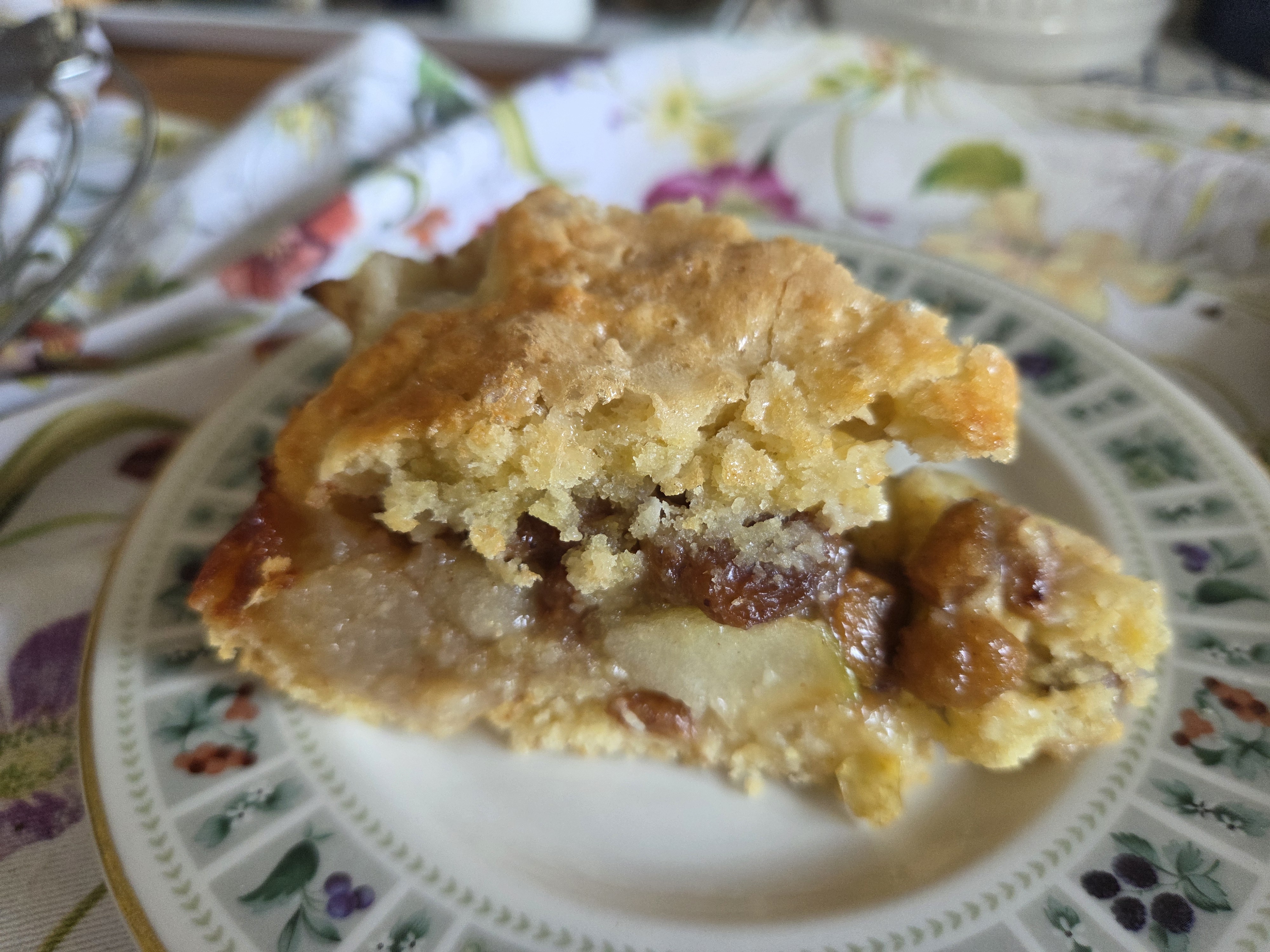
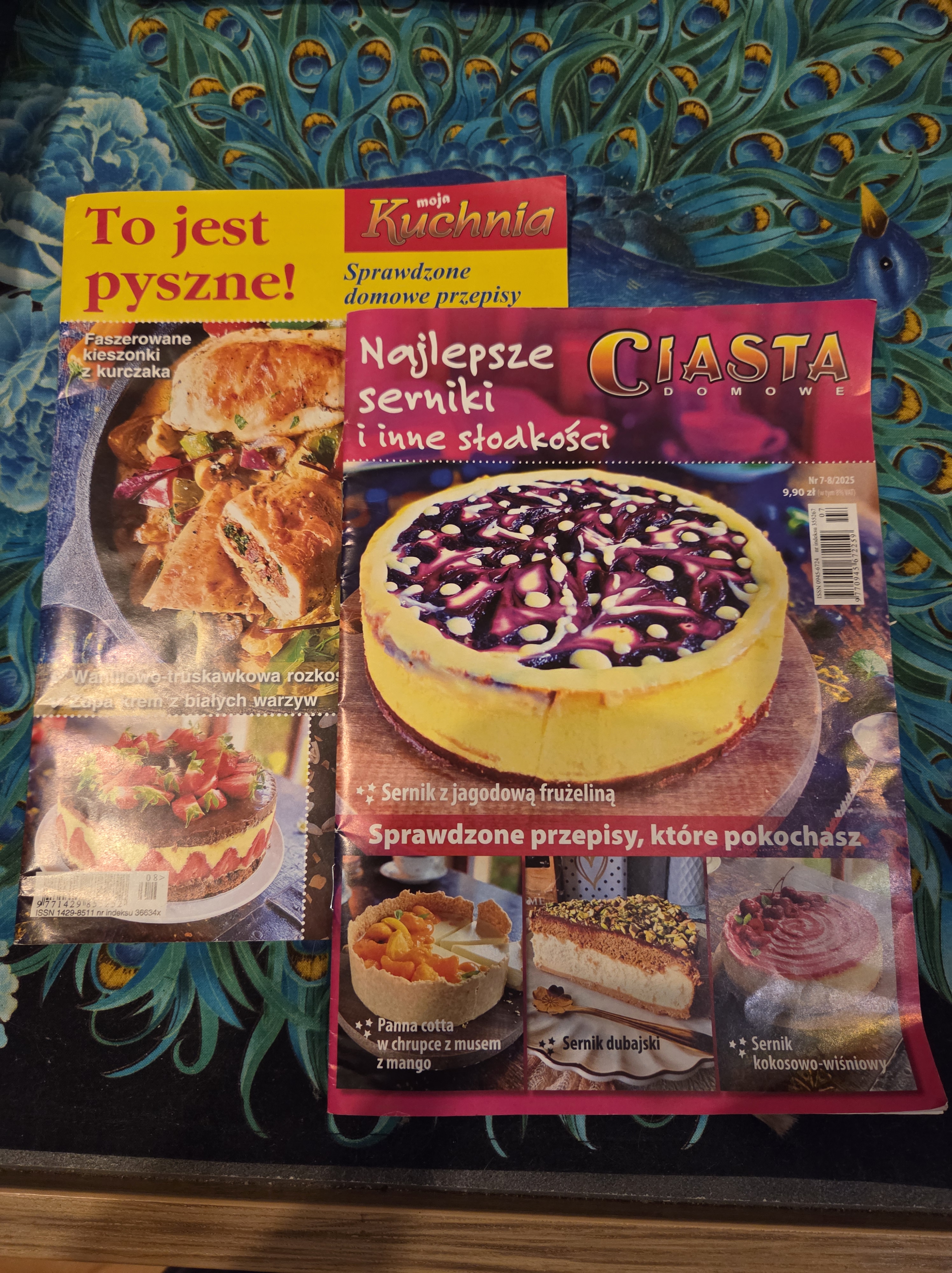
  • One of my Polish friends came over and whilst we were chatting we found that we both had a copy of the Kuchnia Polska, that I call my bible.
  • She had wanted to show me how to made Racuczki (fritters/pancakes) made using yeast.
  • We followed the instructions from the book.
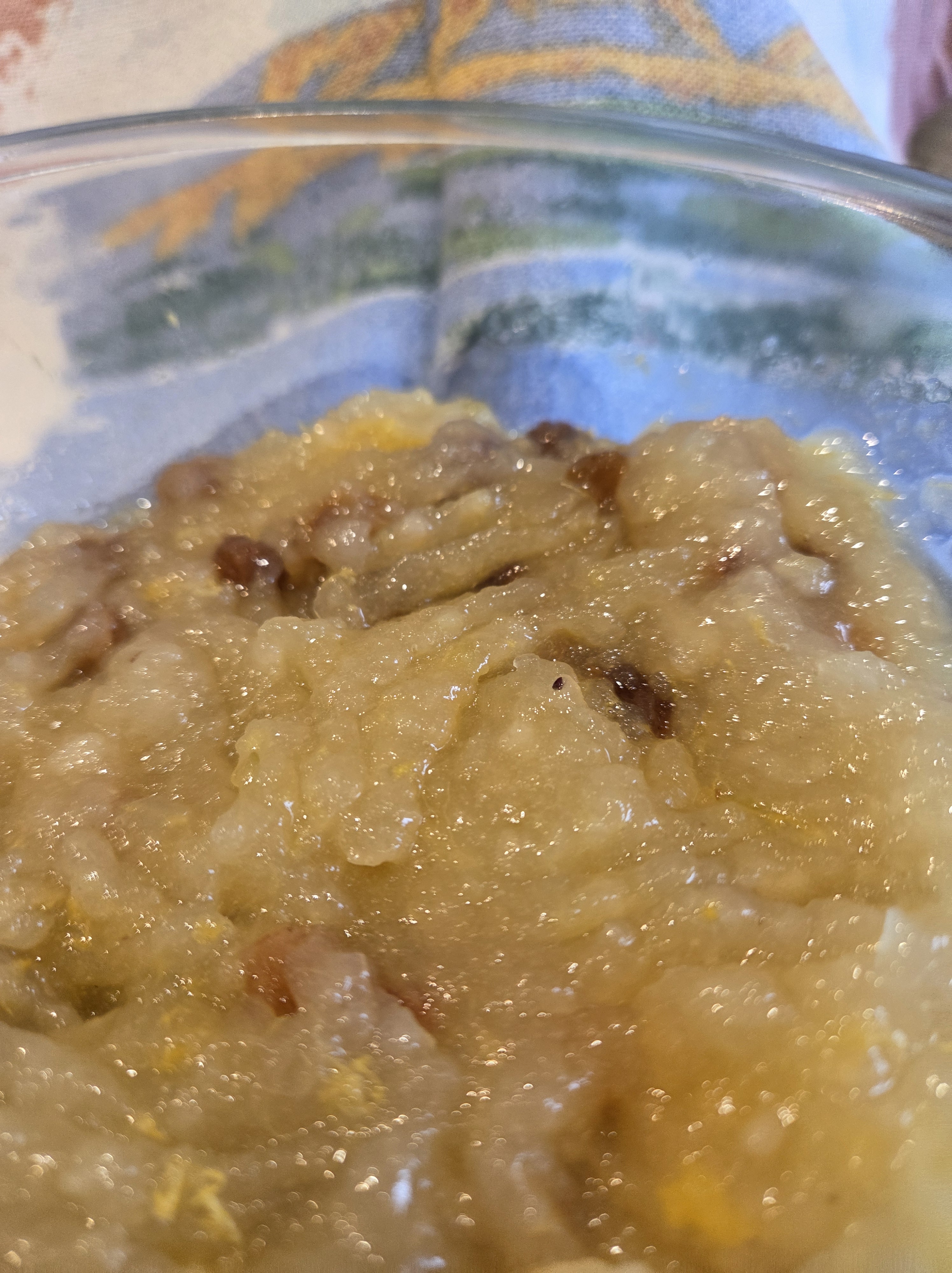
  • We had ours with a bought apple and rose petal jam.

INGREDIENTS

  • 250g  of  plain flour
  • 2 eggs
  • 250 ml of milk
  • 15g of fresh yeast
  • 50g of granulated sugar
  • *
  • Sunflower oil for frying.
  • *
  • Jam or fruit syrup to serve.

METHOD

  • Warm the milk to hand heat and add the yeast and  ½ teaspoon of the sugar.
  • Leave to start to bubble.
  • Mix the eggs with the rest of the sugar.
  • Mix together the yeast mixture and the egg mixture with the flour.
  • You are aiming for a thick cream mix – adjust with more milk or flour as necessary.
  • Cover and leave until the mixture rises.
  • *
  • Heat sunflower oil in a frying pan.
  • Add large tablespoonfuls of the mixture to fry.
  • Using 2 spoons is a help.
  • Fry till golden on both sides.
  • *
  • We had ours with apple and rose petal jam.

Herring Salad – 2

This is another version of herring salads.

  • INGREDIENTS
  • 1 packet of Matjes style herrings
  • Milk for soaking
  • 2 small onions peeled and thinly sliced
  • 1 or 2 eating apples – cored and chopped into small cubes
  • 2 gherkins – chopped into small pieces
  • Juice from 1 lemon 
  • Dollops of soured cream or yoghourt – Optional

METHOD

  • Remove the herrings from the packet (keep the liquid).
  • Place the herrings in a shallow dish of milk.
  • Soak in the milk for several hours.
  • Dry with them off with kitchen roll.
  • Cut them into small chunks.
  • Layer up the ingredients on the long plate.
  • Pouring the herring liquid over the onions.
  • Pour lemon juice over the apples.
  • Place some dollops of soured cream on the top.

Rosemary & Sultana Buns

  • This recipe is based on an Italian recipe  – Pan di rameniro.
  • These were originally eaten on Holy Thursday.
  • I am sure they would be well loved in Poland.
  • They are both slightly sweet and savoury.
  • *
  • If you want whole buns you will need to use 2 baking sheet.
  • Here only 1 sheet was used and the buns spread into each other slightly

INGREDIENTS

  • 10g of dry yeast
  • 200ml of hand hot water
  • 1 tablespoon of granulated sugar
  • *
  • 300g plain flour
  • *
  • 2 large sprigs of fresh rosemary
  • 70g of sultanas
  • 60ml of virgin olive oil + little extra for brushing
  • *
  • Large pinch of salt
  • *
  • 4 tablespoons of granulated sugar
  • 2 tablespoons of water

METHOD

  • Mix the dry yeast, sugar and hand warm water.
  • Leave for around 10 minutes so it gets frolly.
  • *
  • In a large bowl mix the flour with the yeast mixture.
  • Gather the mixture together and mix till you have a smooth ball.
  • Cover the bowl with a cloth or a plastic cover and leave for around 90 minutes.
  • *
  • Remove the rosemary leave from the woody stems.
  • Chop the leaves into small smaller pieces.
  • Mix the olive oil with the rosemary and sultanas – stir ocasionally.
  • *
  • Gather up the sides of the risen dough and form into a rectangle.
  • Pour in the oil mixture and mix together by kneading.
  • NOTE – this can be a little difficult.
  • You might need a little extra flour.
  • Keep on kneading until you have a uniform dough.
  • Flatten this out on  a board and cut into 8 pieces.
  • *
  • With your hands shape each piece into smooth balls.
  • *
  • Place some baking parchment over a baking tray.
  • Place the buns on the tray leaving some room to spread.
  • Cover the tray loosely with a cloth.
  • *
  • Preheat the oven to GM5 – 200°C.
  • Brush the tops of the buns with a little olive oil.
  • With a sharp knife make a noughts and cross grid on each bun.
  • Let them rest for 16 minutes.
  • Bake in the oven for 30-35 minutes.
  • *
  • Prepare a sugar glaze by gently heating together 4 tablesoons of sugar with 2 tablespoons of water.
  • Brush the cooked buns with the hot syrup.

Brussel Sprouts with Horseradish

  • Although I usually serve Brussel Sprouts with buttered breadcrumbs (à la Polonaise), I am always looking for other ways to serve them.
  • This recipe uses two often used in Polish ingredients – crispy smoked bacon pieces – skwarki and soured cream.

INGREDIENTS

  • 500g of Brussel sprouts
  • 6 slices of smoked bacon
  • 3 tablespoons of horseradish sauce
  • 6 tablespoons of soured cream
  • Salt and pepper to taste.

METHOD

  • Steam the Brussel sprouts in the usual way.
  • Chop the bacon into small squares and cook in a frying pan to release all the fat and give you crispy bits – skwarki 
  • Mix the horseradish sauce with the soured cream.
  • Mix the cooked Brussel sprouts, first with the bacon – season to taste –
  • Then add the horseradish soured cream mix.
  • Serve straight away.

Tinned Sprats and Wild Herbs

Spring time and lots of wild herbs are growing.

This is a simple recipe, which can easily be adapted for the ingredients that you have.

INGREDIENTS

  • 1 tin of sprats – (szprotki – in Polish) in oil
  • 1 red onion – finely chop
  • Handful of flat leaved parsley
  • Several young dandilion leaves ( if not available use rocket leaves)
  • Handful of wild garlic leaves
  • Handful of Garlic chives (these grow in my garden)
  • Juice of 1 lemon
  • Salt and pepper to taste

METHOD

  • Drain off the oil from the sprats (keep as you may need a little).
  • Use a fork to chop up the sprats.
  • Add the red onion.
  • Chop all the herb leaves.
  • Add these to the sprat mixture.
  • Mix well with a fork.
  • Pour the juice of the lemon over the mixture.
  • Add any oil if liked.
  • Season to taste.
  • Delicious as a spread on rye bread.

Chicken Pierogi Filling

  • One of my Polish friend’s came over and we made pierogi for dinner.
  • We used minced chicken to make the filling.
  • Now this is different to the way I make the filling as I have always used cooked chicken.

INGREDIENTS

  • 500g minced chicken
  • 2 onions
  • 1 tablespoon of curry powder or similar
  • 1 – 2 tablespoons of water
  • Sunflower oil to fry the meat  and onions.
  • Salt & pepper to taste

METHOD

  • Chop the onions into small pieces.
  • Fry the onions in a frying pan.
  • Add the chicken, stir and fry till cooked.
  • Add the curry powder.
  • Add the water and cook for a few minutes.
  • Season to taste.
  • Cook off some of the liquid or drain this away.
  • Cook till dry-ish.
  • Leave to go cold.
  • *
  • Make your pierogi in the usual way.
  • Try the spelt flour dough posted a short while ago.

Ewa’s Pierogi Dough

  • One of my Polish friends, Ewa, came round and we made pierogi by her method.
  • It is not so different to mine but she uses spelt flour- orkiszowa.
  • Spelt flour is a more ancient wheat flour and and is a little different to work with,
  • Ewa used cup measurement but I have converted these into weights.
  • The amount of water needed depends on the flour and this is something you learn to gauge as you work with the dough.

INGREDIENTS

  • Around 300 – 350g Spelt flour
  • 1 egg yolk
  • 1 tablespoon sunflower oil
  • Large pinch of salt
  • 150 – 190ml water – depends on the flour.

METHOD

  • Place the flour in a heap on a large pastry board.
  • Make a well in the centre and add the salt, yolk and oil.
  • Start to add the water and combine the liquid with the flour.
  • Keep adding water and mixing until you have a soft dough.
  • (if you add too much water – add more flour).
  • Make a ball with the dough and knead it well for 5 minutes – set a timer.
  • *
  • Use the dough as you would normally –
  • Best to divide into half and roll each portion out into a thin sheet.
  • *
  • Make the pierogi in the usual way with your favourite fillings.
  • *
  • This  amount of dough should make at least 50 pierogi.
  • Fill a large saucepan with water and bring it to the boil.
  • Add half the pierogi and boil them until they rise and float to the surface.
  • Use a slotted spoon to remove them – serve or keep warm with a little butter or oil.
  • Repeat for the other half.
  • (Note this is a slightly different way of boiling than I usually use).
  • *
  • Serve with the toppings you would normally use to go with the filling such as butter, fried onion, skwarki (bacon bits) or soured cream etc.

The ones we made were filled with chicken – made in a different way to how I do a chicken filling – see a later post for this – not yet written.

Yoghurt Cheese Salad

INGREDIENTS

  • 250g of full fat twaróg or yoghurt cheese
  • Bunch of radishes – finely sliced
  • 1 large gherkin – chopped into small cubes
  • Bunch of spring onions – finely chopped – white and green parts
  • Salt & Pepper to taste
  • *
  • Some Greek style yoghurt or soured cream – may be needed to loosen up the cheese.
  • OPTIONAL
  • ½ fresh cucumber – peeled, deseeded and chopped into small cubes.

METHOD

  • Mix the twaróg or yoghurt cheese with the radishes, gherkins and spring onions.
  • Add the cucumber if using.
  • Add the yoghurt or soured cream if needed.
  • Season to taste.

Celeriac & Potato Placki

  • I saw this recipe in a magazine and thought they would be good.
  • I had a couple of goes at these as the original recipe did not work as the placki just kept falling apart.
  • The potatoes MUST be grated on a fine grater.
  • Some – but not all – of the potato liquid needs to be removed.
  • I added onions to the original recipe.
  • They have a slightly sweet taste because of the celeriac.

INGREDIENTS

  • Around 300 – 500g of peeled celeriac
  • Equal weight of peeled potatoes
  • 2 small onions – chopped very fine or blended.
  • 2 eggs – beaten
  • 3 tablespoons of plain flour
  • Salt & pepper
  • Sunflower oil for frying.

METHOD

  • Grate the celeriac on a coarse grater and place into a bowl.
  • Grate the potato using a fine grater.
  • Use a  cheese cloth to remove some of the potato liquid BUT
  • Keep this liquid as you might need some of it.
  • Mix the grated celeriac and the grated potato.
  • Add the onions and mix well.
  • Add the beaten eggs and 3 tablespoons of flour.
  • If the mixture is very “sloppy” add a little more flour.
  • If the mixture is very dry – add a little of the potato water.
  • You are aiming for a thick mixture.
  • Season with the salt and pepper.
  • *
  • Heat the oil in a frying pan.
  • Fry large tablespoonfuls of mixture at a time.
  • Cook each side on a medium heat.
  • Do not turn the placki too soon – they tend to fall apart.
  • Take care not to burn them.
  • Keep warm in a low oven if you want to serve them all together.
  • *
  • Serve with fried eggs or with a cold twaróg salad (see later post).

Medieval Chicken

  • This in fact is a very old English recipe. 
  • However it could have been made in Poland as grapes grew there in Medieval times.
  • In the original recipe a whole chicken was used and green grapes and sage placed in the cavity.  The chicken was then simmered in stock.

  • In the following  recipe chicken joints with skins on them are used as this seemed nearer the original version.

INGREDIENTS

  • 4 to 5 chicken joints with the skin on
  • 80g green grapes + some extra for serving
  • Large tablespoon of chopped fresh sage
  • 200 – 250ml of vegetable or chicken stock
  • 250ml of white wine.
  • *
  • 1 teaspoon of ground cinamon
  • 1 teaspoon of sugar

METHOD

  • Pre-heat the oven to GM4 – 180ºC.

  • Cook in a roasting dish covered with foil or

  • A roasting dish with a lid.

  • If the grapes are large cut them in half.

  • Place the grapes and chopped sage under the skin of each joint and tuck it back over the flesh.

  • Place the joints in the base of the roasting tin.

  • Put the garlic in-between the joints.

  • Pour the stock and the wine over the chicken.

  • Put the foil or lid over the roasting tin.

  • Cook for 60 to 75 minutes.

  • *
  • Mix the sugar and cinnamon together

  • Sprinkle a little over each joint when serving.

  • *

  • Add a few fresh grapes to serve.