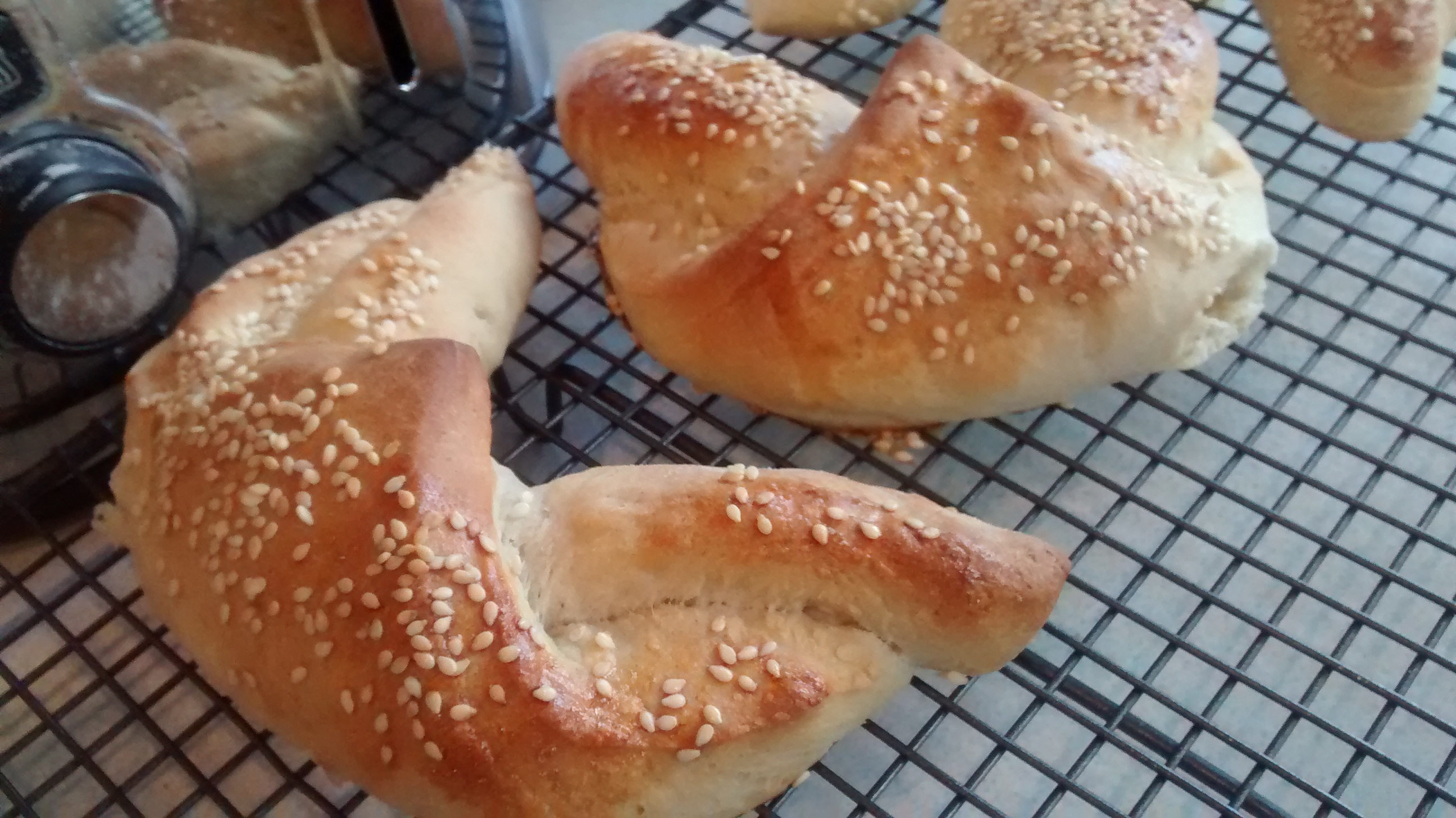
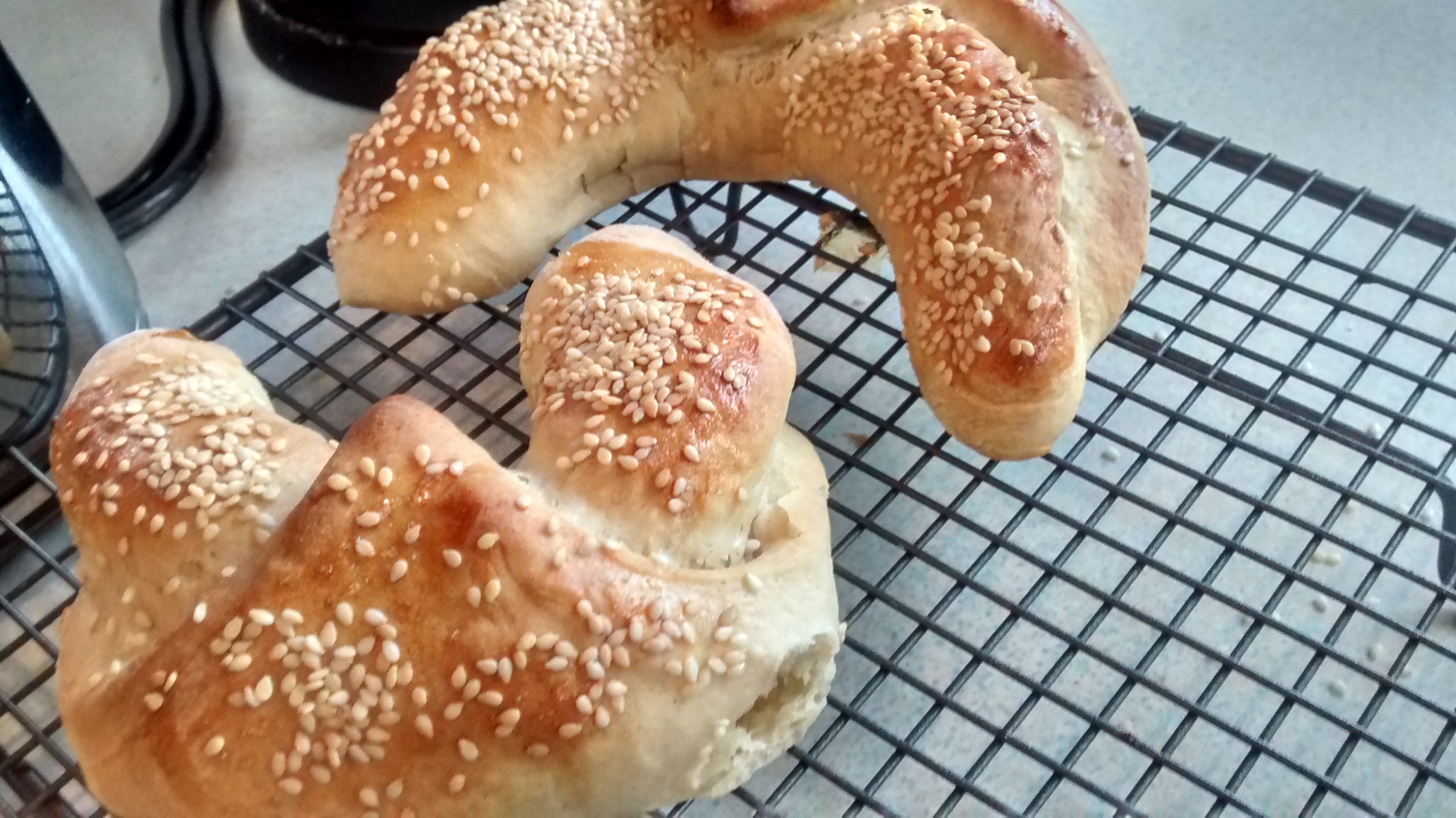
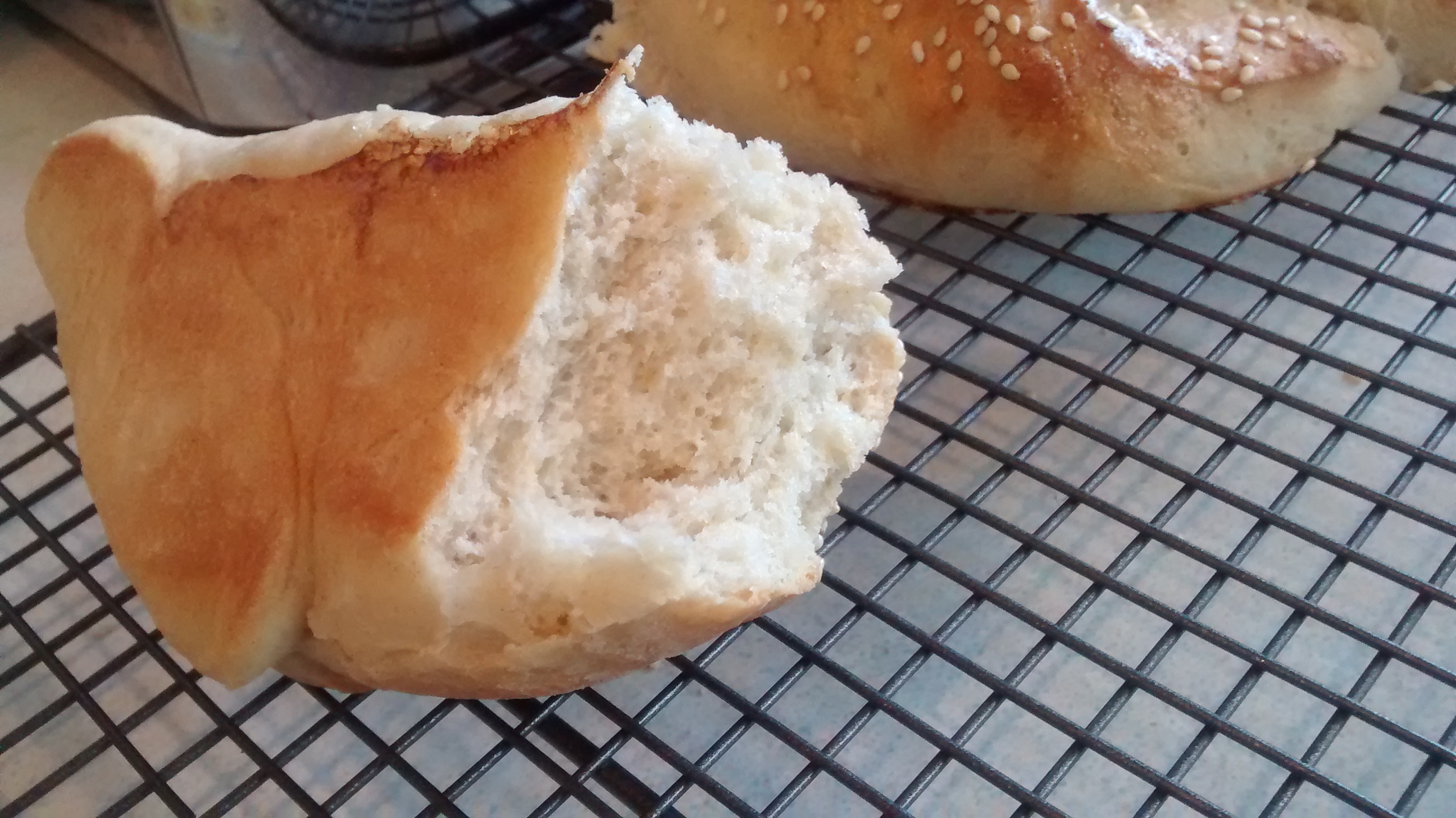
Kołaczyki – Little Wheels

Sweet Yeast Buns

Kołaczyki means little wheels from the word koła which means wheels.

In a previous post –  Bułeczki – Sweet Yeast Buns– I gave a recipe for basic sweet yeast dough – since then I have tried out a slightly different recipe – nearly the same ingredients but a slightly different method – and I think these turned out to be the best yeast buns I have ever made – so this is  – Basic sweet yeast dough version two. 

A few reminders when using yeast in baking

  • Learn to be patient – you cannot control the timings exactly with yeast, it depends on the temperature of the room and the flour used and other variables.
  • Do yeast baking on a day you are planning to be in & have other things to do, but ones you can break off from when needed.
  • Heat the milk so it is at body temperature – use the finger test – too hot and you will kill the yeast – too cold is okay – it will just take longer.
  • An egg glaze often burns too quickly –  I have found an egg white or egg white & water glaze gives a better result.

Older Polish recipes use fresh yeast. I have used dried yeast and have had very good results.  (I have not tried using easy bake yeast for this recipe).

Basic Sweet Yeast Dough Version 2

Ingredients

Leaven – Starter

  • 100g plain flour
  • 30g fresh yeast or 15-20g dried yeast
  • 125ml  milk

Rest of ingredients

  • 3 egg yolks
  • 60g sugar
  • 50g melted butter or block margarine
  • 400g plain flour
  • 1/4 tsp salt
  • Zest of 1 lemon
  • 2-3 drops of vanilla essence
  • 125ml milk

and

Save 1 egg white for use as a wash on the buns.

Method

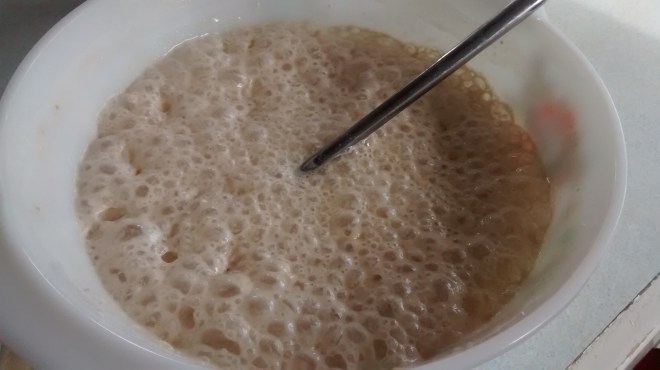
  • Warm the milk slightly – so it is just warm to the touch – and add the yeast and mix together.
  • Put the flour in to a bowl and add the milk and yeast  mix it all together and leave it covered until it is double in size.
  • *
  • Melt the butter and leave it to cool.
  • *
  • Whisk the yolks and sugar until they are pale and fluffy.
  • Grease 2 baking sheets – You should get around 15 buns. – invite people round!
  • Into a large bowl put: the flour and the salt, the yeast starter, the yolk mixture, the zest of a lemon, the vanilla essence and the milk.
  • Mix it all together so that you get a soft dough that comes away from the side of the bowl – you do not have to knead it.
  • Then work in the melted butter (this is the hardest part) until it is all incorporated and you have a uniform shiny dough.
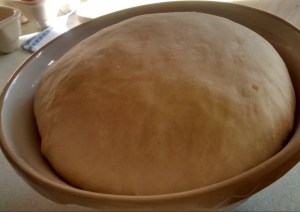
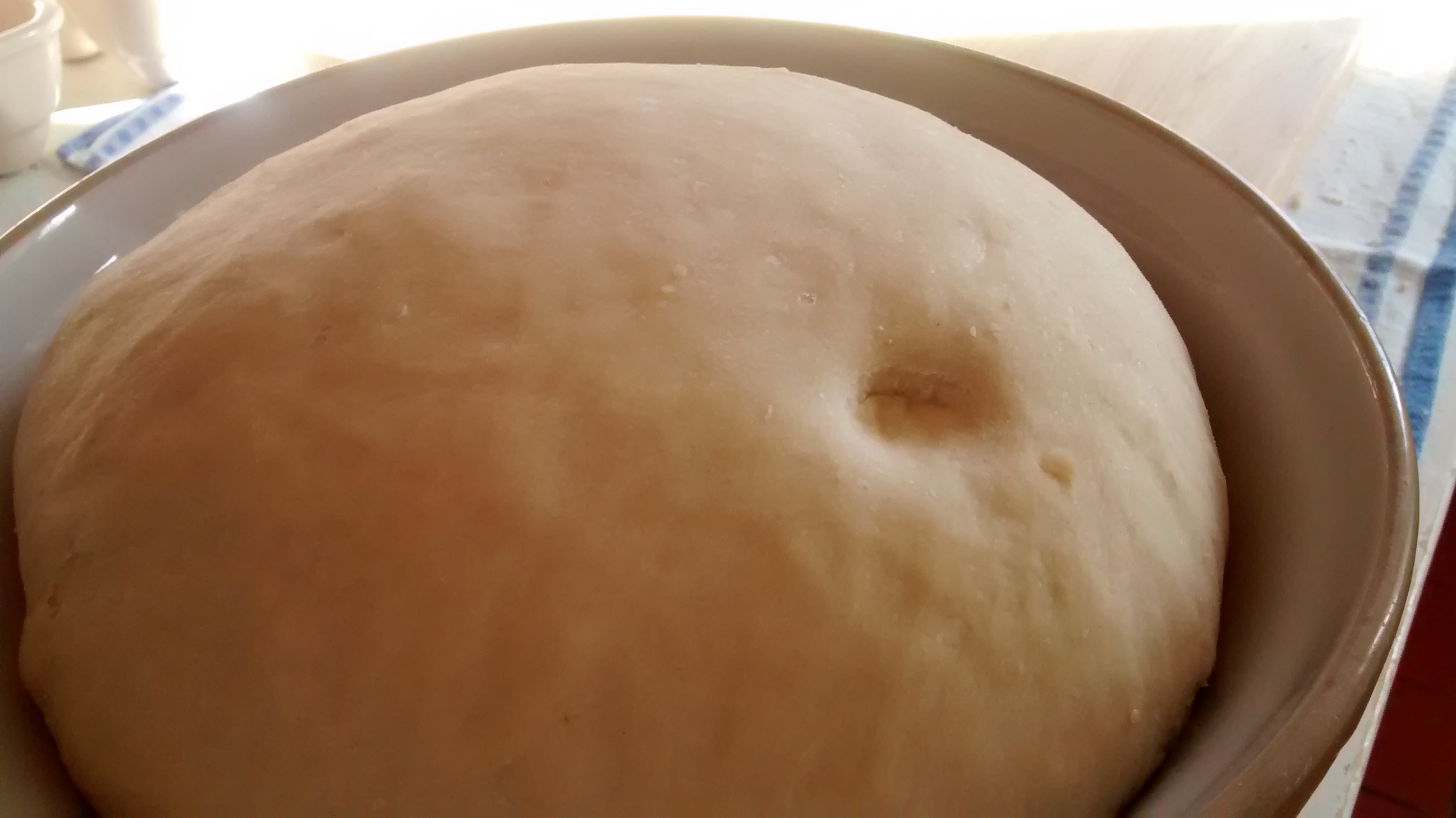
  • Cover the dough with a cloth and leave this to rise until it is double in size.
  • Onto a floured surface place the dough and form it into a rectangle and then roll this out until it is around  2cm thick.
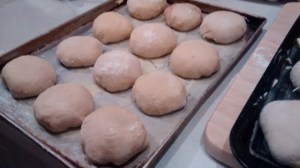
  • Using a 8cm diameter cutter cut out circles of dough and place them on the greased baking sheets, leaving room for the dough to rise.
  • Gather together the left over dough and repeat the process.
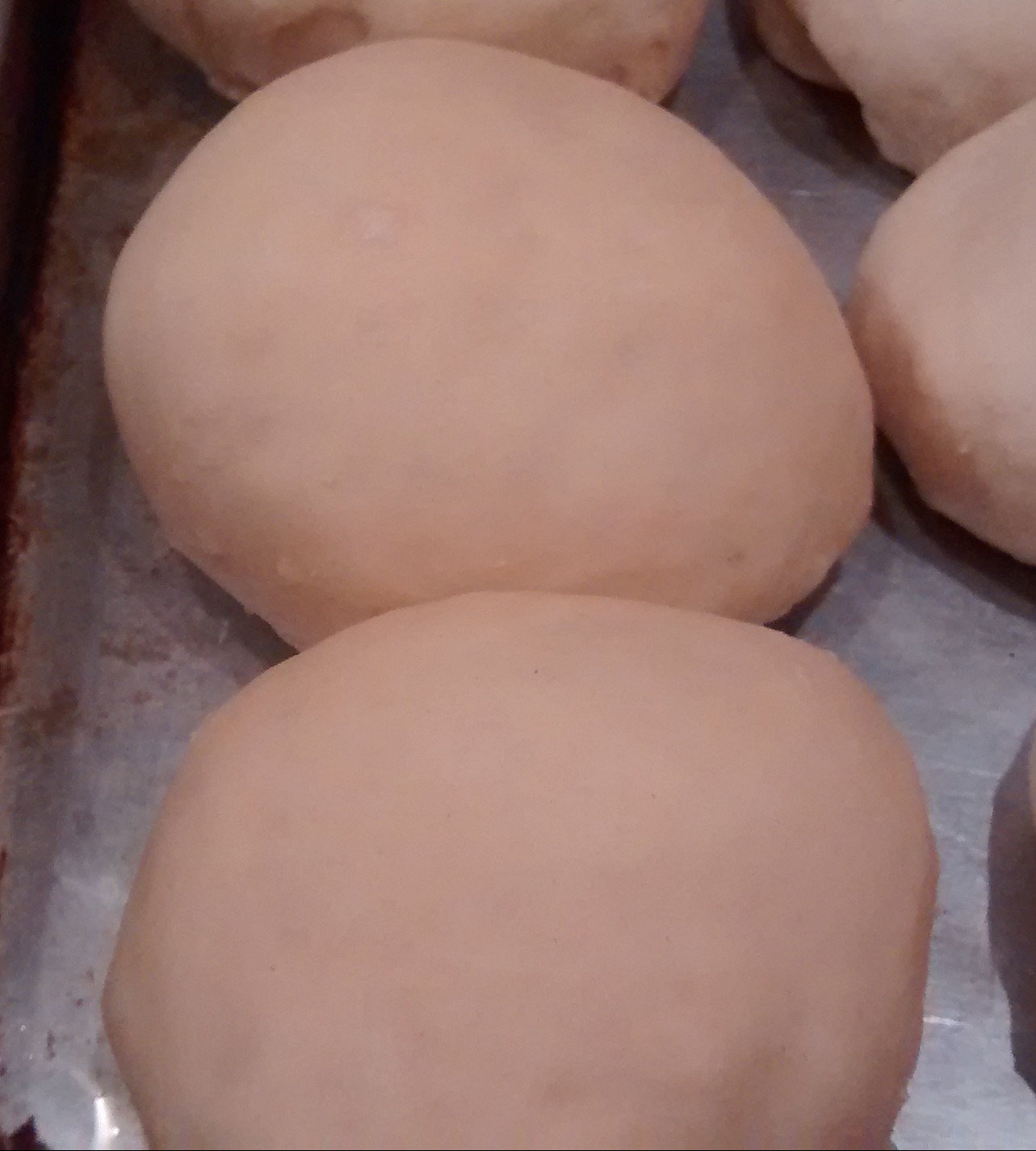
  • Cover the trays and leave the circles to rise and double in size.
  • Pre heat the oven to GM5 – 190ºC
  • Use a clean napkin or tea towel and cover the base of a tumbler.
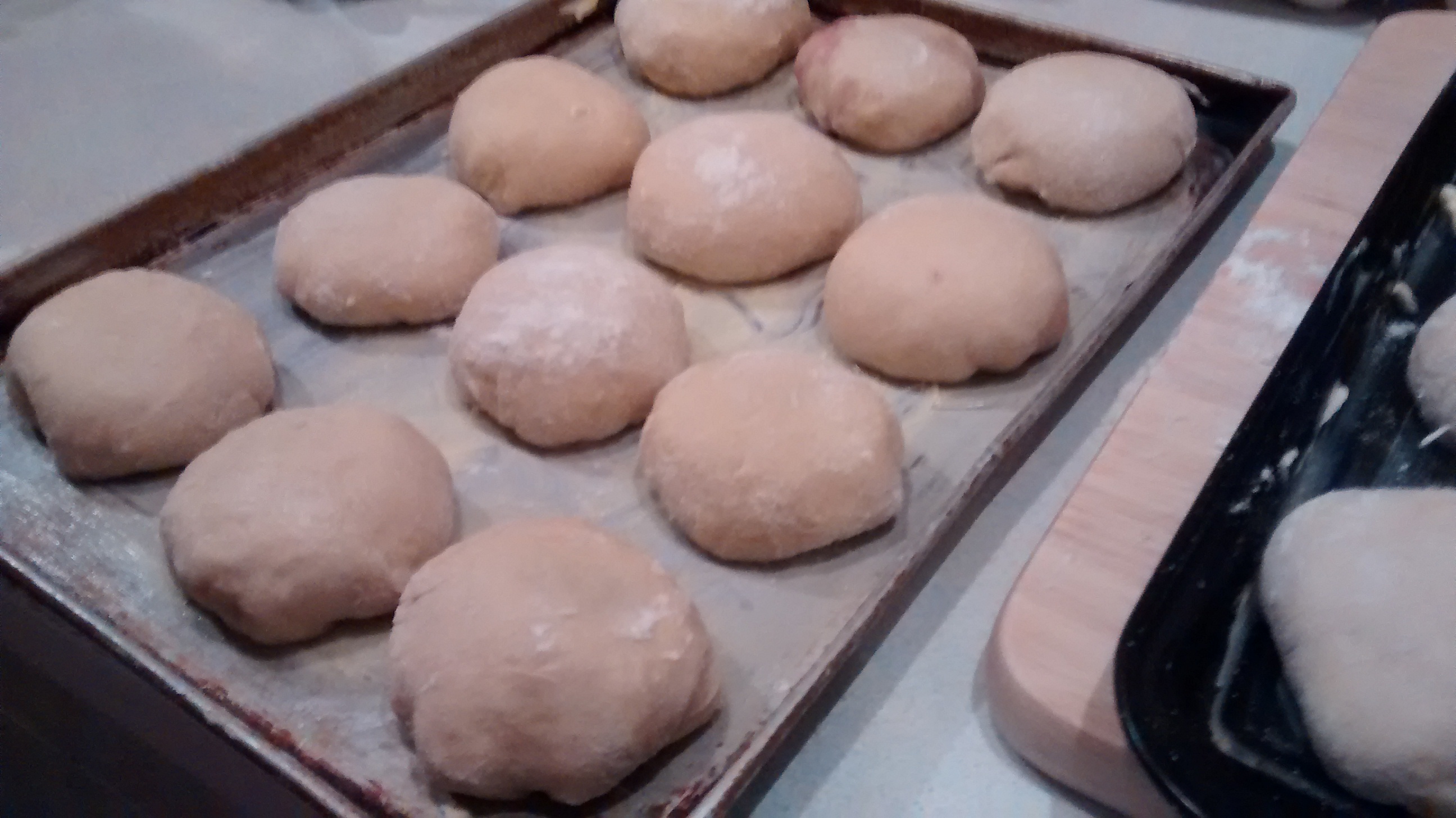
  • Use the covered tumbler and press down on the centre of each circle to form an indentation into which you will put a filling.

Fillings

  • These are the ones I tried –
  • Cheese mixture – similar to ones for baked cheesecake.
  • Mix together around 250g of cream cheese/twaróg/curd or yoghurt cheese, 70g icing sugar, 1 egg yolk and 2-3 drops of vanilla essence.
  • Blackcurrant jam (you could use any tart jam such as cherry or gooseberry )
  • English style sweet mincemeat – I use Delia Smith’s recipe (without the nuts)
  • Put a large dollop of the filling onto each circle.

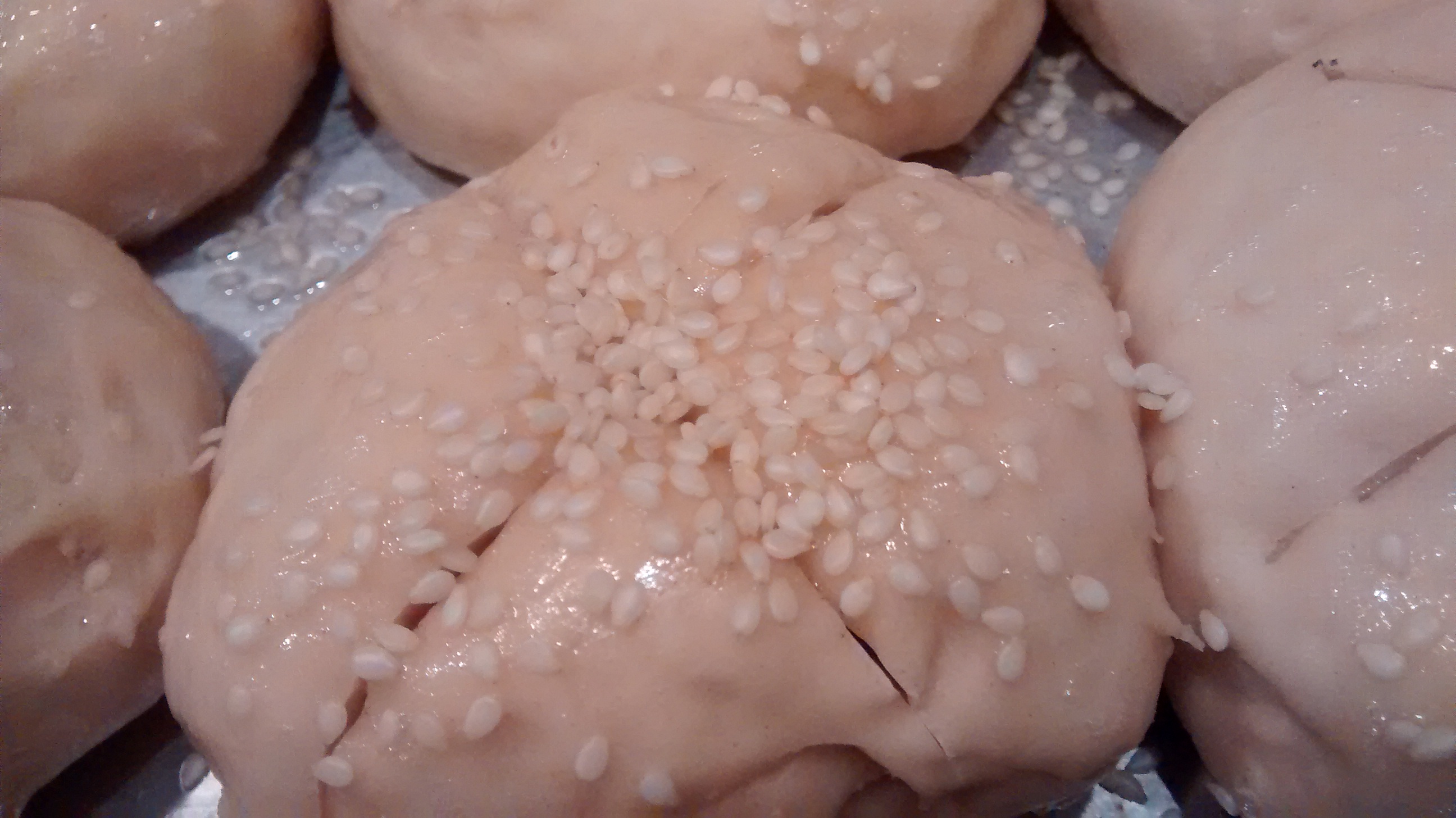
Brush the exposed dough with beaten egg white.
IMG_20151218_075301762

Topping

This is for the jam or mincemeat only – not the cheese mixture.

Kruszonka – Crumble Mixture

Ingredients

  • 50g plain flour
  • 50g butter
  • 50g granulated  sugar

Method

  • Mix together the flour and butter to make fine crumbs then mix in the sugar.
  • Sprinkle around a tablespoon or so over the jam or mincemeat.
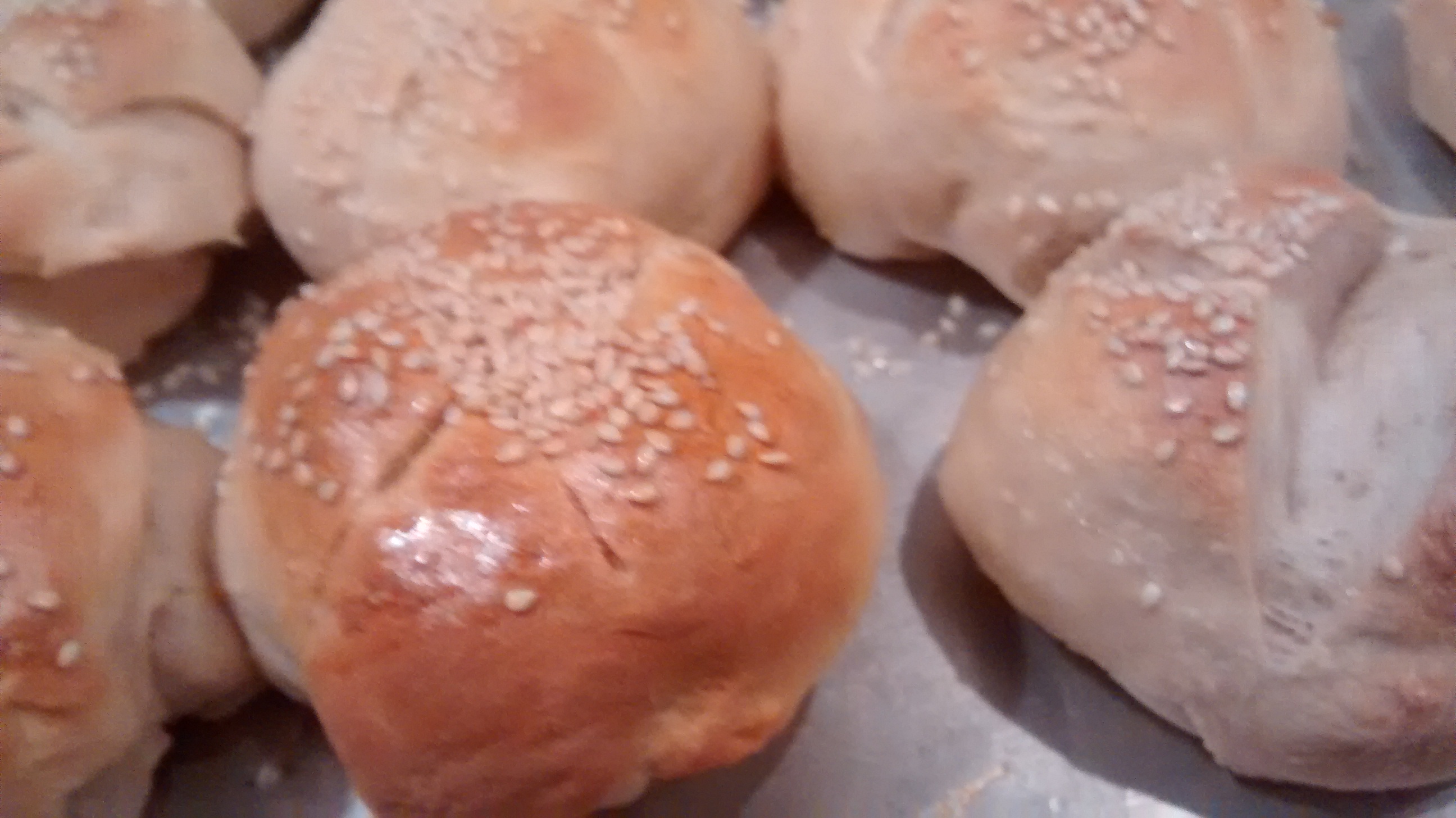
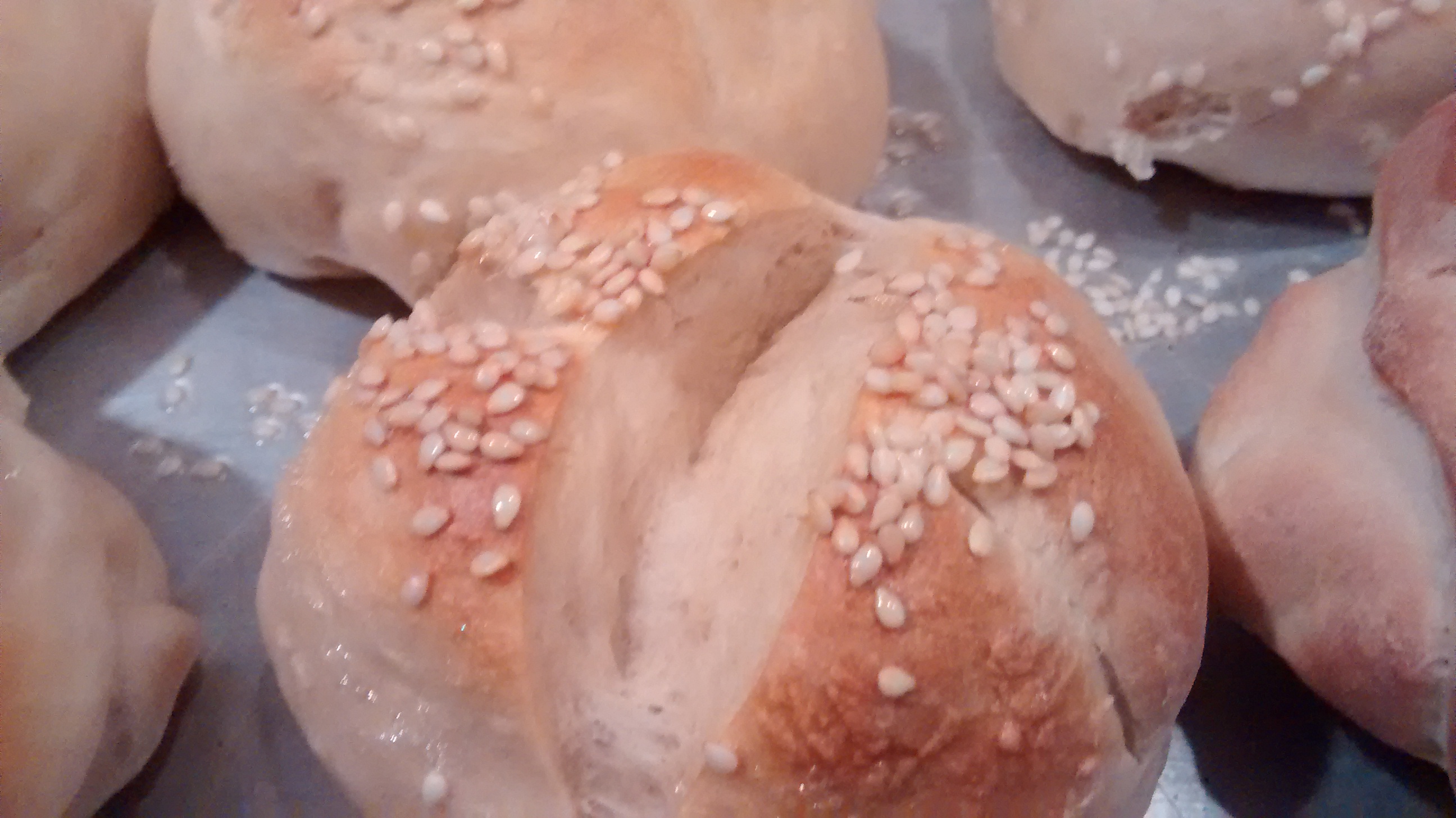
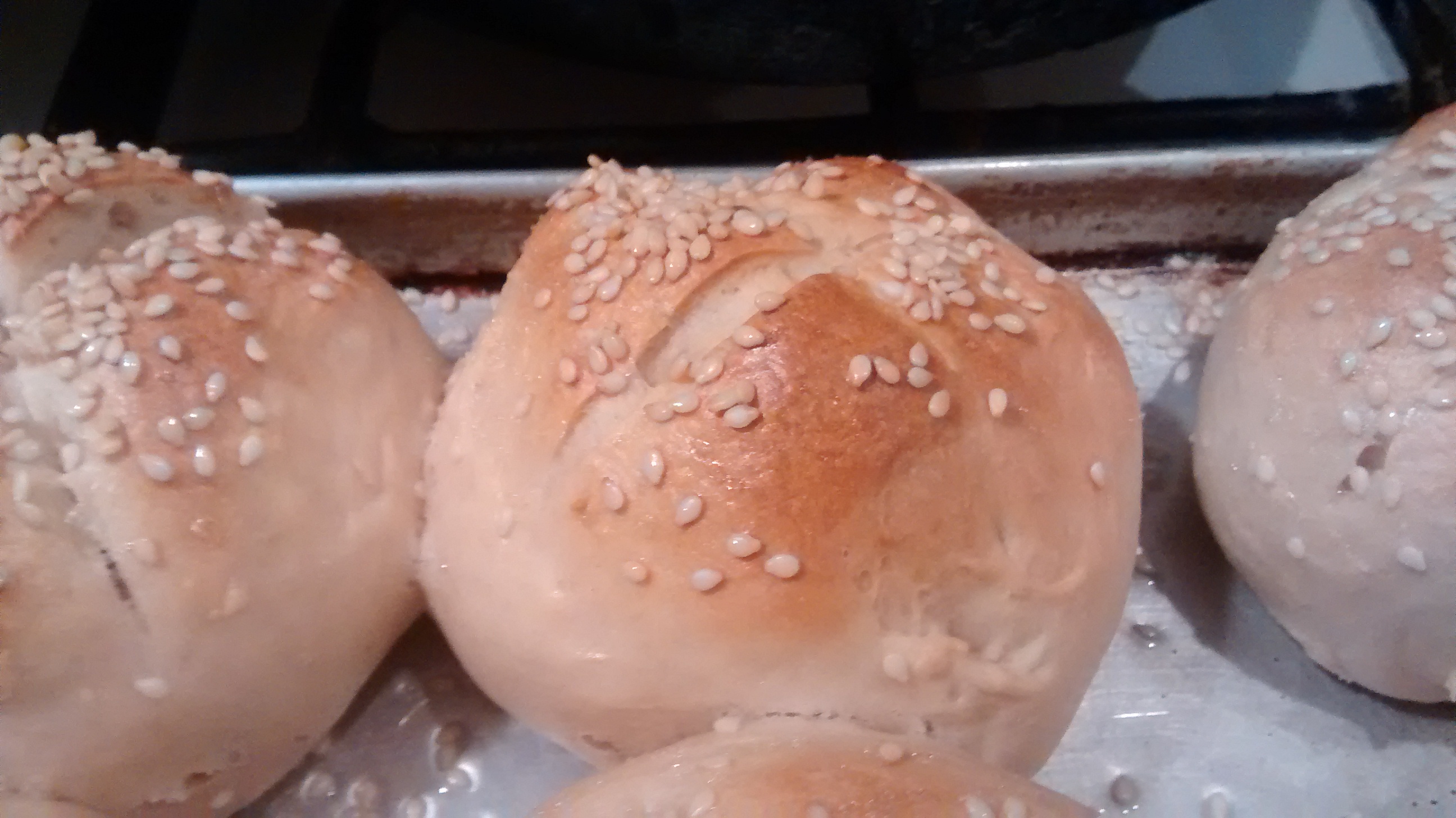
  • Bake the buns for around 15 minutes.

Tea plate pattern below is called Mayfair.

They were all delicious – the sweet cheese ones were my favourites!

Rhubarb Cake

  • Rheum rhabarbarum is the Latin name for rhubarb   –  in Polish  it is rabarbar.
  • It is a plant that has its origins in China, Mongolia & Siberia – its roots survive the cold!
  • Rhubarb roots have been used in Chinese medicine for thousands of years.
  • The plant arrived in Europe via Venice in the 14th century  having been brought  from China  along the Silk Road.
  • The leaves are poisonous  to humans as they contain large quantities of oxalic acid and other toxins.
  • The stems however can be eaten safely, although they do contain a little oxalic acid but their tartness is due mainly  to malic acid which is also found in sour green apples.
  • Rhubarb stems were first eaten in England in the 17th century.
  • In 1820 the rhubarb plant was taken over to the USA.
  • I live in West Yorkshire –  just outside what is called the Rhubarb Triangle  of Wakefield, Leeds & Morley   – where rhubarb is grown in forcing sheds (in darkness) on a commercial scale.
  • I have rhubarb growing in my garden.
  • I have used the rhubarb to make rhubarb crumble but over the last few years I have been trying to find recipes for a rhubarb cake and have tried many from English, American & Polish recipe books and magazines.
  • Some recipes just used 1 or 2 stalks of rhubarb – as I have lots of rhubarb – I wanted a recipe that used more.
  • Some recipes used the raw stalks in a cake – I found that none of these were to my liking.
  • I tried using my best Polish apple cake recipe with stewed rhubarb  instead of apple but found that it just did not come out very well.  The cake was  too soggy and raw in places because of the amount of liquid in the stewed rhubarb.
  • Finally after more trial and error – I came up with a recipe which I am happy to make for people and to share.

Preparing The Rhubarb

This I have found to be the most important part to making a successful rhubarb cake.

You need to prepare the rhubarb the day before you want to make cake.

I tend to make a large amount and if I do not use it all I freeze the rest.

You need around 8 large stalks if not more.

Trim the ends of the rhubarb stalks and then chop the stalk  into pieces around 7cm in length.

Put the pieces into an oven proof dish and add granulated sugar – try not to use large amounts – it is better slightly tart.

Put the covered dish into a low oven –  GM 2 for around an hour or so – you want it soft but not totally disintegrated.

Allow this to cool.

  • Now comes the part I found to be the most important – I strain the cooked rhubarb from the juice & syrup.
  • Put the rhubarb into a colander over a bowl and leave this for several hours or even overnight.
  • The juice and sugar syrup can  be used to flavour yoghurt, diluted with water to make  a drink or even added to pork in a slow cook recipe.
  • Now by just using this strained rhubarb  I have found that a cake adapted from my apple cake comes out very well. 
  • I have used half the quantity from my apple cake recipe as the base and then used a drier crumble type mixture – called kruszonka in Polish – for the top.

Cake Ingredients

Base

150g self raising flour

100g butter

40g caster sugar

1 egg yolk and 1 or 2 tablespoons of lemon juice or water.

Topping

120g plain flour

90g butter

60g icing sugar.

Method

You have to use a loose bottom or spring-form tin or you will not be able to get the cake out.

I use a loose bottomed anodised aluminium cake tin which is 22cm in diameter and 8cm deep.

Grease the tin well.

First make the cake base by rubbing the butter into the flour to make crumbs then stir in the sugar.

Add the yolk and lemon juice and bring the ingredients together to form a soft dough – do not handle the dough too much. Leave the dough in a cool place for about half an hour so it is easier to handle.

Pre heat the oven to GM 4 – 180ºC.

Make the topping by rubbing the butter into the flour to make crumbs and then stir in the sugar.

Press the dough into the base of the tin.

Cover the base with the strained rhubarb.

Evenly sprinkle all the topping over the rhubarb.

Bake in the oven for around 1 hour to 1 hour & 10 minutes.

Leave to cool in the tin.

Use a long metal spatula to ease the cake from the side of the tin then place the cake on to the top of a  tin can and slide the side down.

If you find the cake is not sweet enough – you can sprinkle the pieces  with icing sugar – I rarely due – I like the fruit to be tart.

Tea plates are Counterpoint by Royal Doulton 1973 – 1987

Do not put the cake into an airtight plastic box as it will get soggy – better to cover it with a mesh cover.

IMG_20160518_210609015

Polish Apple Cake – Jabłecznik

Apple trees (Genus –  Malus) originated in Central Asia and then spread to Northern Europe.  In the 17th century they were taken to North America.

IMG_20160507_183443894
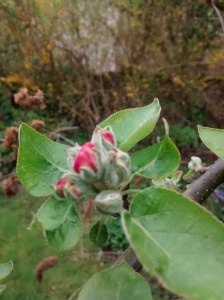
Apple Blossom Buds

Worldwide, measured in tonnes, China is the top apple producer, the United States of America coming second.

Poland is the largest apple producer in Europe.

In Poland in the countryside and even in the towns most houses have at least one fruit tree in the garden – often more – with apple, plum and cherry  being the favourites.


In my garden there are two Bramley apple trees.

Jabłko is the Polish for apple –  jabłecznik is an apple cake.

Some people use the word szarlotka – but my mother used that word for apple crumble.

Apple cake is made with tart cooking apples – Antonówki are very popular in Poland –  these are similar to Bramley apples and the apple filling is kept slightly tart so that the sweetness in the cake gives a lovely contrast.

I think there are as many variations of this cake as cooks in Poland.

This is my mother’s version which I think this is the very best.

Apple Filling – Ingredients

  • 5 to 6 Bramley Apples
  • Granulated Sugar to taste – keep it slightly tart
  • A little water
  • 1 to 1.5 teaspoons of ground cinnamon

Method

  • Make the apple filling first, even the day beforehand as it needs to be cold before you use it.
  • Peel and core the apples and cut them into thick slices.
  • Stew the apples gently with some sugar and very little water. You can make this in a saucepan on the stove or place the apples and sugar in a dish in the oven.
  • Do not add a lot of sugar at the beginning as it does not want to be too sweet, you can adjust the sweetness at the end.
  • Do not make it too much of a purée, cook so that you have some soft apples but with some harder less cooked chunks as well.
  • Leave the mixture to cool and then add the ground cinnamon.  The mixture should look quite brown.

IMG_20151214_161143925

Note

When I have lots of apples, I cook a large amount and portion this up and keep them in the freezer – better to leave out the cinnamon if freezing and add this fresh when making the cake.

Cake – Ingredients

  • 300g self-raising flour
  • 200g butter
  • 75g caster sugar
  • 1 egg yolk (save the white for the topping)
  • 2 to 3 tablespoons of lemon juice or water

    Method

  • You need a round tin with a loose base or a spring form tin or you will not be able to get the cake out.  I always use an anodised aluminium tin, 22cm in diameter and 8 cm deep, which does not rust.
  • Grease the tin well.
  • Rub the butter into the flour to make fine crumbs and add the sugar.

IMG_20151214_162018319


  • Add the egg yolk and the lemon juice to and mix together to make a soft “dough” (try not to add more flour),  handle it as little as possible.
  • Leave it to chill for about ½ an hour as this makes it easier to handle.
  • Pre heat the oven to GM5 – 190oC.
  • Take slightly more than half the dough and press it into the cake tin.

    IMG_20151214_162527127


  • Spoon the apple mixture on top of this.
  • The rest of the dough will go on top of the apple mixture.
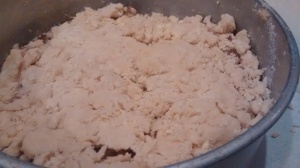
  • I use a rolling pin to make a circle that is smaller than the tin diameter and then place this on top.
  • Do not worry if the dough falls apart, just place it on with the breaks nearly touching.

IMG_20151214_162724024


Topping – Ingredients

  • 1 egg white and caster sugar
  • Slightly beat the egg white with a fork and brush this over the top of the dough.  You will not need it all.


IMG_20151218_075301762


IMG_20151214_162841673


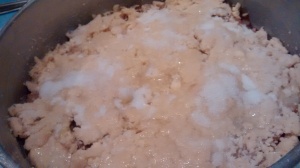
  • Liberally sprinkle caster sugar over the egg white.
  • Bake for around 50 minutes until the top is a golden brown.
  • I tend to check the cake at 40 minutes and will cover the top with greaseproof if it starts to brown but is not yet cooked through.
  • Leave to cool before getting the cake out of the tin.
  • I use a tin can and put the cake tin on this and slide the side of the cake tin down.
  • Do not put the cake in a air-tight covered container as the apples absorb moisture and you loose the crispness of the cake.
  • I hardly ever have any left anyway as I seem to get visitors as soon as they know I am baking this cake.

IMG_20151214_193025987

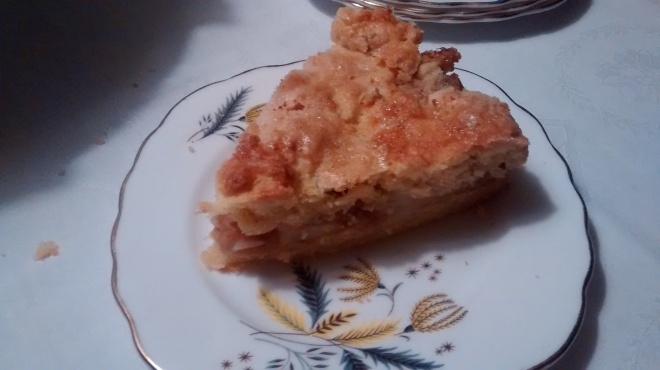
Tea plates are Stardust by Colclough from the 1950s or early 1960s.

NoteI updated this in March 2020 – I altered the amount of apples in the filling.

Bułeczki – Sweet Yeast Buns

Bułeczki  – this word can cause a little confusion as it can mean –  little white bread rolls or a more sweet yeast bun.

This recipe has been used to make round buns with a filling – it can be used for a variety of sweet buns – all of which are very popular in Poland.

A few reminders when using yeast in baking

  • Learn to be patient – you cannot control the timings exactly with yeast, it depends on the temperature of the room and the flour used and other variables.
  • Do yeast baking on a day you are planning to be in & have other things to do, but ones you can break off from when needed.
  • Heat the milk so it is at body temperature – use the finger test – too hot and you will kill the yeast – too cold is okay – it will just take longer.
  • An egg glaze often burns too quickly –  I have found an egg white or egg white & water glaze gives a better result.

The older Polish recipes use fresh yeast. I have used dried yeast and had very good results.  (I have not tried using easy bake yeast for this recipe).

Basic sweet dough recipe

Ingredients

Yeast starter

  • 25g fresh yeast or 15g dried yeast
  • 1 tablespoon of  sugar
  • 250ml  milk – warmed
  • Rest of dough
  • 3 yolks
  • 100g granulated sugar

*******

  • 500g plain flour
  • 2-3 drops of vanilla essence
  • Zest of 1 lemon
  • 1/4 teaspoon of salt

******

  • 60g of melted butter

******

  • Egg or egg white to glaze (whole egg tends to brown very quickly).

Fillings

Jam – I used strawberry jam and also blackcurrant jam (made by my friend in Leeds) and I think the more tart blackcurrant jam goes better with the semi-sweet dough.

Mincemeat – I used my own mincemeat which is from the recipe by Delia Smith but without the chopped almonds. This of course in one way is very English, but it would be recognised in Poland if  described as bakalie –  which is a  mixture made of dried fruits (often with figs or dates), nuts and honey.

Method

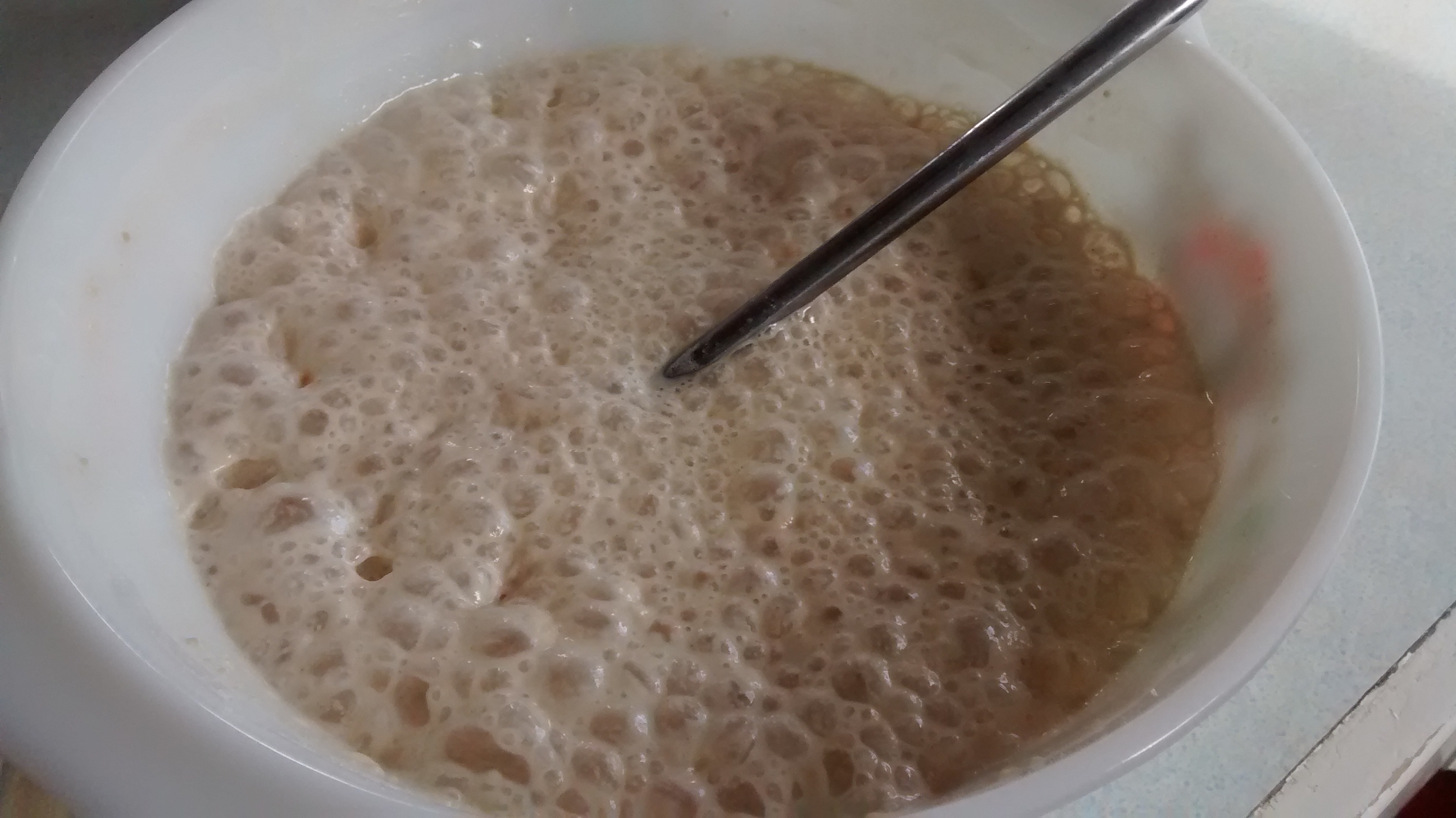
Mix the yeast, sugar and warmed milk together and leave it till it doubles in size.

IMG_20160222_120503215

  • Whisk the yolks and sugar together until the mixture is pale and thick.
  • Put the flour into a large bowl, add the yeast starter, the yolks & sugar mix, vanilla essence, lemon zest and the salt.
  • Combine everything together and knead it together until the dough leaves the side of the bowl clean.
  • Add the melted butter and mix it in and then knead it well until you get a glossy smooth dough.
  • Place it back in the bowl and cover with a cloth and leave it until it doubles in size.
  • Grease 1 or 2 baking sheets to hold 16 buns.
  • Knead the dough again lightly, then cut in to half and half again and so on to give 16 pieces.
  • Roll each piece into a smooth ball, then flatten it and roll it out into a circle.
  • Put a small spoonful of filling onto each circle and then draw the edges of the dough circle together and pinch the dough to seal in the filling.

Turn the balls over so the seal is on the underside.

IMG_20160220_194430607

  • Place the buns on the baking sheets with room apart for them to double in size.
  • Cover the buns with a cloth and leave them to rise to double in size.
  • Pre-heat the oven to GM 5 – 190ºC
  • When the buns have doubled in size brush them with an egg or egg white wash.

IMG_20160220_210416121

  • I used whole egg in this case but since have found that egg white does not burn as quickly.
  • Bake the buns for around 15 minutes.

Leave to cool before serving.

Tea plates are Las Palmas  by Aynsley from the 1960s.

Buraki – Buraczki – Beetroots – Beets

Beetroot is a very popular vegetable in Poland and is served both hot and cold and is the main ingredients of barszcz (The classic Polish beetroot soup).

Now this may just my imagination but the beetroot in Poland just tastes so much better than the ones I have had in England, maybe it is the variety that is grown there or the soil.   I think you have to use home-grown or organic beetroot to get as good a taste.

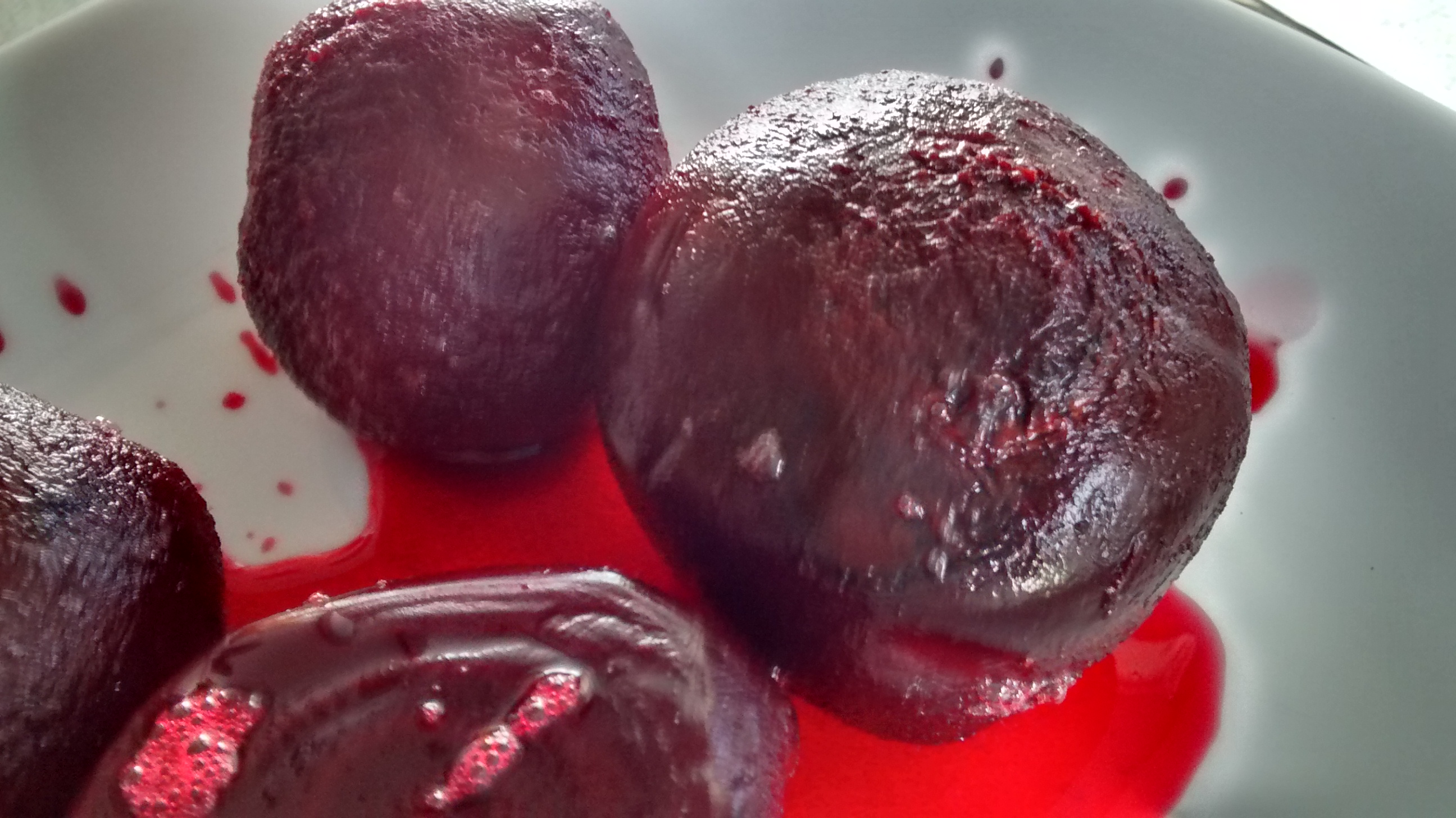
In the following recipes I have used vacuum packed boiled beetroots – boiling or roasting raw beetroot should give a better flavour but when you only want to make a small amount or you have little time this will work as well especially if you adjust the flavour with lemon juice or a little sugar.

A popular variant is something called botwinka  – this is very young beetroot – sold in bunches (rather like radishes) and consists of the small “bulb” and the  young  green leaves, which are all used.  As I have not seen this for sale in England I will not be including any recipes – but if you are ever in a position to try this (often in the form of a soup) you will taste something very delicious.

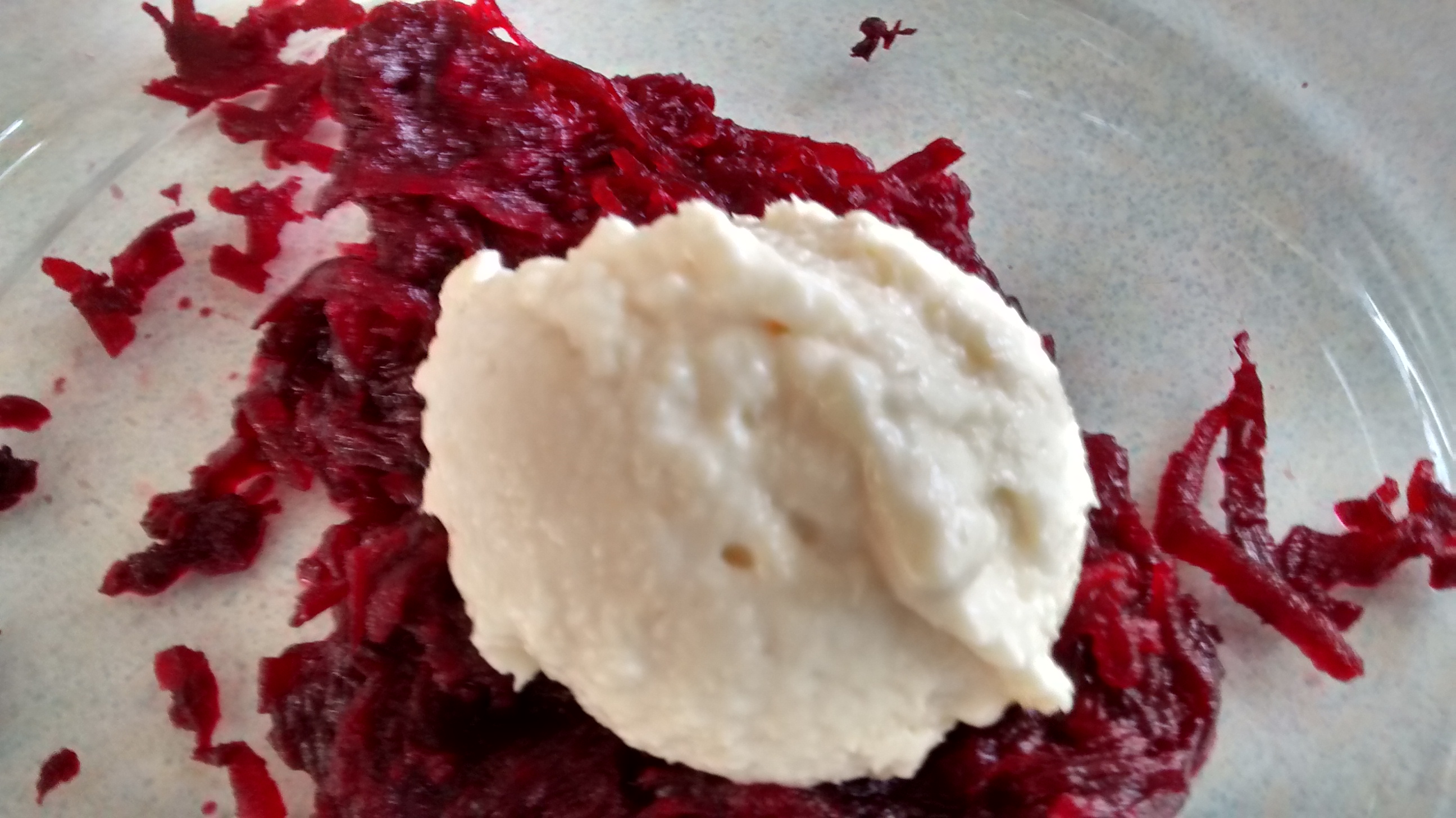
Ćwikła is the most typical Polish accompaniment to roasted and smoked meats and sausage. This salad or relish is made from grated cooked beetroot which is mixed with grated horseradish – chrzan.

The first recorded recipe for ćwikła comes from the writings of Mikołaj Rej  (1505 – 1569)  who is known as the “Father of Polish Literature”.  He was the first person to write exclusively in Polish.

He was born 59 years before Shakespeare (1564 – 1616).

Ćwikła

Ingredients

  • 2 or 3 boiled beetroots
  • Horseradish sauce
  • Soured Cream
  • Extra lemon juice – optional
  • Method

IMG_20160209_132906197_HDR

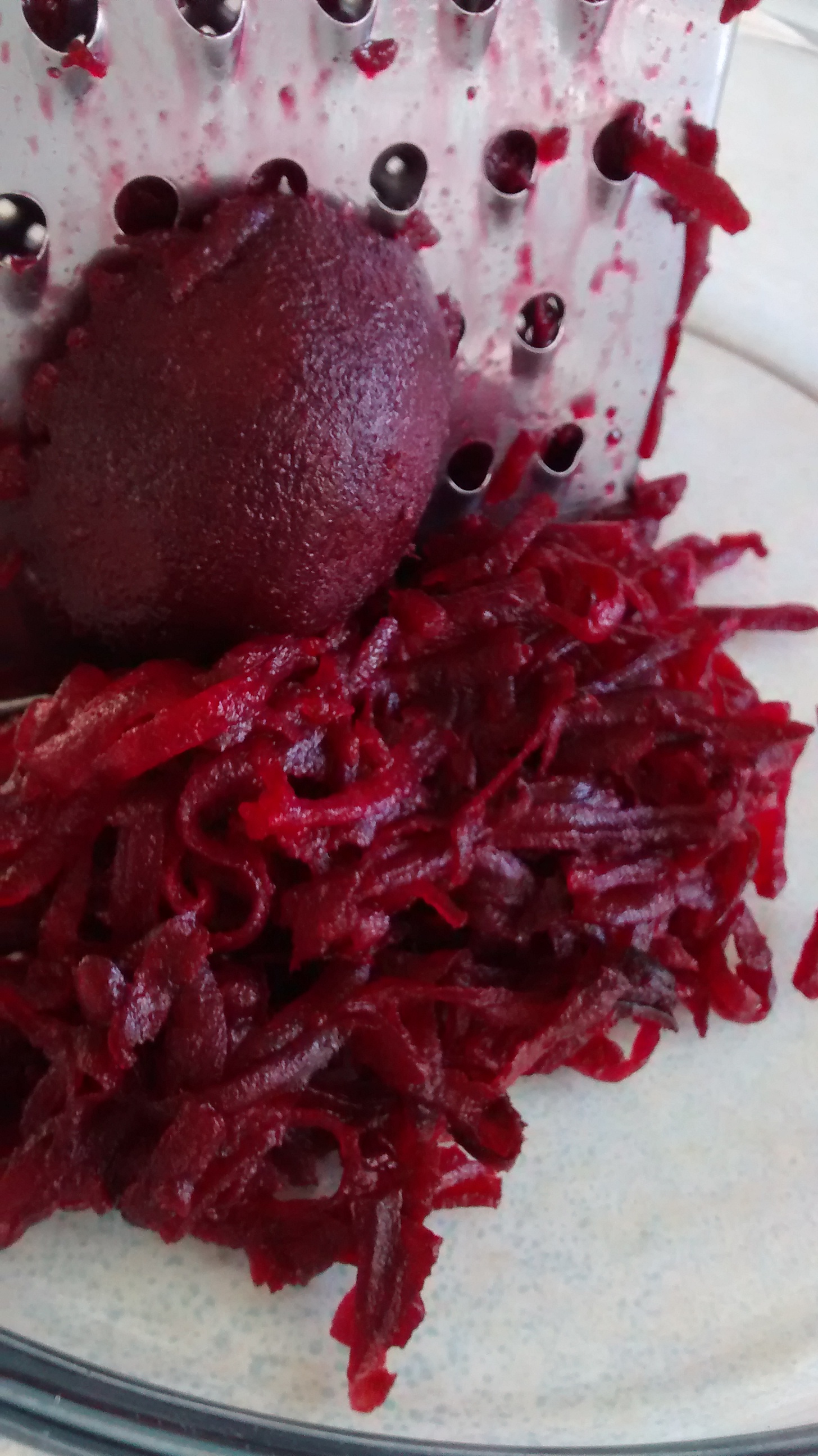
  • Grate the beetroots using a fine or medium grater and put this into a bowl.
  • In the past I always used a fine grater but now I prefer to use my medium grater.


IMG_20160209_133049454
Medium Grated


IMG_20160209_133242132
Fine Grated


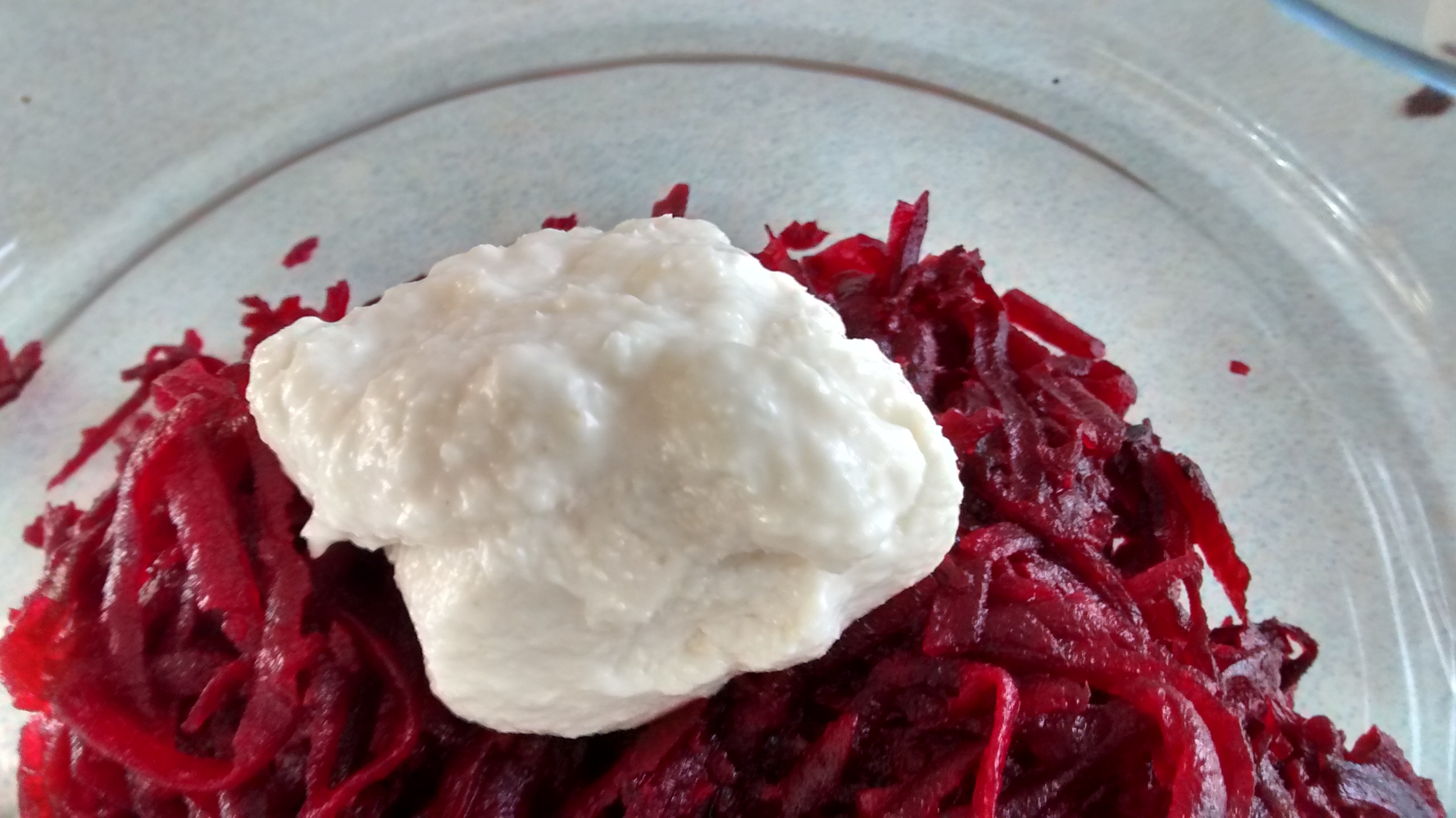
  • Add a large dollop or two of horseradish sauce.
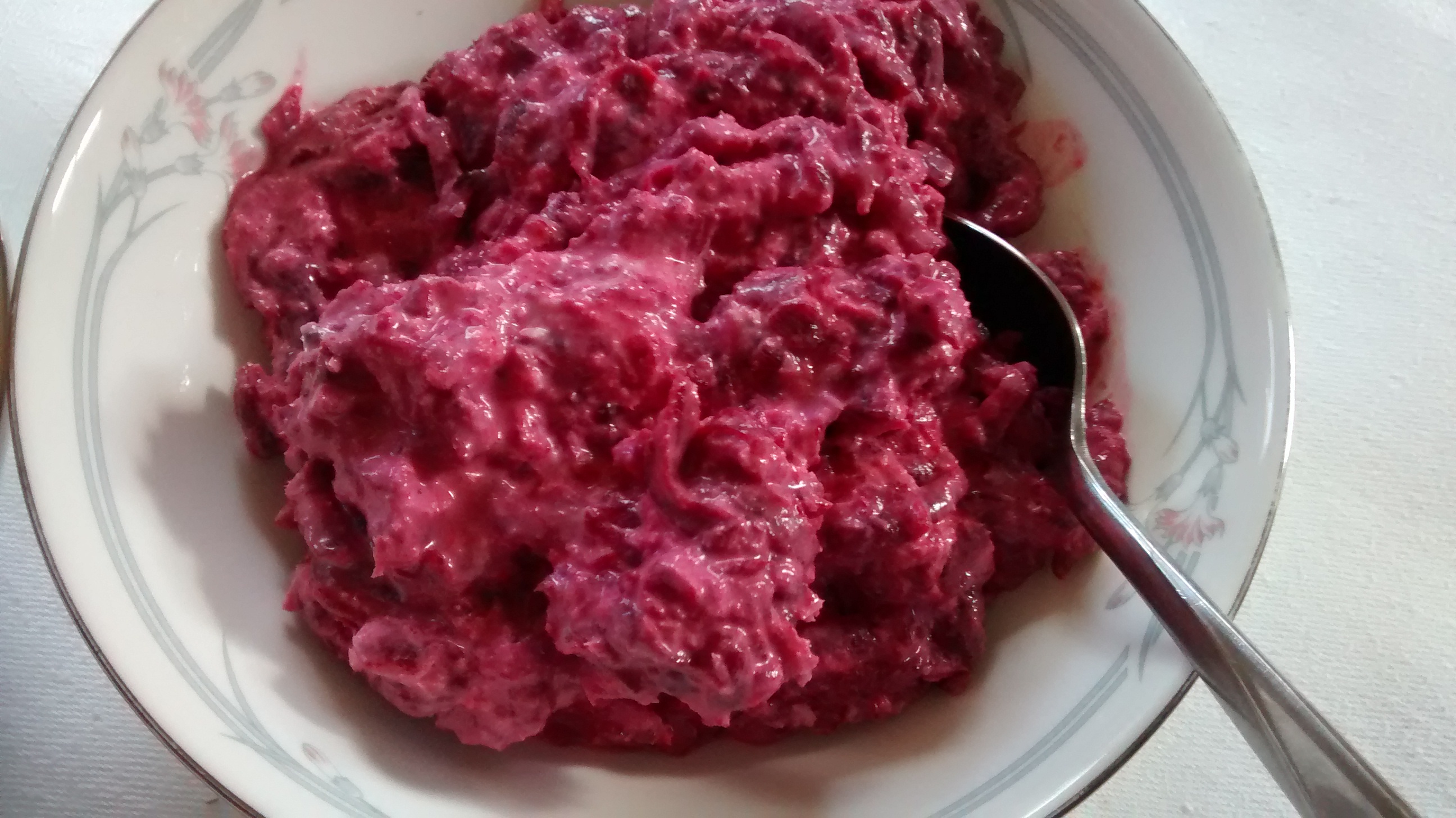
  • Below are two kinds, one with soured cream and one without.
  • I like the one with soured cream more.

IMG_20160209_132054534

A few years ago I thought it would be a good idea to grow my own horseradish – that was a mistake! It starts to take over with the roots spreading underground. However the dark leaves are very attractive and the air does smell of horseradish when you walk up to it.  You just need to be able to contain it.

IMG_20160209_133334050_HDR

IMG_20160209_133328206_HDR

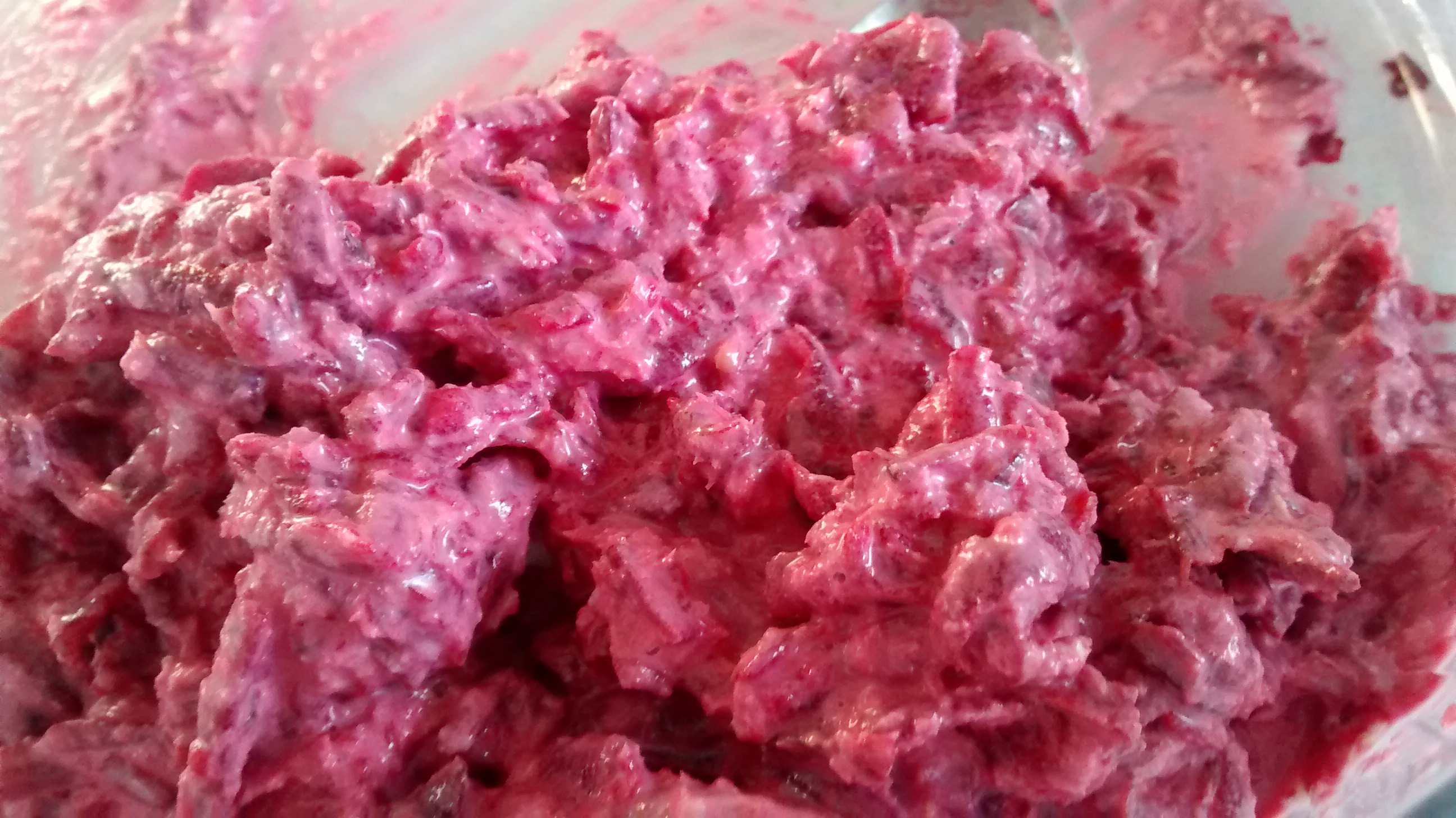
  • Mix the grated beetroot and horseradish sauce together.
  • Add soured cream – if using the sauce with this in already you might not need as much.
  • You can add lemon juice as well.

IMG_20160209_133711319


IMG_20160209_133936995


Carnation  Serving Dish by Royal Doulton

IMG_20160209_133936995


Beetroot & Apple Salad

Ingredients

  • 2 or 3 boiled beetroots
  • 1 eating apple  with a good flavour such as Jazz, Braeburn or Pink Lady.
  • Juice of  half  or a whole lemon
  • Sugar – optional

Method

  • Grate the beetroots using a medium grater.


IMG_20160209_133049454


  • Peel and core the apple and grate this using a medium grater.
  • Mix the two together.
  • Add lemon juice to taste.
  • You can add some extra sugar to taste.

IMG_20160210_174100401


NOTE

  • This tastes much better if it is left so all the ingredients mingle together for a few hours.
  • I make this in the morning if I want it for the evening or I make it the night before for lunch time the next day.

Creamed Beetroot

This is a delicious way of serving beetroot warm with a roast dinner.

Ingredients

  • 3 or 4 boiled beetroots
  • Large tablespoon of butter
  • 1 or 2 tablespoons of flour
  • Juice of a lemon & some extra water
  • 3- 4  tablespoons of soured cream
  • Salt & pepper to taste
  • A little sugar to taste – optional

Method

IMG_20160209_133049454


  • Grate the beetroots using a medium grater and put them into a saucepan with the lemon juice and a little water.
  • Put a lid on the saucepan and gently simmer the beetroot – taking care not to let it dry out or burn.
  • Melt the butter in a small frying pan and add the flour – let it colour slightly.
  • Add 2 tablespoons of soured cream and a little water and combine this well.
  • Add this mixture to the simmering beetroots, once again combining well.
  • Let this simmer for 5 to 10 minutes – keep checking, and stirring and adding  more soured cream, lemon juice or water if it looks like it is going to dry out.
  • Add salt & pepper and a little sugar to taste.


Serving dish is Topic designed by  Alan Rogers in 1967 for J & G Meakin.

Pisanki – Polish Easter Eggs

Easter is celebrated on the first Sunday, after the first full moon, after the spring equinox, which is the 21st of March. So the earliest date for Easter is the 22nd of March and the latest date is the 25th of April.

In English the word Easter comes from the name of the pagan goddess of dawn or spring – Eastre or Eostre and her festival was in spring time and hence this old word has stuck.

In Polish the name is Wielkanoc – which translates as Great Night – as it is the night of The Resurrection.

Eggs at Easter were originally a pagan tradition as symbols of fertility, rebirth and the revival of nature and heralded in the start of spring.

The tradition was absorbed by Christianity and the egg is now the symbol of the tomb and as the chick hatches from the egg with life so it symbolises the Resurrection of Jesus Christ.

Pisanki are the decorated eggs you find in Poland. The word comes from the Polish verb pisać which nowadays means to write,  however in old Polish it also meant to paint.

There are many different ways of decorating eggs and each of these has its own specific name  –  one method uses beeswax and dyes are used to give wax resist patterns – another scratches away the dye to revel the original shell colour.

In Kraków there is the Museum of Ethnography, founded in 1902, which has  superb displays of intricate and beautiful pisanki through the ages – well worth a visit.

Below are photographs of an egg which was decorated using the beeswax and dye method – onion skins in this case.  It belongs to the Director of  the Leeds Polish Saturday School and was one of many made two years ago with instructions from a visiting tutor at a workshop session for the teachers and pupils at the school.


I make very simple coloured eggs by hard boiling eggs with onion skins.

Boiling eggs with brown onion skins dyes the egg shells a rich brown colour.


Boiling eggs with red onion skins dyes the egg shells a dark red-brown colour.


You can buy sheets of coloured paper dyes which give a range of colours   – safe edible dyes of course – I have tried these in the past but now just use onions as they are always in my vegetable basket.

Tip

When hard boiling eggs use eggs that are at least three days old as very fresh eggs are hard to peel.

These hard boiled eggs form part of the basket of food which is taken to church on the Saturday before Easter to be blessed see Palm Sunday & Holy Saturday.

The blessed eggs are peeled and cut into quarters to be shared at the Easter Breakfast with all the people present.


Other non- blessed hard boiled eggs are used in a game of tapping  eggs together to see which one cracks first.

A wooden imitation of these lovely decorated eggs is now a very popular item for sale throughout the year in Poland.  It is a something that many tourists buy to take home.


Picture45

Pisanki for sale in Kraków

Picture48


My Wooden Pisanki


Wooden Eggs belonging to my friend in Leeds


In these the wooden eggs have been painted and carved to expose the pale wood imitating the method of scratching with a fine tool the paint or dye and exposing the egg shell colour of real eggs

Easter Greetings

The photographs are taken from recent Easter cards from Poland.

Wesołych Świąt

IMG_20160307_122736836


Happy Holy (Holiday) Day


IMG_20160307_122818233

Wesołych Świąt Wielkanocnych

Happy Holy (Holiday) Day at Easter

Wesołego Alleluja

Happy Alleluia


Because of the egg theme you may also hear

Smacznego jajka 

May the eggs be delicious.


IMG_20160307_122641469

PS

After posting the above I received an Easter card from Poland with the following stamp.

IMG_20160331_155207810


Palm Sunday & Holy Saturday

Palm Sunday is the Sunday before Easter and marks the beginning of Holy Week.

Palms are blessed in church on this day to commemorate Christ’s entry into Jerusalem.

Of course palm trees do not grow in Poland and so other plants are substituted. Often pussy willow  is used as the catkins are usually out around this time. My mother always called pussy willow – palma – the Polish for palm.


Picture12


Twigs For Sale in the Old Square in Kraków


Picture11

Palms are also made from  dried grasses and corn which are often dyed to make them colourful or from coloured paper which is rolled and the edges cut to make a fringe.

IMG_20160317_084252377_HDR


IMG_20160317_085832182


IMG_20160317_084304081

In many villages the farmers would make huge palms for the procession completing with each other to see who had the biggest and best.

The Main Square in  Kraków – Decorated with Large Palms


It is still Lent in Holy Week so the food eaten is simple and often meat, butter and egg free. Most baking and cooking done now is to make food to eat at Easter.

As well as going to church services it is a time for houses to undergo a massive clean-up especially inside.

Holy Saturday is the last day of Lent – the day before Easter.

This is the only day in the Catholic year on which Mass is not celebrated.

In Poland there is the tradition on this day to have the food for Easter blessed.

This has its roots in the early medieval church in the 12th Century and the food would have originally  been just bread and eggs.

In times past in villages the priest would have gone around to people’s houses and blessed the food there. Nowadays people bring a basket of food to the church and the food is blessed with Holy Water and is then taken home and not eaten till the Easter Sunday Breakfast.

Once blessed this basket is called święconka meaning  that which has been blessed

The basket is lined with a cloth – often white linen and sometimes embroidered.  A white linen cloth is used to cover the basket. These cloths represent the white shroud in which Jesus was wrapped.

What goes into the basket depends on several factors but hard boiled eggs and bread are usually present. Everything in the basket has a symbolic meaning.

Eggs –  Christ’s Resurrection – a symbol of life.

Bread – Christ as the Bread of Heaven.

Salt –  Preservation & Purification & Zest for Life

Horseradish – The Harsh & Bitter sacrifice of Christ.

Cooked Meat & Sausage – Joy & Abundance of God’s mercy.

Babka – The risen  dough  – this represents the Risen Christ.

Shaped Lamb (butter/cake/bread) – Christ – The Lamb of God -(see Lamb Bread)

Cheese – Moderation.

Butter – End of Lent.

Getting a basket ready to take to Church

IMG_20160317_091427426 IMG_20160317_091412273

IMG_20160314_121021117

IMG_20160314_121012463


IMG_20160209_170105296

IMG_20160302_063114078


IMG_20160314_121030337


IMG_20160301_080227533


Picture33 Picture23


See Babka


IMG_20160314_121136387


IMG_20160314_121150500


People coming & going to church in Kraków with baskets of food.


Food for sale for Easter in Kraków.

Picture17

Picture22

The special meal at Easter in Poland is the Easter Breakfast –  although it is a lot later than a normal breakfast being usually around 11am

This meal is a cold buffet and includes the food that was blessed in church on Easter Saturday.

The hard boiled eggs are cut up into quarters or eighths and they are shared between everyone present  at the start of the meal.

POSTSCRIPT

Since posting I received the following photographs from my friend in Leeds who is The Director of the Polish Saturday School.

Sugar Lambs to go in the basket for blessing.


Salt Dough Lambs – made for the Easter Fair


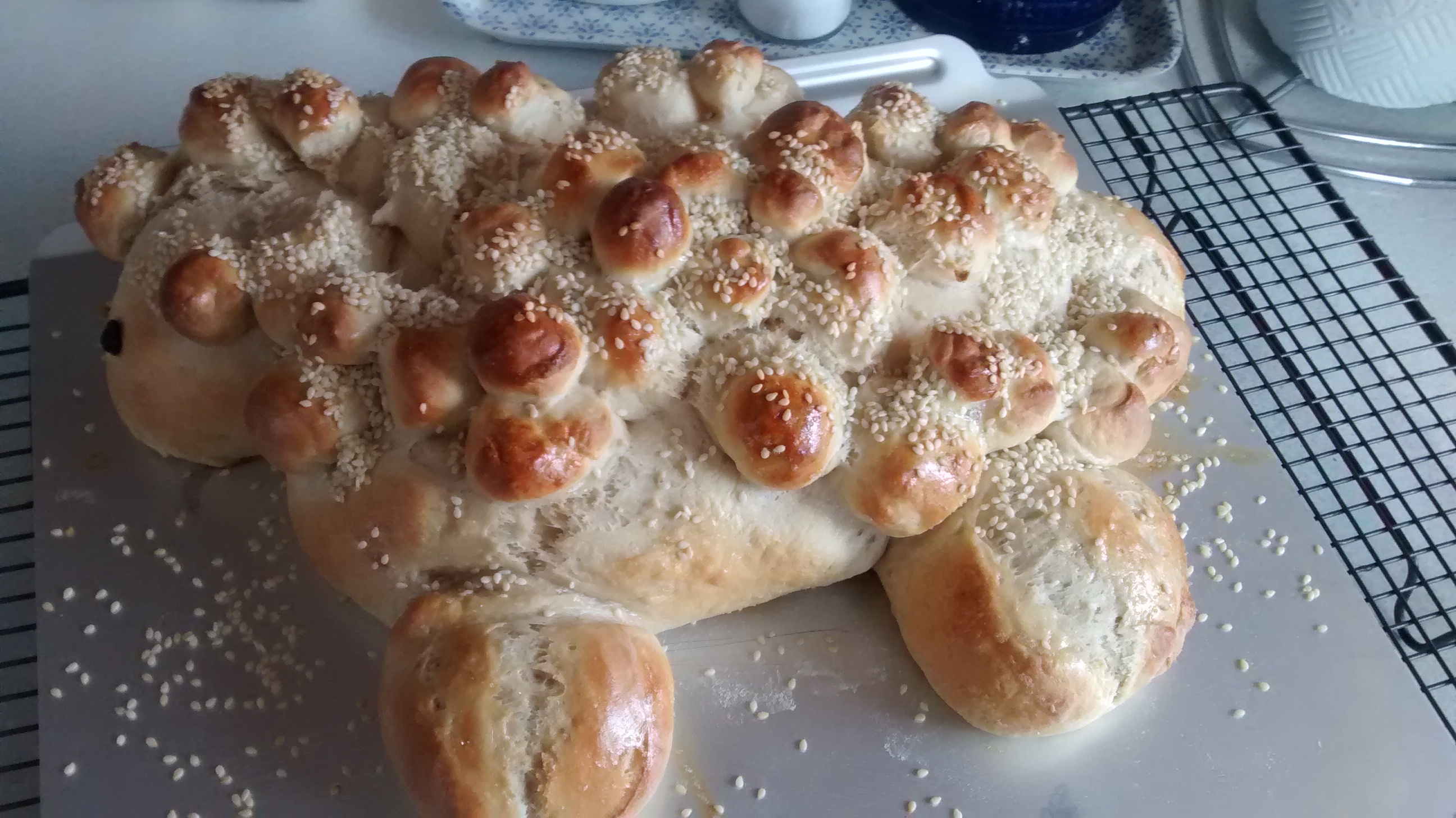
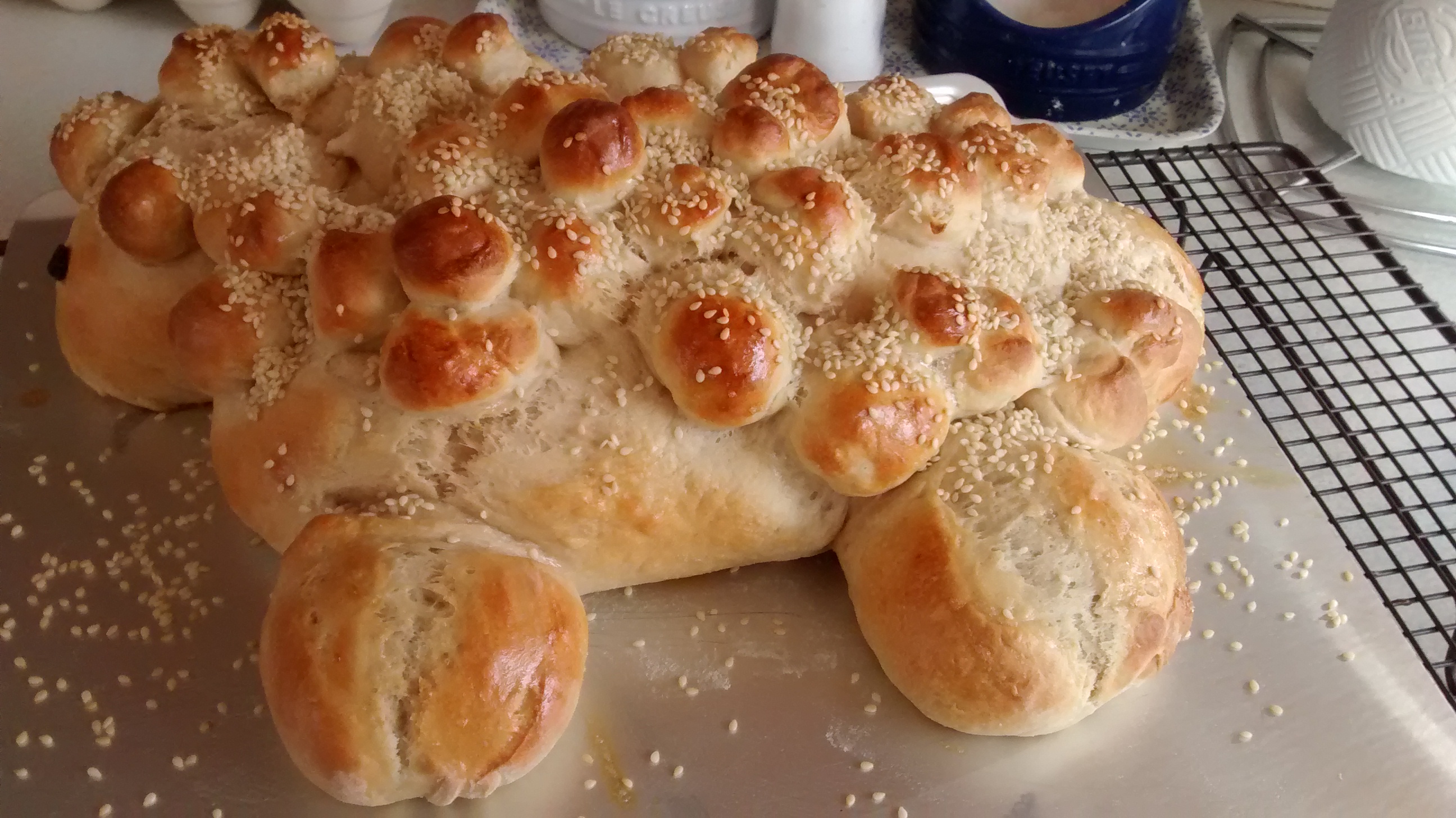
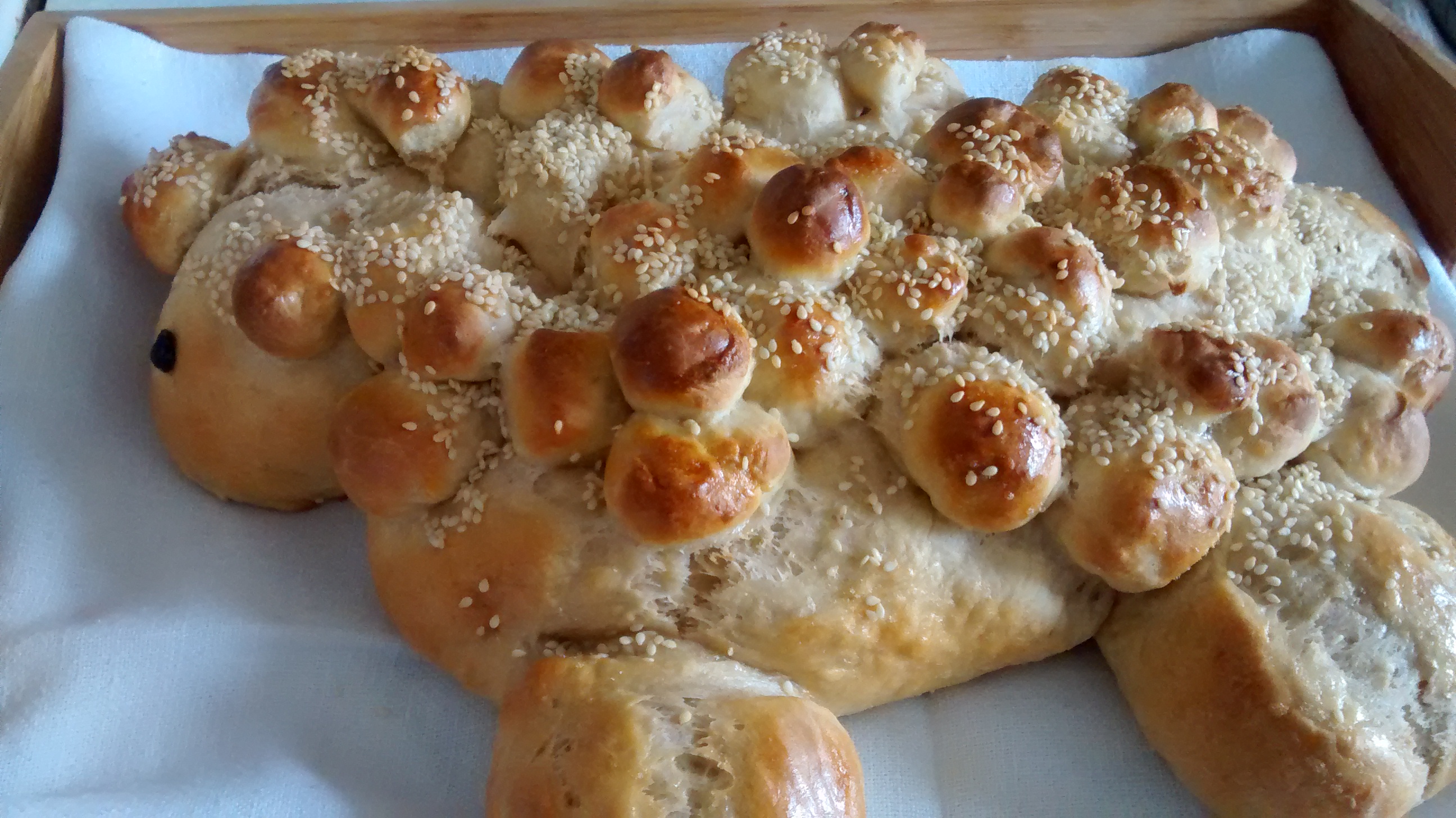
Polish Easter Lamb

The Lamb is a symbol of Christ Resurrected  – The  Lamb of God – The Saviour of the World.

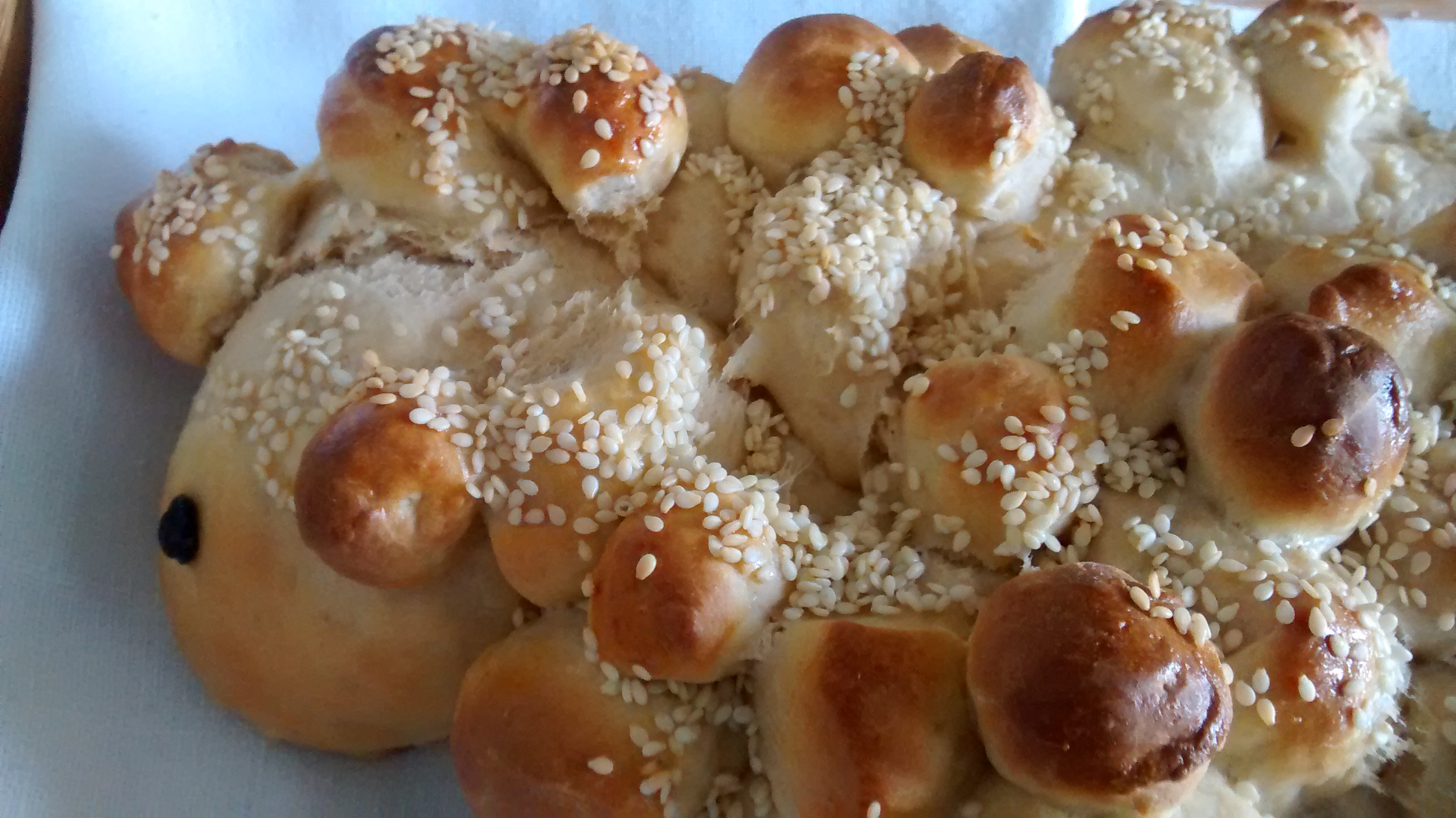
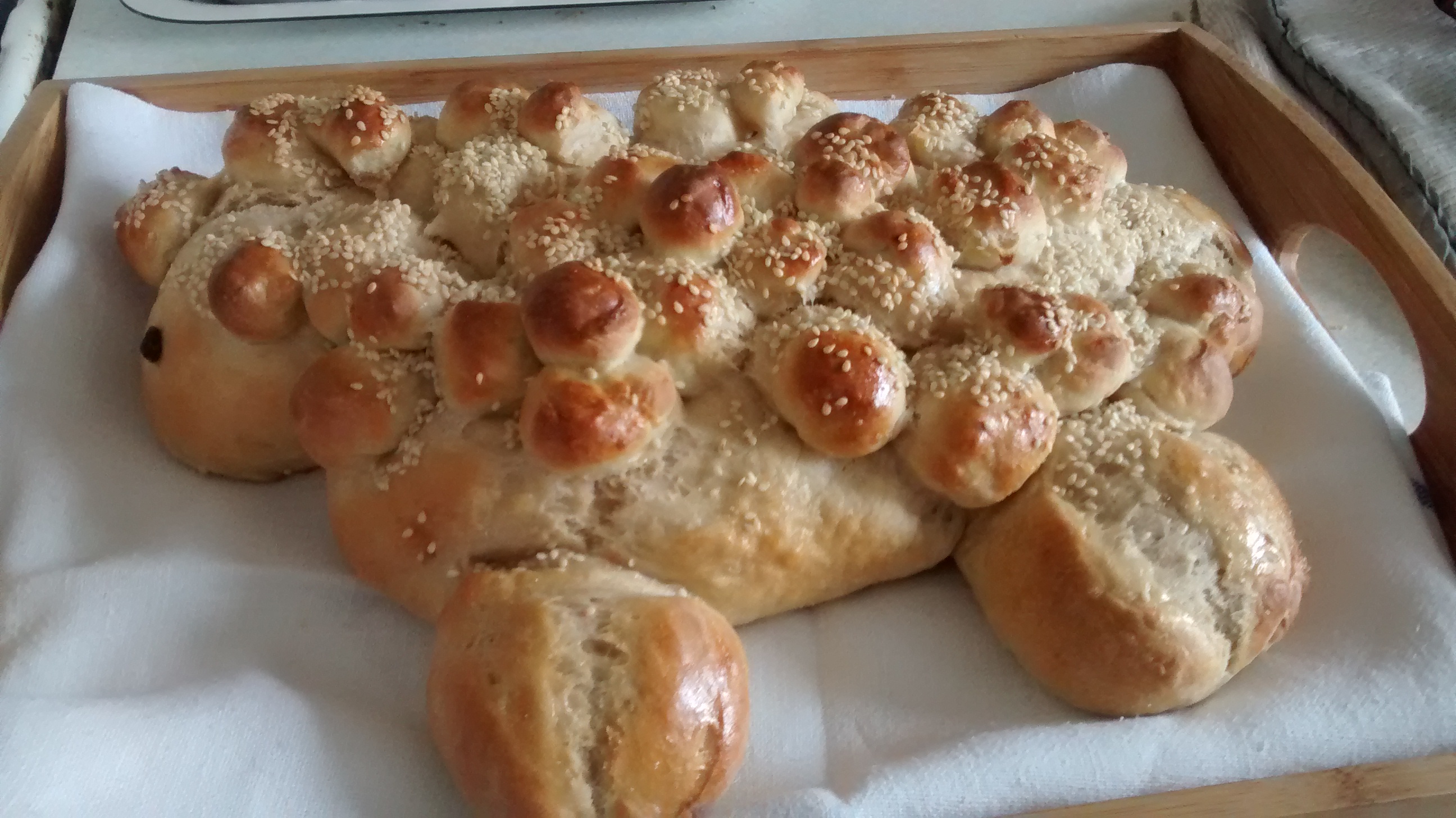
In Poland there is a tradition of having a Lamb  on the table at Easter.  This would be made out of moulded butter or sugar or baked as a cake.  There are moulds available for making a lamb-shaped cake into which you pour the cake mixture before you bake it.

My auntie in America sent me the instructions for making a lamb using bread dough. I think the result is super.

I used my basic enriched bread dough (click here for link to the recipe).

You can use this or your favourite bread dough recipe using 500g of flour.

Make the dough until it is ready for shaping.

Shaping the Lamb

Grease a large baking sheet.

Pre-heat the oven to GM 5 – 200°C.

Prepare an egg white wash by whisking an egg white in a bowl or an egg white and 1 tablespoon of water.

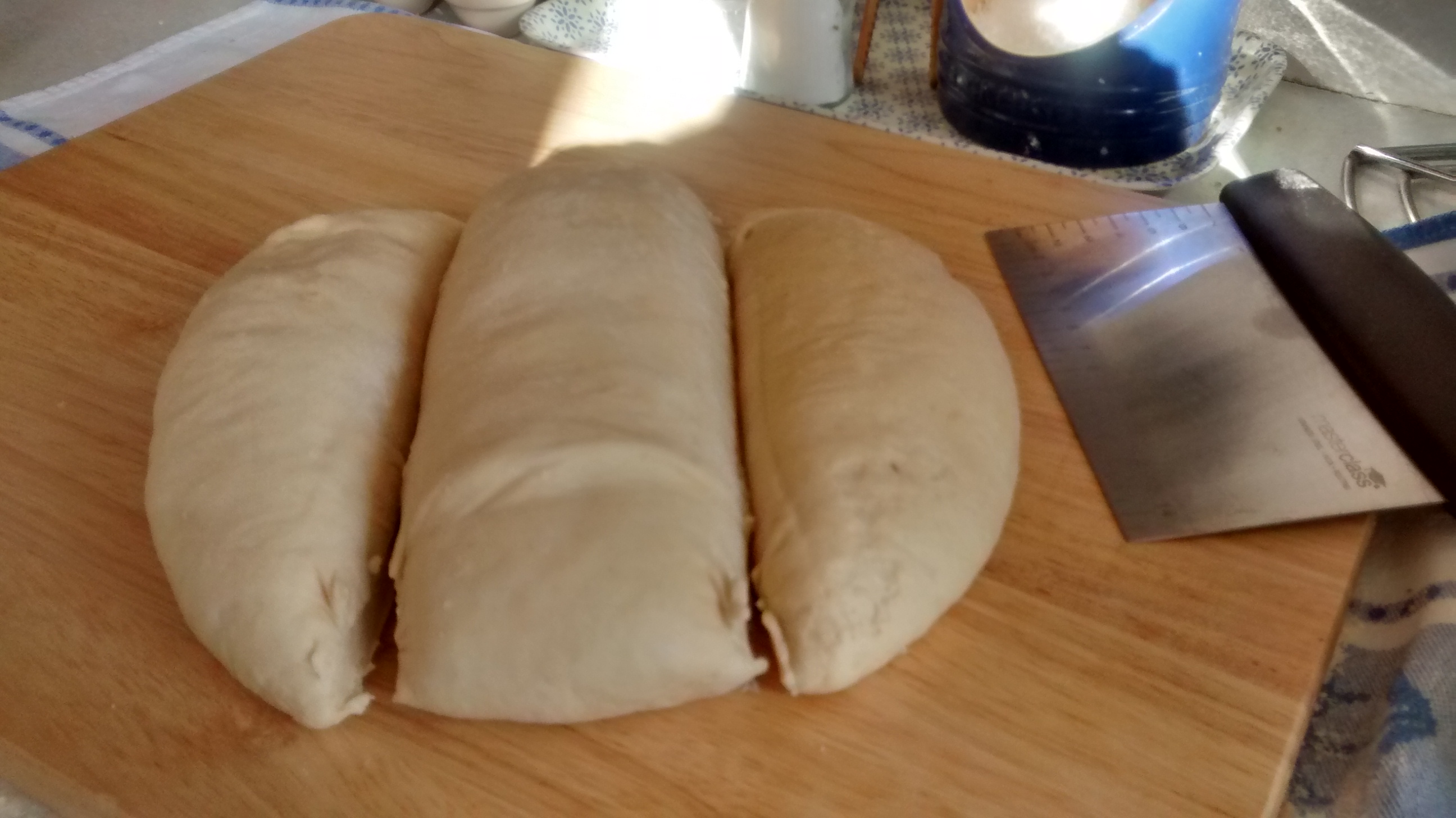
Divide the dough into 3 parts.

IMG_20160228_104453014_HDR

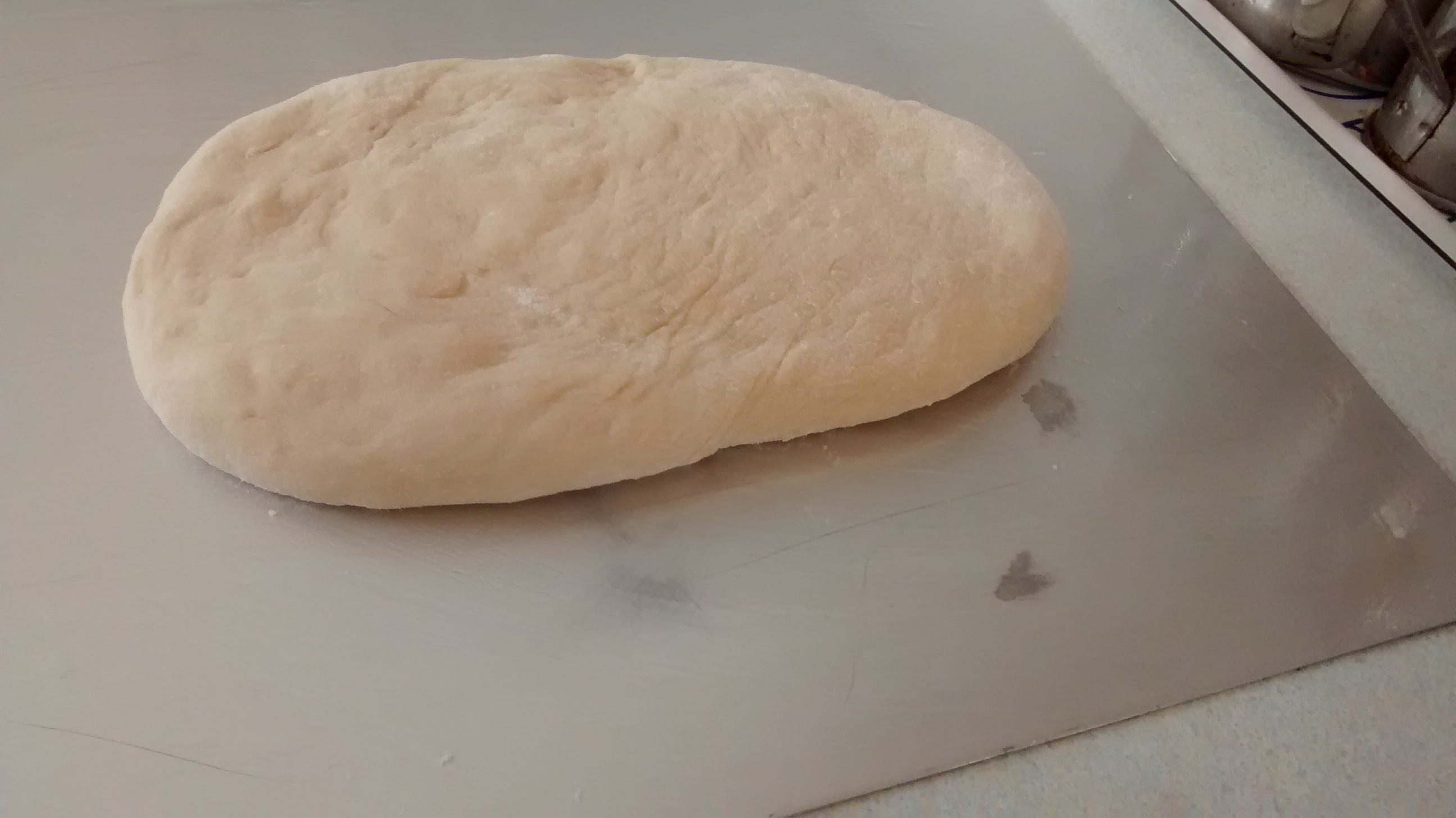
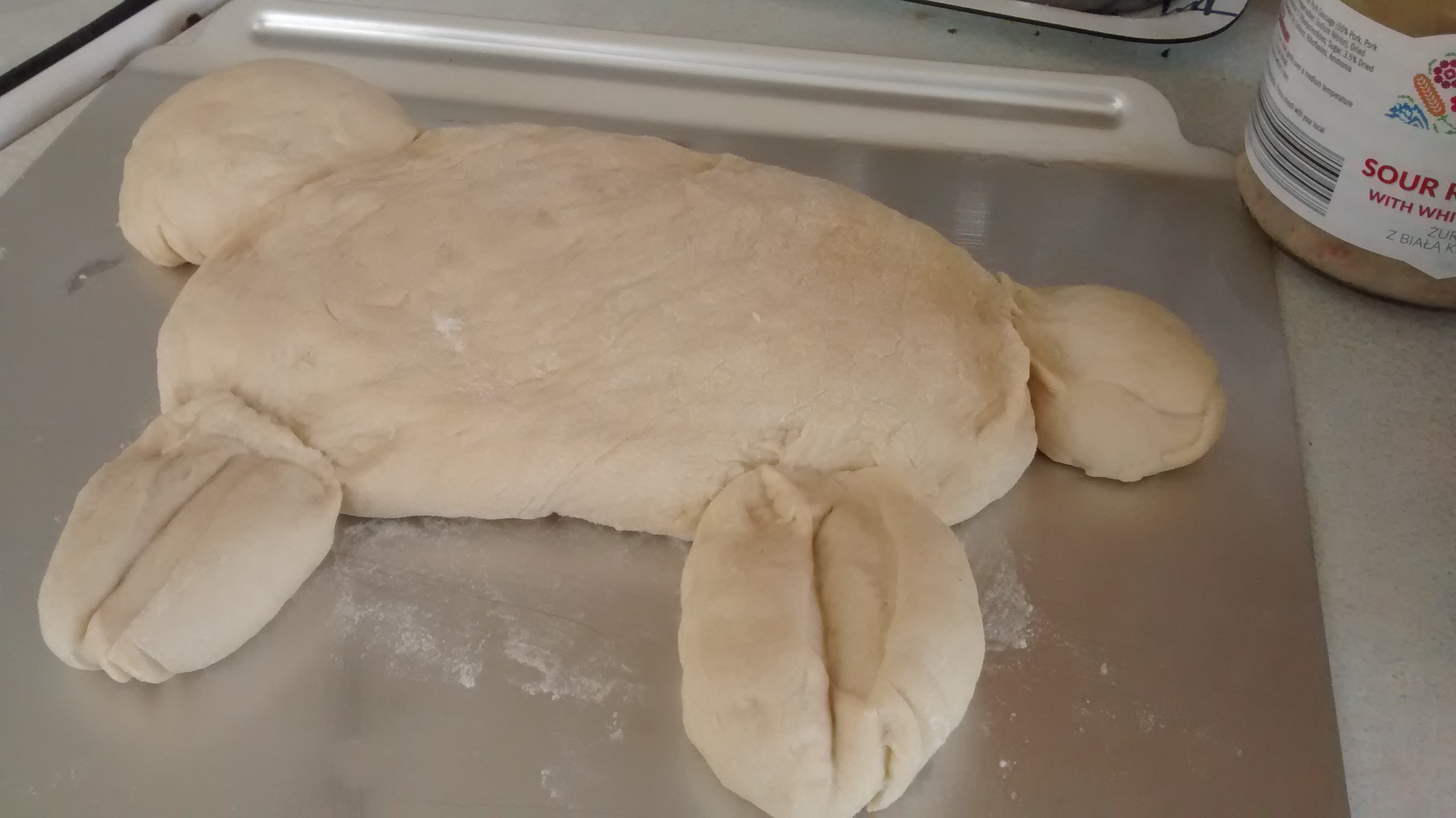
Use 1 of the pieces and shape it into a large oval – this will be the “body

IMG_20160228_104701414


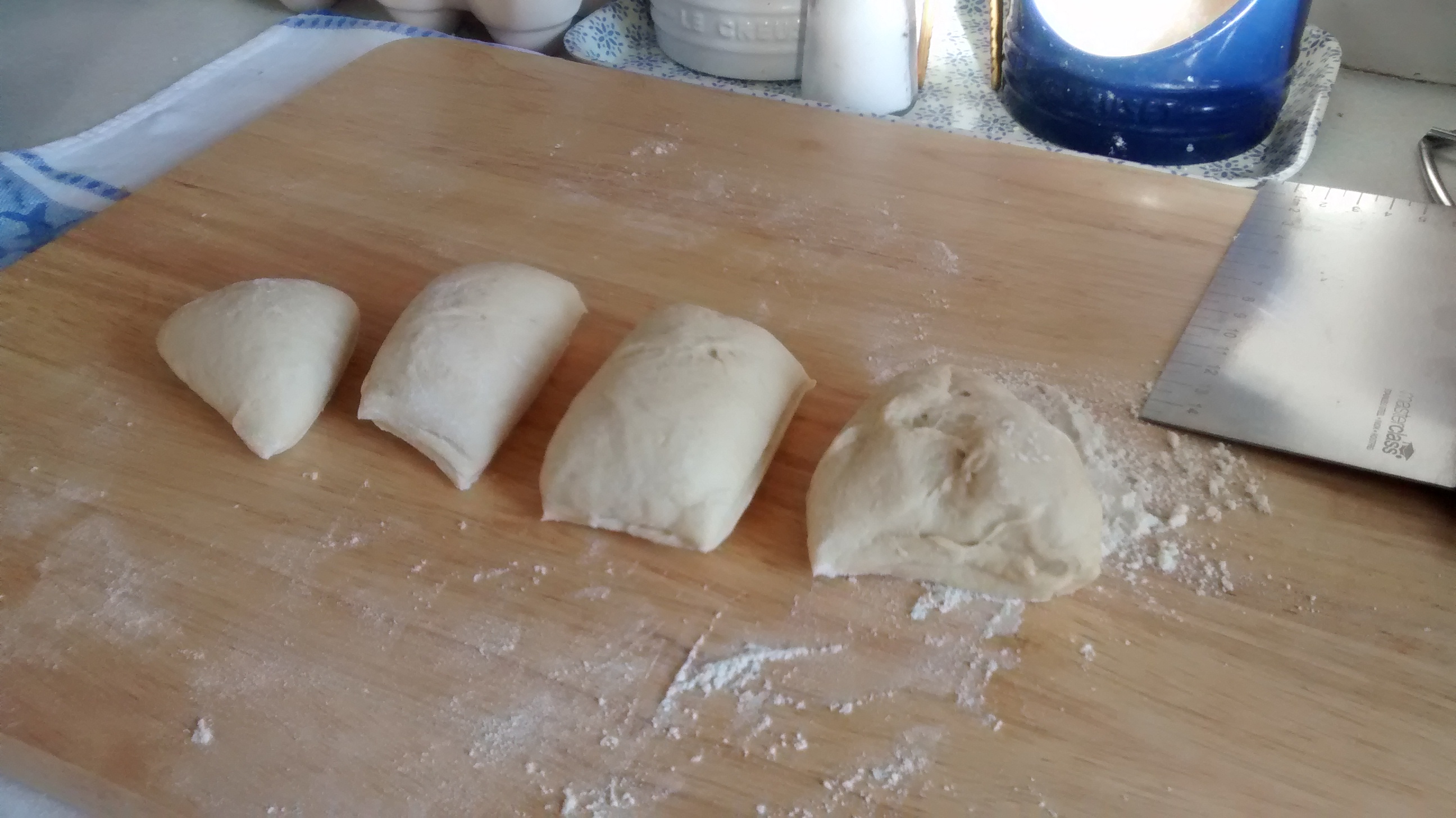
Chop 1 of the pieces into 4 parts

IMG_20160228_104805952


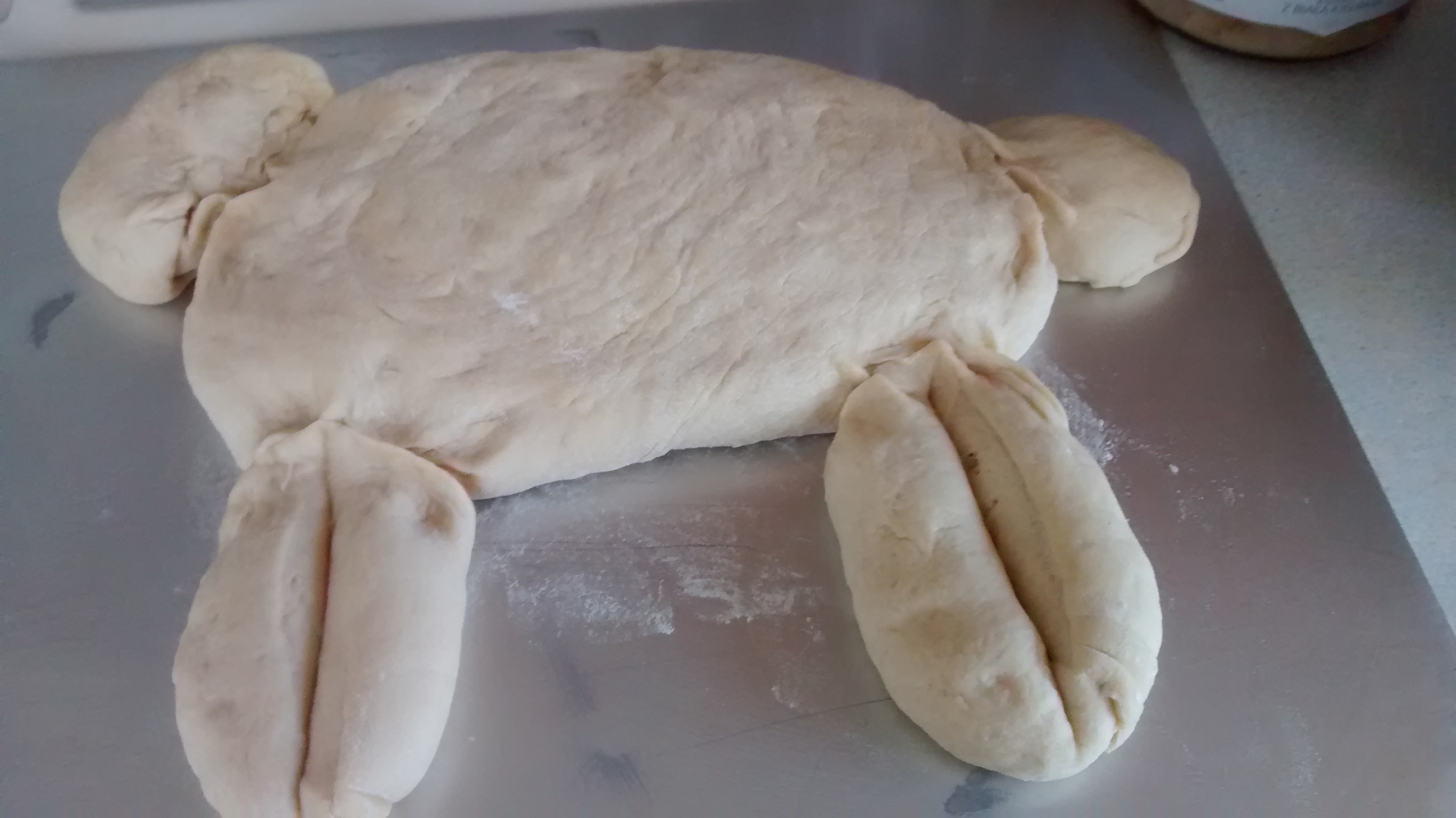
Shape 1 part into an oval “head

Shape 1 part into an oval “tail

Shape the remaining  2 parts into long oval “legs

Attach these to the body by pinching them slightly together.

Cut a vertical slit in each leg.

IMG_20160228_105018714(1) IMG_20160228_105157040


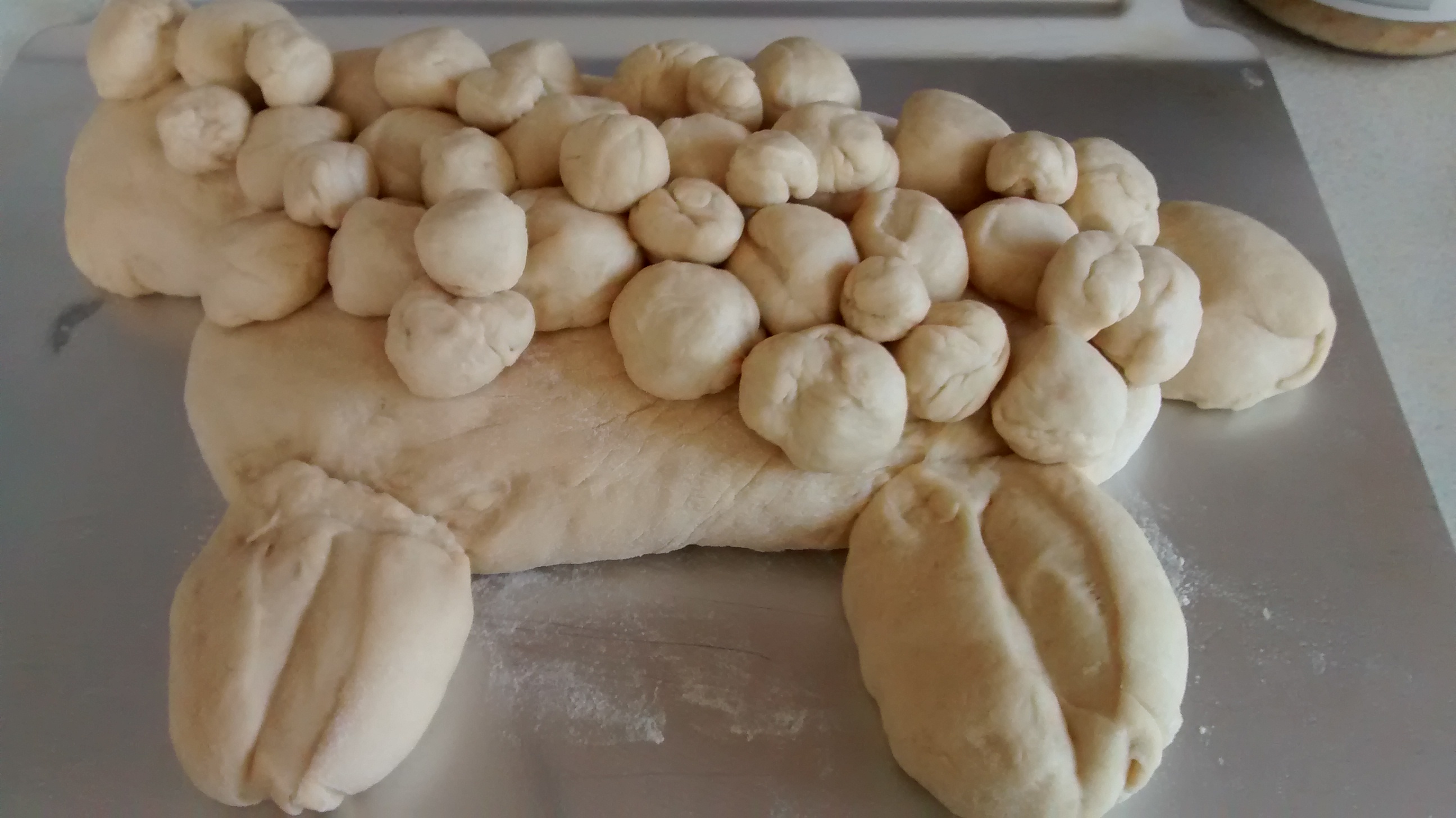
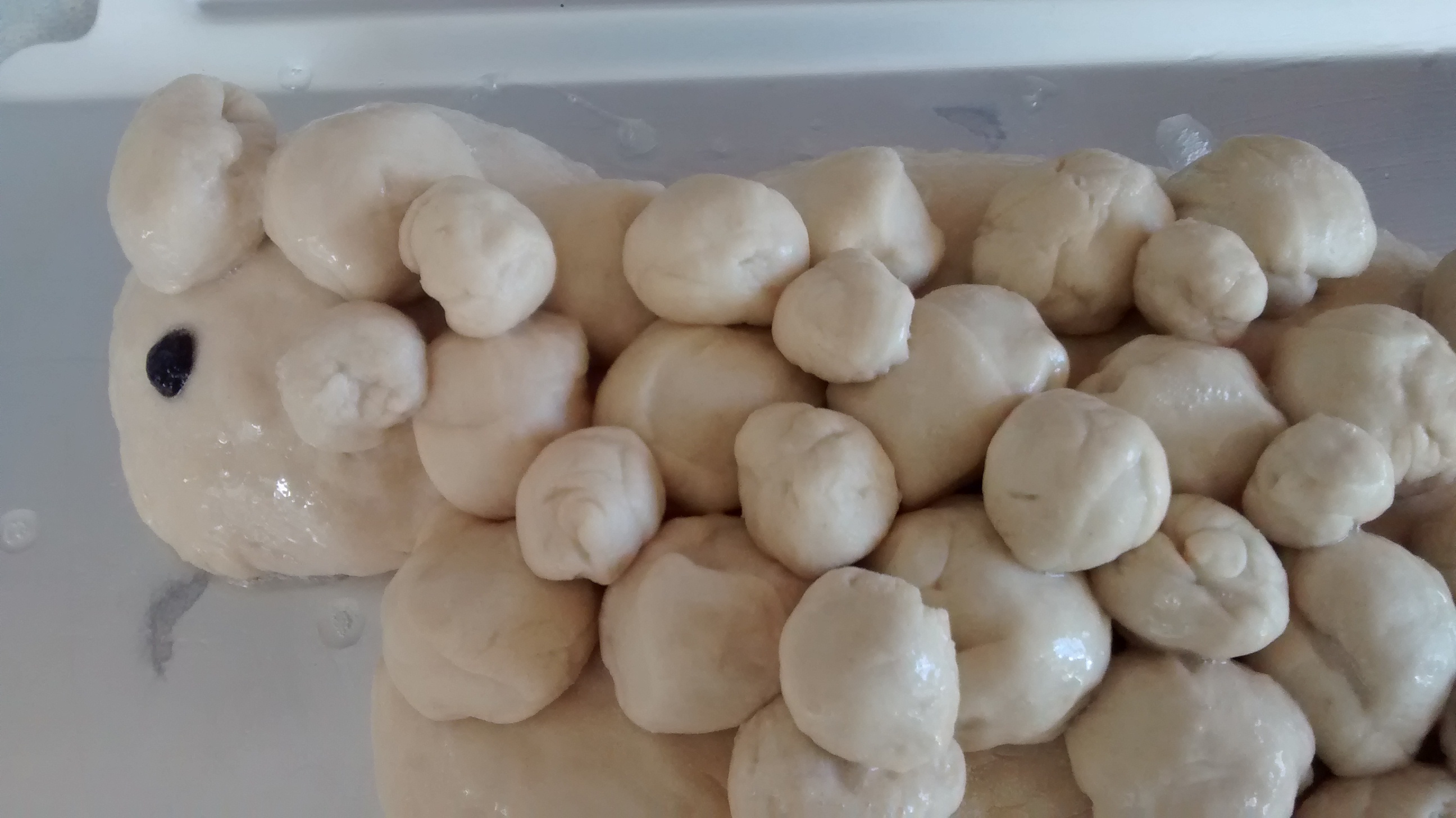
Using the remaining pieces of dough, pinch off small amounts to make around 24 x 2.5 cm balls and 11 x 1cm balls by rolling the pieces in your hand.

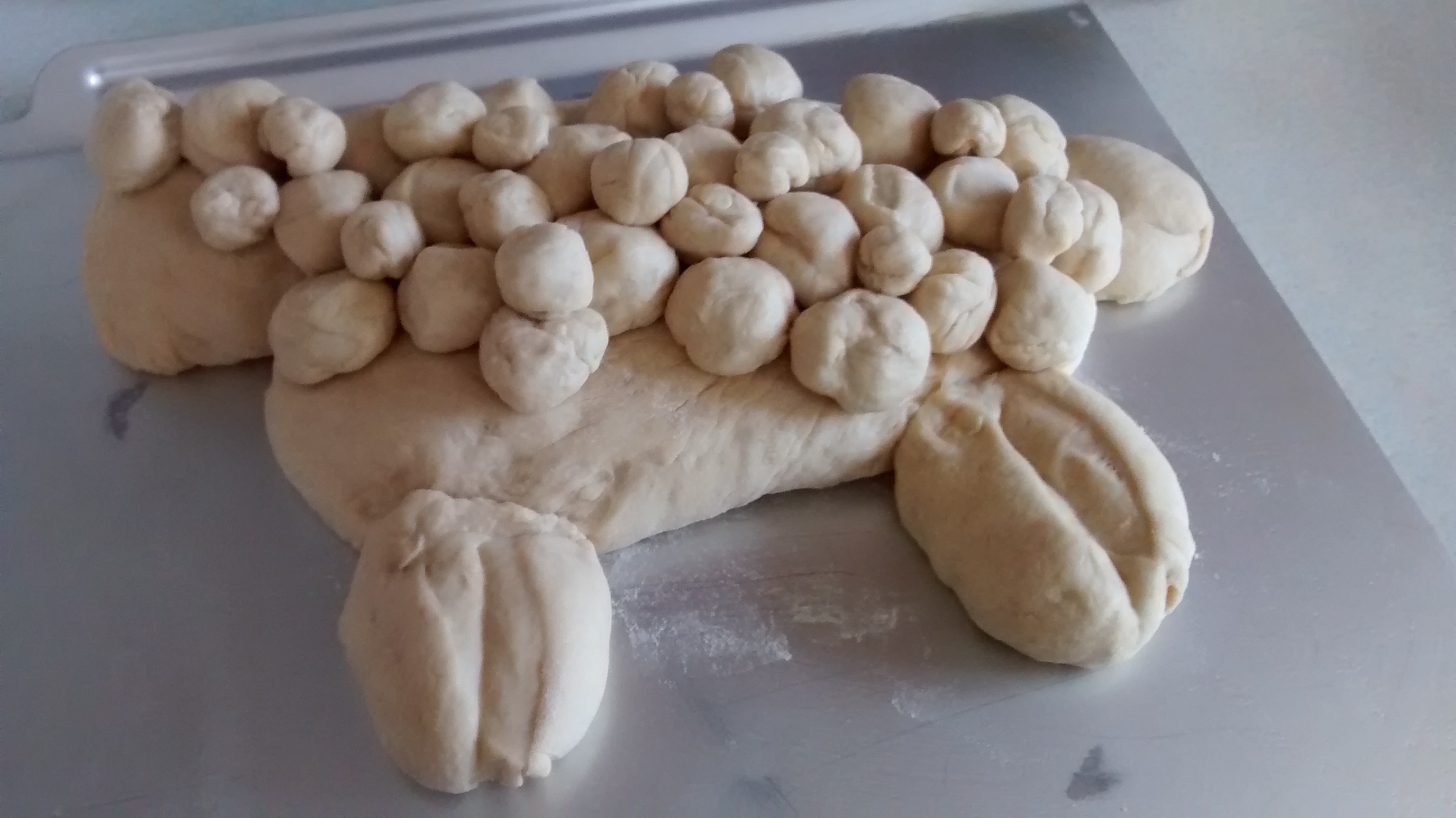
Arrange the larger balls over the body leaving a border of around 1cm uncovered.

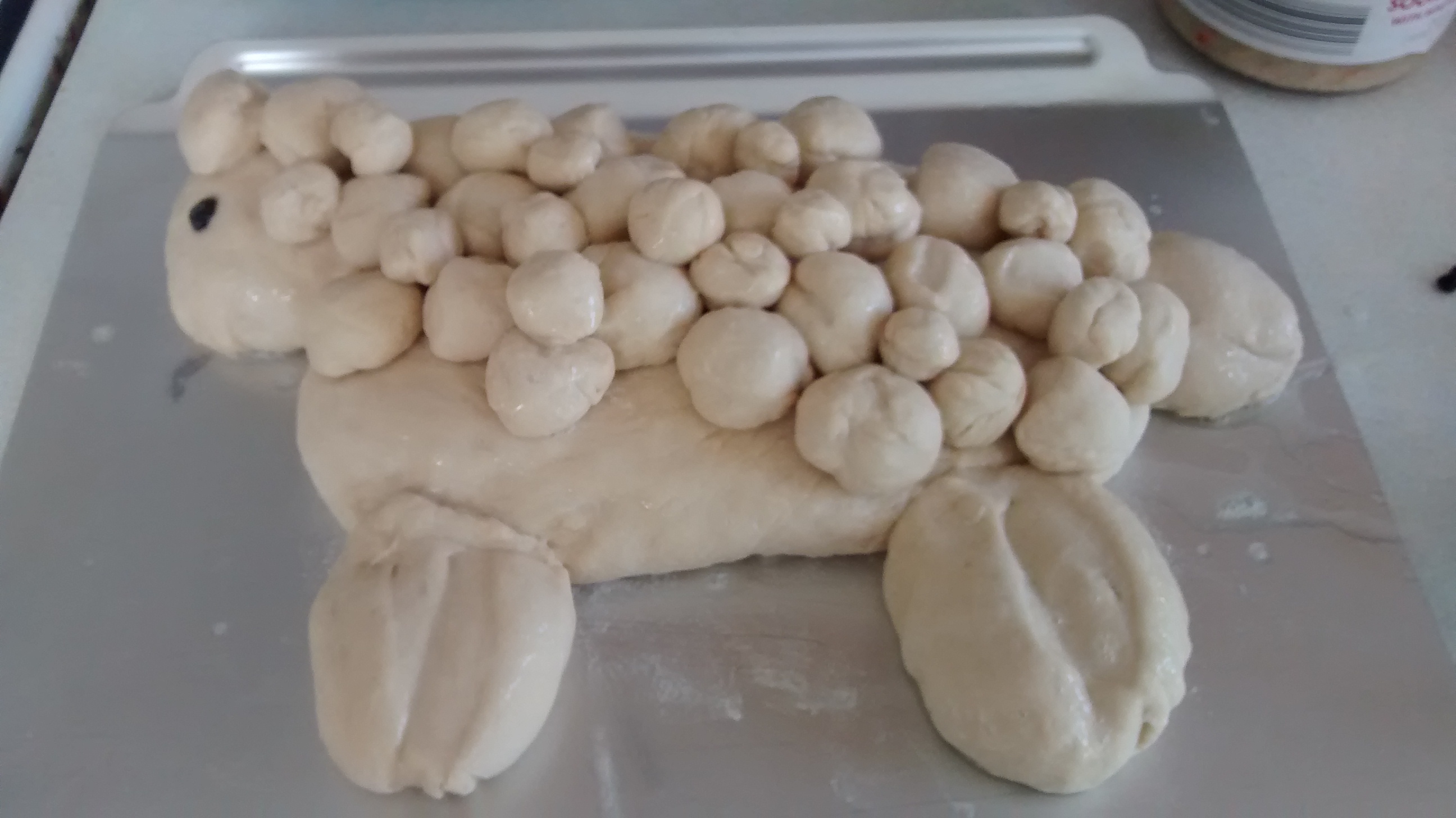
Arrange the smaller balls between the larger balls and on the top of the head.

Insert a currant or a raisin for the eye.


IMG_20160228_105821648 IMG_20160228_105830553 IMG_20160228_110240522


IMG_20160228_110236026


Brush with egg white wash and bake for 10 minutes.

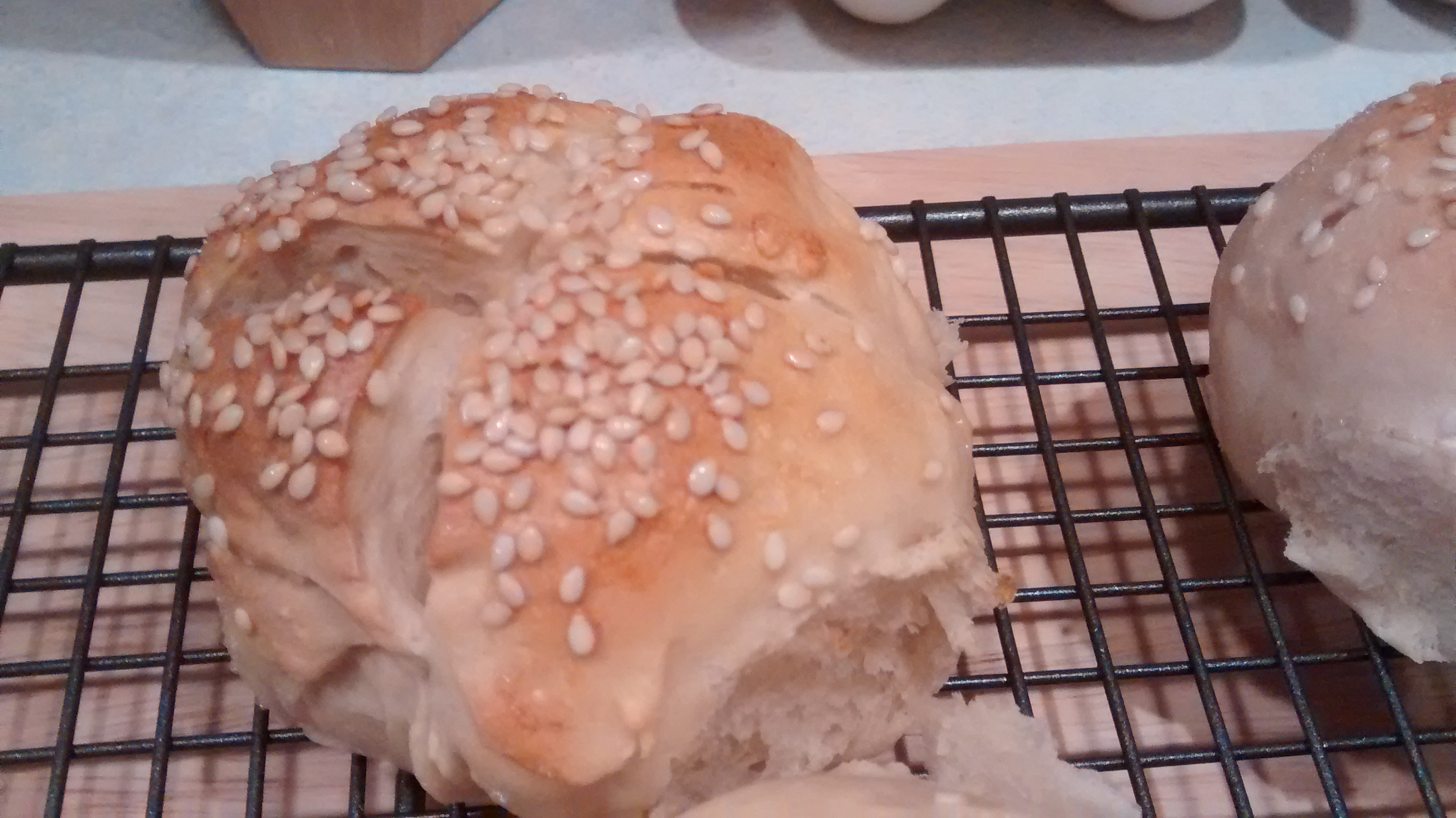
Quickly brush on more egg white wash and sprinkle sesame seeds over the head and body.

Bake for another 10 to 15 minutes or slightly longer until lightly browned on top.

IMG_20160228_113024233

IMG_20160228_113007450


IMG_20160228_122343641


IMG_20160228_122357093


IMG_20160228_122327553


Bułeczki – Bread Rolls

First let me start by trying to explain a  little bit of linguistic confusion around the use of the word bread.

The Polish for bread is chleb and is used for rye bread and any bread which contains at least some rye flour.

The word bułka means a loaf and bułeczka means a little loaf or roll (bułeczki – is the plural) and these words are used for soft  wheat loaves or rolls.

So bułeczki are what in England are called bread rolls or bread buns.

However the word is also used for sweet dough yeast buns or sometimes small cakes in general.

The following instructions are for an enriched dough for bread rolls or buns – that is a dough with added milk, butter and eggs.

I will write write about sweet yeast buns in the future

A few pointers – learnt over the past few weeks

  • Learn to be patient – you cannot control the timings exactly with yeast, it depends on the temperature of the room and the flour used and other variables.
  • Do yeast baking on a day you are planning to be in & have other things to do, but ones you can break off from when needed.
  • Heat the milk so it is at body temperature – use the finger test – too hot and you will kill the yeast – too cold is okay – it will just take longer.
  • Strong flour gave me the best results.
  • Have the dough as wet & soft as you can handle – do not be tempted to add more and more flour as you form the dough at the beginning.
  • Knead the dough as much as possible – it can be quite relaxing once you get going.
  • Use the amount of salt as and when stated in the recipe, it gives the bread taste and controls the yeast.
  • An egg glaze often burns too quickly –  I have found an egg white or egg white & water glaze gives a better result.

The Polish recipes I have looked at make a rozczyn – a leaven in the form of a batter or starter to begin with – I have liked using this method very much.

The older Polish recipes use fresh yeast. I have used dried yeast and had very good results.  (I have not tried using easy bake yeast for this recipe).

Basic Enriched Bread Dough 

Ingredients

Leaven

250ml tepid milk

25g fresh yeast or 15g dried yeast(1 tablespoon)

1 tbs sugar

100g strong flour

Dough

400g strong flour

1 egg

1 tsp salt

50g butter or margarine or 2 tbs vegetable oil

Wash

1 egg white or

1egg white  &  1 tbs water

Optional

Poppy seeds

Sesame seeds

 Method

Mix the yeast and sugar with the warmed milk – if using dried yeast leave for a few minutes to let the yeast start to work.

Put the 100g of flour into a bowl and add the milk and yeast mixture, mix it all in to form a batter.

Cover the bowl with a tea towel or cling-film and leave it to rise.

IMG_20160222_120503215


IMG_20151210_102407333_HDR


Put the 400g of flour in a large bowl.

Whisk the egg with the salt.

Add the leaven and the egg mixture to the flour and bring it together by hand to from a ball.  You might have to add extra milk to get a soft ball – try not to add more flour.

In a small pan melt the butter and leave it cool

Turn the dough out onto a firm surface and knead until you have a nice smooth ball – one of my books says do this for 30 minutes! – knead it for at least 10 minutes.

Now this is the hardest part!

Flatten out the dough and pour the butter or oil over it.

Then incorporate the butter or oil into the dough  and knead it until once again you have a nice smooth ball.

Place the dough into a clean bowl and  with a tea towel or cling-film and leave it to double in size.

IMG_20160228_102954504_HDR


IMG_20160228_103005836


Pre-heat the oven to GM5 – 200°C

Grease a large baking sheet.

Take the dough and on a floured surface roll it out into a rectangle.

The next part is to shape the dough, brush with an egg white wash and sprinkle with seeds as desired and bake for 15 minutes.

Three Traditional Shapes

Bułeczki – Kajzerki – Rogaliki

Bułeczki – Round Buns

This amount of dough will make 12 buns.

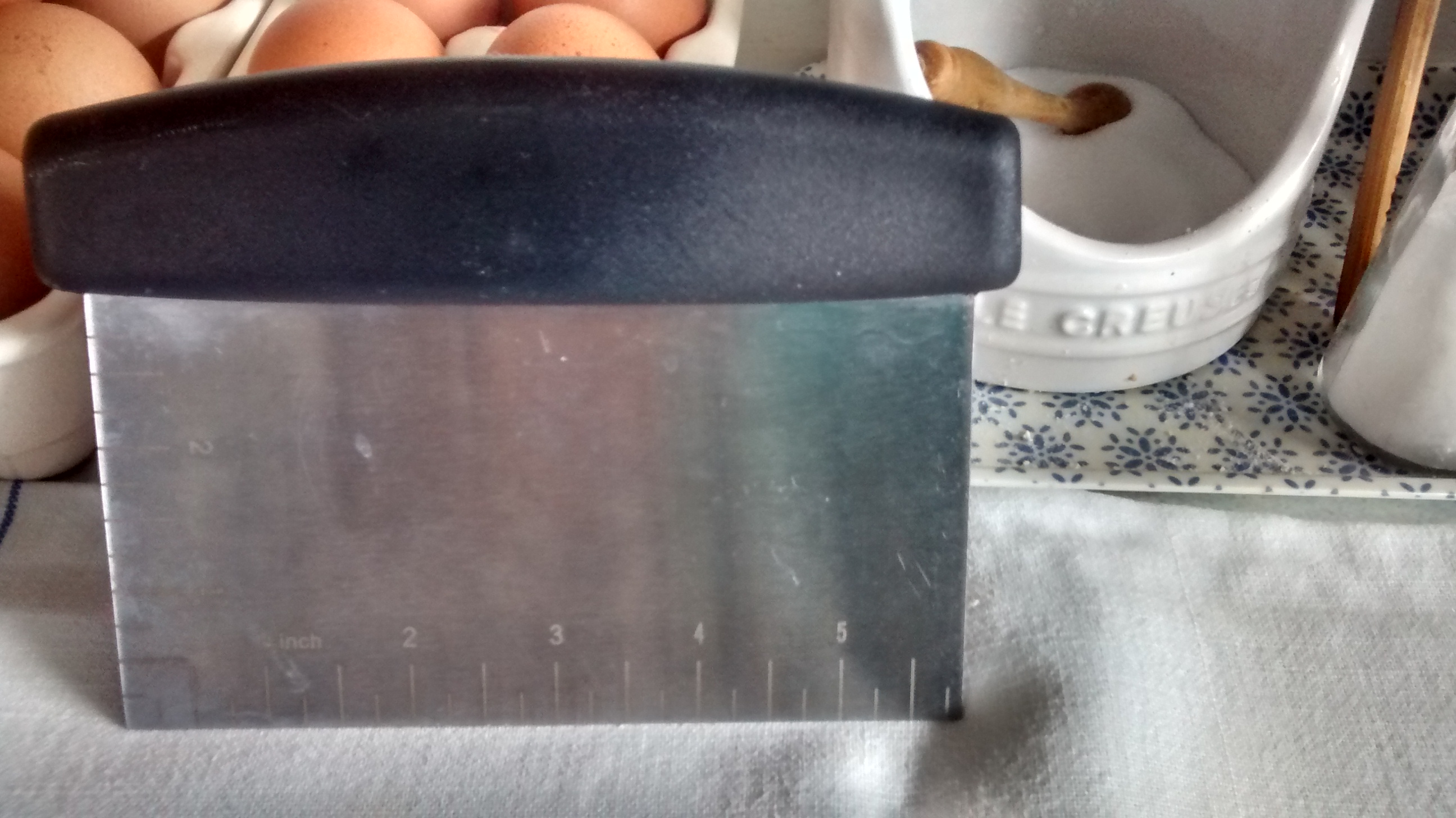
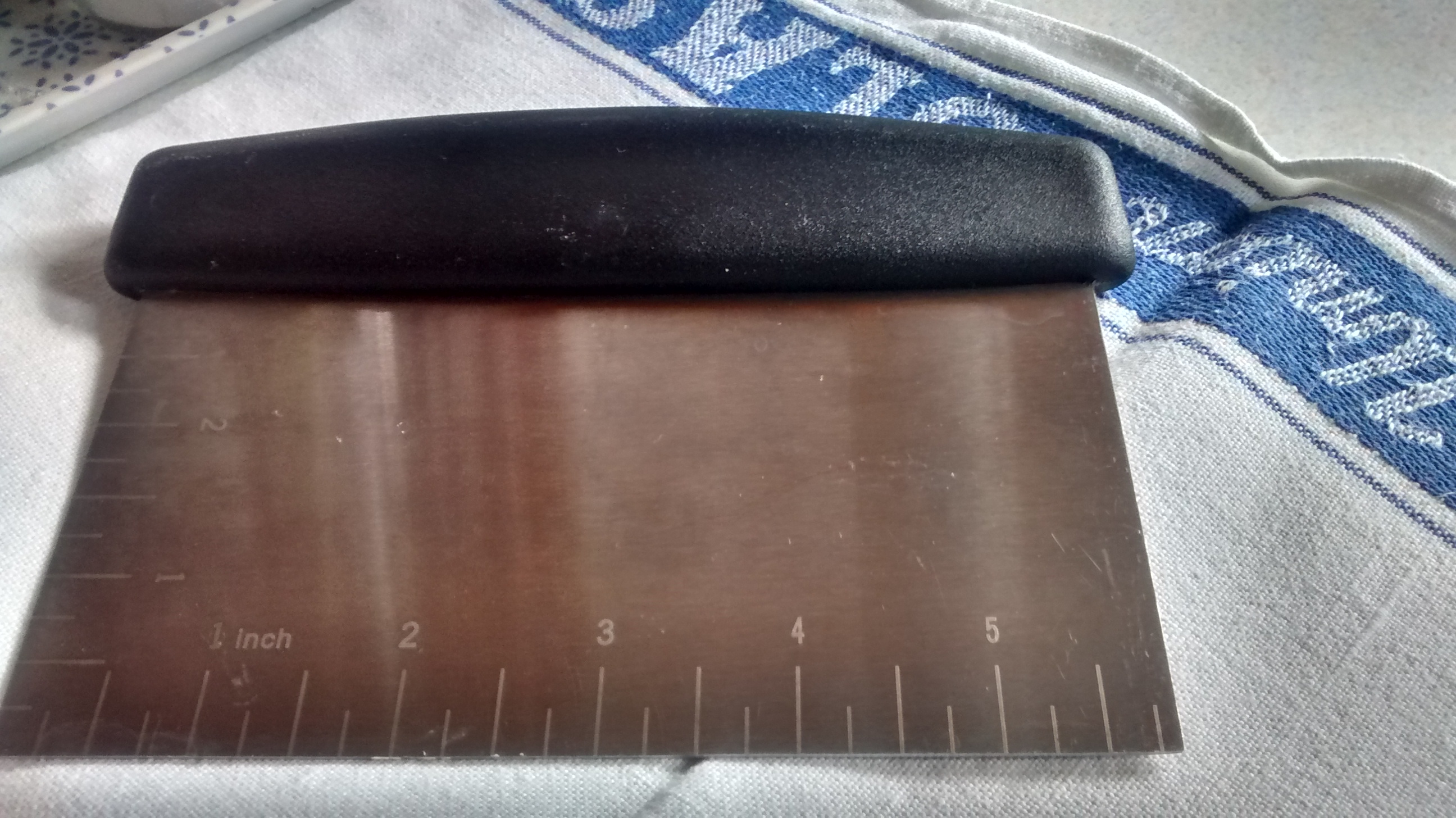
Use a sharp knife or a dough cutter to divide the dough.

IMG_20160305_093938050_HDR
Stainless Steel Dough Cutter

IMG_20160305_094018656_HDR


Divide the dough into 2, then each half divide into 2 again. Then divide each piece into 3 equal pieces so giving you 12 pieces. Roll each piece of  dough in your hands to make a smooth round ball.  Place these on the greased baking sheet with space between them for them to rise. Cover loosely with a cloth and leave them to rise.

IMG_20160220_194430607

IMG_20160223_190401191


Pre-heat the oven to GM5 – 200°C

Make an egg white wash by whisking an egg white in a little bowl or an egg white and 1 tablespoon of water.

Use a pastry brush to brush the tops of the buns.

Sprinkle with poppy or sesame seeds if desired.

Bake for around 15 minutes until they are golden brown – check a little earlier and move them lower in the oven or lower the temperature if the tops are beginning to burn.

Kajzerki

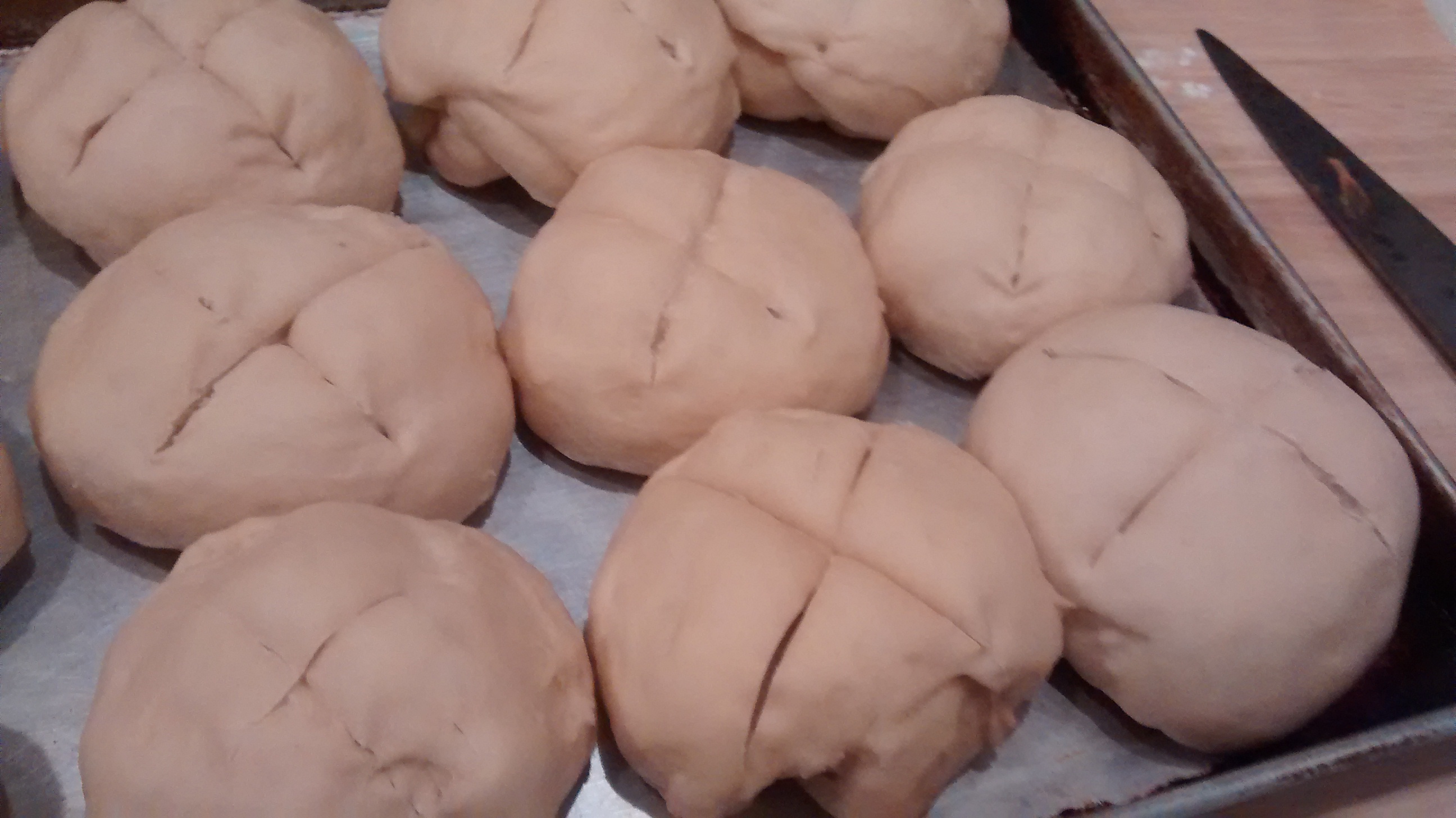
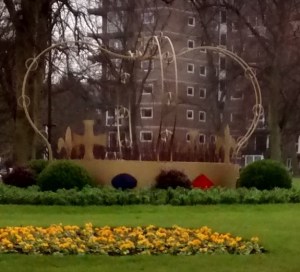
These are Kaiser rolls and originated in Austria – they are meant to look like a crown for the Kaiser. Cut a cross on the top of the dough using a sharp knife –  this expands  as the dough rises – or you can make 3 cuts to make a 6 pointed star.  However the traditions Kaiser roll does in fact have a 5 point cut at the top.

Make 12 buns as in the instructions above

Cut a cross in the top of each bun – cover them with a cloth and leave them to rise.

IMG_20160223_190406480


Pre-heat the oven to GM5 – 200°C

Make an egg white wash by whisking an egg white in a little bowl or an egg white and 1 tablespoon of water.

Use a pastry brush to brush the tops of the buns.

Sprinkle with poppy or sesame seeds if desired.

Bake for around 15 minutes until they are golden brown – check a little earlier and move them lower in the oven or lower the temperature if the tops are beginning to burn.


IMG_20160223_190543570

IMG_20160223_190536790


IMG_20160223_192330227 IMG_20160223_192340693 IMG_20160223_192351077 IMG_20160223_192802119


IMkaiser

A couple of days after making these rolls I went to Harrogate and saw this crown!

Rogaliki – Crescent Rolls

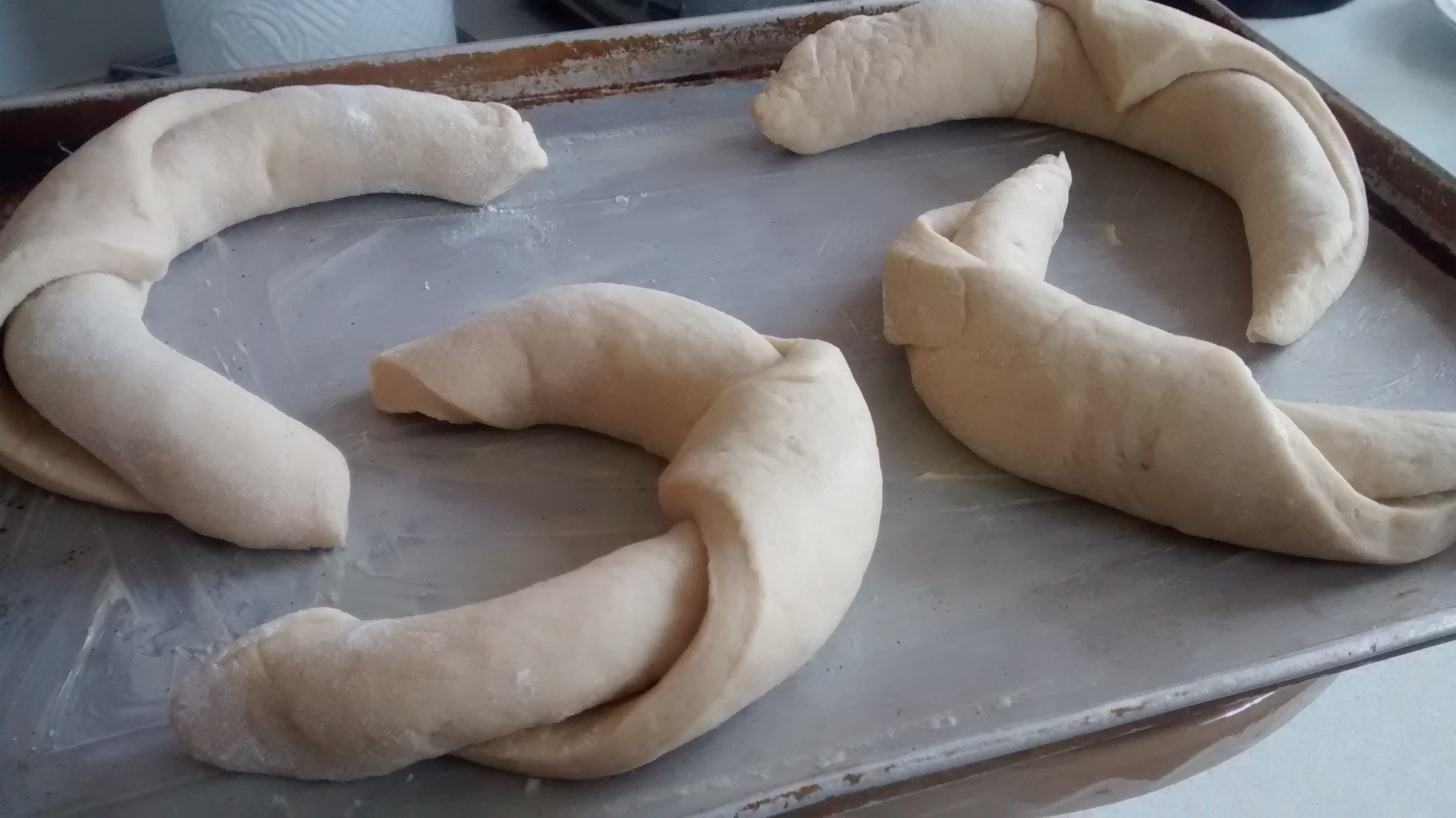
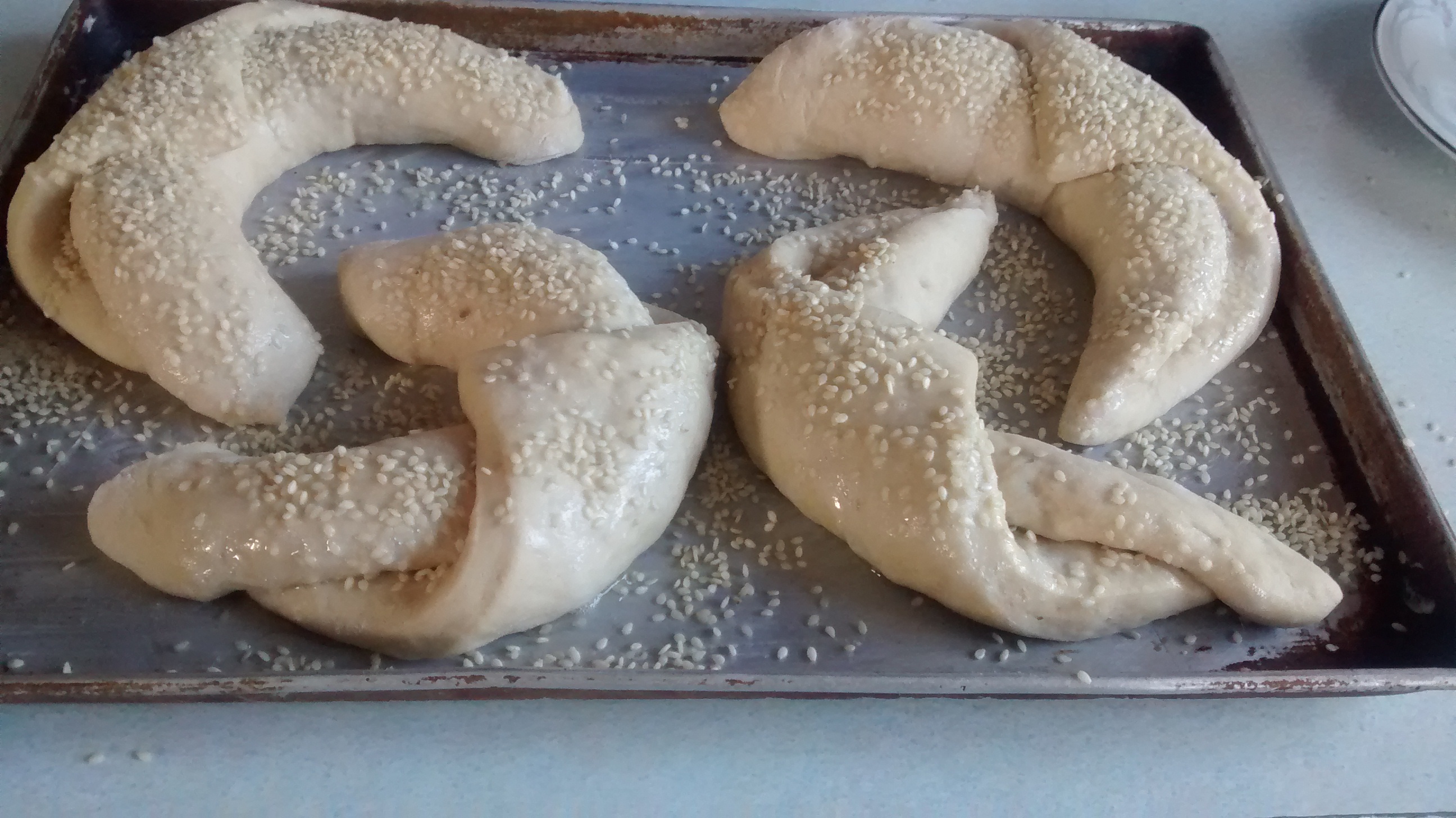
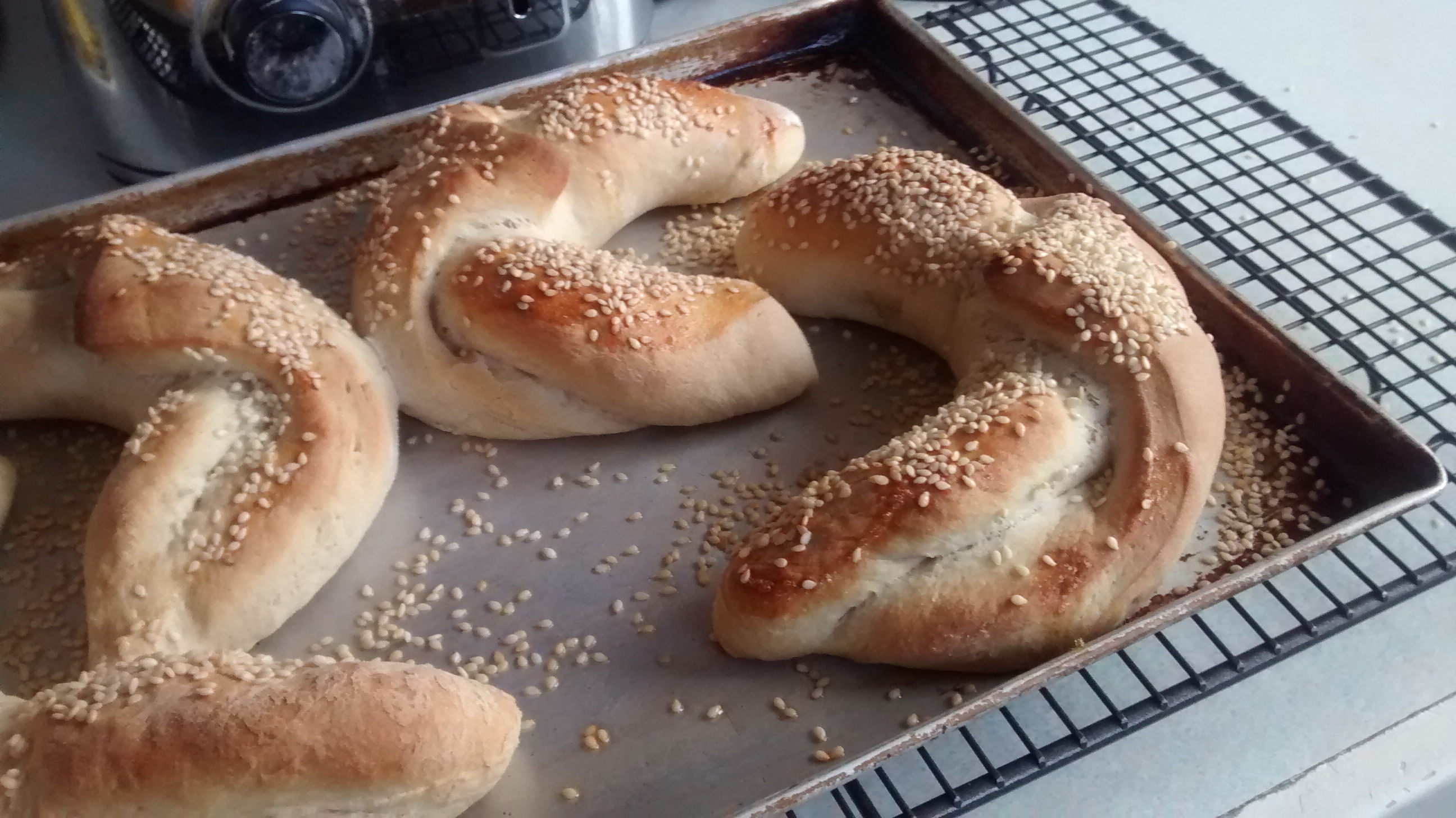
Rogaliki means little horns and these rolls are made into a crescent shaped which look like horns.

This amount of dough makes 8 rolls and you will need 2 greased baking sheets.

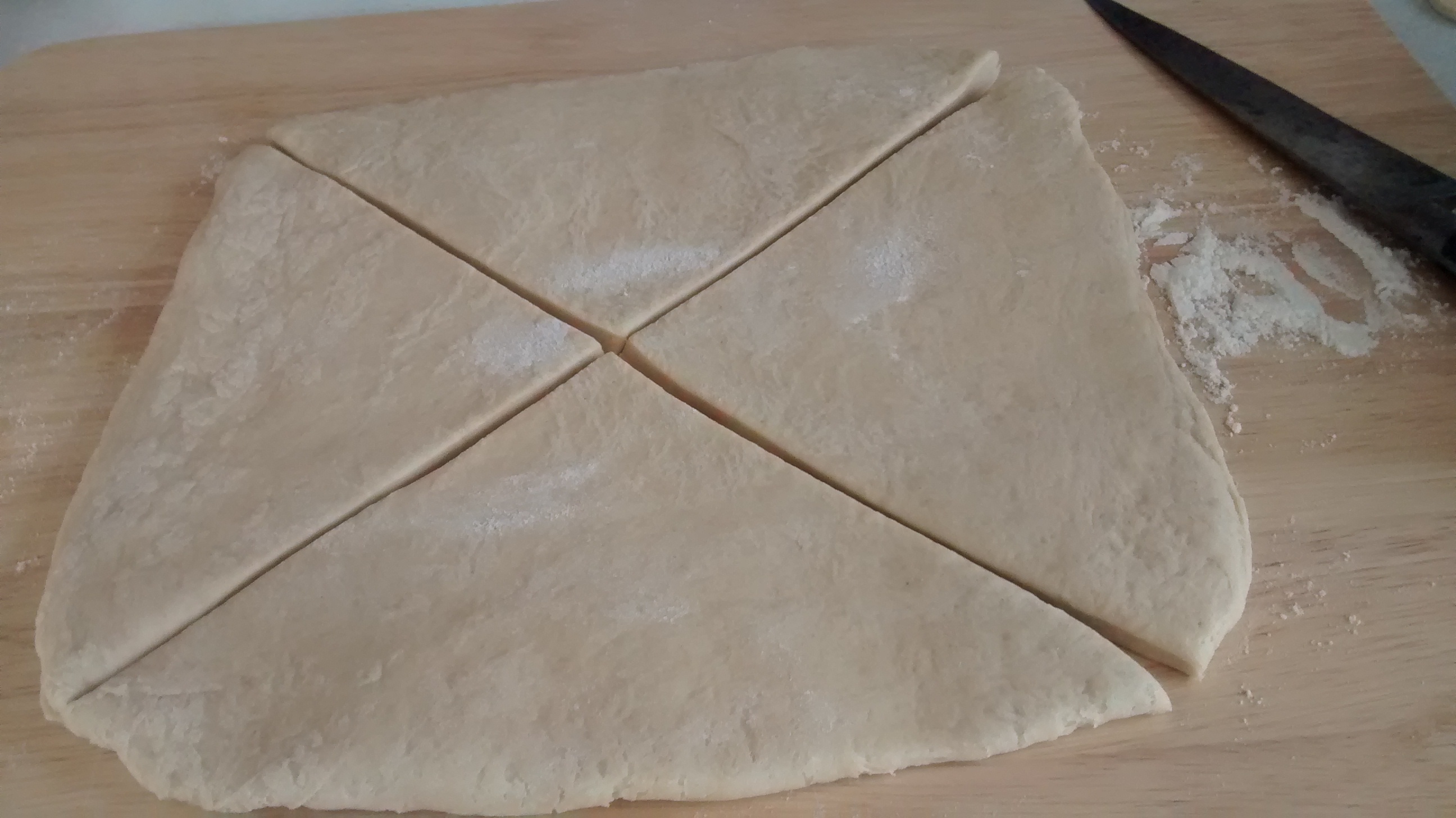
Take the dough and divide it into 2, take each piece separately and roll it out into a rectangle, as thinly as possible, and cut this diagonally across to make 4 triangles.

IMG_20160222_133018976


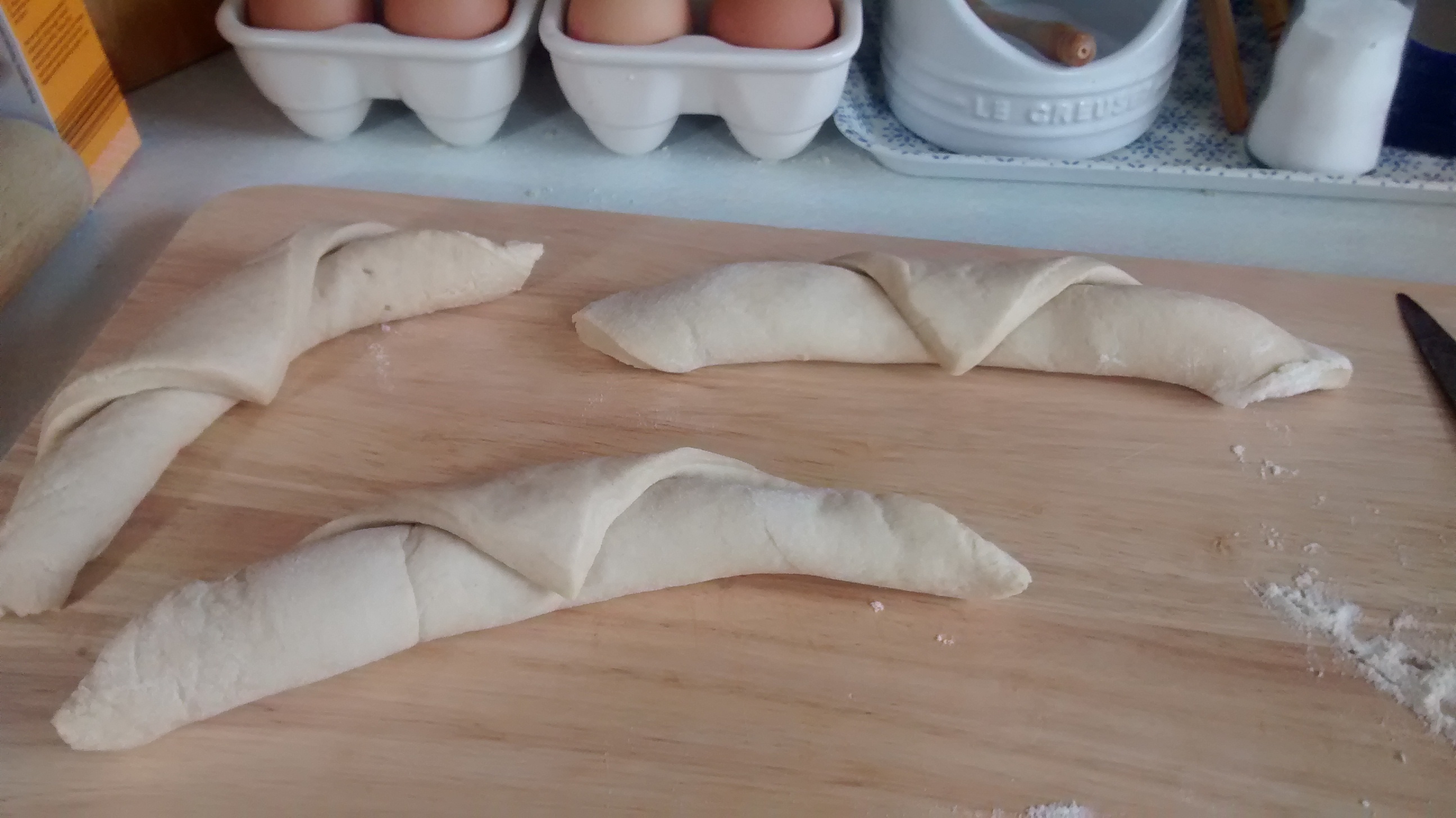
Starting with the long end roll up each piece ending with the point at the top. Curve the shape around to make a crescent shape.

IMG_20160222_133143056


IMG_20160222_133233911

Place these on the greased baking sheet with space between them. Cover loosely with a cloth and leave them to rise.

Pre-heat the oven to GM5 – 200°C

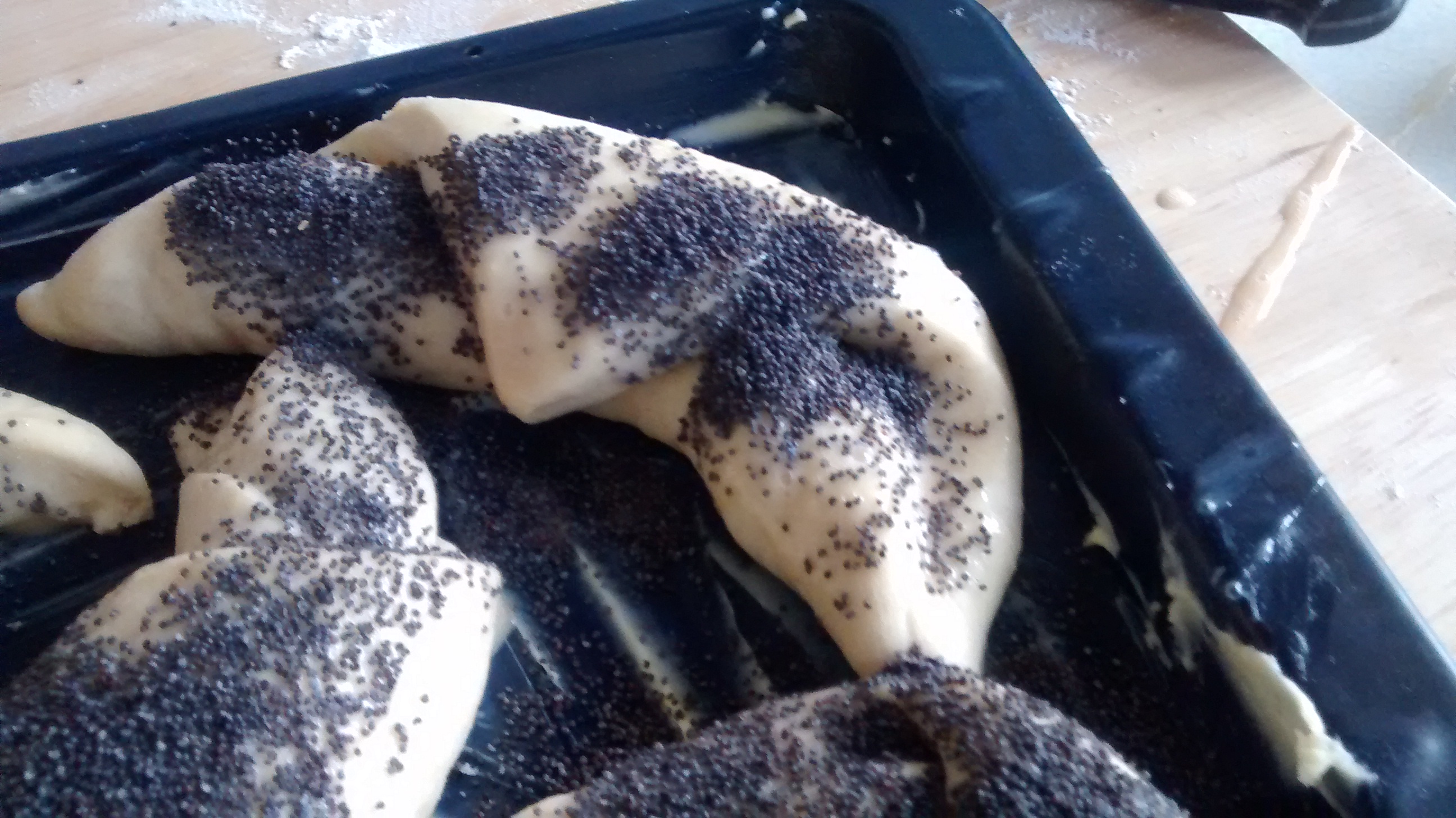
Brush with the egg white wash and sprinkle with seeds as desired.

IMG_20160222_151154630


IMG_20160222_152724852


Bake for around 15 minutes until they are golden brown – check a little earlier and move them lower in the oven or lower the temperature if the tops are beginning to burn.

IMG_20160222_152953474


IMG_20160222_154455488


IMG_20160222_154450678_HDR


IMG_20160222_154521519


Babka – Polish Cake – Using Potato Flour

Potato flour is used in many Polish recipes for a variety of cakes.

This recipe is for a babka (click here for earlier post) using a mixture of wheat flour and potato flour and is adapted from a recipe in my old Polish cookery book.

IMG_20160130_192651306

Kuchnia Polska - Polish Kitchen or Polish Cookery
Kuchnia Polska – Polish Kitchen  – Polish Cookery


In the past potato flour was hard to find in England but now you should be able to find it in most Polish shops.

IMG_20151126_161842176
Potato Flour

One of my Polish friends in England said she had tried using cornflour in baking when she could not get  potato flour but she did not think it gave as good results.

Recently in a repeated radio programme on BBC Radio 4 Extra I heard the late Marguerite Patten  say  that cooks in Victorian England  used potato flour in cake baking on a regular basis.

 Ingredients

150g plain flour

1 teaspoon baking powder

100g potato flour

200g butter or block margarine

4 eggs separated

200g icing sugar

Zest of 1 lemon

Juice of 1/2 a lemon

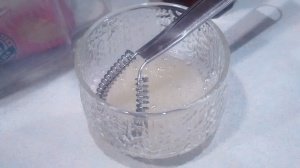
3 to 4 tablespoons of  soured cream or yoghurt – Full Fat-Greek style or home-made Yoghurt – click for earlier post)

(I have made this recipe with soured cream and then with my own yoghurt – both turned our super)

IMG_20150707_200527058

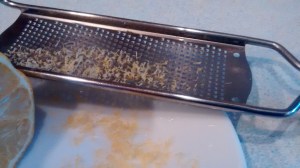
Fine Grater – Microplane Graters are Super For Lemon Zest.

Microplane Professional Series

Method

Grease and flour a large babka tin.

IMG_20151210_071931092

Pre-heat the oven to GM4 – 180°C

Mix the flours together with the baking powder and leave to one side.

In a large bowl, cream the butter and the icing sugar until the mixture is pale and fluffy.

Beat in the egg yolks – one by one.

Then beat in the lemon zest and juice.

In a separate bowl beat the eggs white until they are stiff.

Fold the egg whites into the creamed mixture.

Gently fold the whites in the flour mixture.

Place the mixture into the prepared babka tin.

Place the tin in the centre of the oven and bake for around 30 – 40 minutes.

Check with a cake tester.

Remove from the oven and let the cake cool a little.

IMG_20150902_131105650


IMG_20150902_131036540


When cooled –  remove carefully from the tin – this is easiest when the cake is nearly cold.

Dust the cake with icing sugar or pour over it a runny icing glaze.


IMG_20150902_165350657 IMG_20150902_165339825

IMG_20150902_165420273

IMG_20150902_165334611
Silver Rose – Duchess 1950s & 1960s


Instructions for those who do not have a babka tin

At the moment (February 2016) Marks & Spencer are selling babka tins at a reasonable price – I bought one to add to my collection!

IMG_20151210_071926550
Tin from Marks & Spencer

However if you do not want to go to the expensive but want to try out the cake I have made the cake using 2 types of loaf tins with good results

IMG_20160222_085342694


First using a long narrow tin

IMG_20160222_085422673


and secondly a 2lb loaf tin.

IMG_20160222_085433454


You need to grease and line the tins or use loaf tin liners – I discovered these recently and think they are a boon. You can get them in 2 loaf sizes.  They are available in many stores but also you should also be able to find them in the cheaper discount stores.

IMG_20151120_073255217


IMG_20150907_100000771

The cake takes 40 -45 minutes in a pre-heated oven at GM4 – 180°C

IMG_20150907_111020286

IMG_20150907_111214502

Dust the top with icing sugar

IMG_20150907_165858105

IMG_20150907_165908046

IMG_20150907_170256852 IMG_20150907_170224421


Colclough Longton Bone China ..... Around 1930s
Colclough Longton Bone China …..
Around 1930s