Babeczka – Little Poppy Seed Buns – 3

  • Babka is the name of a cake in Polish, which is of a certain shape.
  • The name means grandma and the shape is round and dumpy and usually has a hollow centre.
  • A small bun or fairy cake can be called a babeczka (babeczki in the plural).
  • I have also seen the word mufinka now in Poland.
  • *
  • One of my very early posts looked at several versions with poppy seeds.
  • I now know it is easier to just do 1 or maybe 2 recipes per post.
  • So I am posting some of these again. 
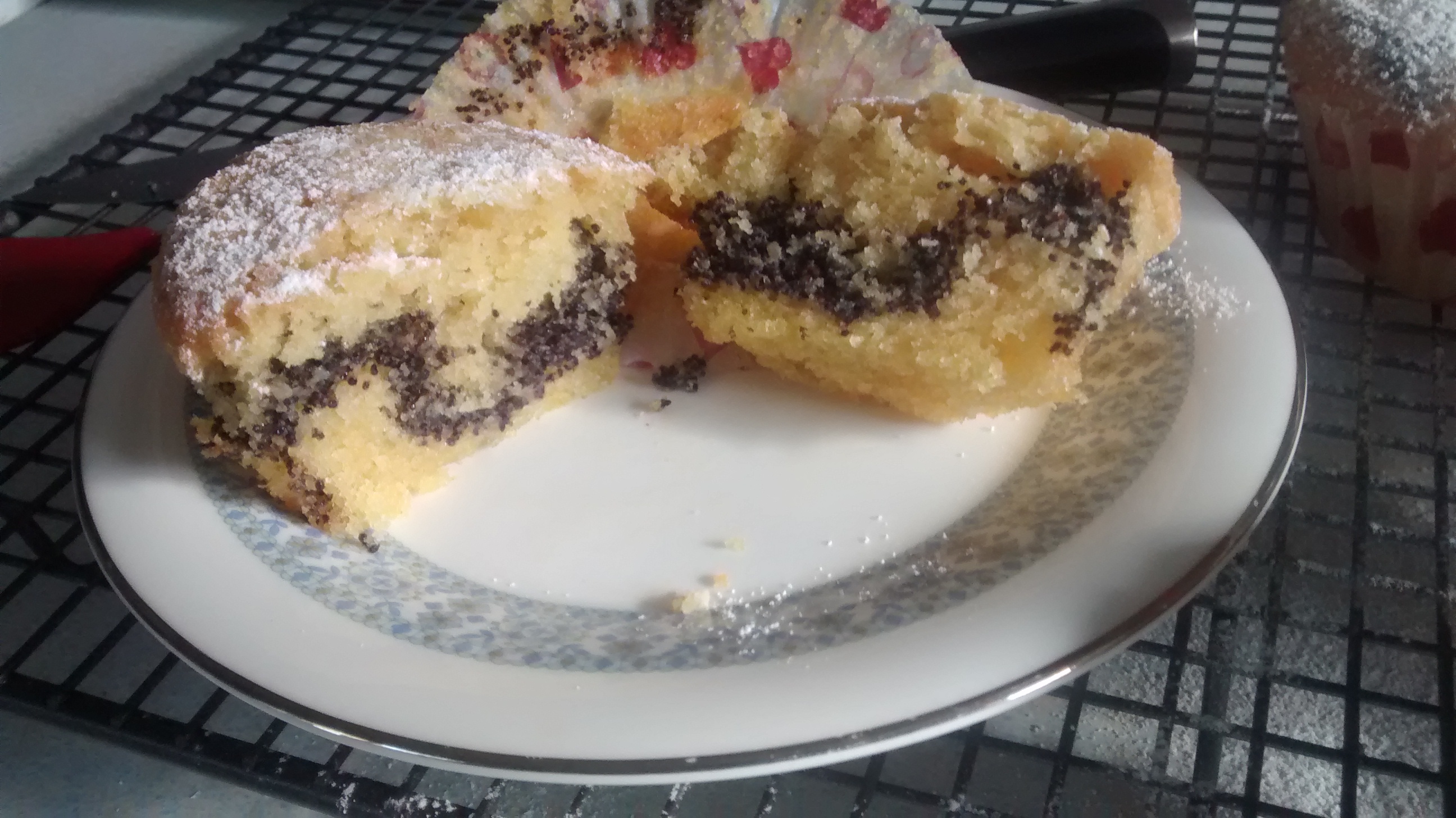
  • This one is for a sponge recipe with a poppy seed filling.
  • I use a cut down version of my usual filling.
  • These were made in bun cases – I do not know if they have these in Poland.
  • But they make these easy to make and are very portable.
  • *
  • You need to make the poppy seed filling beforehand and leave it to cool.

INGREDIENTS for the poppy seed filling

  • 100g poppy seeds
  • 300ml milk
  • 2 tablespoons of runny honey
  • 1 tablespoon of semolina
  • 1 egg yolk

METHOD for the filling

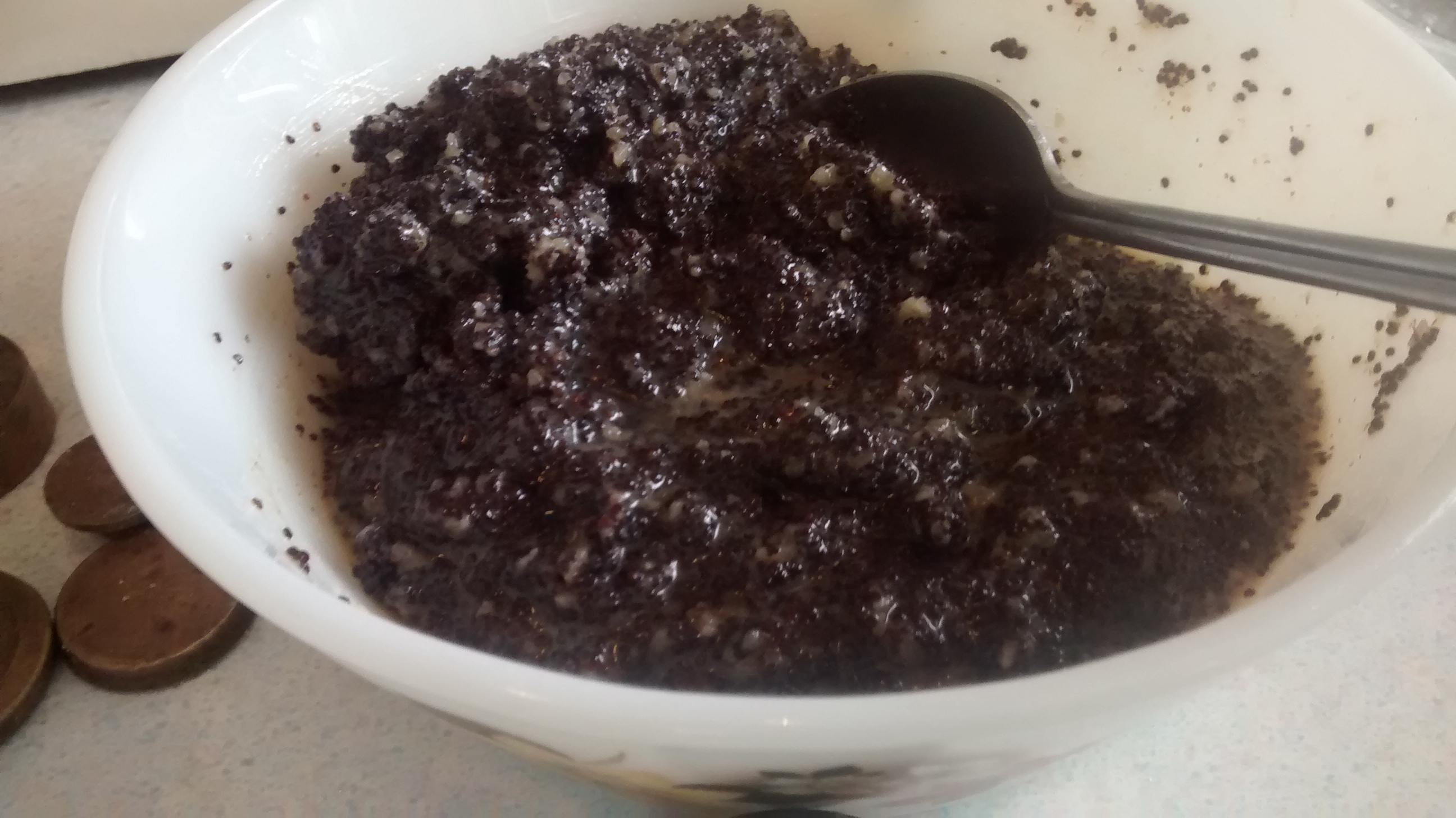
  • Put the poppy seeds and milk into a saucepan and simmer then together for 30 minutes, stirring occasionally to stop any sticking or burning.
  • The aim is to cook the seeds and adsorb as much of the milk as possible.
  • You need to watch this carefully and keep adjusting the heat to stop the mixture burning.
  • Keep stirring and heating until the milk is absorbed.
  • The poppy seeds then need to be crushed, I use a hand held blender for about 5 minutes which I find is the easiest way.
  • Once crushed, add the semolina and honey.
  • Heat again to remove any excess liquid.
  • Leave to cool completely before using.

INGREDIENTS for the sponge

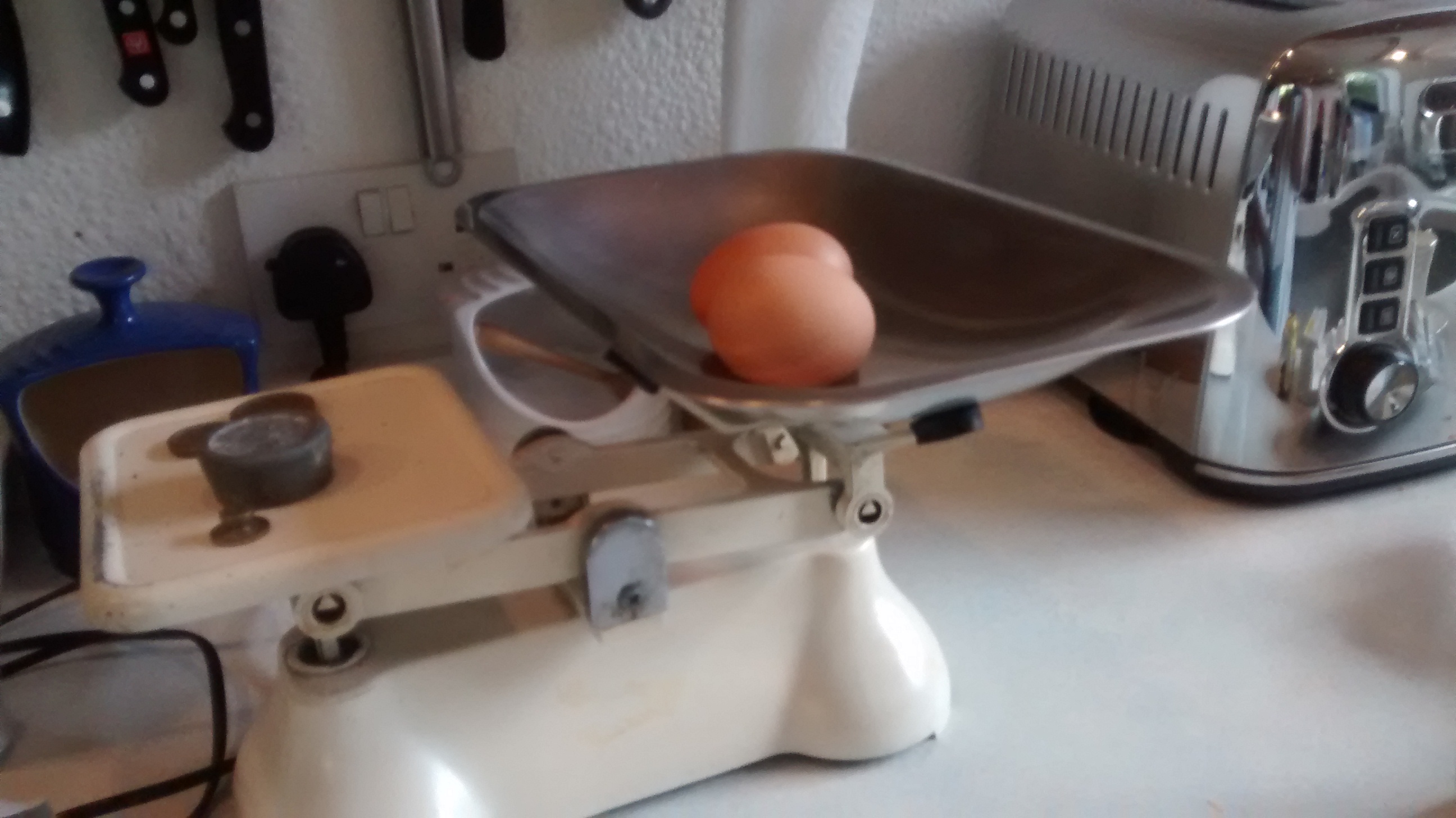
  • 2 eggs – weigh them in their shells
  • Equal weight of caster, sugar, butter and plain flour.
  • Baking powder to match the flour at 1 teaspoon per 100g

METHOD for the sponge

  • Cream the sugar and butter until light and fluffy.
  • Mix the baking powder with the flour.
  • Add the eggs 1 by 1 with a little flour.
  • Fold in the rest of the flour.

Putting the buns together

  • Pre-heat the oven to GM5 – 190° C
  • Put the bun cases into a bun tray.
  • 12 small buns or 9 large ones
  •  
  • The next bit is fiddly and it is easier to do them all at once.
  • You have to do this by eye –
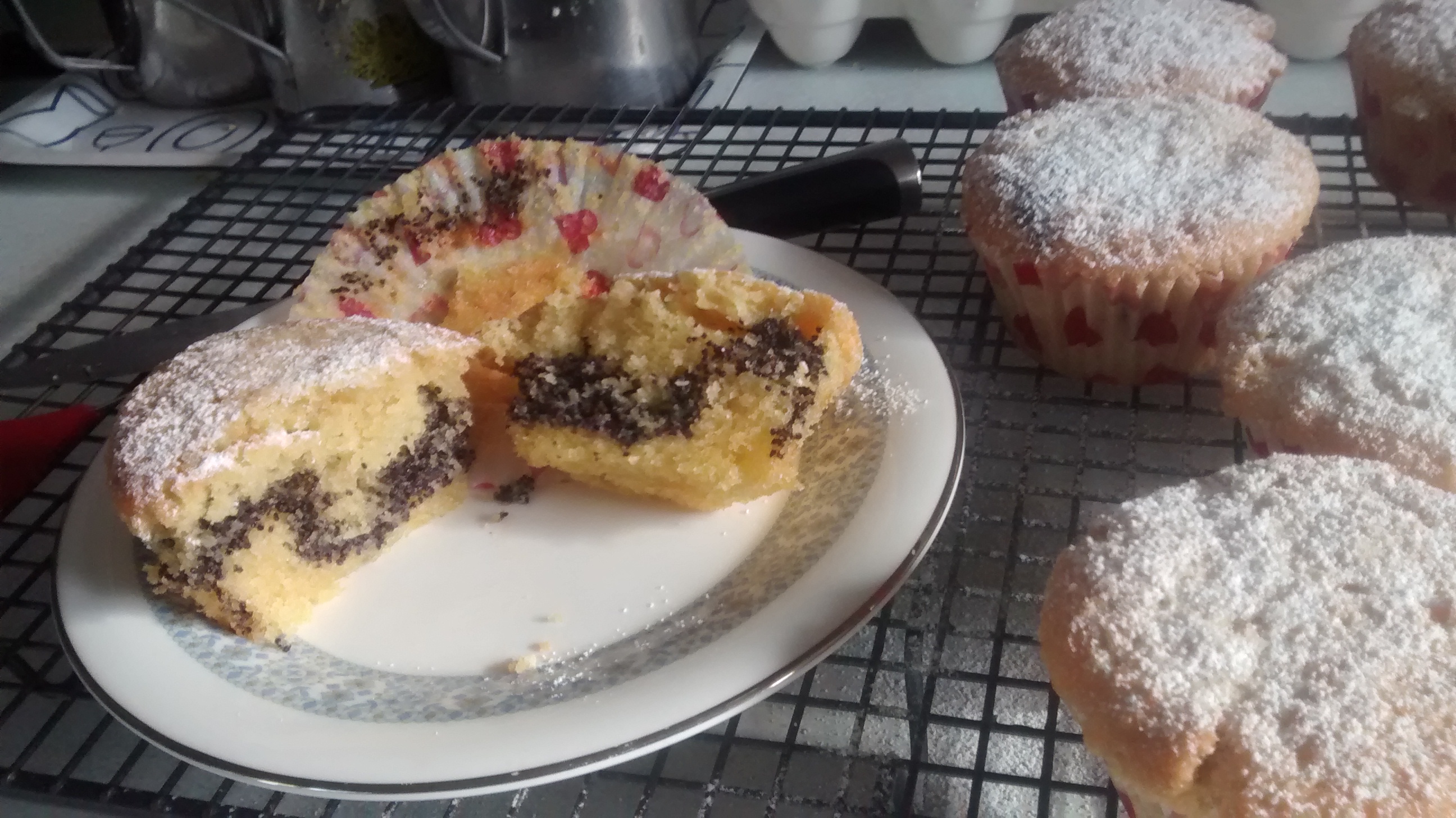
  • 1 tablespoon of sponge at the bottom –
  • Around ½ -1 tablespoon of filling next –
  • Cover with the rest of the sponge mixture.
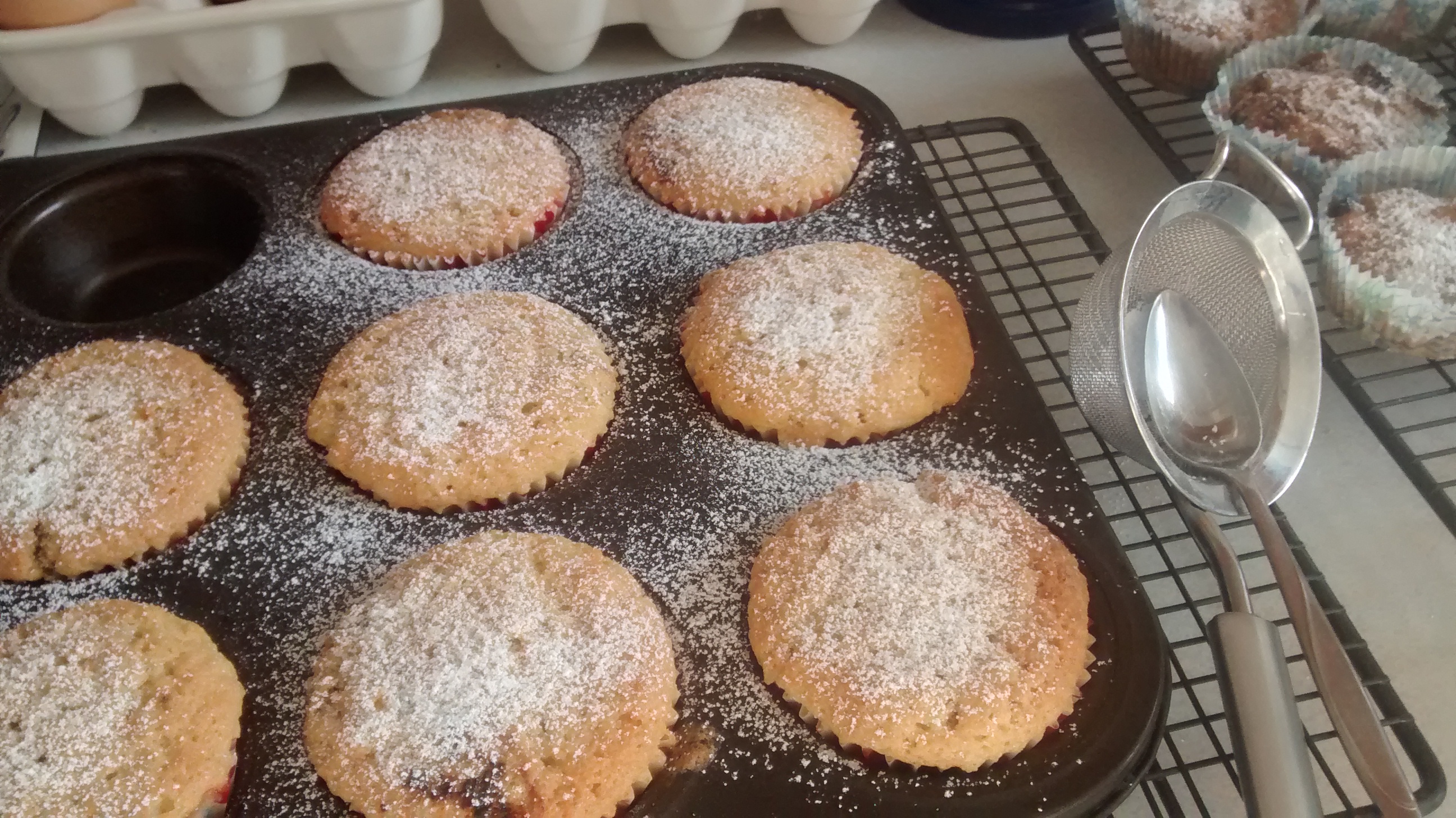
  • Bake for around 15 – 20 minutes until golden.
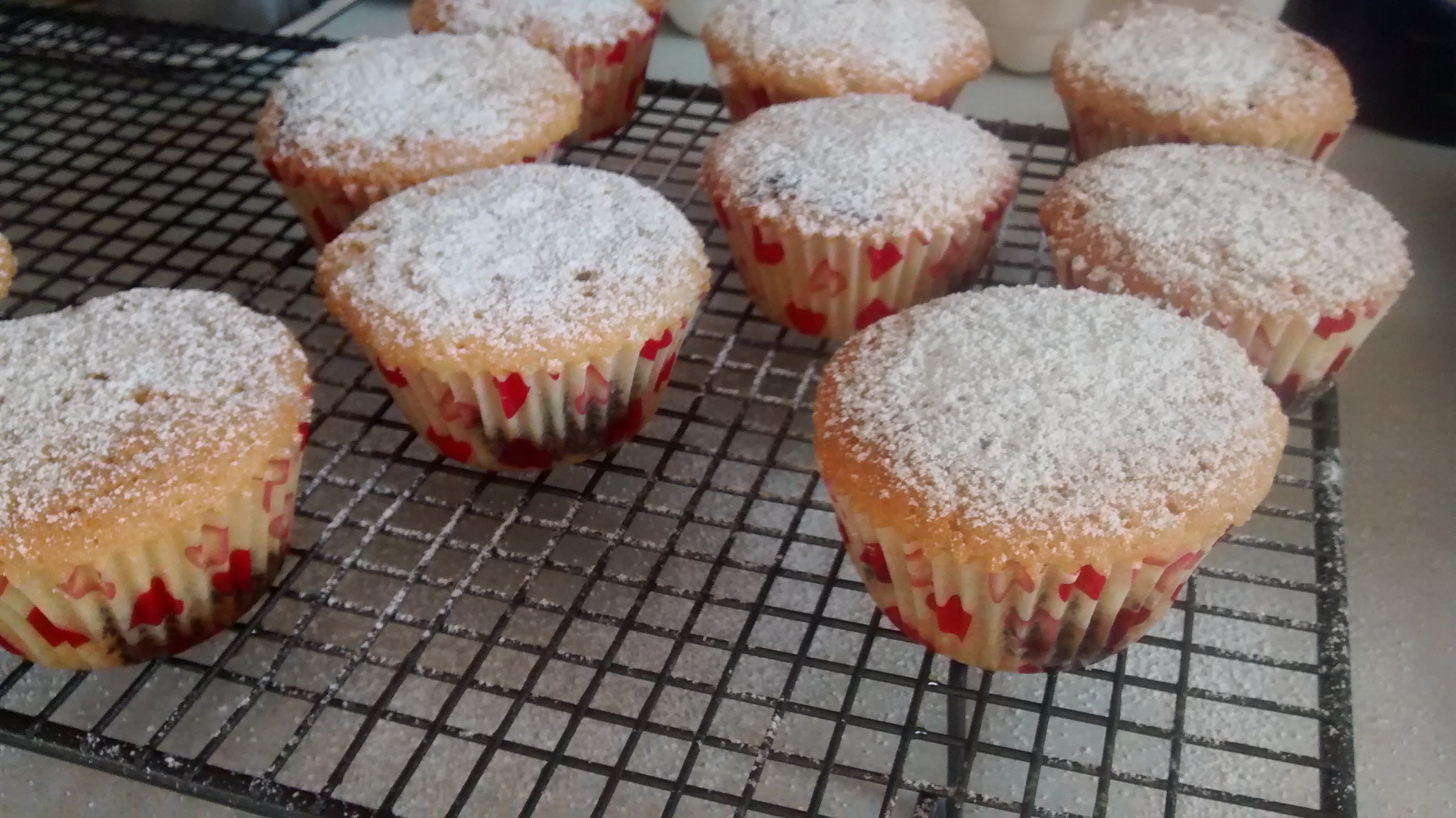
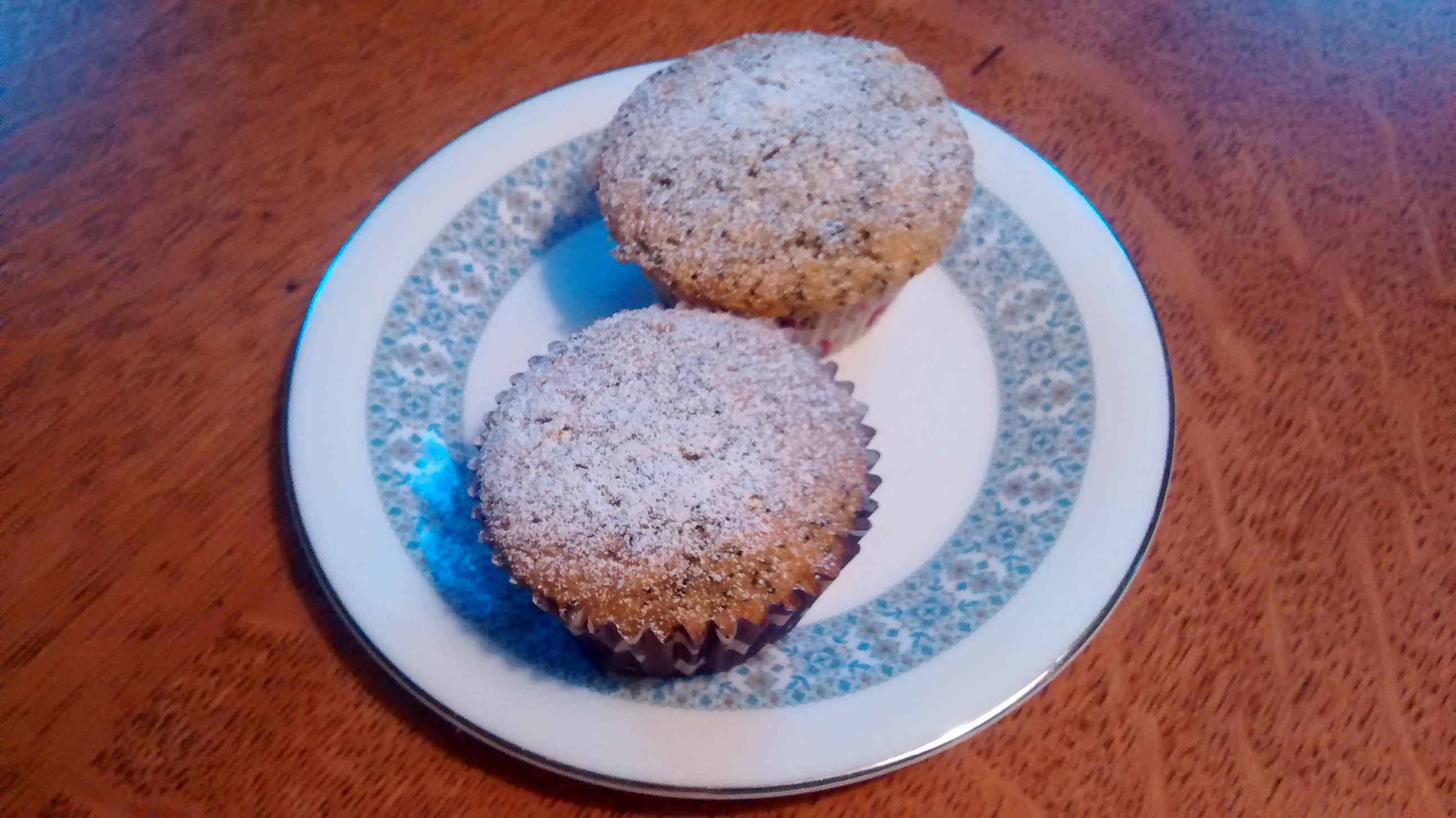
  • Dust with icing sugar before serving.

They have proved very popular and I often make them for wigilia now.
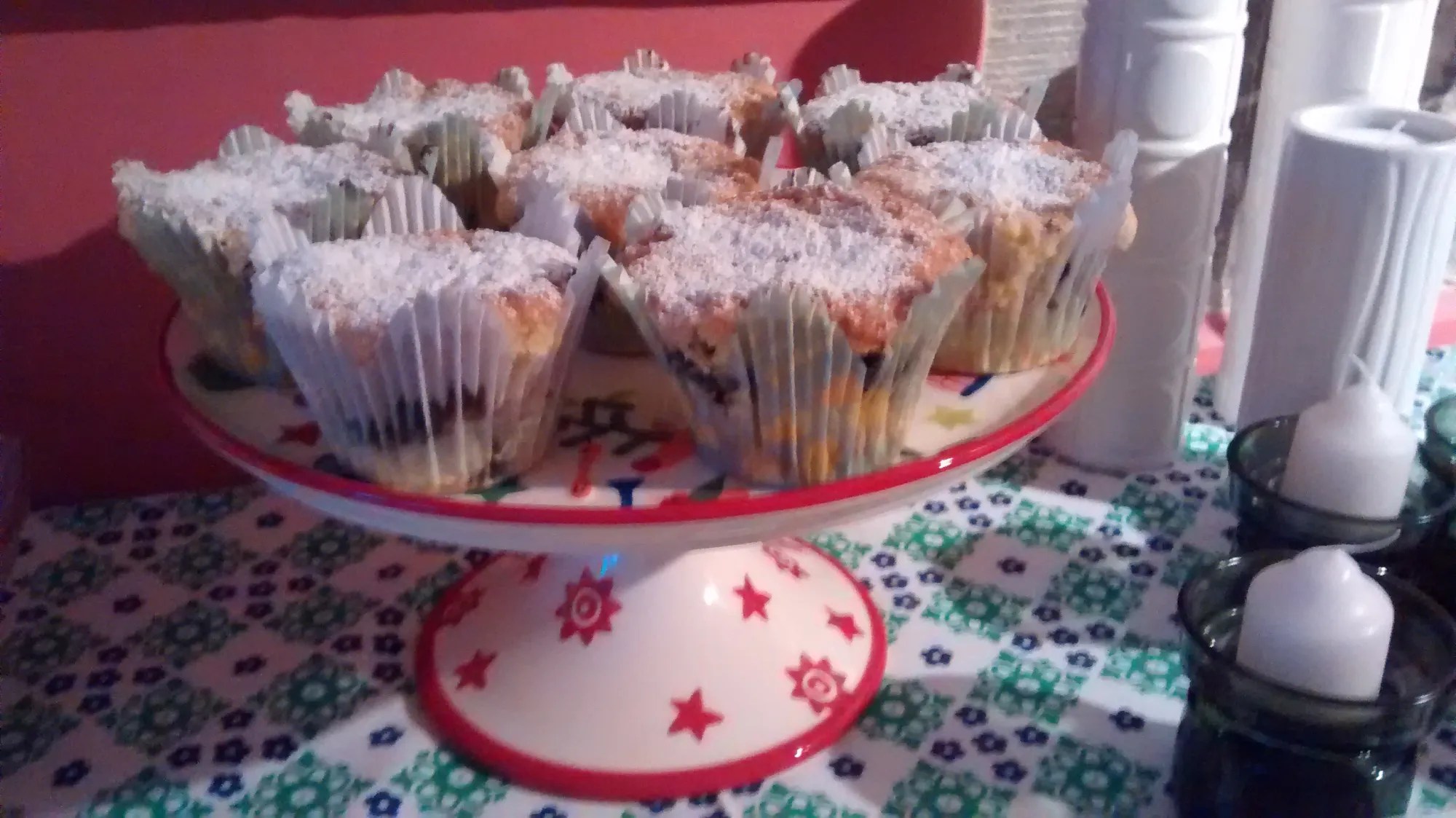
Option – Lemon icing on the top.

Babka and Babeczki

A babka is a large cake and babeczki are small cakes.

For a general description on what a babka is  –  read my post – Babka.

The following cakes have been made using a creamed sponge mixture –using my mother’s friend’s basic recipe for a creamed sponge.

In this recipe you weigh the eggs in their shells and then use the same weights of butter (or block margarine), caster sugar and self raising flour.

IMG_20150709_061756195
Weighing eggs


IMG_20151209_072508772_HDR
Silver Tin at the front was used.

Marbled Babka

Pre-heat the over to GM4 – 180°C

Grease and flour the tin.

For this babka, 4 eggs were used.

After making the cake mixture, half the mixture was placed in the tin and to the rest 3 tablespoons of cocoa powder was added and lightly folded in. This cocoa mixture was then placed on top of the plain mixture and with a metal spoon lightly mix the two to give a marbling effect.

Bake the cake for 35 to 40minutes.

When the cake is ready, leave it to cool completely before turning it out of the tin.


The babka can be dusted with icing sugar or  you can use a chocolate glaze and allow this to dribble down the grooves.

Medium babeczki

I bought these tins a few years ago in Lidl.

You might be able to find find smaller babka tins like those in the photograph below. (I bought these many years ago in France – sold there as brioche tins).

IMG_20150824_150418237_HDR

Grease and flour the tins.

I used 3 eggs to make these 6 babeczki with the addition of 75g of currants (25g per egg)

Bake these in a pre-heated oven a GM4 – 180°C for around 25 minutes.

Wait till the cakes are cool before turning them out.

You can dust them with icing sugar or drizzle a thin lemon icing over them.

I think the size of these makes them ideal for sharing!

Small babeczki

I bought these small mini bundt tins from Marks & Spencer in January 2016.

They are a good size for an individual small cake (of course you can always have two!)

Grease and flour the tins.

Bake these in a pre-heated oven at GM4 – 180°C for around 20 minutes.

I used a 2 egg mixture with the addition of one and a half tablespoons of cocoa powder for the marbling.

This mixture made  9 cakes. (If you use a 3 egg mixture and 2 tablespoons of cocoa and fill the moulds a little more you should get 12 cakes – I have yet to try this amount.)

Wait till the cakes are cool before turning them out.

Then dust them with icing sugar before serving.


IMG_20160117_162535255


Babka

Babka is the name of a Polish cake.

Babka means grandmother and refers to the round dumpy shape reminiscent of an older lady wearing a long full skirt as is traditional in many Polish folk costumes.

Wooden Dolls in Polish Costumes

IMG_20160122_115232764

IMG_20160122_115446112 IMG_20160122_115431469 IMG_20160122_115339715 IMG_20160122_115323452 IMG_20160122_115312632


There are references to this cake in Poland in the early 18 century.

The early cakes will have been yeast cakes.

Later cakes were creamed sponge cakes and  then marbled (usually with cocoa powder) cakes  became very popular.

Yeast cakes are glazed with either warmed honey, a sugar and lemon glaze or poncz (derived from the English word – punch) which is a  sweetened syrup made with tea and rum.

At Easter a yeast babka is very traditional and it would also be covered in a thin icing glaze.

A creamed sponge babka  can be  made with wheat flour or a mixture of potato flour and  wheat flour.

Dried fruit such as currants, sultanas, raisins or candied peel can be added – just small amounts – this is not a heavy fruit cake!

Many are also iced or glazed with  a lemon or vanilla icing

The marbled cakes  are often coated with a runny  chocolate icing which is allowed to run down from the top.

Assorted Babka Tins


Yeast Babka with Raisins – Dusted with Icing Sugar


Creamed Sponge Babka


Marbled Babka

In other parts of Europe there are similar cakes such as Gugelhopf or Kugelhopf in southern Germany, Austria and Switzerland  and Bundkuchen in Northern Germany.

In Italy there is the panetonne – the name for this in Polish is włoska babka which means Italian babka.

In the 1950s Nordic Ware in the USA produced a tin which they trademarked as a Bundt  tin.

It is thought the name comes from a  Bundkuchen   – a cake for a large gathering in Northern Germany.

Babecki – small Babka cakes

IMG_20160112_170556139 IMG_20160112_170548279 IMG_20160111_150948880 IMG_20160111_170817391


Babecki – made in a new tin from Marks & Spencer – which they call a 12 cup mini Bundt tray.

IMG_20160117_155144747

IMG_20160117_162535255


The origin of baba au rhum or rum baba 

Legend has it that when Stanisław Leszczyński   (1677-1766) the exiled King of Poland was living in Lorraine in France (He was made Duke of Lorraine and Bar for his lifetime) he had acquired some (yeast) babka which turned out to be very dry. His pastry chef revived it by soaking it in a sugary rum liquid (very like the poncz they use in Poland). This became the start of baba au rhum in France. These  are usually done as small individual cakes nowadays. note

Dry babka will soak up more liquid than a freshly baked one – so if you are making this it is better to use cake at least a day old.

 Savarin

The savarin was invented in Paris in 1844 and was inspired by the baba au rhum but it is large cake made in a circular(ring) tin. In the centre it usually has fruit in syrup and whipped cream (this is not used in Polish cookery).

Recipes to Follow

Future posts are coming up shortly with recipes for the various types of babka – look out for these!


Babeczka – Small Cake – Little Bun

  • Babka is the name of a cake in Polish – or rather it refers to its shape – the name means grandma or little old lady – the shape is round and dumpy.
  • It can be a yeast cake or a sponge type cake. I will go into detail about these later in the year.
  • A small  bun or fairy cake can be called a babeczka (babeczki is the plural).
  • I have also seen the word mufinka now in Poland!
  • Using my various poppy seed recipes I have tried out some variations to make some babeczki.
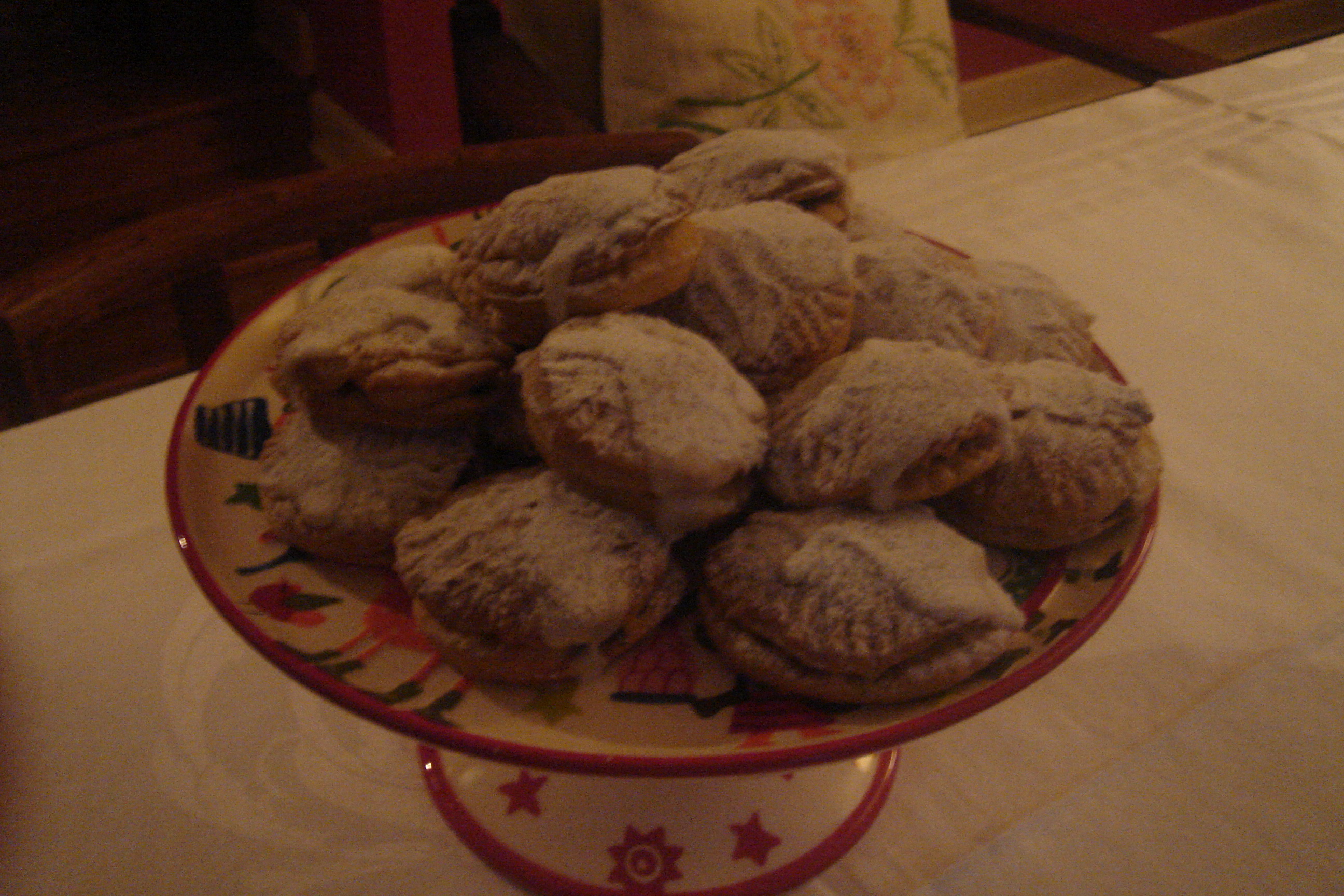
  • These I made with a yeast pastry & poppy seed filling for Wigilia – Christmas Eve – a couple of years ago – using a different yeast pastry to the one in the traditional poppy seed roll.

Babeczki with Poppy Seed filling. The photo is dark as it was taken in the evening whilst getting ready for the special meal.

  • I used a simple sponge mixture to make 2 other types of poppy seed buns.
  • I have used paper cases – I am not sure if these are available or used in Poland but they are so useful and make the buns very portable and easy to eat.
  • You can use a basic Victoria sponge mixture made using 2 eggs, butter or margarine, caster sugar and self-raising – the recipe method and amounts such as in the Be-Ro  recipe book will work well.
  • This mixture should make about 12 buns.
  • I use a method  which I will write about in more detail later in the year, in this  the eggs are weighed in their shells and each of the other ingredients is then that same weight.

Weighing eggs

Buns – 1 – Using dry roasted poppy seeds To the sponge mixture you add dry roasted poppy seeds. The dry roasting  gives them a more nutty flavour. Note – Lemon zest  is not used in this recipe.

Buns made with Dry Roasted Poppy Seeds

  • To dry roast poppy seeds It is best to make this first before mixing up the sponge cake.  Weigh out the required amount of poppy seeds  – in this case 40 – 50g for a 2 egg cake mixture.
  • In a small dry  frying pan (ie without any oil or butter) fry the seeds for 5 minutes – stirring them with a wooden spoon or spatula – being careful not to burn them.
  • Tip the hot seeds into a bowl containing some cold milk. Once cool, pour the mixture into a fine sieve to separate the seeds from the milk.
  • Leave the sieve over an empty bowl, press down on the seed a few times to  remove as much milk as possible.

Buns -2  – Using the traditional poppy seed filling

Making the filling  is time consuming but only a small amount is needed to make 12 buns. So what I do is to make in the full amount with 200g of poppy seeds as in an earlier post Poppy Seed Cakes and Yeast Cakes  in advance and then portion this up into 2 or 3 portions and freeze them.

IMG_20150709_070455176
Poppy Seed Mixture


Put the bun cases into the bun tray.

Now the next it is a bit fiddly and you have to judge the quantities by eye.

The idea is to:

  • put a spoonful of cake mixture into each bun case
  • followed by a spoonful of poppy seed mixture
  • followed by a covering amount of cake mixture.

I have found it easier to do each step for all 12 buns at a time – that is :

  • cake mixture into all the cases
  • then the poppy seed filling
  • then final cake mixture.

Bake the buns in the usual way  – GM5 – 190°C  – for around 15 to 20 minutes.

IMG_20150709_073837421
Dust with Icing Sugar once they have cooled and before serving

IMG_20150709_073855224 IMG_20150709_075018278 IMG_20150709_082101258 IMG_20150709_082114326

These have proved very popular!