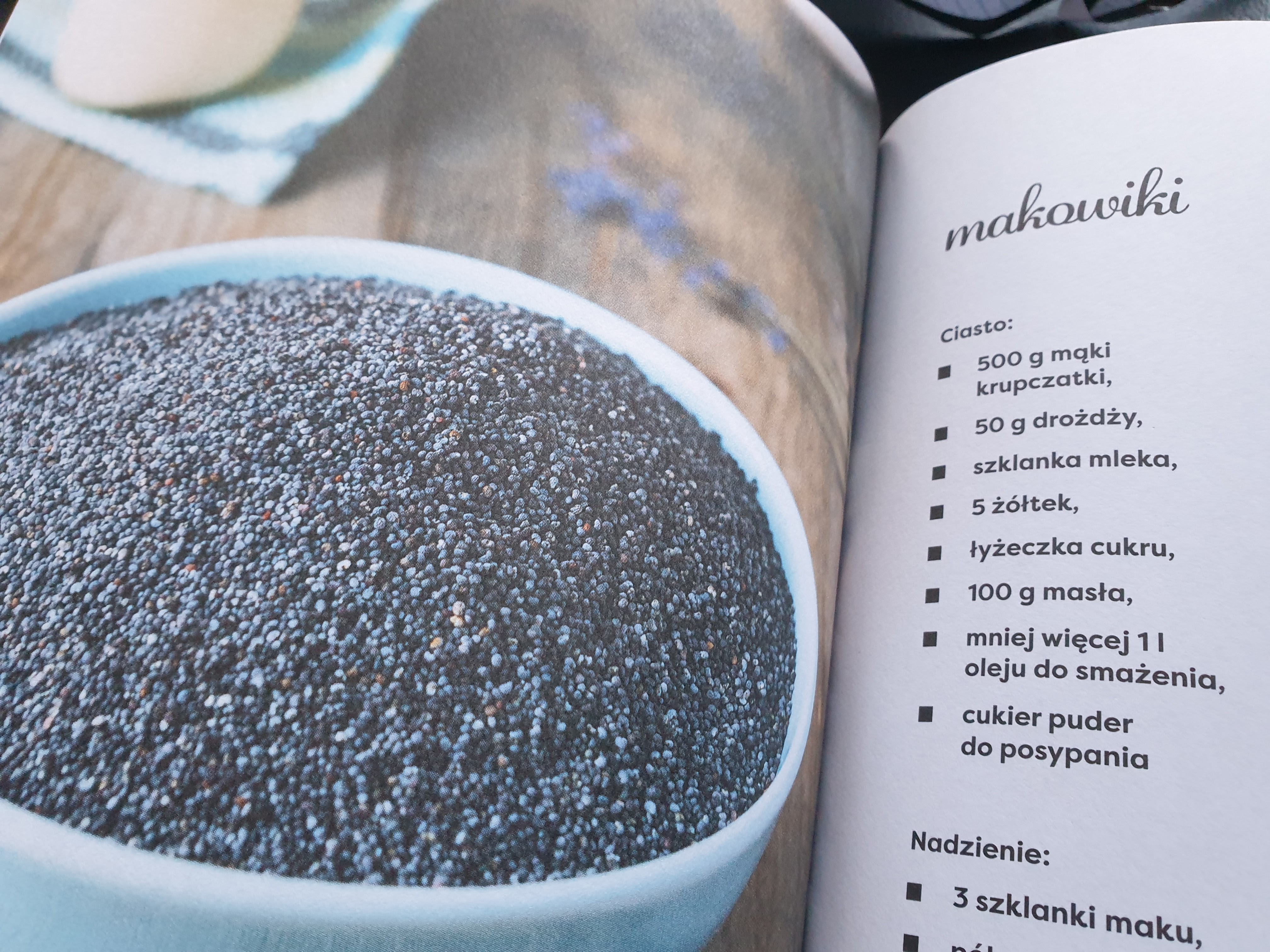
Recipes from Wilno

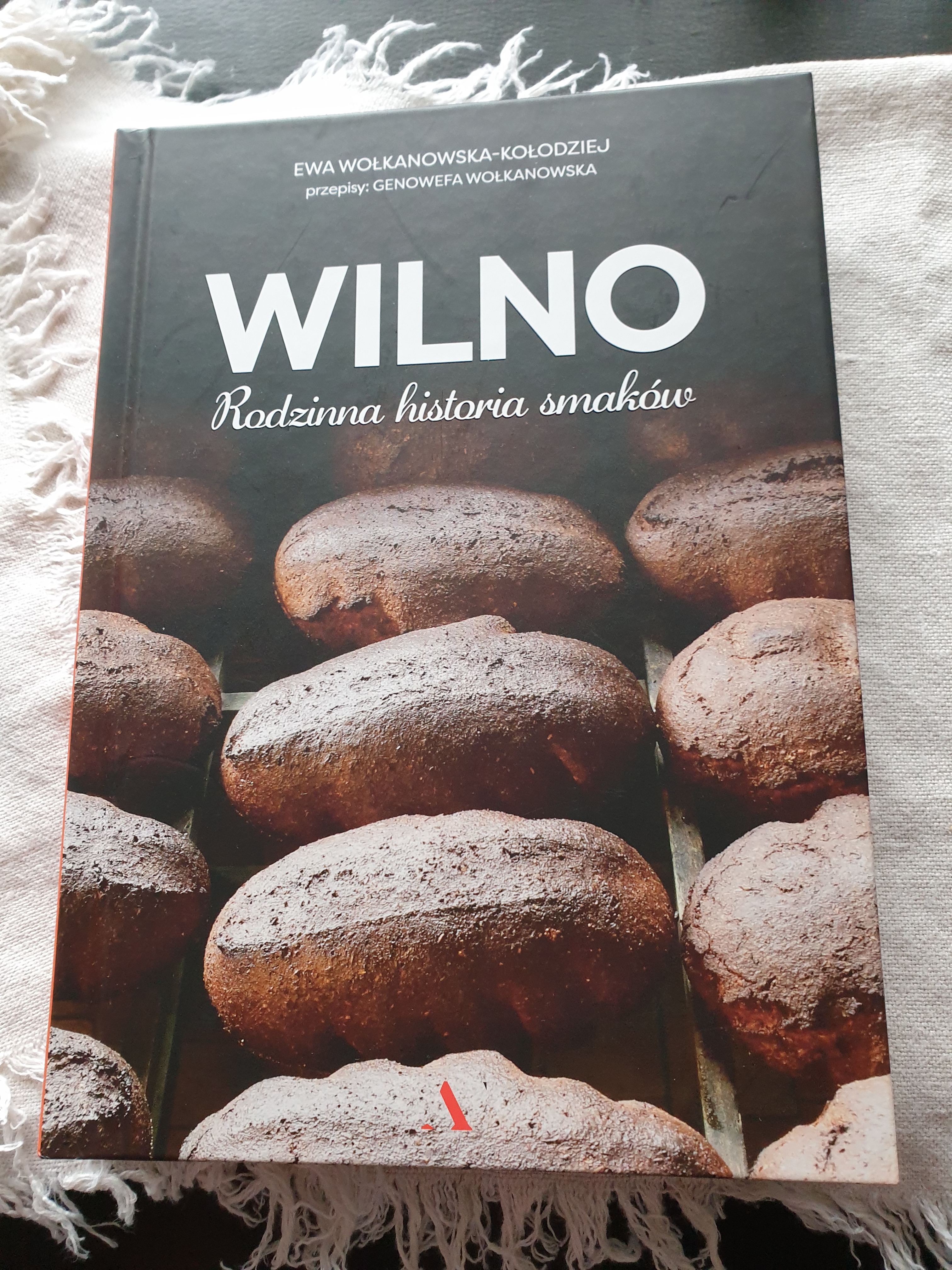
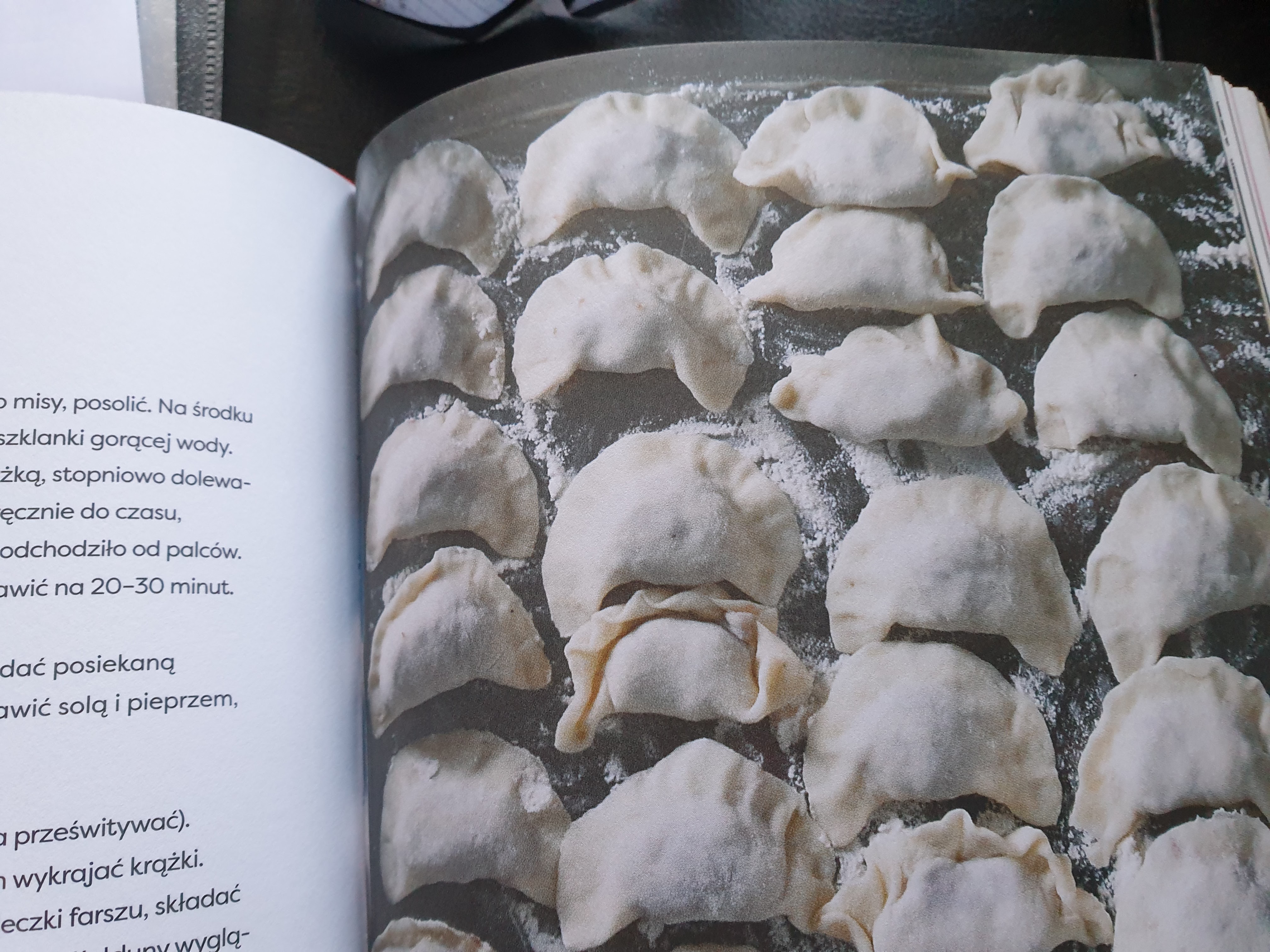
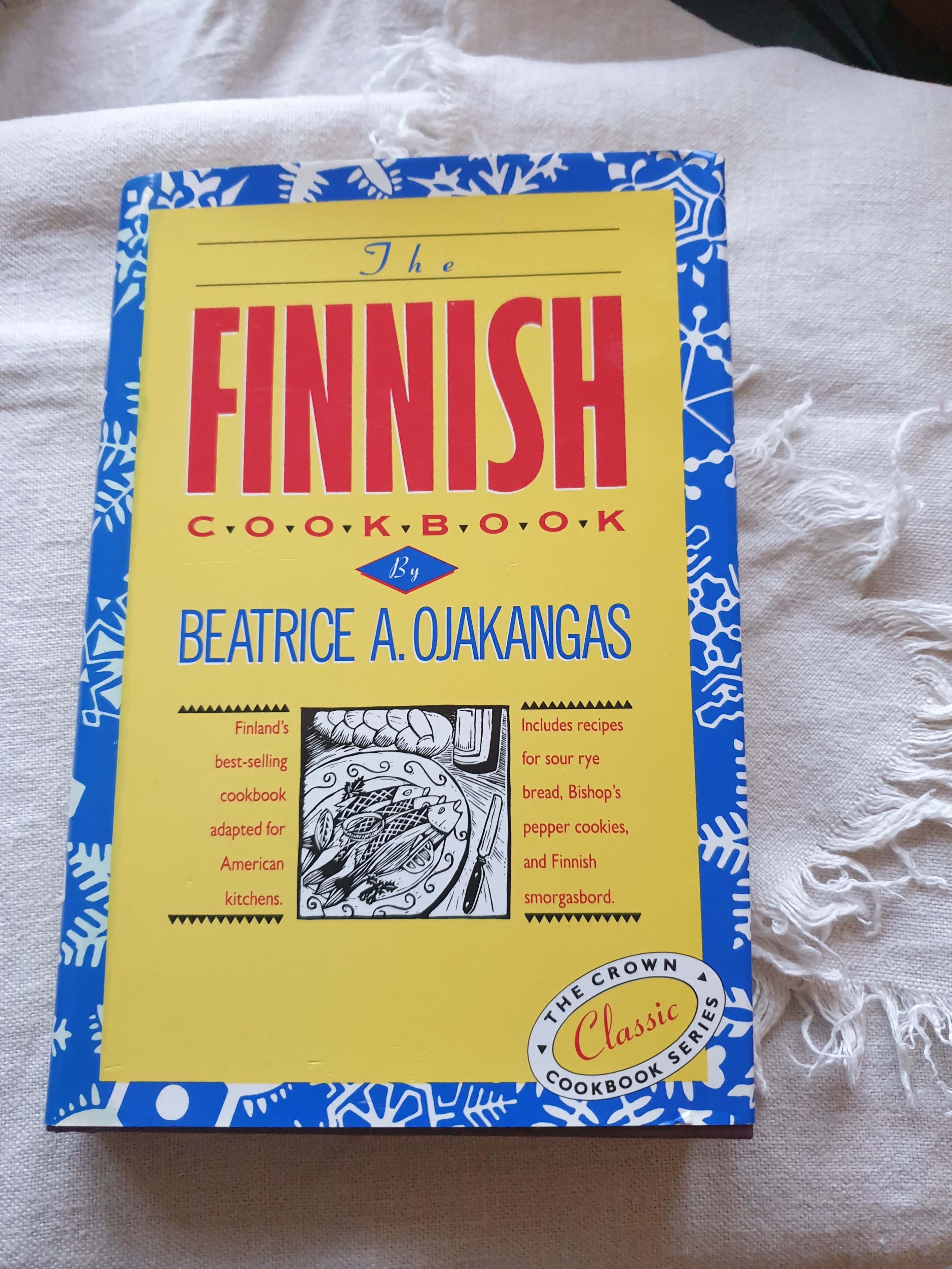
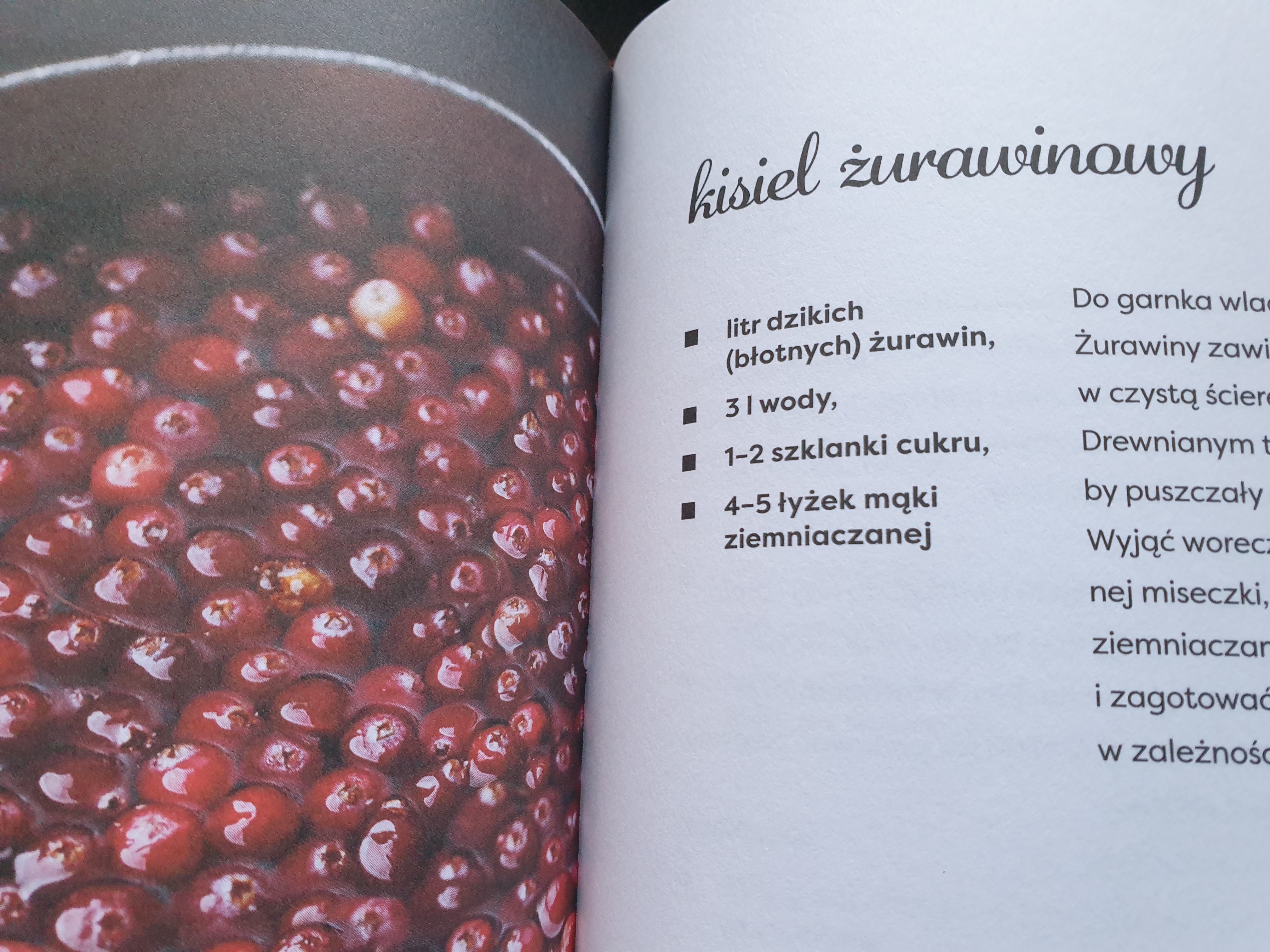
  • I was so thrilled to find this new book in the Empik bookstore in Gdańsk.
  • My father always thought of Wilno (Vilnius in English) as his nearest city.
  • He was born not that far away and where he was born and Wilno were part of Poland then.
  • Wilno was always thought of as a very Polish city.
  • *
  • I am planning to sit down and read this book very thoroughly.
  •  Although my father did not cook, I am sure some of these recipes will be similar to those ones I have tasted, used by his sisters here in England and his cousins in Poland.

Poppy Seed – Tort

  • Today is 31 December 2023 and this will be my 590th post.
  • Thank you to everyone who reads any of them.
  • *
  • Poppy seed cakes are a very Christmas time thing in Polish cookery.
  • But of course can be found all through out the year as well.
  • This could be called a makowiec but it is light and more a tort (sponge layer cake).
  • I got a packet of ground poppy seeds (for the first time) and this recipe was on the back.
  • I tried it out and it is light, fluffy and delicious.
  • It is good just on its own but the suggestion is to add butter cream.
  • I used a rum flavoured butter cream but think, vanilla, rum or lemon rind would also work well.
  • You can cut the cake in half and sandwich it together or put the butter cream on the top.
  • The cake takes 6 eggs and was baked in a 24cm diameter round tin.
  • It is left to cool in the tin and does sink slightly in the middle.
  • I think next time using 2 sandwich type tins would be better or
  • Make ½ the quantity.

INGREDIENTS

  • 6 eggs separated.
  • 200g granulated sugar
  • 200g ground poppy seeds (a whole packet)
  • 3 tablespoons of semolina 
  • 1 teaspoon of baking powder
  • pinch of salt

Method

  • Grease and line the base of a 24 cm round tin.
  • Pre-heat the oven to GM4 – 180°C.
  • Mix together the poppy seeds, semolina and baking powder.
  • Whisk together the egg yolks and sugar till thick and creamy.
  • Fold in the poppy seed mixture.
  • Add a pinch of salt to the egg whites and whisk till stiff.
  • Fold the whites into the rest of the cake mixture.
  • Put into the cake tin and smooth over the top.
  • Bake for 40 – 45 minutes.
  • Leave to cool in the tin.
  • The cake may drop slightly in the middle.
  • *
  • Serve dusted with icing sugar or
  • Cut in half and sandwich with a butter cream of your choice – vanilla, rum or brandy or lemon rind.

Duchess & Meakin poppy tea plates.

Pleśniak

  • I first tasted pleśniak on my recent trip to Gdańsk.
  • I had never heard of it before although some of my cakes are similar.
  • It does not appear in any of my older Polish cookery books.
  • Having done a little more research I found it was in some people’s list of their top 10 favourite Polish cakes.
  • *
  • The name is intriguing in that the word means  – mildew or mouldy!
  • It consists of 3 or 4 layers, usually baked in a square or rectangle:
  • Shortcrust/chocolate shortcrust 
  • Sour fruits
  • Meringue
  • *
  • Maybe the mildew reference is to the look of the meringue layer?
  • *
  • The sour fruits are usually sour cherries, blackcurrants or gooseberries.
  • Jam or a mixture of jam and fresh or frozen fruits can be used.
  • The fruit layer should be on the sour side – so if you jam is sweet – heat it up with the addition of the juice of a lemon or two.
  • Sometimes rhubarb, cooked first, is used.
  • My placek with rhubarb & meringue could be adapted with the addition of cocoa to the pastry or the fruit.
  • *
  • I tried this out in a 26 x 21 rectangular tin.
  • I have seen several versions – sometimes with the egg whites/meringue under a layer of pastry – I think the meringue on top is easier.

Shortcrust layers

  • Start to make a rich buttery shortcrust using 250g of plain flour.
  • Do not add any sugar to the pastry.
  • Divide the crumbs part into two.
  • Use the first half to make pastry with 2 egg yolks.
  • To the second half add 3 tablespoons of cocoa powder and continue with 2 egg yolks as normal.
  • Wrap each dough separately. 
  • Leave to chill for around 30 minutes.
  • Egg whites will be used in the meringue.
  • Pre-heat the oven to GM6 – 200°C.
  • Grease and line the baking tin with one long piece of baking paper.
  • Roll out the plain shortcrust to fit into the tin.
  • Roll out the chocolate shortcrust and place this on top.
  • Prick with a fork all over.
  • Bake for around 20 – 25 minutes.
  • Leave to cool completely.

Sour Fruit Layer

  • Spread jam (sour cherry, blackcurrant or gooseberry) over the pastry.
  • If you jam is sweet – heat it up with the addition of the juice of a lemon or two first.
  • Leave to cool.
  • Add some fresh or frozen fruits if you have them.

Meringue Layer

  • Pre-heat oven to GM3 – 160°C.
  • Use 3-4 egg whites & 50g icing sugar per white.
  • Place the whites into a grease free bowl.
  • Whisk till stiff.
  • Add icing sugar and whisk again till stiff.
  • *
  • Spread meringue over the top of the fruits.
  • Bake for 30 – 35  minutes.
  • Can be longer or shorter depending on if you want the meringue crisp or soft.
  • *
  • Leave to cool.
  • Cut into squares when serving.

Royal Standard – Lyndale tea plate.

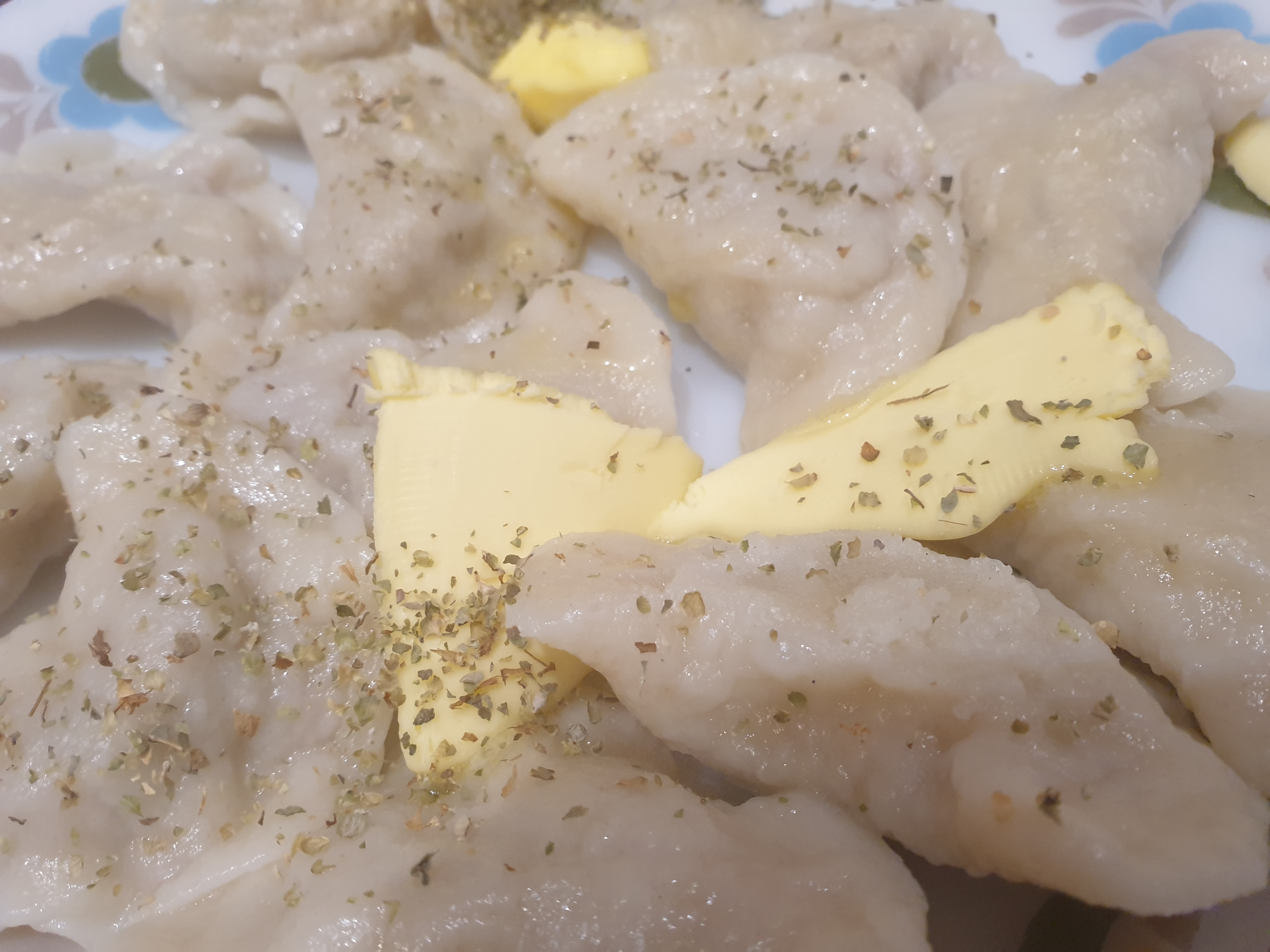
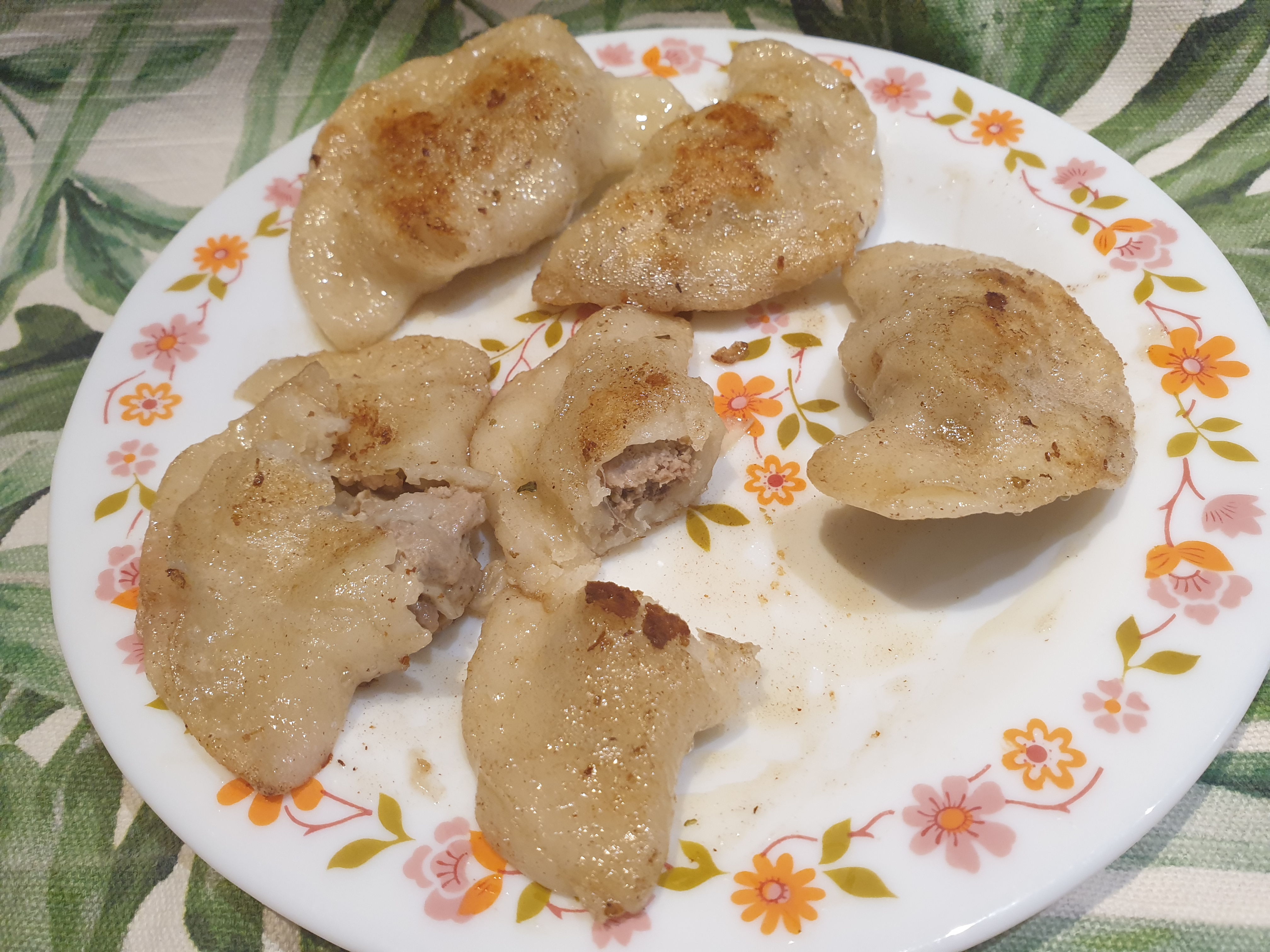
Duck Pierogi with Sour Cherry Sauce

  • Updated November 2024
  • This dish was served in Lookier, a Restaurant in Gdańsk.
  • It was delicious and we went back the following day to have this dish again!
  • I thought I would try and recreate this back home in England.
  • The sour cherry sauce could be made from jam or some bottled cherries.
  • They were served with “sweet” cream – I  would use soured cream for a more authentic Polish dish.
  • The duck filling was very meaty – I looked at my recipes for duck pierogi and other meat pierogi .
  • I decided to try – a “meaty” version with a duck with onion filling.
  • Next time I will try duck with apple filling which should give a contrasting sweetness to the dish – See pierogi with duck.
  • However this year (2024) we were served – in a different restaurant – duck pierogi with apple sauce – I will try this out and write about it later. 

Fillings for the pierogi

Ingredients 1

  • 150g of cooked duck meat
  • 1 onion
  • 1 egg yolk
  • 2 tablespoon of dried breadcrumbs
  • 4-5 tablespoons of chicken stock –  can be stock from poaching the duck.
  • *
  • salt & ground black pepper to taste
  • *
  • butter & sunflower oil to fry the onion

Method

  • Chop the onion and fry in the butter/oil till golden.
  • Finely chop or mince the duck meat or user a stick blender.
  • Mix together the chicken, onion, egg yolk and bread crumbs to get a uniform mixture.
  • Add some of the chicken stock to get a mixture which is not to dry.

I have written much previously about pierogi  – but have included the instructions for the dough again below.

Ingredients – Dough

  • 250g pasta flour or strong flour or plain flour & 2 tablespoons of fine semolina
  • 150ml water
  • 1 tablespoon oil – sunflower or light olive
  • ½ teaspoon salt
  • 1 egg yolk

Method

  • In a jug or bowl mix together the water, oil and the yolk.
  • Put the flour and salt into a large bowl and make a well in the centre.
  • Pour in the liquid from the jug and initially use a knife to mix this into the flour and then use your hands to mix the liquid and flour to get a ball of dough.
  • Turn this out onto a floured board and knead the dough for a few minutes until you have a smooth ball.
  • Cut the dough into quarters.
  • On a floured board roll out a quarter at a time until you have a sheet of thinly rolled dough.
  • Now prepare a large tray and cover it with a clean tea towel and sprinkle this with flour.
  • Have a large surface such as a tray covered with a cotton or linen cloth which has been lightly floured ready  and place the sealed pierogi on this until they are all made, do not let then touch each other.
  • I cut them out using a 7 cm diameter cutter.
  • The excess dough can be re-mixed and rolled out again.
  • Around a half tablespoon of filling is put on  each circle and then they are folded over and the edges pinched together to make a good seal.
  • You learn from experience how much filling to put in as too much will make it hard to seal them and if not properly sealed they will burst on boiling.  Do not worry if you have a few mishaps – it still happens to me even with experience – it is hard to salvage one that has gone wrong – just accept that there will be a few that you do not cook.
  • *
  • To cook the pierogi, use a large pan of boiling water to which you have added some salt and a drizzle of oil.
  • Drop the pierogi in one by one and allow them to boil.  I usually do about 6 to 8 at a time (I only do 6 at a time if using frozen ones).
  • As they cook they will float to the surface, let them boil for 2 to 3 minutes, (a bit more if they were frozen*), and then remove them with a slotted or perforated spoon and put into a colander above a pan for a few seconds to drain and serve.
  • Continue boiling batches in the same water.
  • If you want to make all the pierogi to serve together then you need to get a large shallow dish.
  • Put in the pierogi and keep then separated and keep the dish warm in a low oven.
  • Notes
    • Do not let them stick together.
    • Easier to serve separate servings.
    • *I often open freeze them for later.

Sour Cherry Sauce

  • Make this with around 5 tablespoons of sour cherry jam heated up with the juice of one some lemon and left to cool.
  • Or make  a sauce with bottled cherries mixed with potato flour (or cornflour) heated till thickened and left to cool. (Adjust with lemon juice if necessary). NOT TESTED.
  • Serve in a separate small dish.
  • *
  • Serve with soured cream.
  •  
  •  
  • Option 
  • Cook the pierogi as normal.
  • Add melted butter.
  • Fry the pierogi
  • Serve just with the sour cherry sauce.
  • Not tested as I did not have any left!

Iced Orange Yoghurt Cake 2 – variation

  • This cake is made with yoghurt and sunflower oil and is very easy to make.
  • I have made this cake before in a loaf tin but decided to try it out in a rectangular in.
  • It worked well.

Ingredients

  • 200g plain flour
  • 2 teaspoons of baking powder
  • 200g granulated sugar
  • Zest of 1 large orange
  • 185ml of Greek style yoghurt
  • 3 eggs
  • 120ml sunflower oil
  • Large pinch of salt

Method

  • Add the zest to the sugar and leave for about 30 minutes.
  • Pre-heat the oven to GM4 – 180ºC.
  • Line a 26 x 21cm line on 3 sides with 1 sheet of greaseproof paper.
  • Mix the flour, baking powder and salt together.
  • Add the yoghurt and eggs to the sugar mixture.
  • Gradually add the flour mixture and mix well.
  • Add the oil and mix well again.
  • Pour the batter into the loaf tin and smooth the top.
  • Bake for around 30 to 35 minutes.
  • Check a little earlier and cover with greaseproof  paper if it is starting to burn.
  • Leave to cool in the tin.
  • *
  • Remove from the tin and greaseproof paper before icing.

Orange Icing – Ingredients

  • 100g icing sugar – approx
  • 1½ tablespoon of  orange juice
  • Zest of half a large orange (optional)

Orange Icing – Method

  • Mix the icing sugar with the orange juice and zest.
  • Adjust sugar or juice to make a thin pouring icing.
  • Once the cake is cold, pour this over the cake.
  • Smooth down with a warm spatula.
  • Colclough – Stardust  tea plate

Szare Kluski

  • I only came across this recipe a few weeks ago.
  • Szare kluski means grey noodles or dumplings.
  • They get this name from the black colour you often get with grated raw potatoes.
  • They are in many ways similar to pyzy – but pyzy are often filled.
  • Szare kluski are made with just raw potatoes whilst pyzy are often made with half raw and half boiled potatoes.
  • The ingredients are similar to my recipe for Polish potato pancakeskartoflane placki – but without onions.
  • Szare kluski are boiled.
  • They are usually served with fried bacon or Polish sausage and / or fried onions.
  • They can also be served with a sauce (not yet tested).

INGREDIENTS

  • 1 kg starchy potatoes – before they are peeled
  • 160g plain wheat flour or 140g rye flour
  • 1-2 tablespoons of potato flour – you may not need all of this.
  • 1 egg – beaten
  • ½ teaspoon of salt.

METHOD

  • Peel the potatoes.
  • Grate them on a fine grated.
  • Put them into a large sieve with a bowl underneath.
  • Leave to stand for around 15 minutes to remove the water.
  • You will find potato starch  at the bottom of the bowl – you need to save this.
  • Mix the grated potatoes, salt, wheat (or rye) flour, egg, salt and the starch from the bottom of bowl.
  • Add enough potato flour to make a thick mixture.
  • *
  • Have ready a pan of salted boiling water.
  • Drop in tablespoonfuls of the mixture. (Use a spoon and a small spatula).
  • These will sink and then rise.
  • Once risen cook for around 1-2 more minutes.
  • *
  • Serve with fried bacon or Polish sausage and/ or fried onions.

Vintage Pyrex plate

Cakes from Poland

  • I am back from a short trip to Gdańsk on which I bought a couple of Recipe books.
  • One of these was was a book about cakes – ciasta – and small cakes – ciasteczka -(or buns or biscuits).
  • I got a book by the same author on my last trip, which was to Wrocław in February, – Wioleta Wójcik.
  • I am really looking forward to trying some of these out.
  • Whilst in Gdańsk I had a piece of cake called pleśniak – which was super – the name means mildew or mouldy! – there is a recipe for this and I will be trying it out soon.

Pamphlets from Gdańsk

  • I am just back from a short trip to Gdańsk.
  • Although it rained most of the time I had a good and interesting time.
  • I found a few ideas for recipes and bought a couple of Polish cookery books.
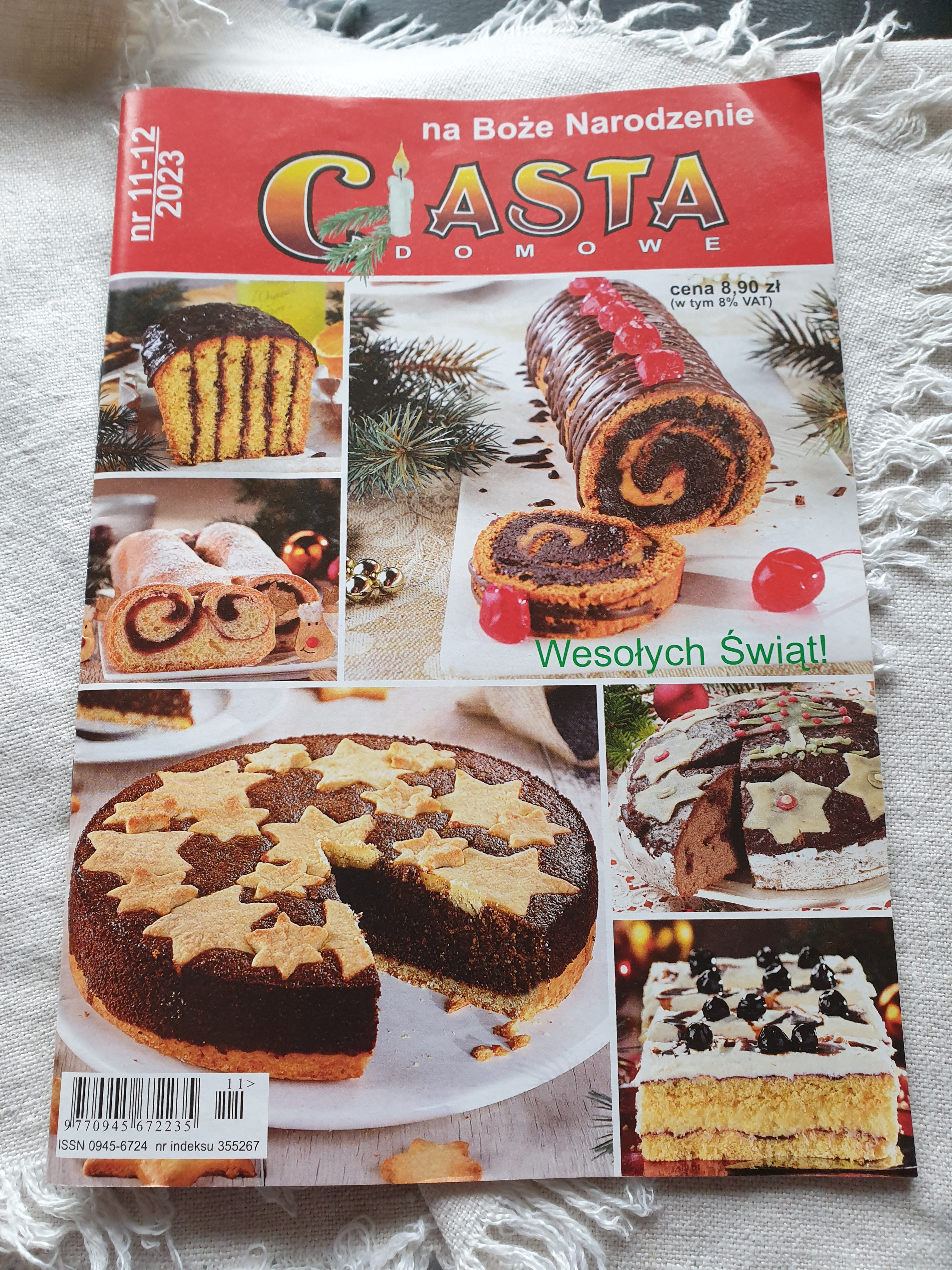
  • I also got 3 magazines/pamphlets – which I have looked at and know I will be using several recipes in the near future.
  • The first is one has delicious recipes (without meat – but that is what was in the shops).
  • The second is for cakes and says they have all been tested.
  • The third is for cakes and baking for Christmas – which is good for the coming season.
  • So look out for posts from these soon.


Gdańskie brukowce

  • Gdańskie brukowce – means cobblestones from Gdańsk.
  • These are a form or pierniki  – honey spice cakes – that I have not come across before.
  • There are soft bits and crunchy bits.
  • They have been baked by the Pellowski bakery, established in 1922, to a secret recipe but the ingredients are stated on the packaging – including:
  • rye flour
  • sugar
  • golden syrup
  • vegetable fats
  • Polish plum jam
  • cocoa
  • spices – (inc – cinnamon and cloves) 
  • lemon juice.

They are rather like piernik – chopped up, mixed with cocoa or chocolate and Polish plum jam – powidło – and coated with a sugar glaze.

If you get the chance to try them do so – they are delicious.

I do not think I can recreate this recipe but  here below are links to my previous piernik recipes.

They were originally baked for the St Dominic’s fair – Jarmark Dominika – which takes place at the end of July and the beginning of August.

Boeuf à la mode

  • Boeuf à la mode or Beef à la mode is a French dish made using tough cuts of beef braised in stock and wine, which was very popular especially in Victorian times in England.

  • It would go down well in Poland as this slow cooking of tougher beef is very popular.

  • This recipe is based on one found in:

    All About Cookery New Edition by Mrs Beeton, published by Ward Lock Ltd in 1911

  • Originally the brisket was larded – fat introduced inside – here fatty bacon is placed on top whilst it is cooking.

  • A large dish with a lid such as a Dutch Oven would have been used.

  • Here the dish was cooked in a Slow cooker.

  • Everyone thought this beef was wonderful.

Ingredients

Piece of brisket – around 1.4 kilo

4 slices of fatty streaky bacon

2-3 large tablespoons of butter

2 tablespoons of plain flour

2 onions – 1 diced – 1 sliced

3 large carrots

6 – 8 celery celery stalks

250ml of red wine

500ml of chicken stock

2 cloves

4 allspice grains

6 peppercorns

1 bouquet garni

Juice of ½ a lemon

Salt

*

Cornflour to thicken the gravy – optional

Method

Place the meat in a basin with the wine, the diced onion, lemon juice, cloves, allspice, the bouquet garni, peppercorn and salt.

Leave in the marinade for at least 2 hours, basting occasionally.

*

Have ready a slow cooker large enough for the meat.

Peel and chop the carrots into thick chunks.

Cut the celery stalks into thirds or quarters.

Put the carrots and celery into the slow cooker.

*

Melt the butter in a large frying pan.

Drain the meat from the marinade.

Brown the meat on all sides.

Place the meat into the slow cooker.

Add strips of bacon to the top.

Fix them with cocktail sticks.

*

Lightly fry the sliced onion in the same pan used for the meat.

Add the flour to the fried onions and heat till brown.

*

Strain the marinade liquid from the onions and spices.

Add the onions and spices to the slow cooker.

*

Add the marinade liquid to the flour and onions.

Heat gently and stir till boiling.

Add the stock and heat till boiling again.

Pour the mixture over the meat.

*

Cover the pot and cook for around 6 hours.

Lower the heat and cook for another 2 hours.

Depending on the slow cooker timings might need to be adjusted.

*

(Original was cooked in an oven for 3 hours).

*

Take the meat and carrots out and put on a warmed platter to serve.

Cut the meat into thick slices when serving.

Strain the rest of the cooking liquid to serve as a gravy.

This can be thickened with cornflour if necessary.

*

Mashed potatoes go well with this – to mop up all the gravy!