Pamphlets from Gdańsk

  • I am just back from a short trip to Gdańsk.
  • Although it rained most of the time I had a good and interesting time.
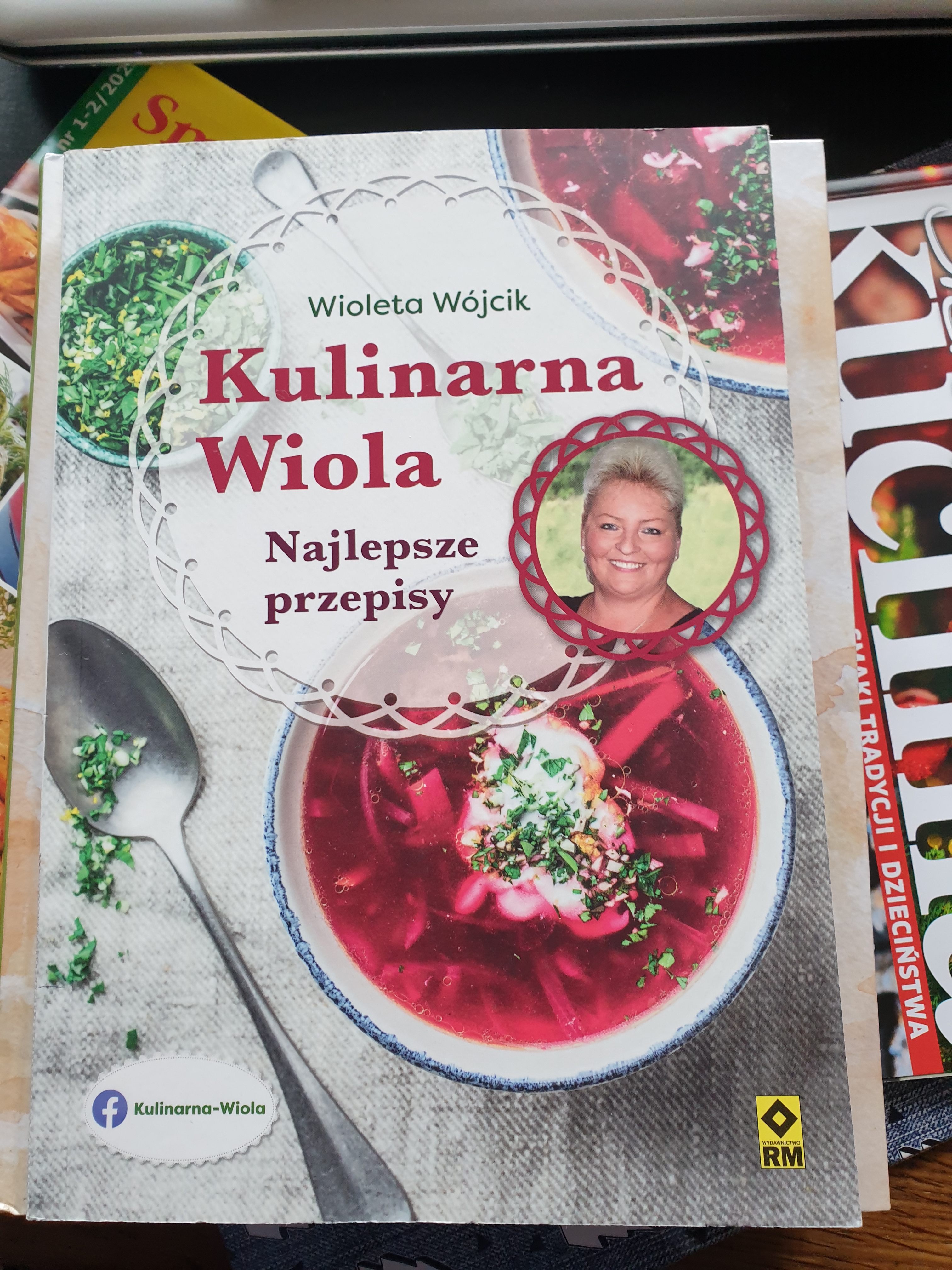
  • I found a few ideas for recipes and bought a couple of Polish cookery books.
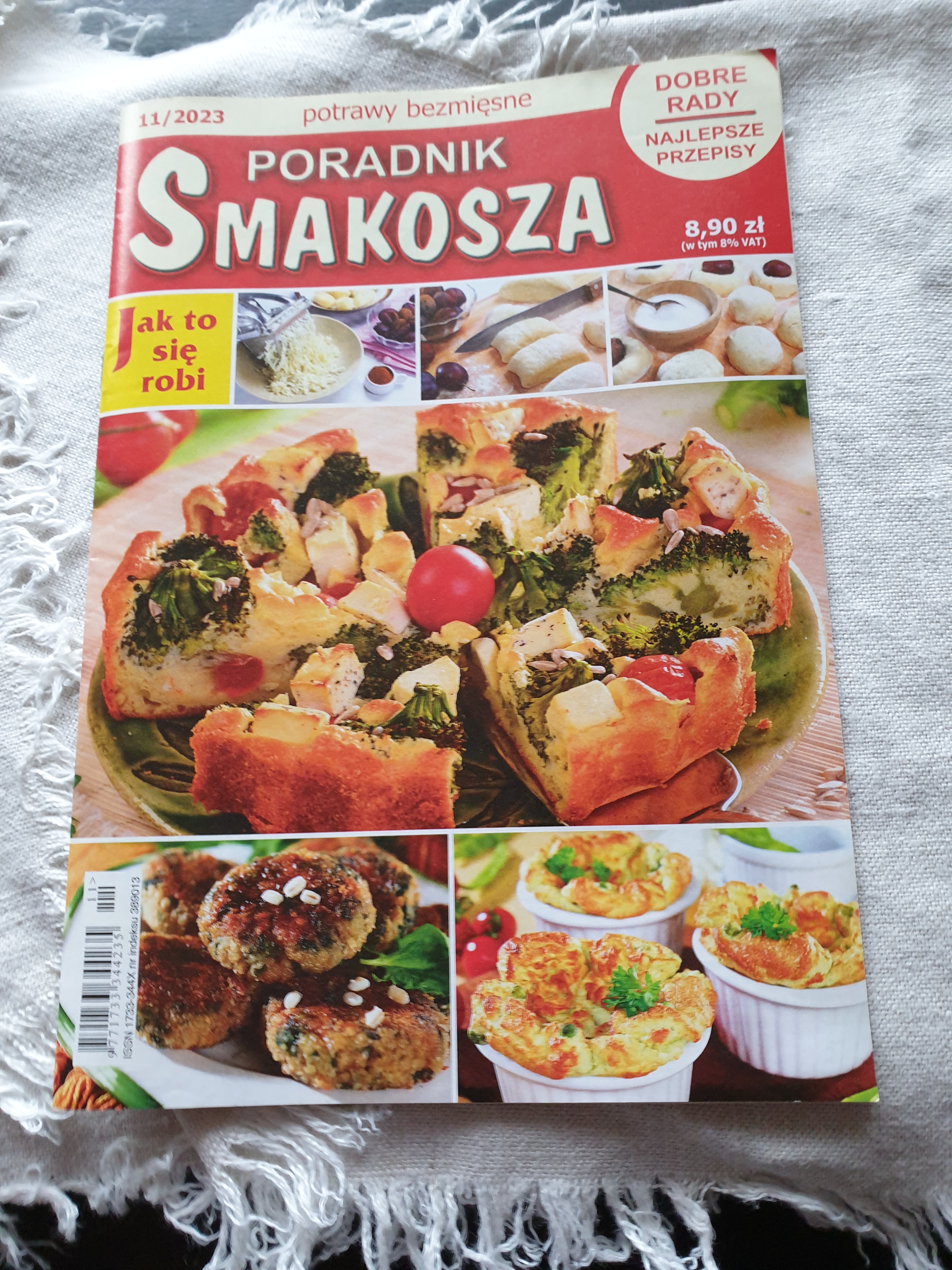
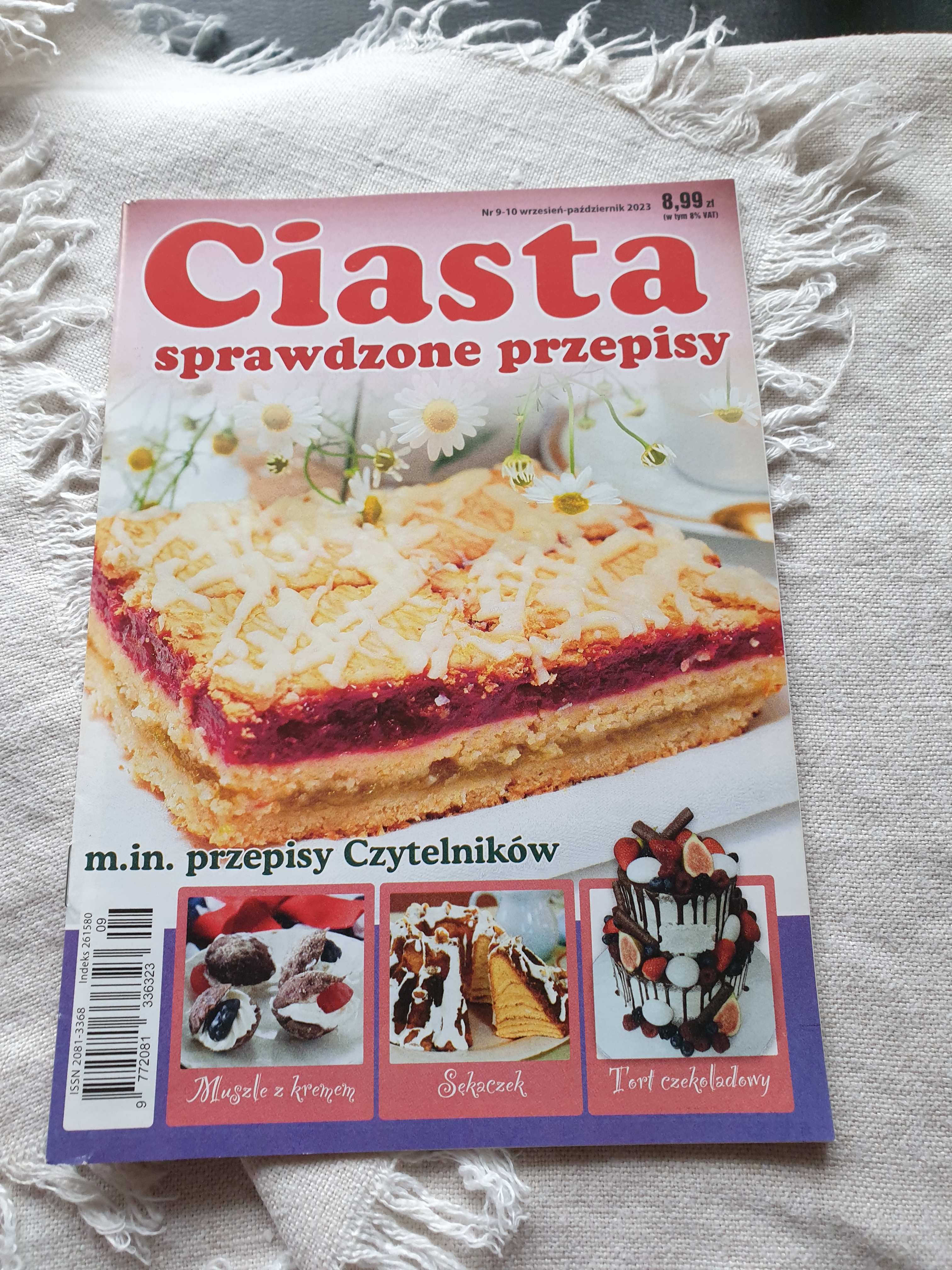
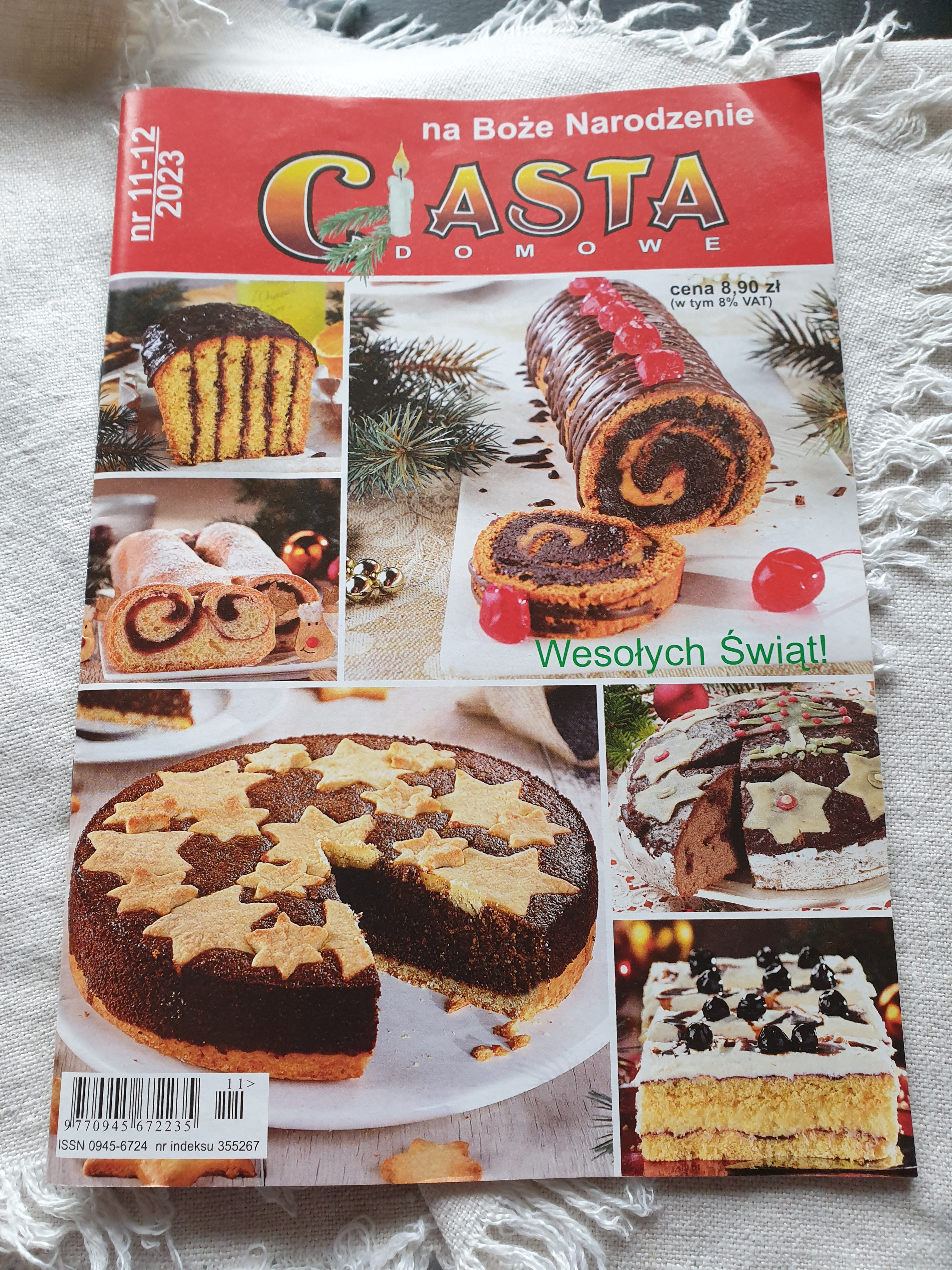
  • I also got 3 magazines/pamphlets – which I have looked at and know I will be using several recipes in the near future.
  • The first is one has delicious recipes (without meat – but that is what was in the shops).
  • The second is for cakes and says they have all been tested.
  • The third is for cakes and baking for Christmas – which is good for the coming season.
  • So look out for posts from these soon.


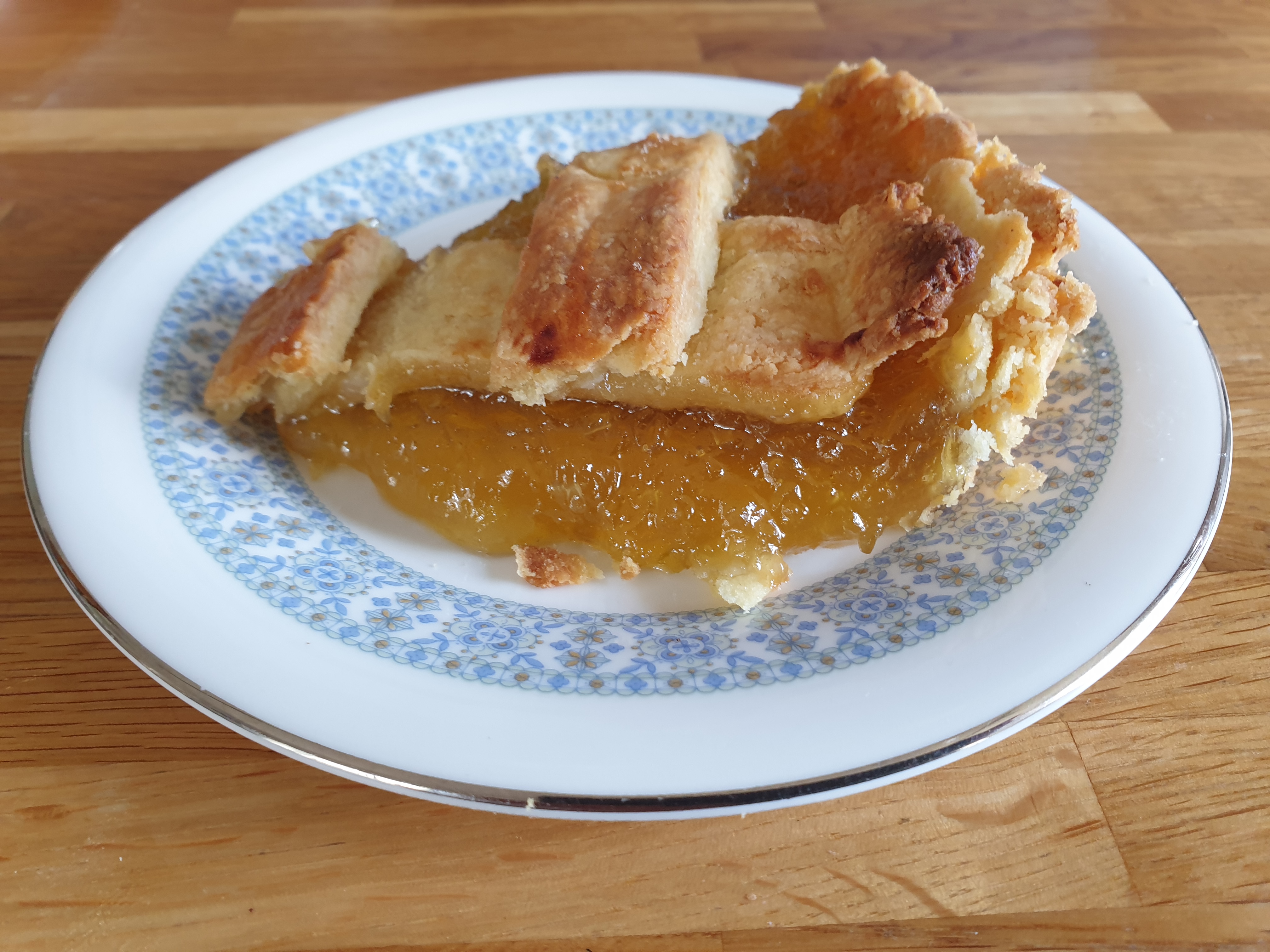
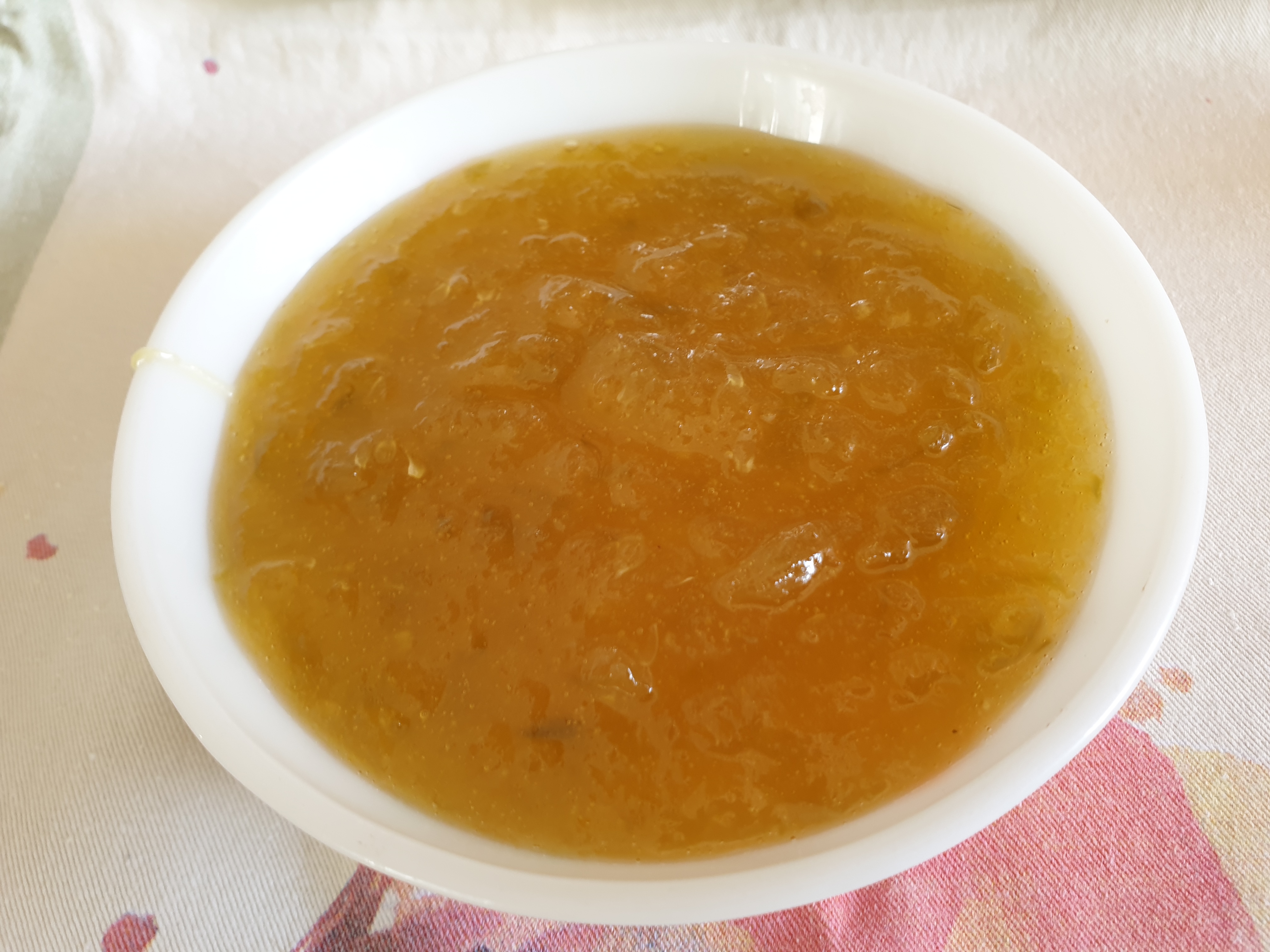
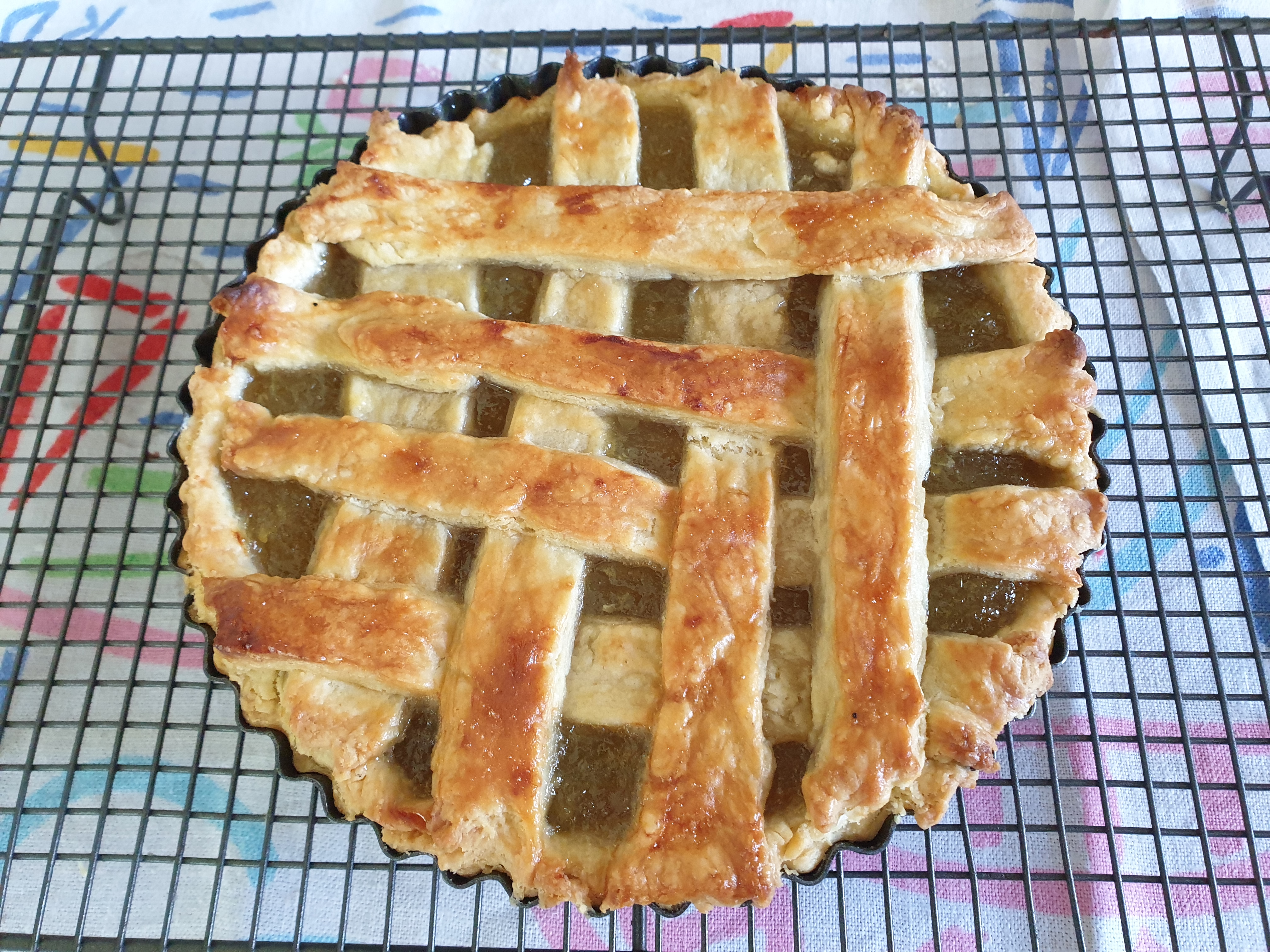
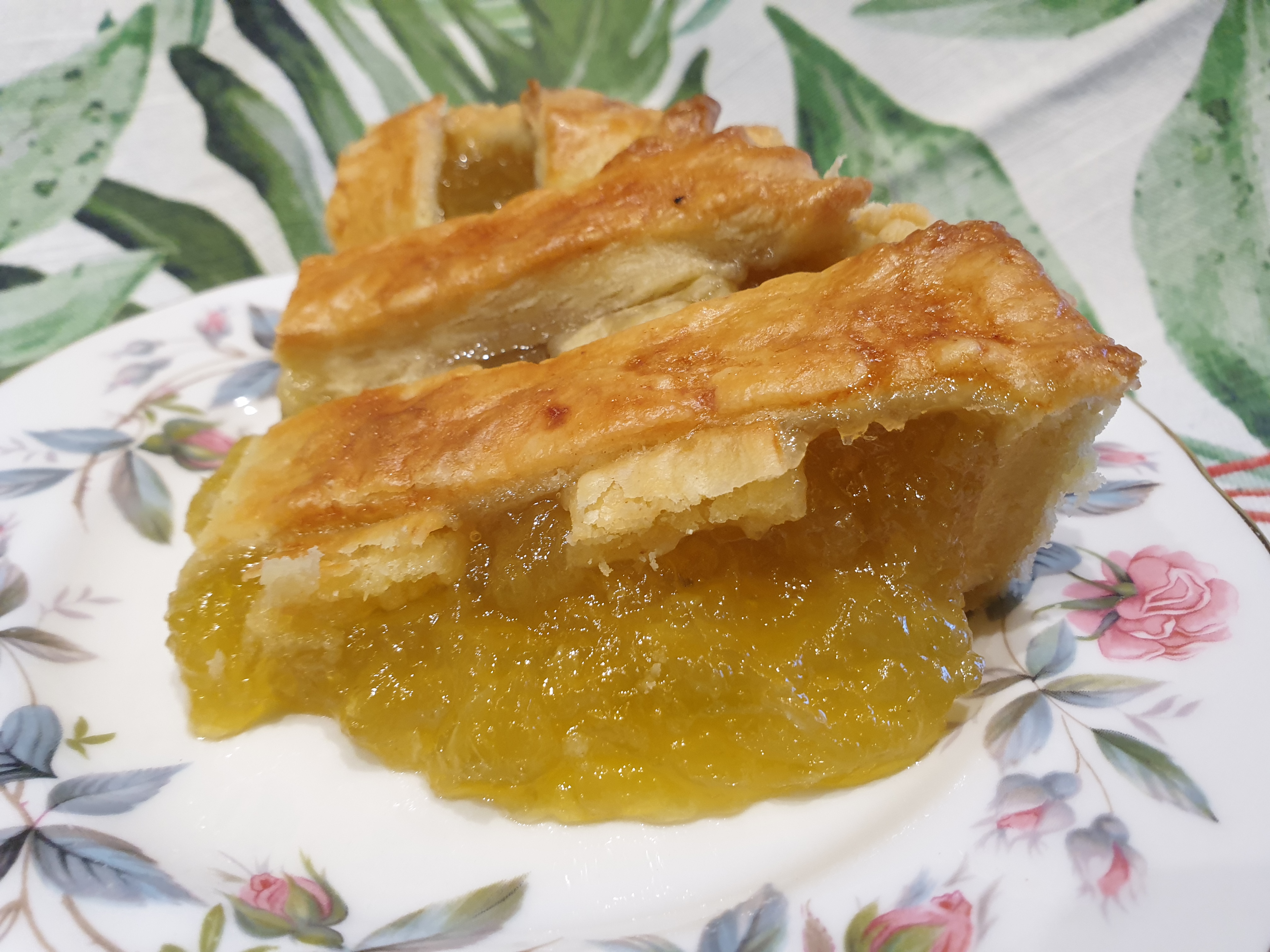
Courgette Tart

  • This delicious recipe originated from an old Yorkshire recipe for marrow  tart.
  • Did you know that marrow and courgettes are varieties of the same species – Cucurbita pepo
  • As courgettes are more abundant in shops now I decided to use these in the tart.
  • The amount of sugar in the original recipe was too much – everyone thought it was too sweet.
  • The ratio of courgettes to sugar has been adjusted and now very well liked.

INGREDIENTS

  • Shortcrust pastry – kruche ciasto
  • *
  • 500g courgettes
  • 2 large lemons
  • 350g sugar
  • 85g butter
  • *
  • Beaten egg white to brush

METHOD

  • First make the filling.
  • Peel the courgettes and cut them into chunks.
  • Steam the courgettes till they are soft.
  • Leave to cool and dry them off.
  • Mash the courgettes using a potato masher.
  • Put the courgettes, lemon rind and juice, sugar and butter into a small saucepan.
  • Heat them up and simmer whilst stirring until the mixture is thick.
  • Leave to cool completely.
  • *
  • Pre-heat the oven to GM6 – 200°C.
  • Line a tart tin – loose bottomed is best – with the shortcrust pastry.
  • Place on a metal baking sheet.
  • Fill with the filling.
  • Use strips of pastry to partly cover the top.
  • Brush the pastry with the egg white.
  • Bake for 25 to 30 mins.
  • Royal Doulton Sonnet &
  • Duchess Silver Rose Tea Plates
  • *
  • I am sure I will be able to think of other other ideas for this filling.

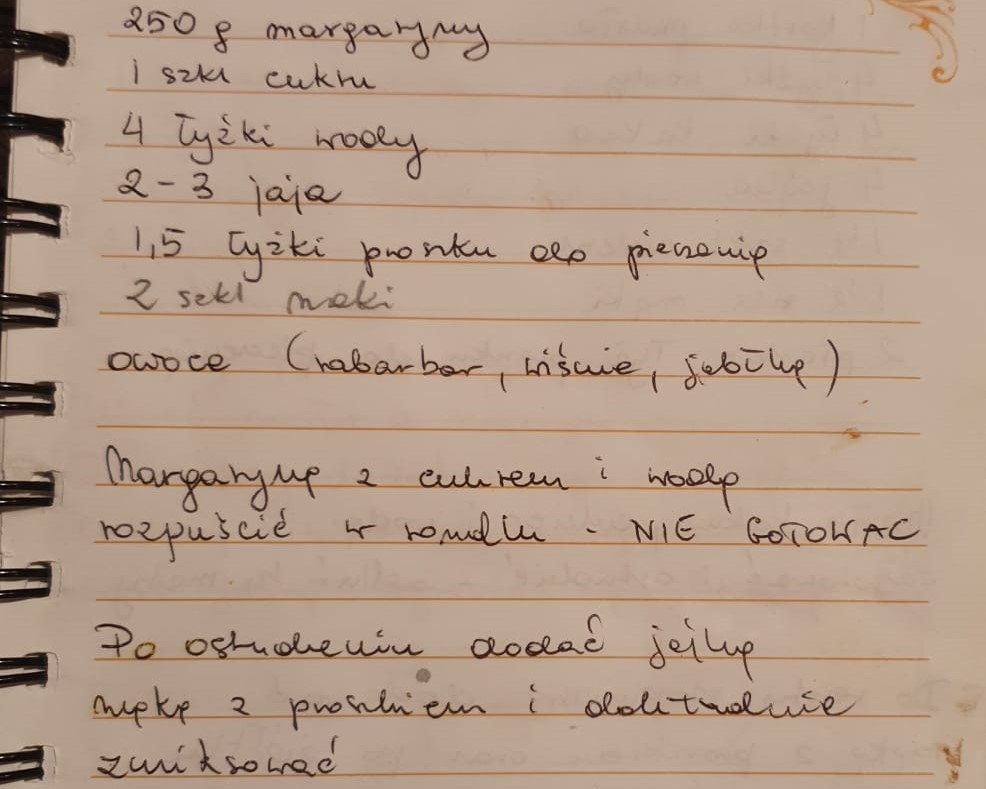
Cake with Rhubarb

  • This is the same recipe as Cake with Sour Fruits – 1.
  • I got this recipe from my Polish friend in Leeds.
  • It is a batter style cake but made with melted butter rather than oil, which I have used before in cakes such as
  • Victorian Apple Cake  or 
  • Cake with Peaches  
  • The original recipe was for rhubarb –   rabarbar  – in Polish and this is what I used now it is in season.
  • You need to use quite a lot of rhubarb as the cake rises and the fruit moves apart.
  • *
  • If the rhubarb is too sour you can dust the cake with icing sugar before serving.

INGREDIENTS

  • 250g butter
  • 200g granulated sugar
  • 60ml cold water
  • 3 eggs
  • 340g plain flour
  • 2 teaspoons of baking powder 
  • *
  • 450 – 500g rhubarb – cut into small pieces.

METHOD

  • Grease and line 3 sides of a 32x22cm baking tin.
  • Pre-heat the oven toGM4 – 180°C
  • *
  • Mix the baking powder with the flour.
  • Melt the butter & sugar in a saucepan – do not boil.
  • Add the water and leave to cool.
  • Beat the eggs into the flour.
  • Add the butter mixture and mix well until you have a thick batter.
  • Pour into the tin and level out the batter to all sides.
  • Cover the top with the rhubarb pieces.
  • Bake for 50-55 minutes.
  • Check the cake part is ready with a tester.
  • Leave to cool in the tin.
  • *
  • Optional – dust with icing sugar before serving.

Duchess – Silver Rose Tea Plate

Miodownik – 3

  • This is honey & spice cake, which could be made for Christmas time.
  • I saw this cake recently in a post by Thistles and Kiwis thistlesandkiwis.org whose interesting blog I follow. 
  • It is adapted from “In Good Company” by Sophie Hansen.
  • I have adapted it a little to make it more like a Polish Cake.
  • In this cake butter is used rather than oil as in my Mama’s miodownik.
  • This cake can be made at the last minute for Wigilia(Christmas Eve) or Christmas Day.

Ingredients

  • 150g butter
  • 240g runny honey
  • 260g plain flour
  • 3 teaspoons of baking powder
  • 100g granulated sugar
  • 1 teaspoon cinnamon
  • ½ teaspoon ginger
  • ½ teaspoon nutmeg
  • Zest of 1 orange
  • 3 eggs – beaten
  • 200g full fat Greek style yoghurt
  • *
  • Icing sugar to dust or lemon icing

Method

  • Pre-heat the oven to GM4 – 180°C
  • Grease and line a 32 x 22cms or 26 x 20cm cake tin.
  • Melt the butter in a saucepan.
  • Add the honey and mix well together.
  • Add the orange zest.
  • Leave to cool for 5 minutes.
  • Mix the baking powder and flour together.
  • Add the sugar and spices.
  • Add the eggs and yoghurt and mix well.
  • Add the butter and honey mixture.
  • Mix everything together to give a thick batter.
  • Pour into the prepared tin.
  • Cook for 30 -35 minutes.
  • Leave to cool on a wire rack.
  • *
  • Dust with icing sugar to serve or glaze with a thin lemon icing.*

Royal Standard – Lyndale tea plate – 1949 – 1960.

*Option – Add a Chocolate glaze – this one was some Chocolate with Orange Peel melted with butter.

  • The china tray is by Ross Dean in Burslem
  • The octagonal tea plate is by Paragon – Made in England and hand-painted. 

Carrot Piernik – 2

  • This is a variation of my previous carrot piernik and I think even better.
  • Demerara sugar is used, which is not really found in Poland, but you could used granulated sugar instead – should not make too much difference.
  • The use of vegetable oil in this recipe would not have been possible until the early 20th century.
  • The spelt flour that is used in this recipe is the flour of an ancient wheat grain – Triticum spelta.
  • It has been cultivated since 5,000 BC.
  • It is the precursor of modern wheat – Triticum aestivum.
  • Spelt has a lower yield than modern wheat but it will grow in poor soil and many different regions.
  • Spelt is thought to be easier to digest than modern wheat.
  • Spelt makes this piernik extra nice
  • You could use whole-wheat flour if you cannot find spelt.
  • This piernik can be made at the last minute – it stays moist for 3-4 days.

Have you ever baked with spelt flour?

Ingredients

  • 125ml sunflower oil
  • 120g demerara sugar
  • 2 eggs
  • 150g spelt flour
  • Grated zest of a small orange
  • 1 teaspoon ground cinnamon
  • 1 teaspoon ground nutmeg
  • ½ teaspoon ground ginger
  • ½ teaspoon ground cloves
  • Pinch of salt
  • Pinch of pepper
  • 1 teaspoon of baking powder
  • 200g coarse grated carrots
  • 50g chopped walnuts (optional)

Method

  • Pre-heat the oven to GM4 – 180°C.
  • Grease and line the base of a 20cm diameter tin.
  • Mix together the flour, baking powders, spices, salt and pepper.
  • Whisk together the oil, sugar, orange zest and eggs.
  • Mix in the grated carrots.
  • Mix in the flour mixture.
  • Stir in the nuts.
  • Pour the batter into the prepared tin.
  • Level off the top.
  • Bake for around 45-50 minutes.
  • Dust with icing sugar when serving.
Royal Doulton – Sonnet – 1971 – 1998

Yeast Placek with Plums

Ingredients 

  • 200g & 50g plain flour
  • 150 ml warm milk
  • 1 teaspoon of granulated sugar
  • ½ tablespoon of dried yeast
  • *
  • ¼ teaspoon of salt
  • 60g granulated sugar
  • 2 egg yolks
  • *
  • 400g of ripe plums
  • 1-2 tablespoons of sugar
  • ½ teaspoon of ground cinnamon
  • *
  • Egg white for brushing
  • *
  • Icing sugar to dust

Method 

  • Mix the milk, yeast, 1 teaspoon of sugar and 50g of plain flour.
  • Leave for 20 minutes.
  • Put the 200g of plain flour, 60g of sugar, salt, yolks and yeast mixture in a bowl.
  • Mix together to form a soft dough.
  • Add a little extra milk if this is too dry.
  • Knead for 10 minutes – set a timer – till you get a smooth ball.
  • Cover and leave for 1½ – 2 hours.
  • *
  • Line a baking tray with baking paper.
  • *
  • Cut the plums in half and remove the stone.
  • Cut the plums into slices – thinner ones if not so ripe.
  • Mix them with the sugar and cinnamon.
  • *
  • Lightly mix the dough back into a ball.
  • Roll out and stretch the dough to fit the baking tray.
  • Brush the top with beaten egg white.
  • Place the plums and sugar mix on top.
  • Cover and leave for 30 minutes.
  • *
  • Pre-heat the oven  to GM5- 200°C.
  • Bake for 20 -25 minutes.
  • Leave to cool on a wire rack.
  • Dust with icing sugar to serve.

Pampuchy – 2 – Sweet

  • These  sweet pampuchy are made exactly like the ones in  pampuchy – 1.
  • There is no extra sugar in the dough.
  • The jam inside and the sugar on top is enough sweetness.

Ingredients

  • 350g plain flour
  • 250 warm milk
  • 2 teaspoons of granulated sugar
  • ½ tablespoon of dried yeast
  • Large pinch of salt
  • 2 egg yolks
  • 2 tablespoons of melted butter
  • *
  • 1 teaspoon of jam for each one – apricot and whinberry were used here.
  • *
  • Granulated or icing sugar to dust 

Method

  • To the milk add the sugar, yeast and 1 tablespoon of the flour.
  • Leave to froth up for around 20 minutes.
  • Add the yeast mixture to the flour and salt and add the egg yolks.
  • Mix together to make a rough ball.
  • Add the melted butter and mix it in until you have a ball again.
  • Knead for about 5 minutes.
  • Cover and leave to rise for about 1 hour.
  • Bring the dough together and gently knead for about 2 minutes.
  • Divide the dough into 16 equal parts.
  • Roll them gently into smooth balls.
  • Place each one on a wooden board and flatten it into a disc with you fingers.
  • Place a spoonful of jam in the centre.
  • Bring up the dough around the jam and seal each one in a ball.
  • Place on a tray or board, cover and leave for about 30 minutes.
  • Steam them for 10 minutes.
  • *
  • Dust with granulated or icing sugar to serve (optional) 
  • *
  • Some people serve these with a warm, fruit sauce

Tort Melba – Fat Free Sponge

  • This tort – layer cake – mimics  a pêche melbapeach melba dessert .
  • It is a recipe for a fat free sponge cake, sandwiched with a filling made from yoghurt cheese or cream cheese and puréed tinned peaches plus a thick raspberry sauce.
  • I used an English quick style version of the sponge cake.

Ingredients -Fat Free sponge

  • 4 eggs
  • 150g caster sugar
  • 150g plain flour
  • 2 teaspoons of baking powder

Method – Fat Free sponge

  • Pre-heat the oven to GM4 – 180°C
  • Grease and line the base of  two 18cm diameter baking tins.
  • In a bowl whisk the eggs and caster sugar until they are pale and creamy.
  • Sift the flour and the baking powder together.
  • Gently fold in the flour.
  • Pour the mixture into the tins and bake for 25-30 minutes until golden.
  • Leave to cool completely.

Ingredients -Filling

  • Tin of peaches
  • 200g of yoghurt cheese or cream cheese
  • 1-2 tablespoons of icing sugar

Method – Filling

  • Drain the peaches from the juice/syrup.
  • Save the juice.
  • Chop the peaches and then purée them.
  • Mix together the yoghurt cheese and the puréed peaches.
  • Add the sugar – do not make it too sweet.

Ingredients – Raspberry Sauce

  • 100g of raspberry jam
  • 50ml of water

Method – Raspberry Sauce

  • Put the jam and water into a small saucepan.
  • Heat gently and stir with a wooden spoon.
  • Heat until the sauce is thick and smooth.
  • Leave to cool.

Assembling the cake

  • Place one of the cakes onto a serving plate or stand.
  • Prick the cake with a wooden skewer.
  • Sprinkle half the peach juice over the cake.
  • *
  • Spread half the raspberry sauce over the cake.
  • Spread the peach filling on the cake. (You might not need all of it)
  • Drizzle the rest of the raspberry sauce on the filling.
  • *
  • Prick the other cake with a wooden skewer.
  • Place the second cake on top.
  • Sprinkle the rest of the peach juice over the cake.
  • *
  • Dust with icing sugar before serving.

Note

  • There is more than enough filling with this size cake.
  • You might try using some to slightly cover the sides of the cake as well.
  • This modern spreading of the icing is called “semi-naked”.

Fruity Yeast Cake

  • This started as a recipe for buns but the dough was much too soft.
  • I decided to make it as a large flat cake ( placek) instead.
  • It has turned out similar to my aunt’s recipe for  drożdżówka  a sweet cake made using yeast.
  • This yeast cake is made with spelt flour (not strong flour) and the mixture is mixed with a wooden spoon or a Danish whisk to form a soft mixture and is not kneaded.
  • As with any recipe made with yeast, timings are so unpredictable depending on many variables including the room temperature.
  • I try to bake with yeast when I am at home for most of the day with other activities to do whilst waiting for the dough to rise.

Ingredients

  • 450g spelt flour
  • 100g granulated sugar
  • 100g butter
  • 180g currants
  • 40g mixed peel
  • 25g fresh yeast
  • Around 280ml of milk – warmed
  • ¼ teaspoon salt
  • 1 teaspoon mixed spice

Method

  • In a bowl mix the flour and salt.
  • Rub in the butter till you have breadcrumbs.
  • Stir in the sugar, mixed spice, currants and mixed peel.
  • Make a well in the centre, add the yeast and enough of the warmed milk to make a soft dough.
  • Cover the bowl and leave it in a warm place to rise.
  • The rise will not be very large.
  • Line a large baking tray with a rim.
  • Tip out the dough and spread it out to the edge of the tray with a spatula.
  • Cover and leave to rise for 30 to 60 minutes.
  • Pre-heat the oven to GM6 – 200°C.
  • Bake for 20 – 25  minutes.
  • Cool on a baking rack for 5 minutes.
  • Remove from the baking paper and put back on the rack to avoid it going soggy at the base.

Royal Doulton – Sonnet  tea plates – 1971 – 1998

As with most yeast cakes this is best eaten as soon as possible as it will soon go stale.

If all is not eaten on the day of baking, I cut the cake into slices and pack into a plastic container and freeze – these are then toasted and served with butter at a later date.

Miodownik – Honey Spice Cake 2

Miód is the Polish word for honey and  Miodownik is a Honey Cake which usually contains spices.

These cakes have been known in Poland since the 12th century and the  spices would have come from Turkey (originally brought back by the crusaders) or India.

The main spices used are cinnamon and cloves with the addition according to different recipes of cardamon, black pepper, caraway, nutmeg, and sometimes as in this recipe – ginger and then in later recipes allspice, which is from the New World.

Honey was the original sweetener, long before sugar and there are many traditional recipes that use honey not only in cakes, but also in meat dishes.

I learnt recently that my paternal grandfather kept bees and that my dad’s sister, my godmother, helped to look after them.

I was given this recipe recently and it is similar to one I have posted before, which was my mother’s recipe.  Her recipe used sunflower oil which is a more recent addition to recipes in Polish cookery whilst this one uses soured cream.

I had a large jar of Polish honey and used some for this recipe.

It is a dense squidgy cake which is lovely and moist.

Honey cakes are served over the Christmas Period in Poland.

Ingredients

  • 300ml clear honey
  • 225g granulated sugar
  • 3 eggs separated
  • 250ml soured cream
  • 290g plain flour
  • 1 teaspoon of bicarbonate of soda
  • ½ teaspoon of ground cinnamon
  • ½ teaspoon of ground cloves
  • ½ teaspoon of ground ginger
  • ½ teaspoon of ground nutmeg

Method

  • Use a 23cm loose bottomed or springform tin
  • Grease and line the base or use a cake liner.
  • Pre-heat the oven to Gas Mark 4 – 180º C.
  • In a small saucepan bring the honey to the boil and then leave to cool.
  • In a separate bowl mix the flour,  bicarbonate of soda and the spices.
  • Whisk the egg yolks with the sugar.
  • Whisk in the soured cream.
  • Whisk in the cooled honey.
  • Add the dry ingredients to the mixture and mix well together.
  • Whisk the egg whites until they are stiff and fold these cake mixture.
  • Pour the mixture into the prepared tin.
  • Bake on the middle shelf of the oven for around  60- 65 minutes.
  • Take care as this has a tendency to burn at the top, you might need to cover it after about 45mins hour with a piece of greaseproof paper of aluminium foil.
  • Test to make sure it is cooked through with a fine cake tester.
  • Leave to cool in the tin.
  • Dust with icing sugar to serve.
  • *
  • This cake has a tendency to sink a little in the middle – nothing to worry about!

Tea plates – Bramble Rose by Duchess –  from the 1960s

Tea cups – Harvest Pink by Queen Anne – 1959 – 1966

Note

  • The instructions were for a round cake – the second time I made this I used a 32 x 22cm greased and lined tin.
  • The timings are roughly the same.
  • The cake is easier to cut into portions.
  • It is not quite as moist or squidgy as the deeper round version.
  • Wrapping it in aluminium foil and put in an airtight box will make it softer over time.
  • *
  • A loose bottomed deep square tin may be better and easier to get the cake out – but I do not have one of these.