Recipes from Wilno

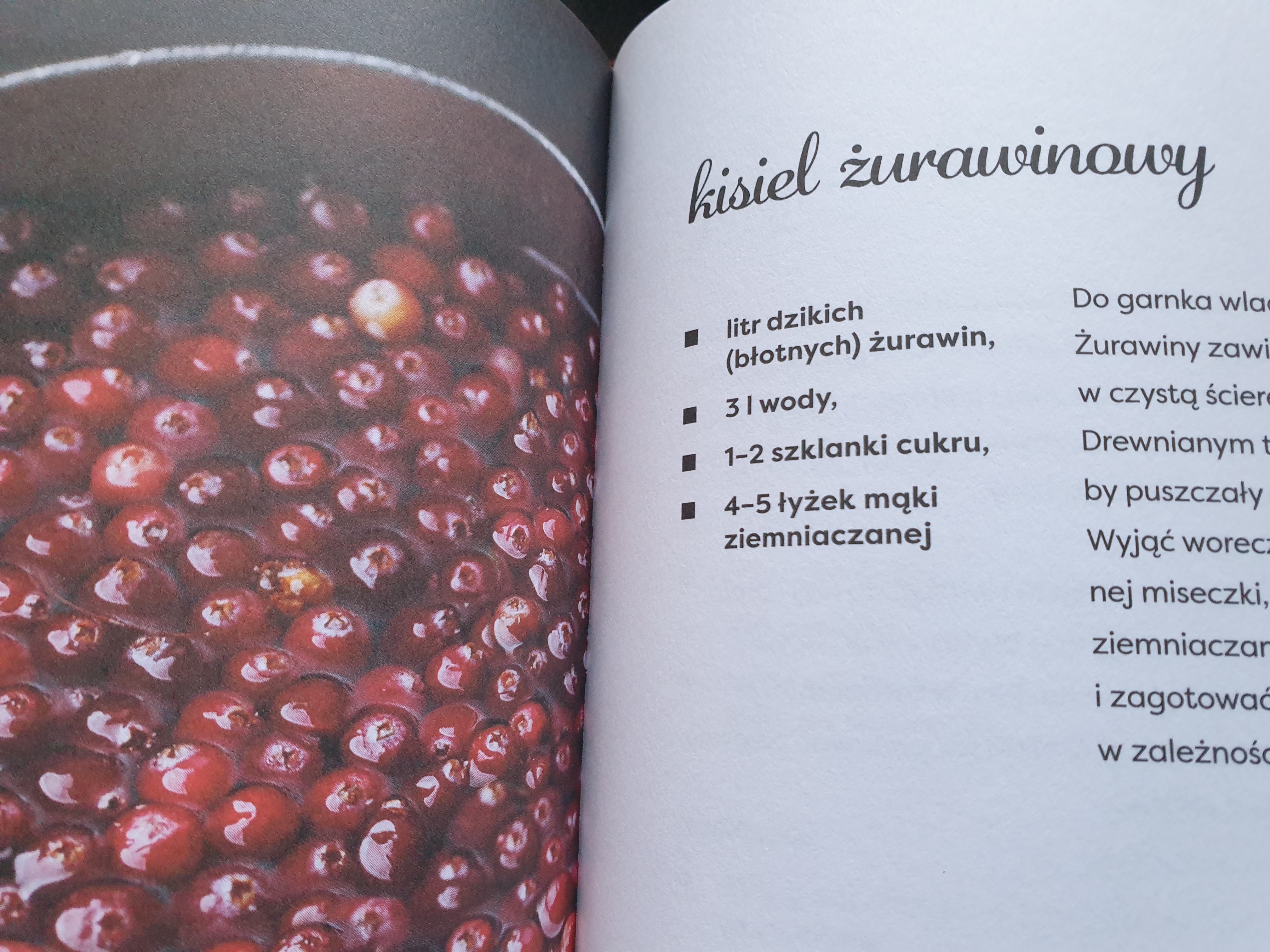
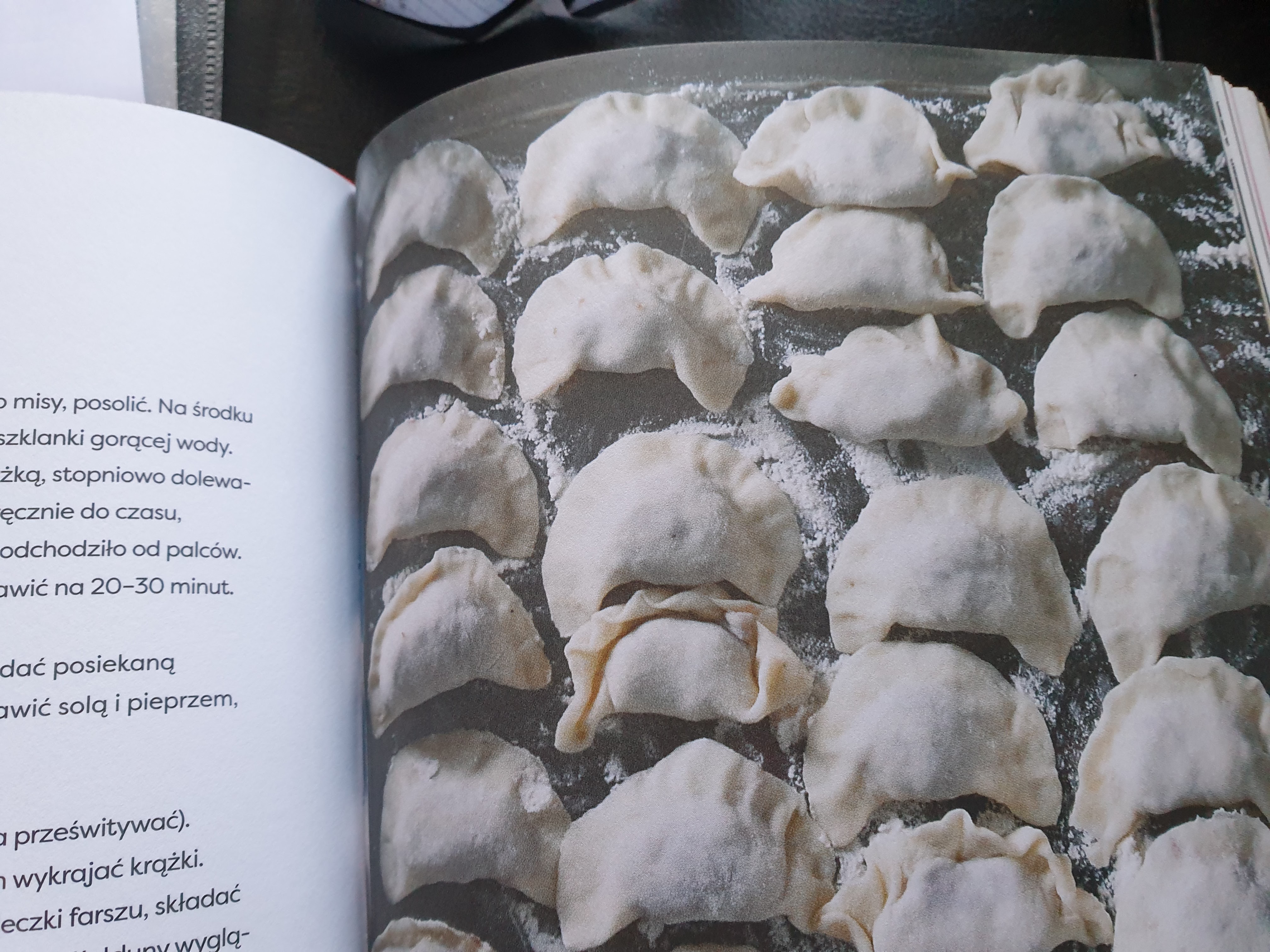
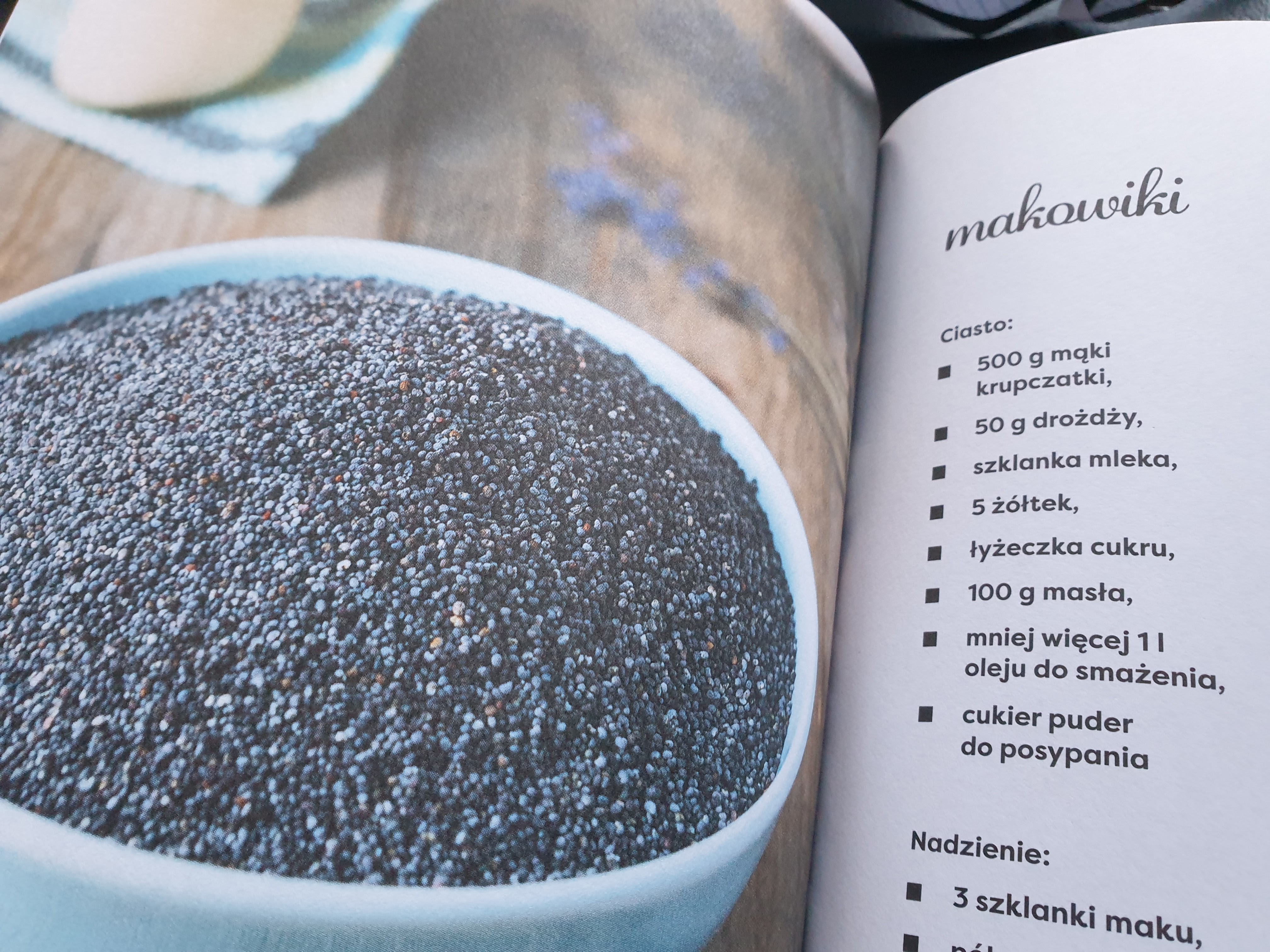
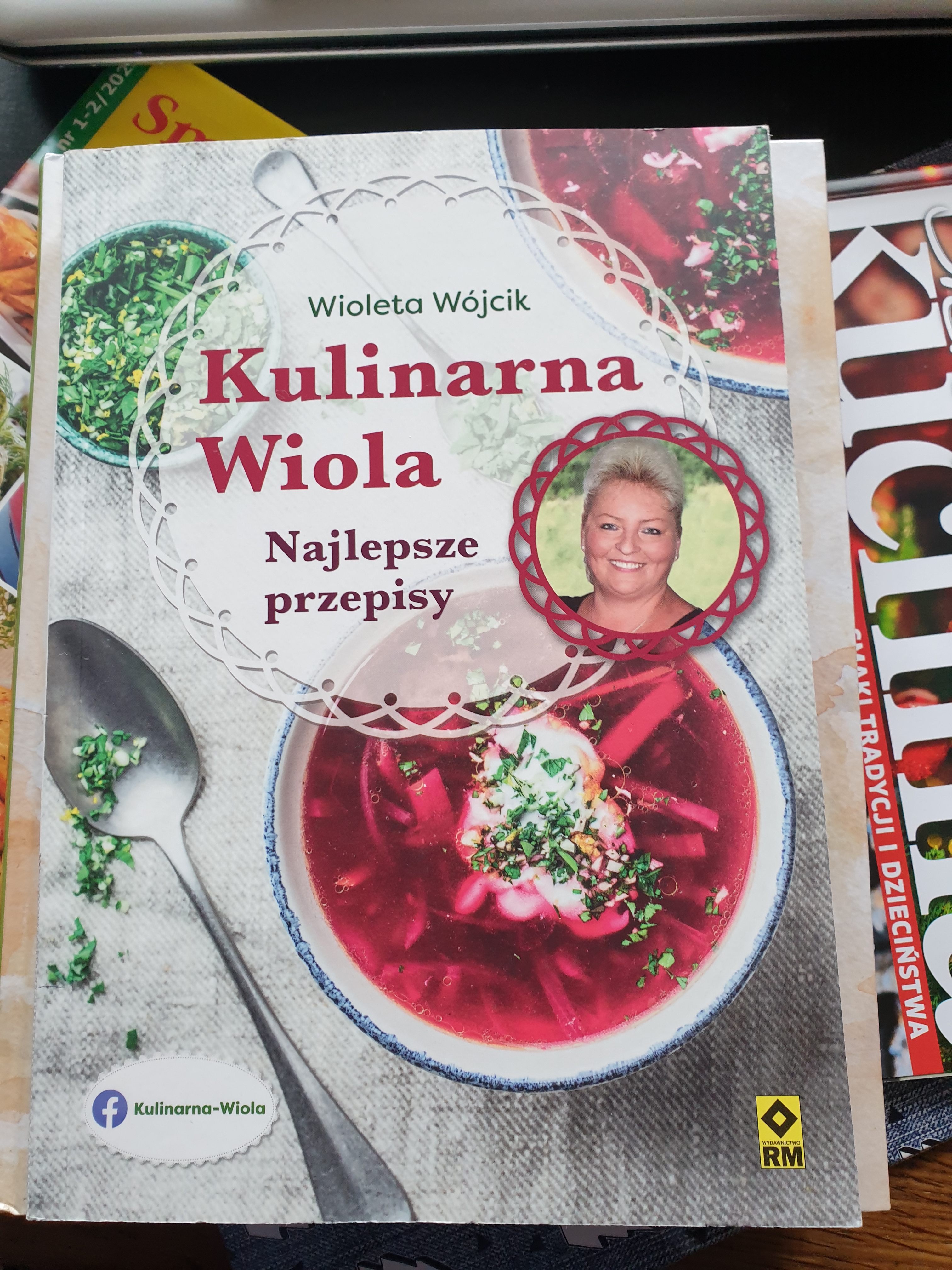
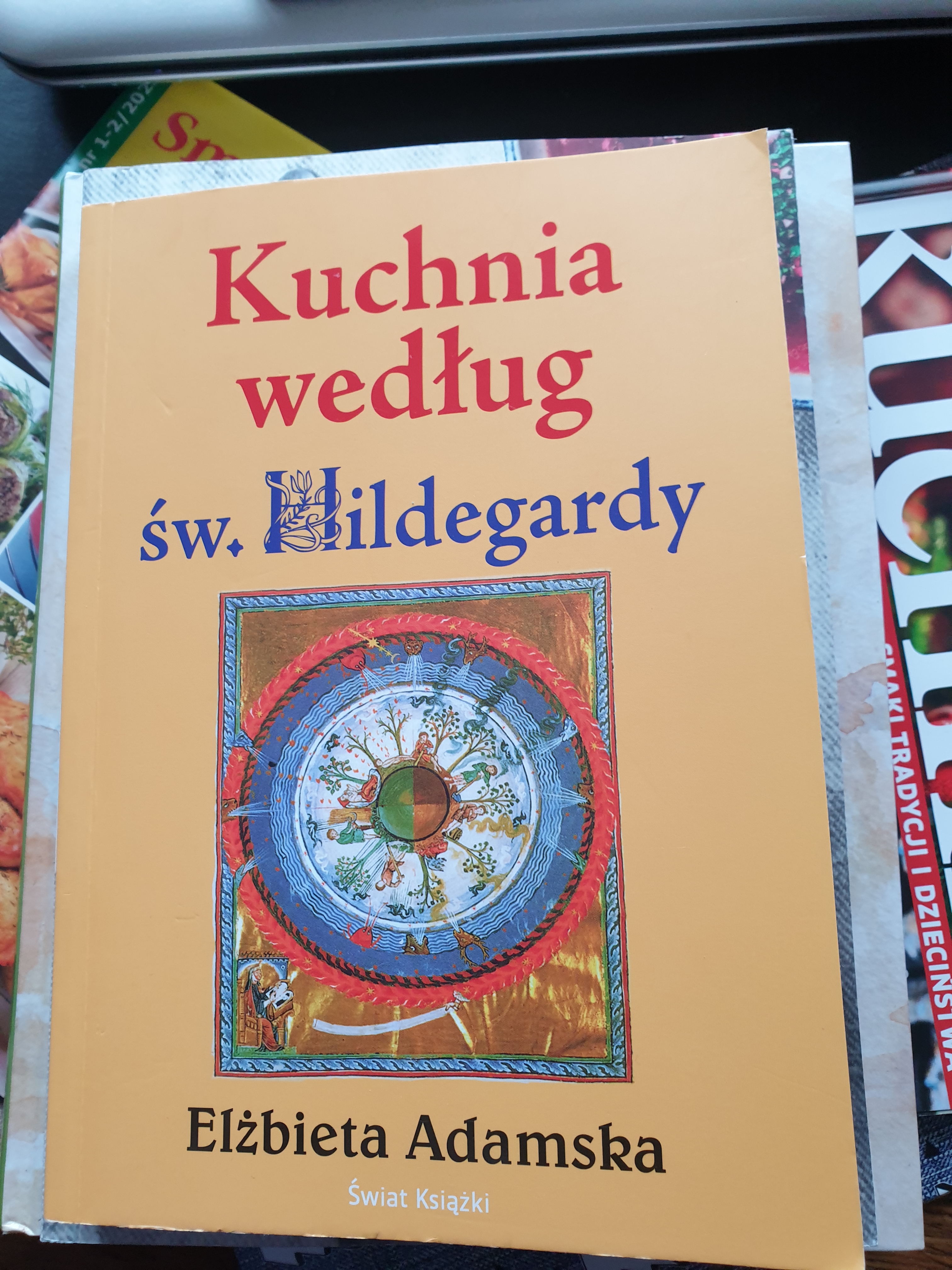
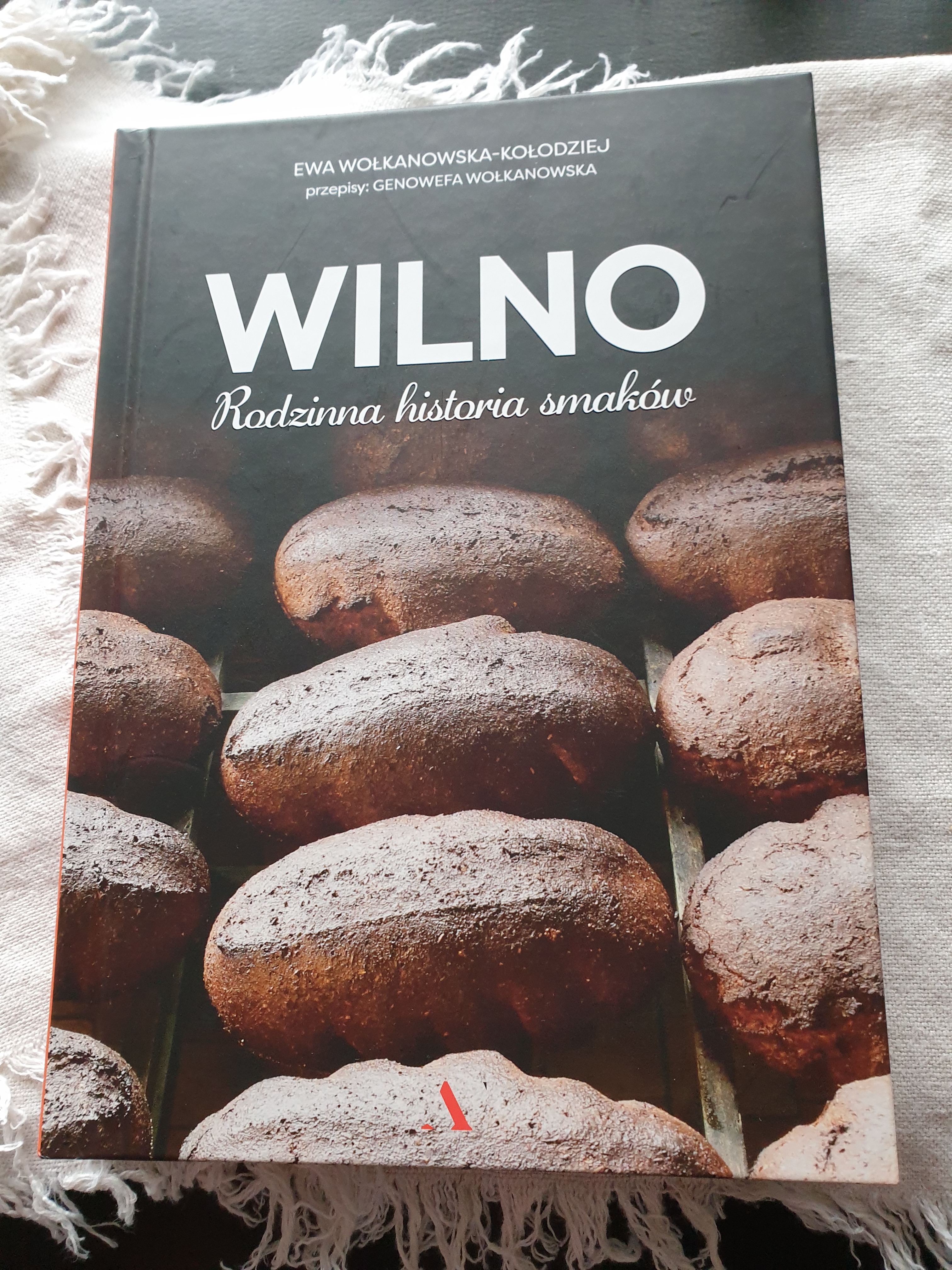
  • I was so thrilled to find this new book in the Empik bookstore in Gdańsk.
  • My father always thought of Wilno (Vilnius in English) as his nearest city.
  • He was born not that far away and where he was born and Wilno were part of Poland then.
  • Wilno was always thought of as a very Polish city.
  • *
  • I am planning to sit down and read this book very thoroughly.
  •  Although my father did not cook, I am sure some of these recipes will be similar to those ones I have tasted, used by his sisters here in England and his cousins in Poland.

New Polish Cookery Books

  • I have returned recently from a short trip to Wrocław.
  • A lovely city and I stayed in the old town, which was super.
  • I ate in several restaurants and picked up some ideas for recipes.
  • I also bought 3 Polish recipe books which are very interesting and you will be seeing ideas coming through from these in the next few months.
  • One of the many lovely doors in Wrocław.
  •  
  • IMG-20230216-WA0018 (1)
  •  
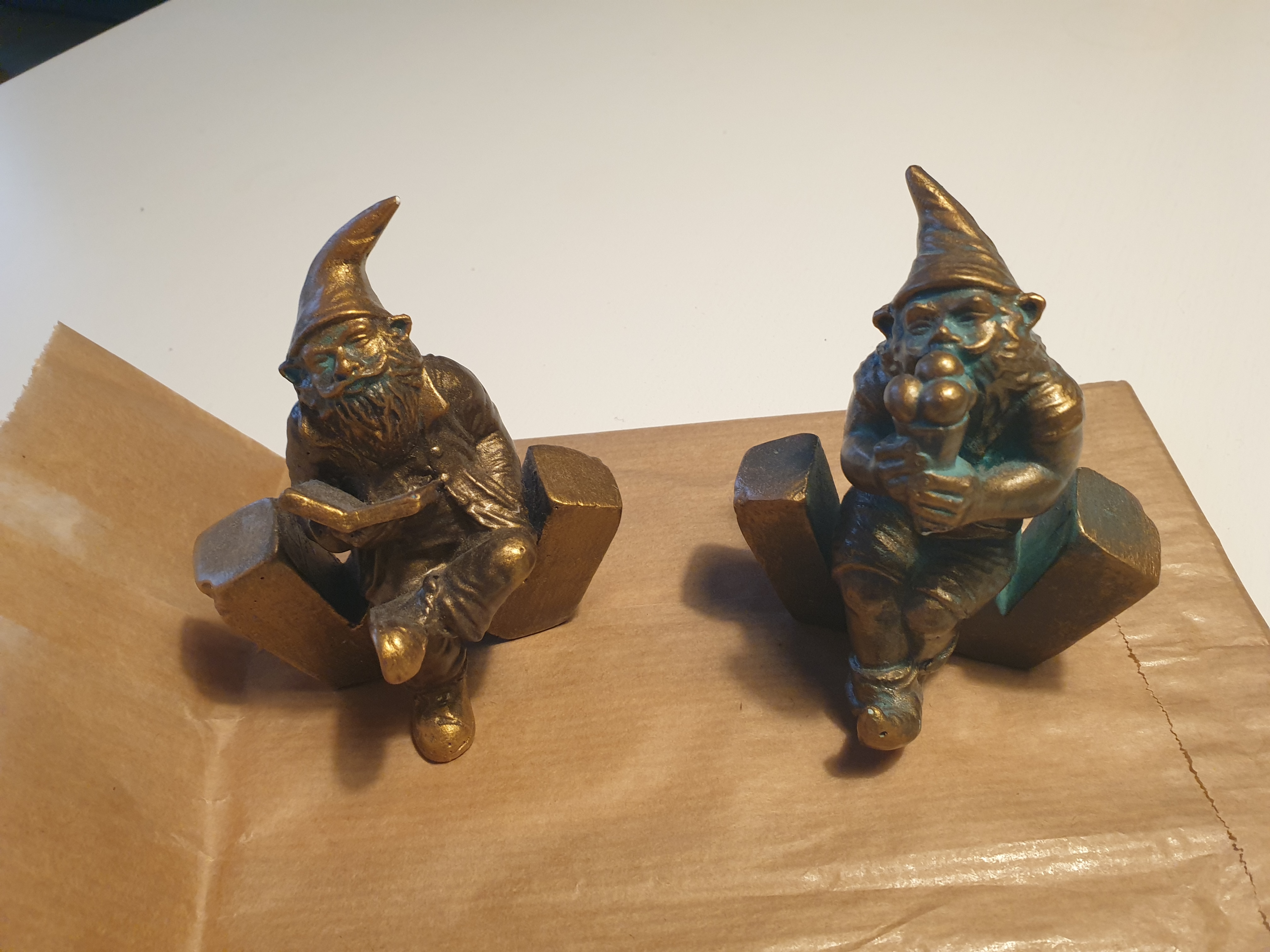
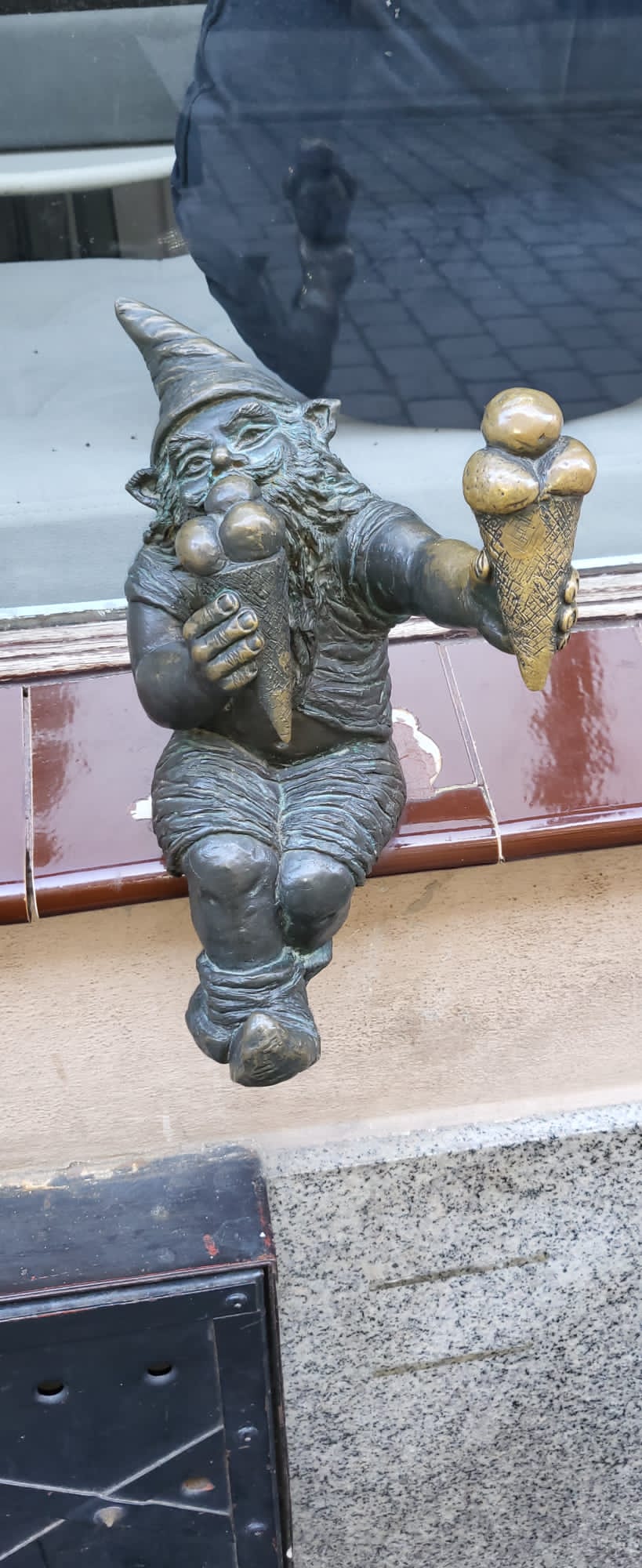
  • Souvenir Krasnoludki (gnomes) – reading and eating ices  – 2 of my favourite pleasures!

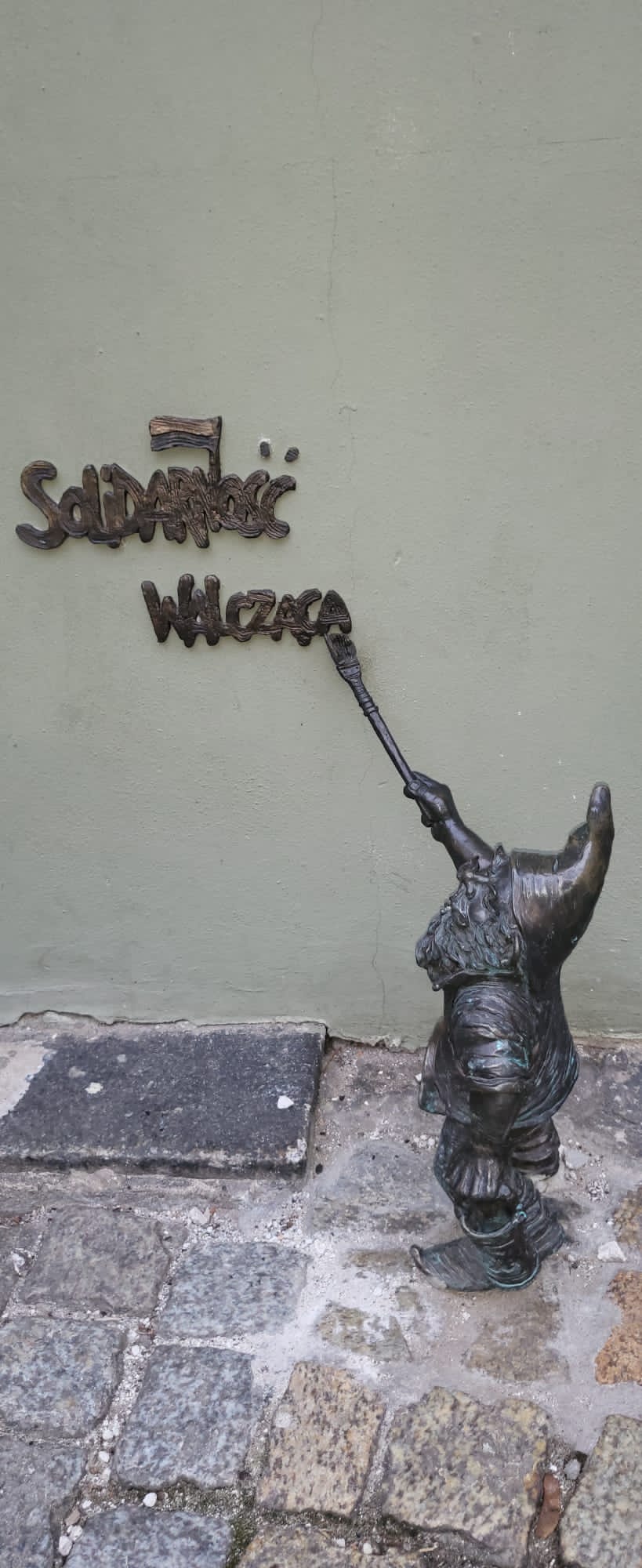
  • Krasnoludki are all around the town – from the 1980s as anti Soviet protests.

Classic Polish Recipe Book

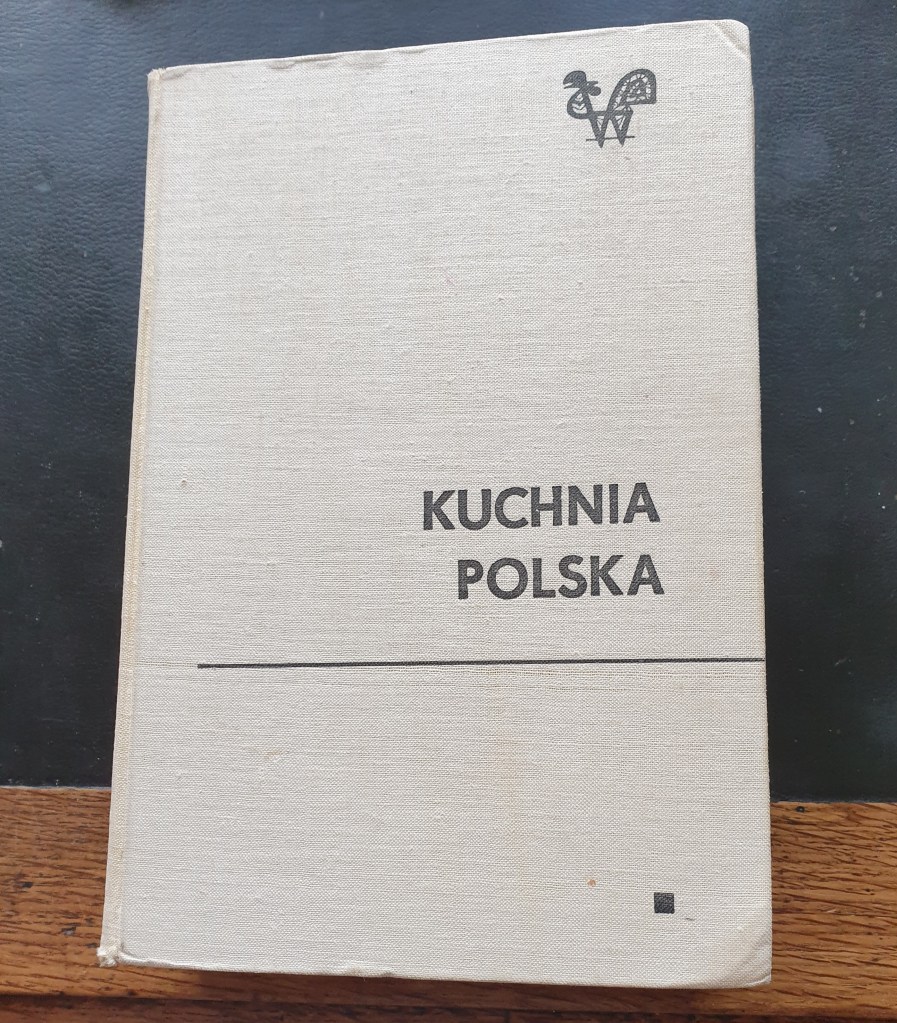
  • Kuchnia Polska was my first Polish cookery book.
  • The title means Polish Kitchen – or Polish Cookery.
  • It was my first Polish cookery book and my only one till many years later.
  • I think of this as my “Cookery Bible” and turn to this first when doing any research for a recipe.
  • I have rarely had any “failures” from this book.
  • *
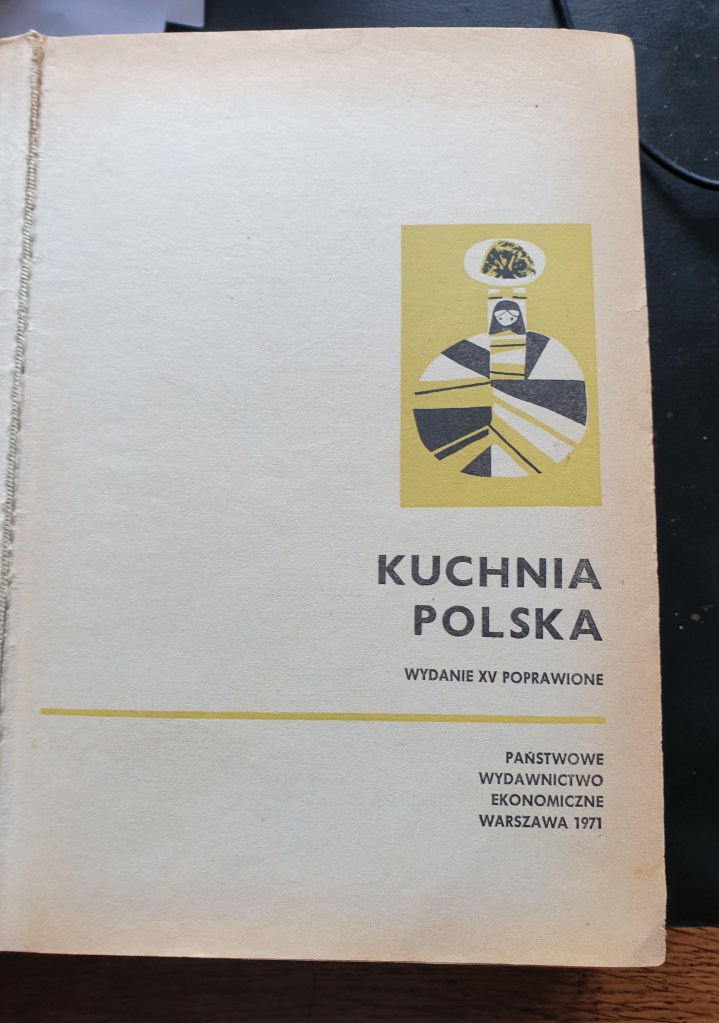
  • First published in 1956.
  • Published by Państwowe Wydawnictwo Ekonomiczne, Warszawa. 
  • My edition is the 15th published 1971.
  • There are 775 pages plus photographs.
  • The text is in Polish.
  • 10 authors are listed – the first is Prof. dr Stanisław Berger.
  • The graphics are by Czesław Wielhorski (1911-1980).
  • Czesław Wielhorski was a “visual artist” – a graphic artist
  • Czesław Wielhorski is well known for his posters for the 1939 winter Olympics in Zakopane.
  • *
  • As well as recipes there is advice including kitchen layout, food groups and menus
  • There are many instructions from an age when pre-prepared food ingredients were not available eg – how to grind almonds. 
  • *
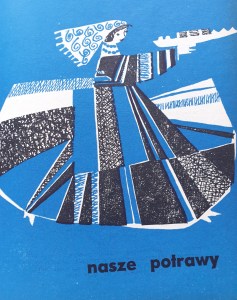
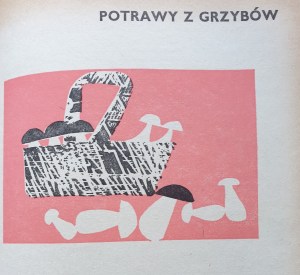
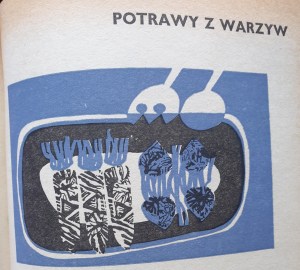
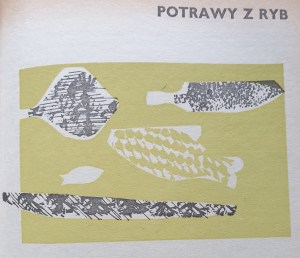
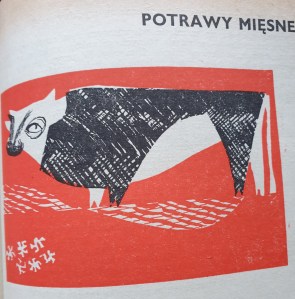
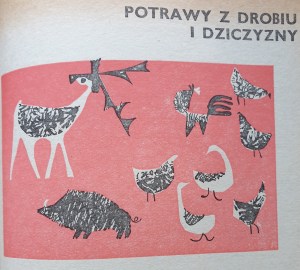
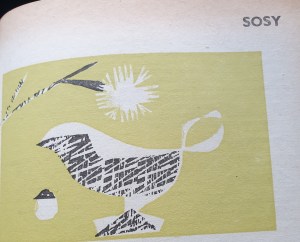
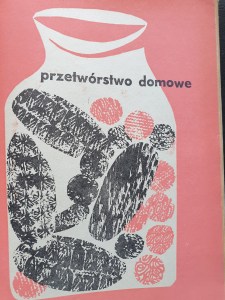
  • I have always loved the drawings in this book.
  • The drawing are in black and white each with one colour.
  • Cross Hatching and dots in black add texture to the illustrations
  • Below are a selection of these wonderful illustrations 

Pierogi with Leeks & Peas

  • Well over a year ago when on a trip to Gdańsk, in one restaurant I saw on the menu pierogi (Polish filled pasta) which had leeks, peas and soured cream as a filling.
  • Although I did not try these, I thought they sounded good and tried out this  mixture as a filling for buckwheat pancakes.
  • At last I have had the time to try this out as a filling for pierogi.
  • I adjusted the filling I had made for the pancakes by using cream cheese (or twaróg or yoghurt cheese) rather than soured cream.

Filling

  • 2 leeks – chopped
  • 50 – 75g frozen peas
  • 2-3 tablespoons of butter
  • 2 -3 tablespoons of cream cheese, twaróg or yoghurt cheese
  • Salt and pepper to taste.

  • Using a deep large frying pan with a lid (a glass one is best), melt the butter and gently cook the leeks to soften them but not brown.
  • Add the frozen peas and cover with the lid and cook for a few minutes.
  • Stir the mixture and continue to heat without the lid to drive off excess liquid.
  • Purée most of the mixture – keeping some of the peas whole.
  • Stir in the cream cheese (twaróg or yoghurt cheese).
  • Season to taste.

Ingredients – Dough

  • 250g pasta flour or plain flour & 2 tablespoons of fine semolina
  • 150ml water
  • 1 tablespoon oil – sunflower or light olive
  • ½ teaspoon salt
  • 1 egg yolk

Method – Dough

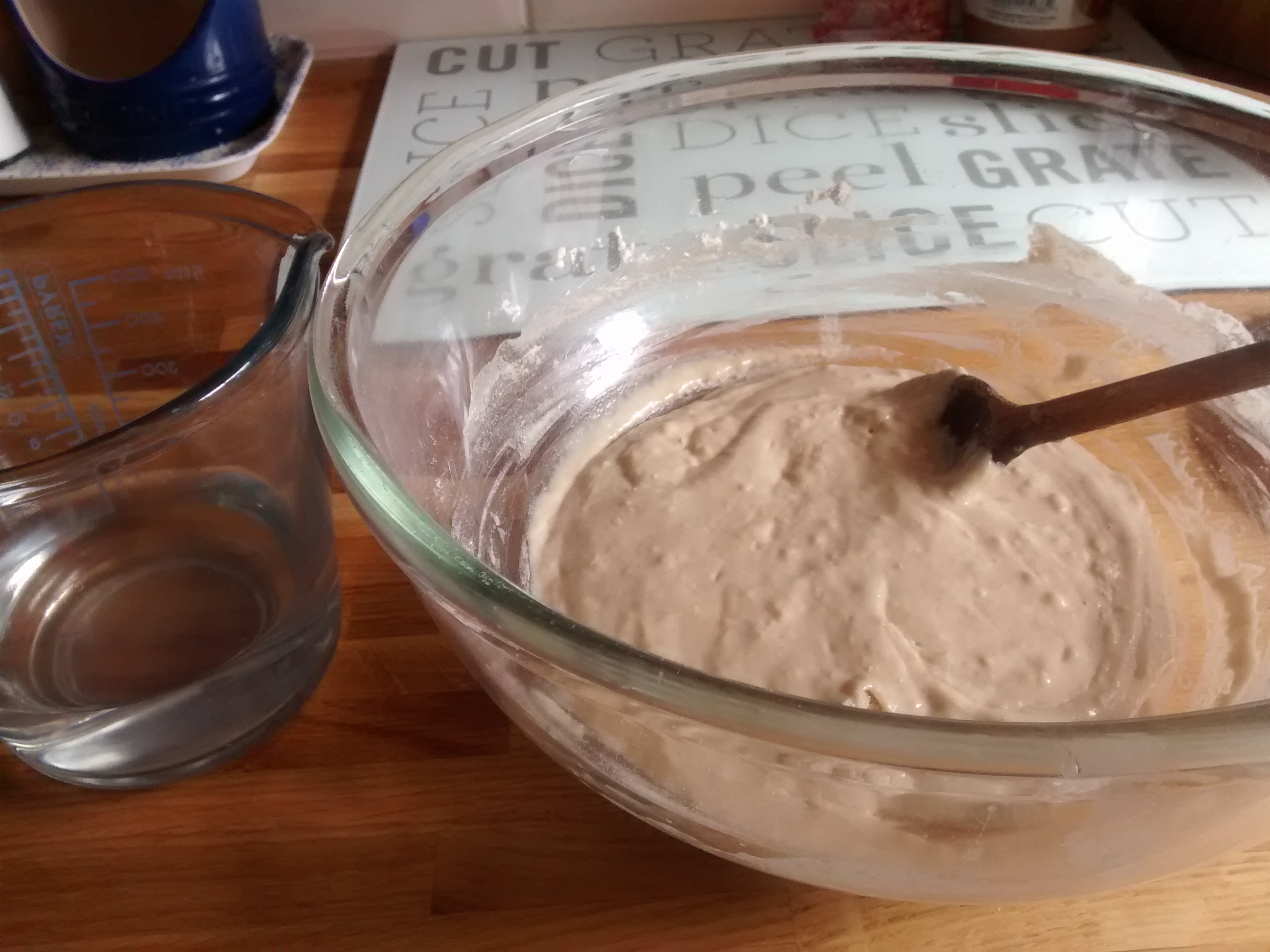
  • In a jug or bowl mix together the water, oil and the yolk.
  • Put the flour and salt into a large bowl and make a well in the centre.
  • Pour in the liquid from the jug and initially use a knife to mix this into the flour and then use your hands to mix the liquid and flour to get a ball of dough.


  • Turn this out onto a floured board and knead the dough for a few minutes until you have a smooth ball.
  • Cover and leave to rest for about ½ an hour.
  • *
  • Cut the dough into half.
  • Prepare a large tray and cover it with a clean cotton or linen tea towel and sprinkle this with flour.
  • On a floured board roll out the dough a half at a time until you have a sheet of thinly rolled dough.
  • Cut out circles using a 7 cm diameter cutter.
  • The excess dough can be re-mixed and rolled out again.
  • Around a half tablespoon of filling is put on  each circle and then they are folded over and the edges pinched together to make a good seal.
  • You learn from experience how much filling to put in as too much will make it hard to seal them and if not properly sealed they will burst on boiling.  Do not worry if you have a few mishaps – it still happens – even with experience – it is hard to salvage one that has gone wrong – just accept that there will be a few that you do not cook.
  • Place the sealed pierogi on prepared tray until they are all made, do not let then touch each other.
  • *
  • To cook the pierogi, use a large pan of boiling water to which you have added some salt and a drizzle of oil.
  • Drop the pierogi in one by one and allow them to boil.  I usually do about 6 to 7 at a time.
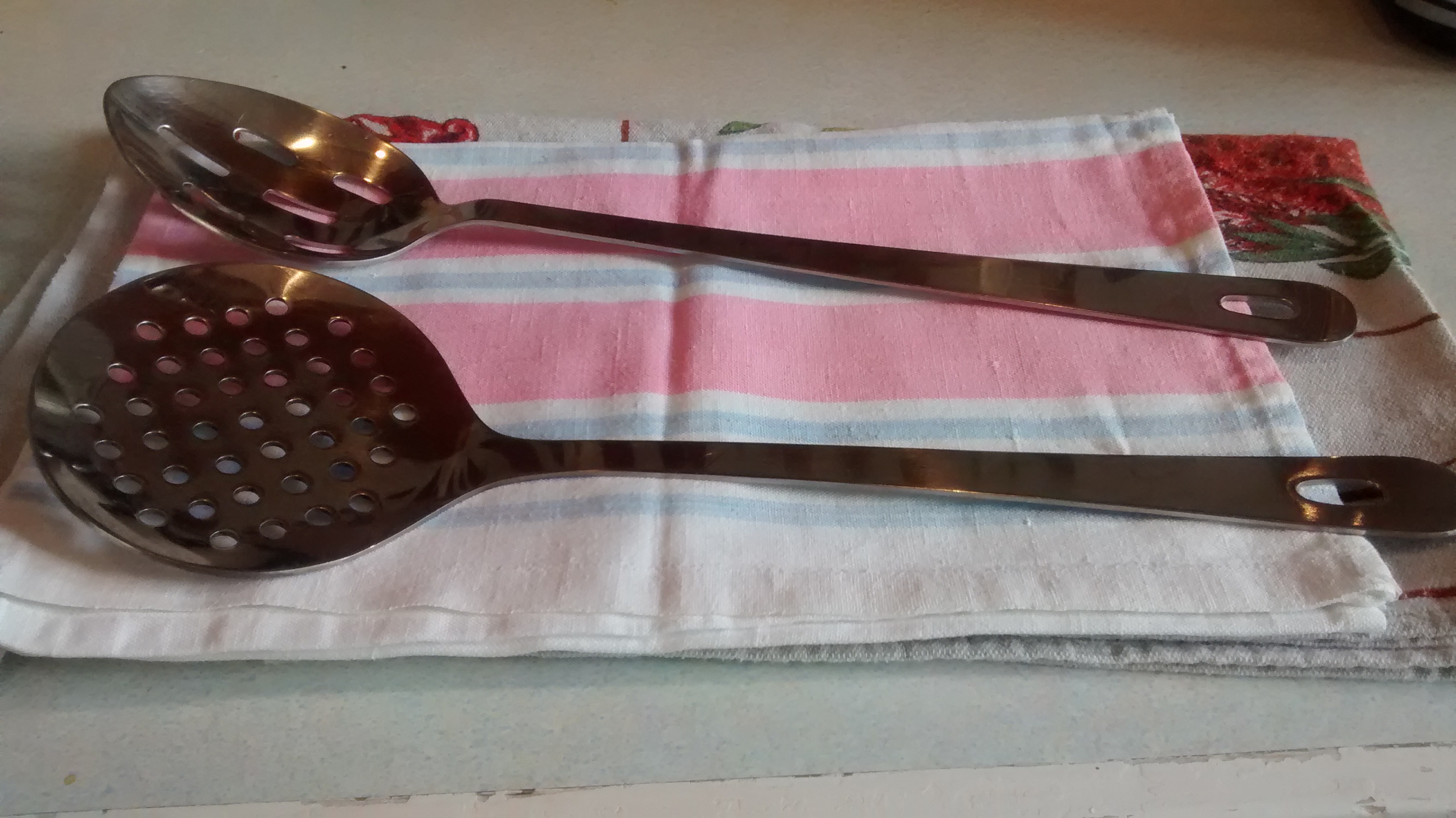
  • As they cook they will float to the surface, let them boil for 2 minutes and then remove them with a slotted or perforated spoon and put into a colander above a pan for a few seconds to drain and serve with melted butter.
  • Continue boiling batches in the same water.
  • If you want to make all the pierogi to serve together then you need to get a large oven proof dish.
  • Melt lots of butter in the dish.
  • Keep the dish warm in a low oven.
  • As you take out the cooked pierogi add them to the dish and coat them with the melted butter.
  • Keep on adding more as they cook.

Plate- Alfred Meakin – Midwinter – Spanish Garden 1960s

To Serve

  • These are good served just with the melted butter.
  • I also liked the gently refried ones, in the butter, the next day.


Pierogi leniwe

Pierogi leniwe – means lazy pierogi or  lazy dumplings.

I wrote about kopytka – Polish potato dumplings a good while back and these have the same shape.

Traditional recipes use twaróg – Polish curd cheese – I use my own yoghurt cheese.  I have found that you can use crumbly, white, mild, English cheeses such as: Cheshire, Lancashire or Wensleydale.

They can be served savoury or sweet – with melted butter, à la Polonaise (buttered breadcrumbs) or skwarki (crisp, fried, small squares of bacon) or sweet with a cinnamon sugar mixture.

Ingredients

  • 400g of twaróg (curd cheese), yoghurt cheese or  a white, crumbly cheese.
  • 3 egg yolks
  • 160 – 200g of plain flour
  • ½ teaspoon of salt

Method

  • Mix the yolks with the cheese.
  • Add the salt
  • Weigh out the flour to give an idea of how much is needed – this will depend on the cheese and the size of the eggs.
  • Add the flour and mix first with a wooden spoon and then by hand, you might not need all the flour or you may need more.
  • Mix until you have a soft dough.
  • Divide the dough into quarters and using a floured board shape the dough and roll it with you hands until you have a long sausage about 3cm in diameter.  If the dough sticks to the board then you need to add more flour.
  • Use a sharp knife to cut the dough into pieces, make the first cut at a diagonal and make the thickness about 1 to 1.5cm. You will get a sort of oval shape.

  • Repeat this with the rest of the dough.
  • Fill a large pan with water, add some salt and bring this to the boil.
  • When the water is boiling, add the dumplings one by one, do not over fill the pan or they will stick together. I tend to do around 8 at a time.
  • As they cook they will float to the surface, give them about another minute and then remove them with a slotted  or a perforated spoon and put them in a colander.
  • I have a colander sitting in an empty pan by the side of the large pan in which I am boiling the dumplings.

IMG_20151020_094418143


  • I find that the maximum from putting  them into the water to taking them out will be 3 minutes, if you cook these too long they will start to fall apart.

Here served as suggested above with  melted butter and with skwarki (crisp, fried, small squares of bacon).

Served on –

  • J & G Meakin – Topic – around 1967
  • Wedgwood – Chelsea garden – early 21st century.

Here served  à la Polonaise (buttered breadcrumbs)  in a handled dish by

Rörstrand Sweden Granada Ovenware  from the 1960s


They can be also be served  sweet with a cinnamon sugar mixture.

Kapuśniak made with Fresh Cabbage

In the first year of writing this blog,  I wrote a post – Poles love to eat cabbage and now that I am writing about soups I am going to look at  a Polish classic – kapuśniak cabbage soup.

There are two types – ones made with fresh cabbage and ones made with sauerkraut.

Here I am going to write about ones made with fresh cabbage.

Kapuśniak – Version 1

Ingredients

  • 500g fresh white  or sweetheart cabbage (a small head)
  • 100g smoked bacon
  • 1.5 – 2 litres of vegetable stock (can be from powder or cubes)
  • 1 large onion
  • 1 bay leaf
  • 4 or 5 peppercorns
  • 2-3 medium sized potatoes.
  • Salt & pepper – to taste
  • Flat-leafed parsley to garnish

Method

  • With a sharp knife, shred the cabbage and then chop across to get little pieces.
  • Chop the onion into small pieces.
  • Chop the bacon into small squares.
  • Put the vegetable stock into a large pan.
  • Add the cabbage, onion, bacon, bay leaf and peppercorns.
  • Bring to the boil and then simmer, with a lid on, until the cabbage is nearly tender.
  • Peel and chop the potatoes into medium sized chunks.
  • Add the potatoes to the soup and gently simmer until the potatoes are cooked.
  • Check for seasoning.
  • Stir in a handful of chopped flat leaved parsley.
  • Serve with a little chopped flat leaved parsley on top.

Served here in Royal Doulton – Tapestry – 1966 to 1988

Note – If you want to start this in advance, make it up to adding the potatoes.

Kapuśniak – Version 2

Ingredients

  • 500g fresh white cabbage
  • A few pork ribs
  • 1.5 – 2 litres of vegetable stock (can be from powder or cubes)
  • 1 large onion
  • 3 tablespoons of tomato purée
  • Salt & pepper to taste.
  • Flat -leaved parsley to garnish

Method

  • Into a large pan put the pork ribs, peppercorns and the vegetable stock.
  • Bring to the boil, then simmer gently with the lid on until the meat is tender.
  • With a sharp knife, shred the cabbage and then chop across to get small pieces.
  • Chop the onion into small pieces.
  • Add the cabbage and onion to the pan and simmer till the cabbage is tender.
  • You might have top up with a little hot water.
  • Remove the pork ribs – these can be eaten later or as a snack for the cook!
  • Stir in the tomato puree.
  • Check for seasoning.
  • Serve with a little chopped flat leaved parsley on top.

Served here in Royal Doulton  – Burgundy – 1959 to 1981

Kapuśniak – Version 3

This is made as Version 2, after adding the tomato puree, stir in around 100ml of soured cream and mix well in.

Garnish with flat-leaved parsley.


Served here in Royal Doulton – Carnation – 1982  to 1998

Kopytka z serem- Cheesy Potato Dumplings

I wrote about kopytka – Polish potato dumplings a good while back.

Since then I have tried another version which uses cheese as well as potatoes.

Traditional recipes use twaróg – Polish curd cheese – I have found that crumbly, white, mild, English cheeses such as: Cheshire, Lancashire or Wensleydale are also good.

Whilst looking at many recipes, I saw that the proportions of boiled potatoes to cheese varied greatly.

I have gone for roughly equal weights of boiled starchy potatoes to cheese.

The exact amounts are not critical but you must use starchy potatoes such as King Edward or Maris Piper.

IMG_20150910_122355675

Serve with either melted butter, à la Polonaise (buttered breadcrumbs) or skwarki (crisp, fried, small squares of bacon) or a hot sauce such as mushroom.

Ingredients

  • 300g of boiled starchy potatoes
  • 300g of twaróg (curd cheese) or white, crumbly cheese such as Lancashire
  • 2 egg yolks
  • 160 – 200g of plain flour
  • Salt
  • Oil to add to water for boiling

Method

Use a large bowl and put the cold boiled potatoes into the bowl.

Crumble the cheese and add it to the potatoes and mash them both together.

Add the yolks to the mixture.

Add a little salt.

Weigh out the flour to give an idea of how much is needed; this will depend on the type of potato and the size of the eggs.  Add the flour and mix first with a wooden spoon and then by hand, you might not need all the flour or you may need more. Mix until you have a soft dough.

Divide the dough into quarters and using a floured board shape the dough and roll it with you hands until you have a long sausage about 3cm in diameter.  If the dough sticks to the board then you need to add more flour.

Use a sharp knife to cut the dough into pieces, make the first cut at a diagonal and make the thickness about 1 to 1.5cm. You will get a sort of oval shape.

Repeat this with the rest of the dough.

Fill a large pan with water, add some salt and bring this to the boil.

When the water is boiling, add the dumplings one by one, do not over fill the pan or they will stick together. I tend to do this in 4 batches.

As they cook they will float to the surface, give them about another minute and then remove them with a slotted  or a perforated spoon and put them in a colander. I have a colander sitting in an empty pan by the side of the large pan in which I am boiling the dumplings.

IMG_20151020_094418143


I find that the maximum from putting  them into the water to taking them out will be 3 minutes, if you cook these too long they will start to fall apart.

Served on –

  • Royal Douton – Carnation – 1982 – 1998
  • J & G Meakin – Topic – around 1967
  • Wedgwood – Chelsea garden – early 21st century.

Here served as suggested above with  melted butter, with skwarki (crisp, fried, small squares of bacon) and a gulasz.

Pork & Pears

This is a new recipe for me – it is from the South West of Poland, the area called Śląsk – Silesia in English.

Pyrus communis is the European pear.

Pears originated in the Caucasus and then spread to Asia and Ancient Persia and from there to Europe.

Pears have been cultivated for over 4,000 years.

The Polish for pear is gruszka

Pears are more demanding than apples and so you will find that there are more pear orchards in Southern Poland where there is more sun and because of the fertile soil.

Conference is a a popular cultivated variety in England. It was cultivated by Thomas Francis Rivers and it won 1st prize in 1885 National British Pear Conference in London.

It is also popular and grown in Poland now where it is called Konferencja.

This is a good pear for this recipe as it need to be a hard pear that keeps its shape and does not disintegrate.

Version 1 Using Shoulder Pork

Ingredients

400g – 500g of shoulder pork – in slices.

4 -5 hard pears such as Conference

1 parsnip

1 carrot

1 onion

1 -2 tablespoons of plain flour.

300ml of vegetable or chicken stock (can be from powder or a cube)

4 -5 grains of  ziele angeliskie which is allspice

Salt

Sunflower oil for frying.


Allspice also called pimenta or Jamaican pepper is very popular in Polish cookery.

It is the dried unripe berry of Pimenta dioica, a tree native to the Greater Antilles, southern Mexico and Central America.

The name allspice was coined as early as 1621 by the English, who thought it combined the flavour of cinnamon, nutmeg and cloves.

It used to be very popular in England and that is why in Poland it is called ziele angielskie which means English herb(Why herb rather than spice I do not know!) 

Until recently it seemed to have fallen out of favour in England though now it seems to be being used more and more.

In Poland it is used with meats as well as or instead of peppercorns and is used in cakes.

I have been able to obtain it a lot more readily in the past few years and am now using it a great deal especially in casseroles as I love the taste.

Method

Pre-heat the oven to GM4 – 180°C

Peel & chop the parsnip and carrot into rough cubes.

Chop the onion into small pieces.

Fry the all gently together and put them at the bottom of a the casserole dish.

Lightly dust the pork and fry gently in sunflower oil.


Add the pork on top of the vegetables.

Sprinkle with salt.

Pour in the stock & put on the lid.

Place in the oven and cook for 1 hour – then turn the oven down to GM3 – 160°C and cook for another 2 hours.

Peel the pears and cut then in half and remove core & pips.

Place the pears on top of the meat & cover with the lid.

Cook for around 20 – 30 minutes until the pears are tender.

You can make this in advance with just the vegetables and pork and then re-heat it at GM4 – 180°C – for around an hour and then add the pears.

Using Dried Pears

Dried pears are often used rather than fresh – drying fruit is a very popular method of fruit preservation in Poland & means that this recipe could be made in the winter when all the fresh fruit was no longer available.

Dried Pears are for sale in the fruit and nut stall In Kirkstall Market in Leeds.

You have to reconstitute the pears – this is best done overnight.

Place the pears in a dish and pour hot weak black tea over the pears and leave them or you can use just hot boiled water  – I think the pears with tea taste better.

Cook the meat as before and after you have added the re-constituted pears cook the dish for another 30 – 35 minutes.

Version 2 Using Pork Loin with dried pears

You have to reconstitute the pears – this is best done overnight.

Place the pears in a dish and pour hot weak black tea over the pears and leave them or you can use just hot boiled water  – I think the pears with tea taste better.

Fry some slices of pork loin on both sides in a mixture of oil and butter in a deep frying pan.

Add the reconstituted pears about 3 per piece of meat with some of the liquid.

Cover the pans with a tight fitting lid (good to have a glass one to see what is happening – as it is easy for this to burn because of the sugar in the pears & liquid) and simmer for 25 -30 minutes.


One of my books said these went very well with dumplings from Śląsk (Silesia in English) – these I will have to investigate for a later post next year.


Save

Save
Po staropolsku – in an Old Polish Style

In many recipe books and often on menus in restaurants you can see dishes described as po staropolsku which means in an Old Polish Style.

What exactly does that mean?

I have found this a hard question to answer as there two sides to its meaning, one is about hospitality and the other is the ingredients.

Hospitality

When restaurants use  po staropolsku they are trying to evoke connections to noblemen & democracy with the chivalry & hospitality that was found in the manor houses in Poland, particularly from the 16th to the 18th century.  They are trying to make you think of the quality of the food and the surroundings.

The Poles are thought to be a very hospitable nation and a very famous saying in Poland is  – “Gość w dom, Bóg w dom”  which means  when you have a guest in your house, you have God in your house, meaning treat your guests to the very best.

The chef & writer, the late Maciej Kuroń (1960 – 2008) in his book Kuchnia Polska (Polish Cookery)has a new saying –

“Lepiej gościa zabić, niż nie nakarmić “which means – it is better to kill a guest rather than not feed them well.

I noted this quote many months ago – today when I tried to find the reference in the book, which is a large tome of over 900 pages, I could not find it – when I do in the future I will come back and add  it here.

Some of my reference cookery books.

Ingredients

Many old recipes can be classed as po staropolsku – especially if they contain:

  • Honey
  • Cloves
  • Cinnamon
  • Caraway
  • Herbs such as marjoram, thyme & juniper
  • Dried fruits – especially prunes
  • Dried mushrooms
  • Grains such as buckwheat
  • Game & birds

Dishes included various soups & especially Sour Soups (I will write about these in the future), honey cakes, pierogi, gołąbki, bigos and dishes with meat & dried fruits.

Pork and Prunes

Some of my favourite dishes in the old Polish style combine pork with prunes, often with honey.  I love the flavour of the meat with all this sweetness added to it.

I am going to write up 3 different recipes  – the first in this post – the others to follow shortly.

The best pork to use is a boneless joint of pork loin which has also had the skin removed, but if you cannot get this then leg of pork is good as well.

When roasting pork allow 50 minutes per kilo, plus 25 minutes at Gas mark 5 – 1900C.

Note  You can always scale up this recipe for a larger piece of pork.

I have found that the best prunes are lovely plump ones from Agen in France but the ones that are more dried are also good, you just have to soak them for longer before you can take out the stones.

You can of course use ready stoned prunes – I just prefer the ones with stones in  – though they are increasingly harder to find – I can get them from a Nut & Dried Fruit stall in Leeds Kirkgate Market.

However in January 2017 there were no prunes with stones on the market. The lady on the stall said this was because of a very poor harvest – so I have had to use stoned prunes to try out the recipes for the photographs & this post.

Pork and Prunes 1

Ingredients

800g boneless pork loin joint

100g prunes

1 tablespoon of honey

Coarse salt

At least an hour before you want to roast the pork, put the prunes in a small bowl and pour boiling water over the prunes to cover them.

Leave them to plump up and then remove the stones from the prunes.

Retain the liquid from the soaking as this will be needed.

Pre heat the oven to Gas Mark 5 – 1900C.

Place the pork in a roasting tin and rub some coarse salt onto the fat on the top.

Put the prunes under and around the pork with the water from the soaking & extra to cover the bottom of the roasting tin and place in the oven.

Roast the pork – about 1 ¼ hours should be enough for this weight, baste the meat with the liquid from the prunes and juices a couple of times, adding extra water if needed.

When the meat is ready, take out of the oven, cover with foil and then a tea towel and leave it to rest.

Add the honey to the prunes and juices, stir these together over some heat in the roasting pan, you may need to add some more water.

Slice the pork and place on a serving dish and place the prune mixture around the pork to serve.

Here served on a Royal Doulton Plate – Carnation 1982-1998.


Buckwheat, Bliny & More

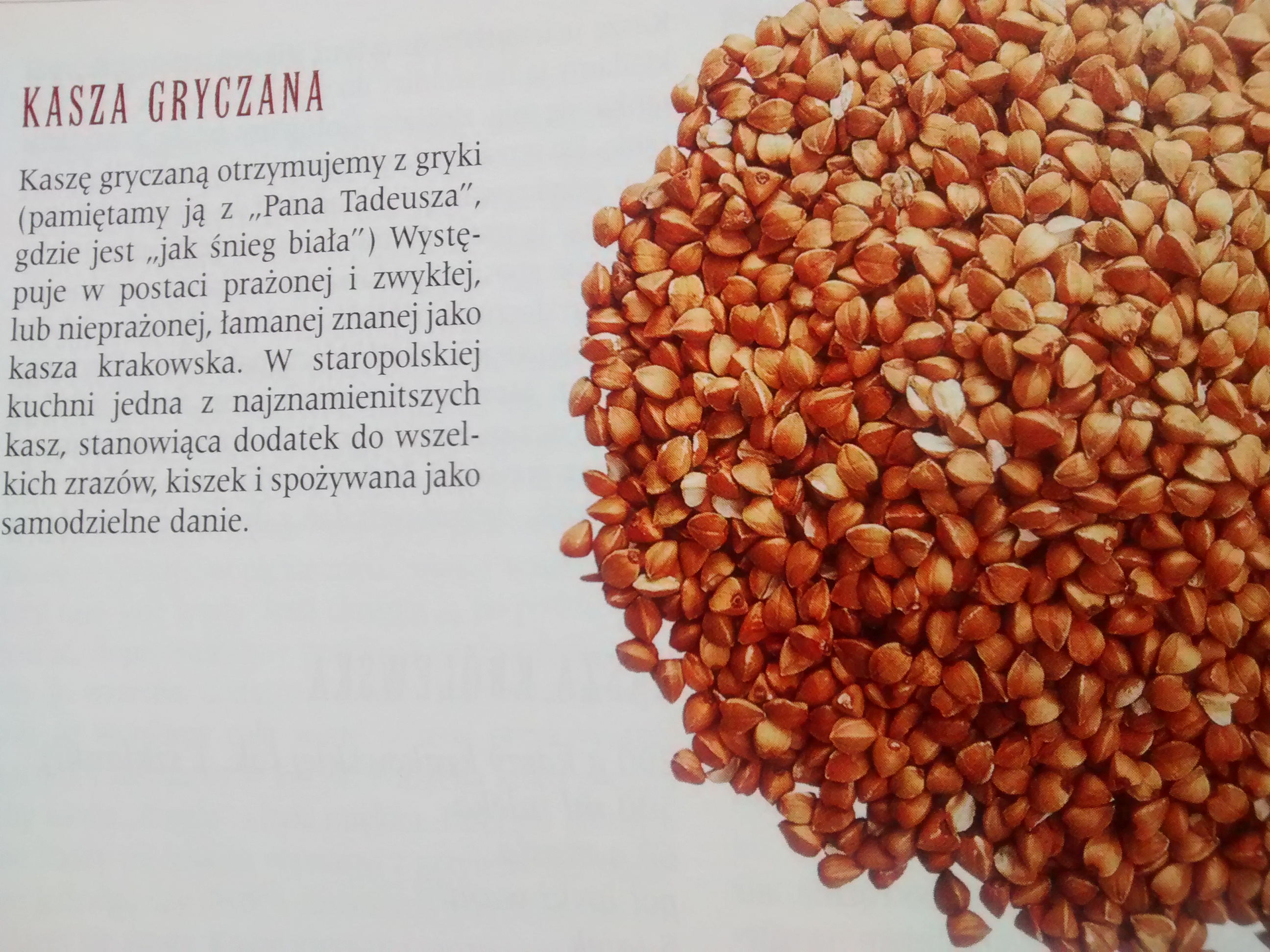
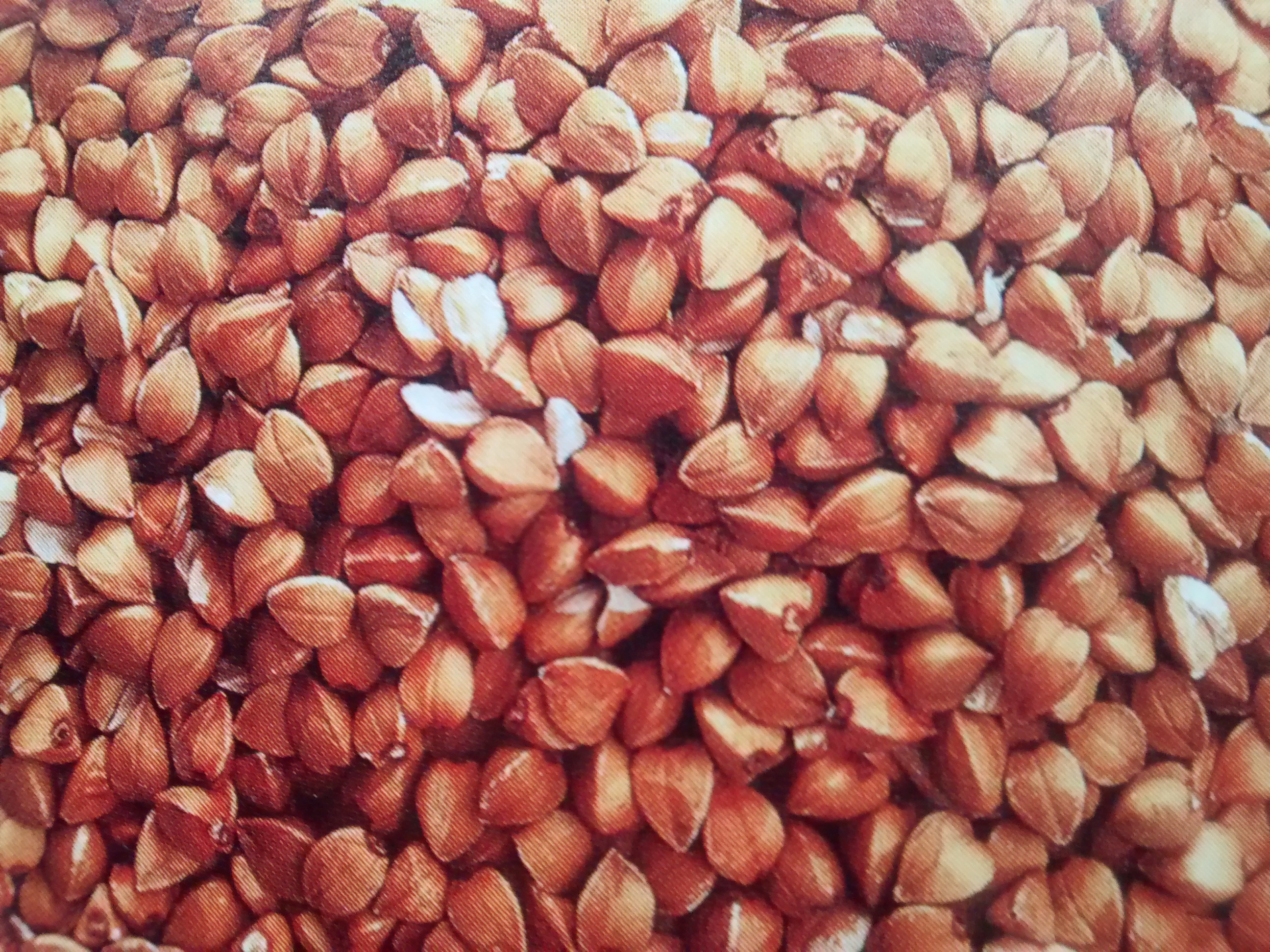
Buckwheat (Fagopyrum tataricum) is used very much in Polish cookery as the plant grows well in a cold climate.  Buckwheat requires a well drained soil but without too much fertiliser  –  lots of fertiliser reduces the yield.  It is not in fact a grass or cereal crop but the flour is used in much the same way as wheat.

Buckwheat is related to sorrel and rhubarb and has small triangular seeds. The plant originated in South East Asia and then was brought to Europe.

I have read that it came to Poland via Manchuria and Siberia but the Polish word for buckwheat –  gryka indicates that it came from the Greeks – I have also read that the plant was brought to areas of what are now  Eastern Poland, Russia & the Ukraine in the 7th century by Byzantine Greeks. 

Another regional word used in Polish for buckwheat is hreczka – this again suggests a Greek origin.

Photographs from the book Kuchnia Polska by Maciej Kuroń

IMG_20160727_120344274 IMG_20160727_120326637


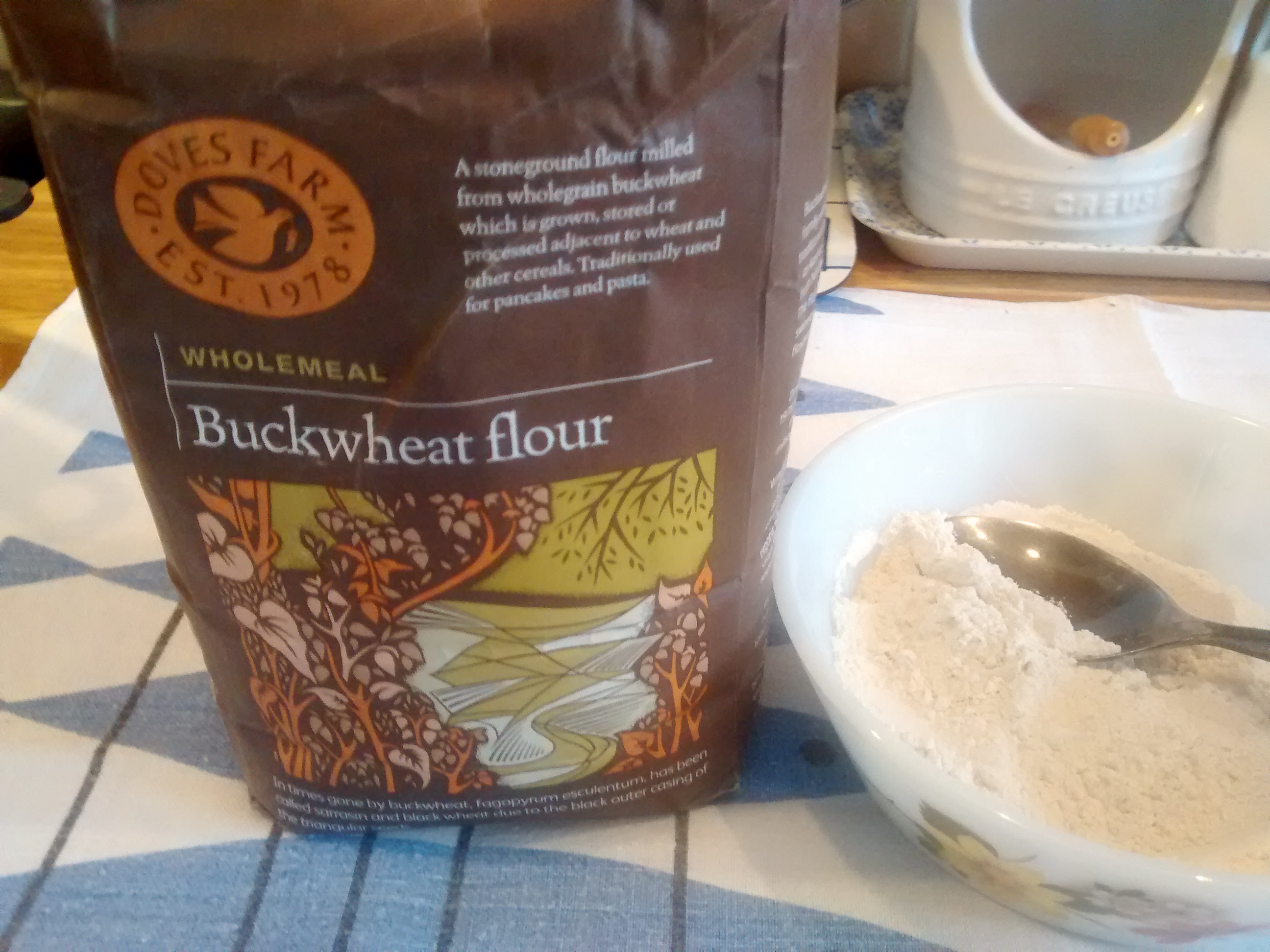
The triangular seeds have a strong scent which is quite distinctive and the flour is grey/speckled black in colour.  It is mixed with wheat flour to make pancakes and bliny.

IMG_20160727_063737039


  • Bliny are popular in Eastern Poland and in the  area called Kresy – the Eastern Borderlands –  from where both my parents came as well as in the Ukraine and Russia.
  • The word bliny is plural – I doubt very much if the singular blin is much used!
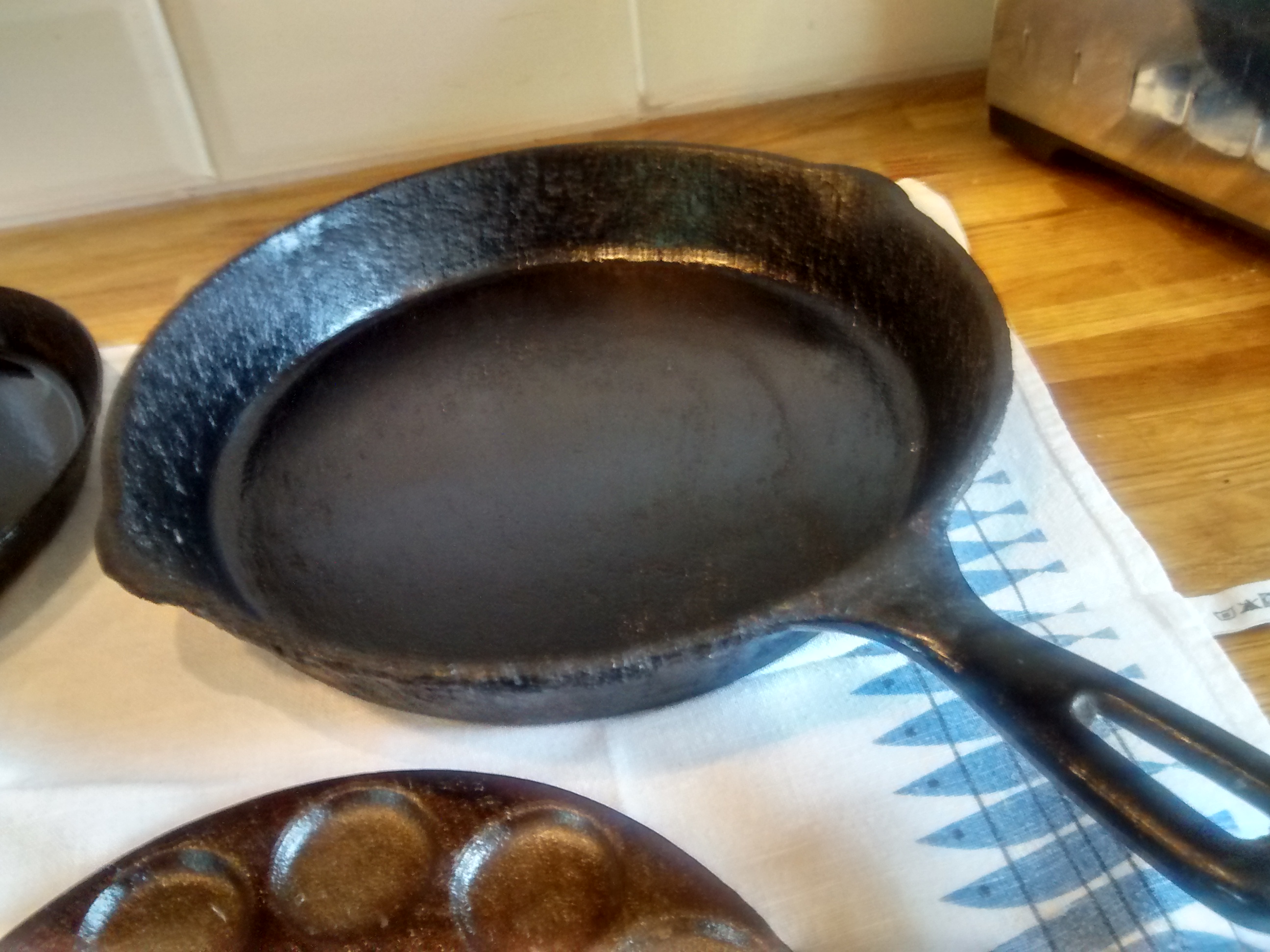
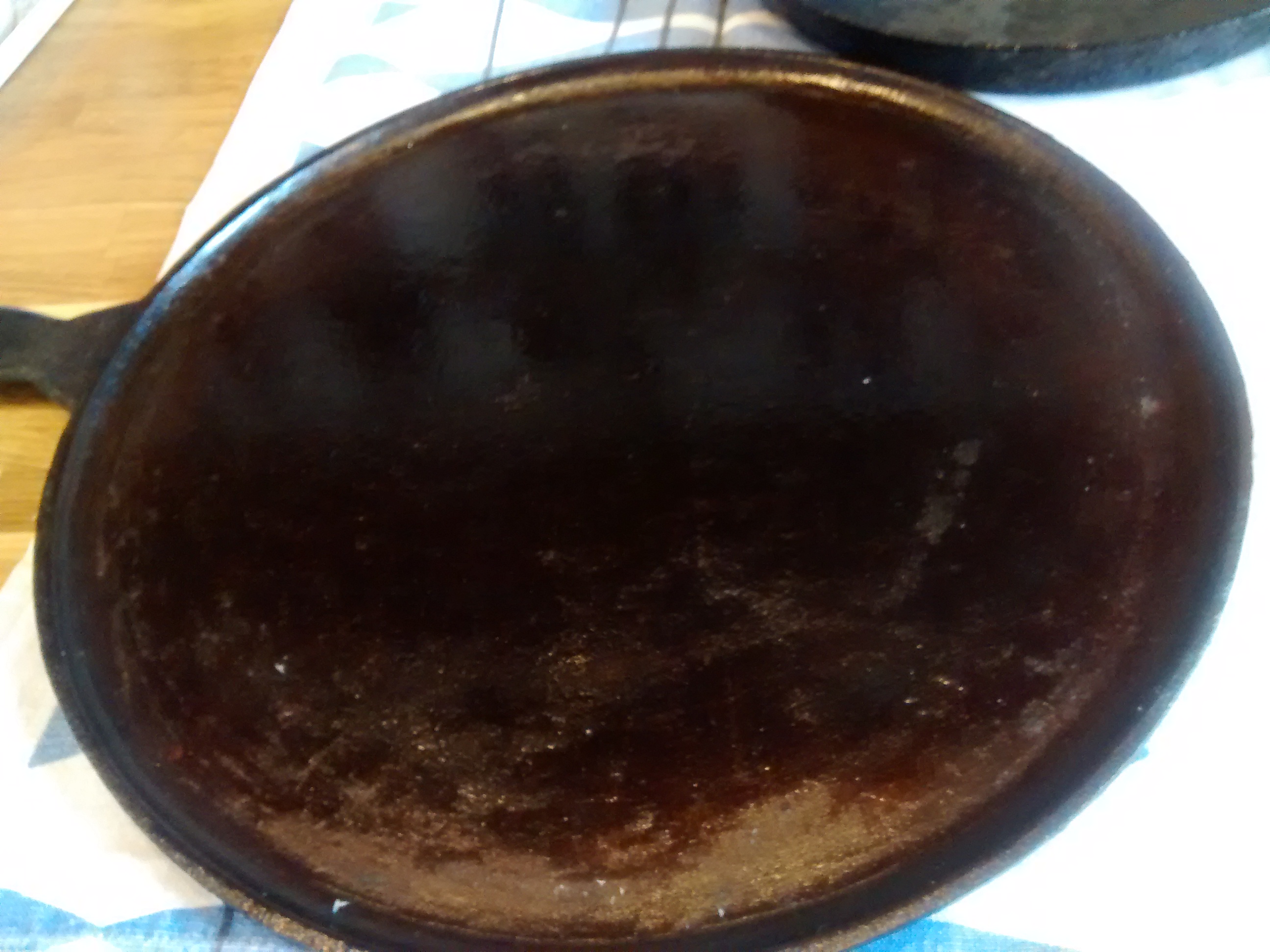
  • Bliny are best cooked on a griddle or a cast iron frying pan.
  • Bliny are small risen pancakes made using yeast  they are  in the American style of pancake.

IMG_20160726_154754099_HDR


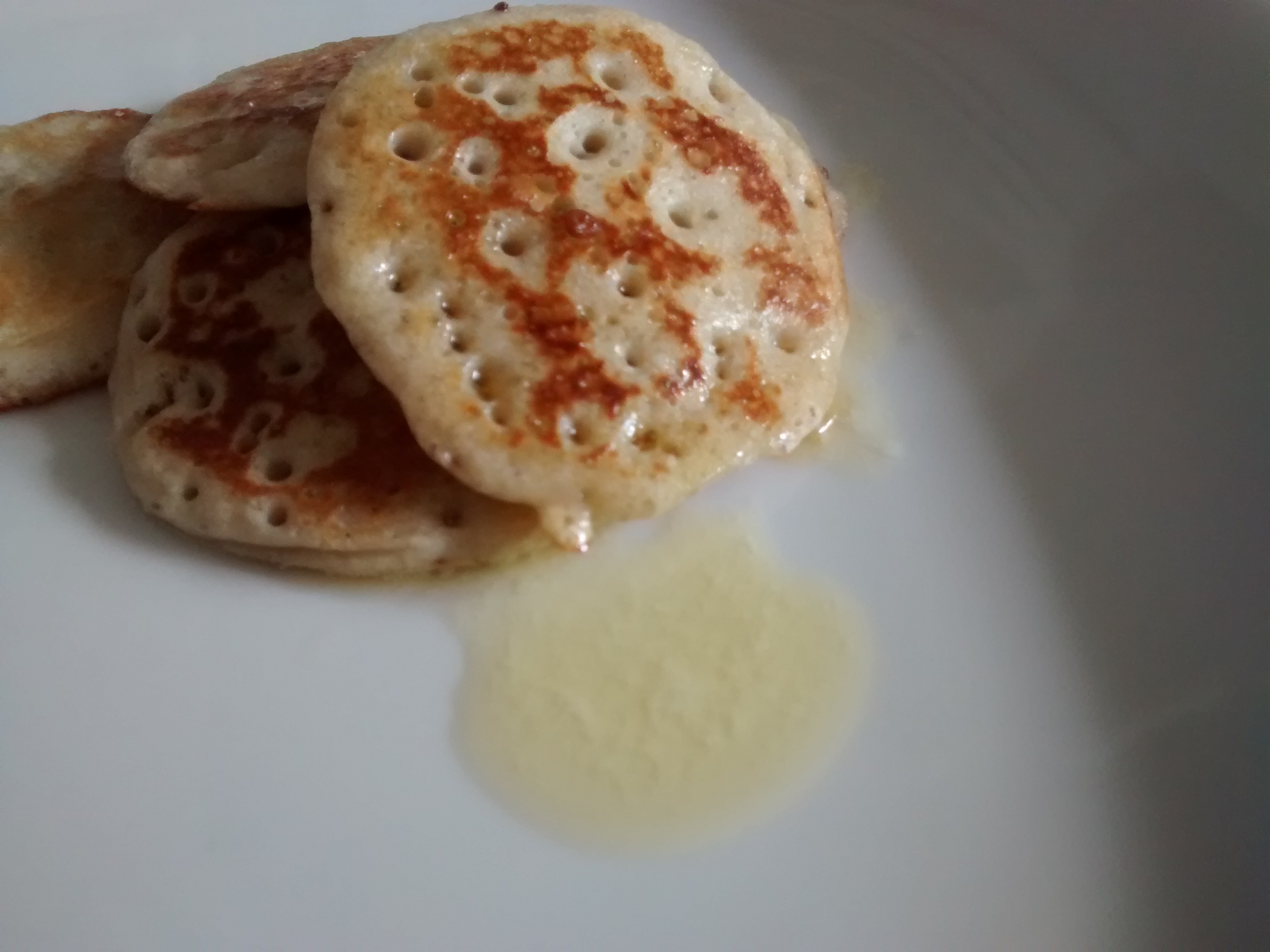
Bliny can be served warm or cold – I much prefer them warm!

Bliny

Ingredients

  • 80g plain flour
  • 80g buckwheat flour
  • 1 egg
  • 125 ml warm milk (full or semi-skimmed)
  • 125 ml warm water
  • 25g fresh yeast or 1 tablespoon of dried yeast
  • 1 tablespoon of sugar
  • 1 tablespoon of melted butter
  • Pinch of salt

Method

Put the yeast, sugar and milk in a bowl and leave to rise. (You can place this over bowl of warm water).

IMG_20160727_114311327
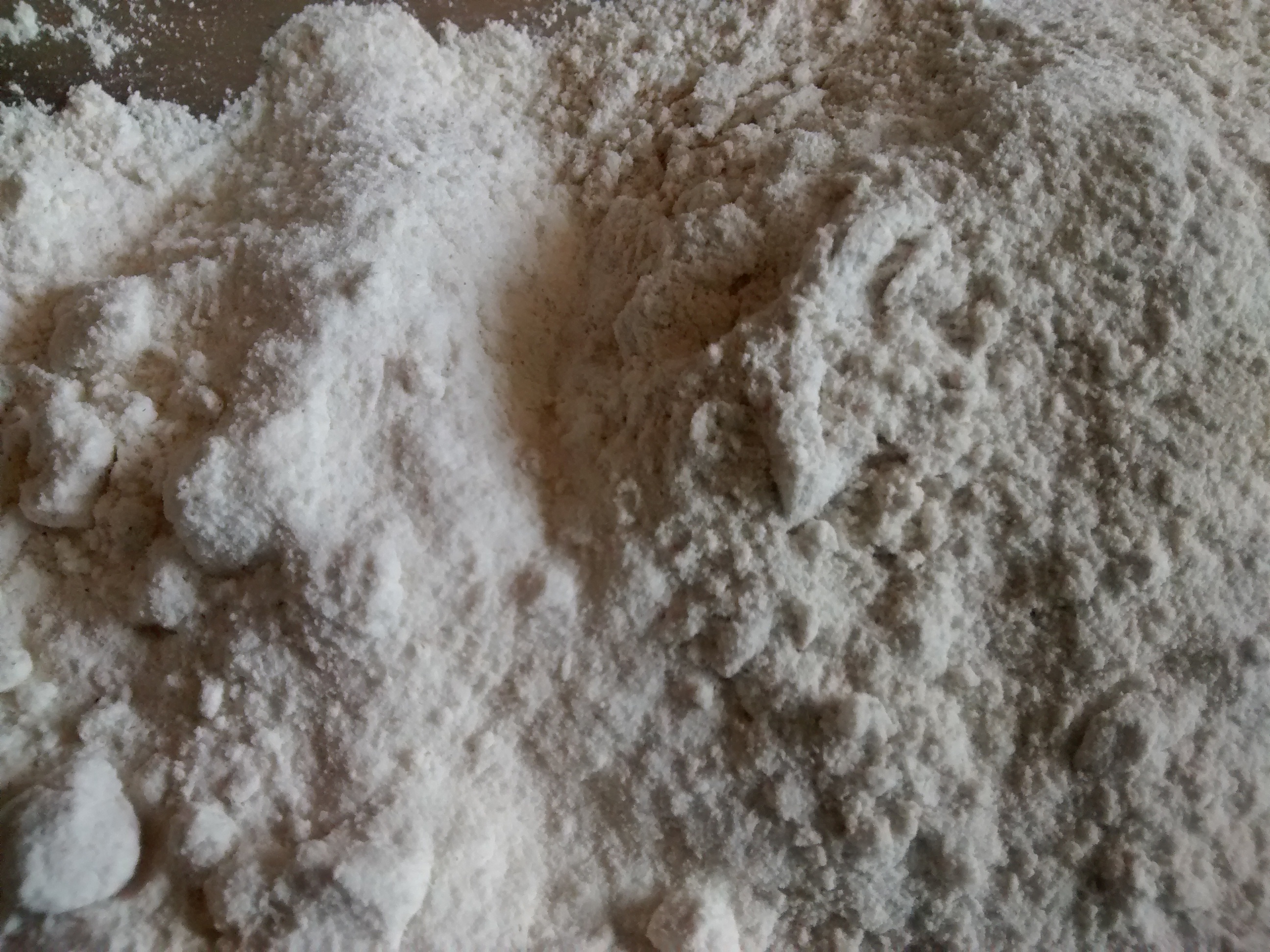
Wheat Flour & Buckwheat Flour


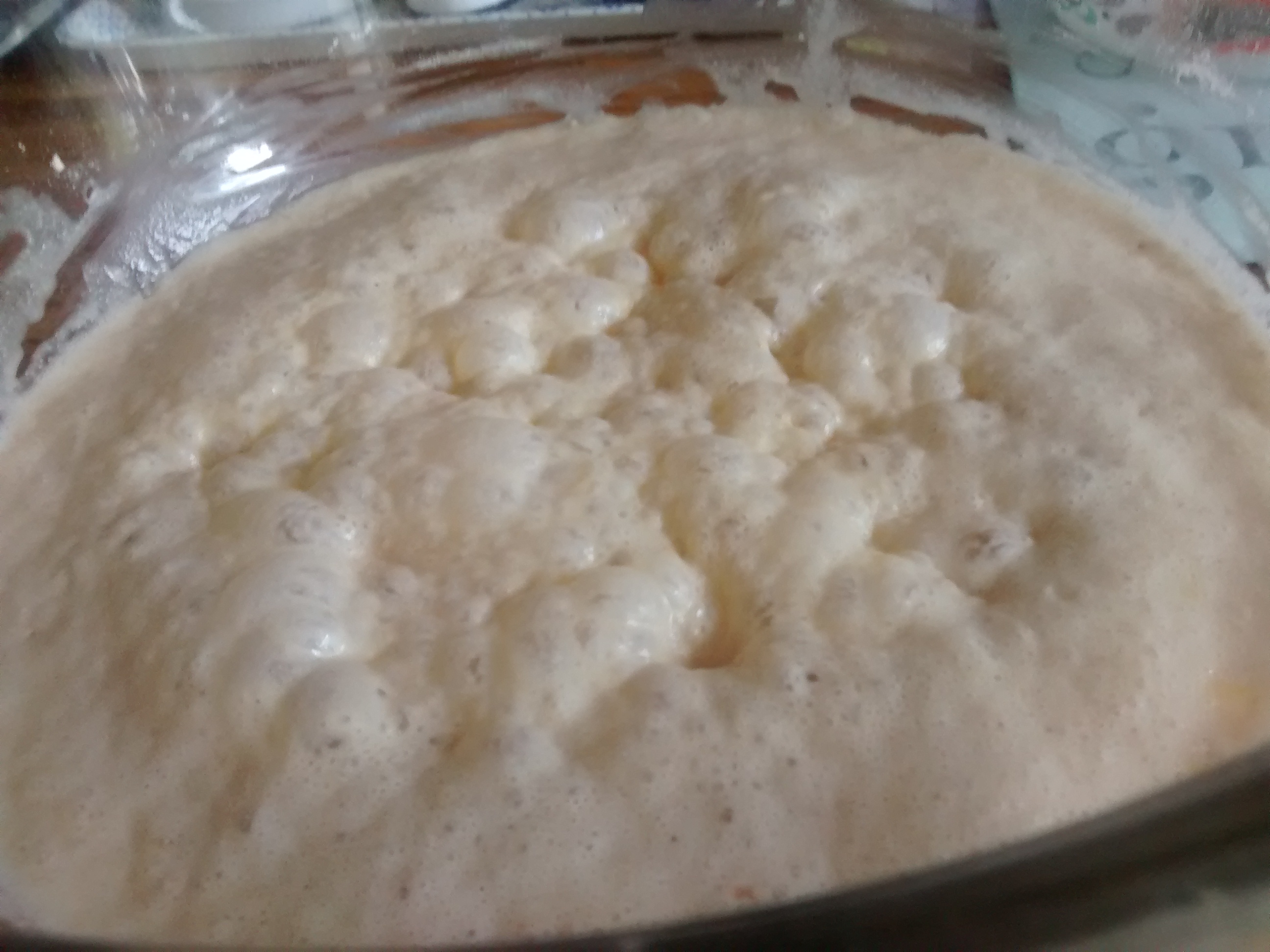
  • In a large bowl mix the flours together and add yeast mixture and then the beaten egg.
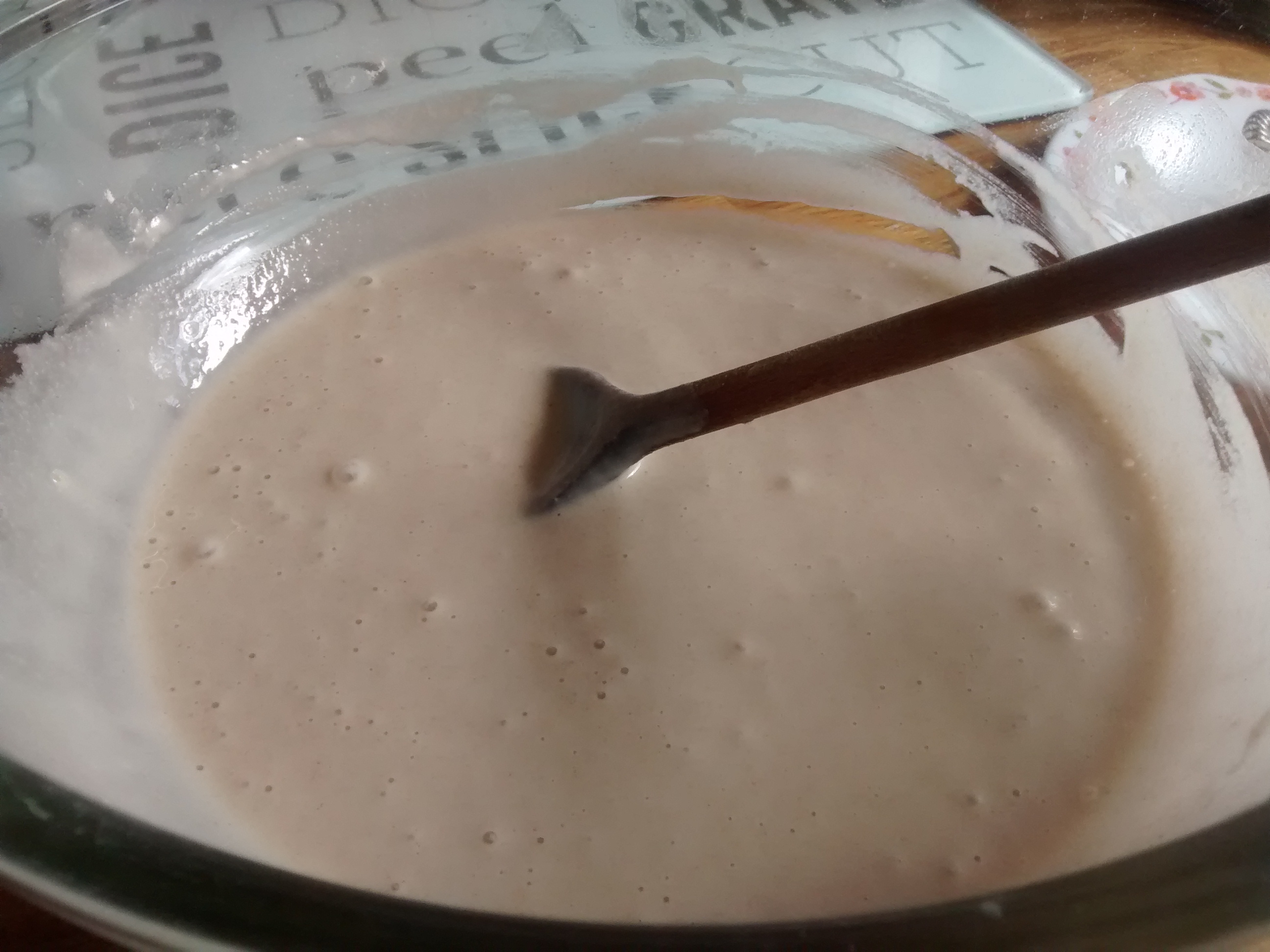
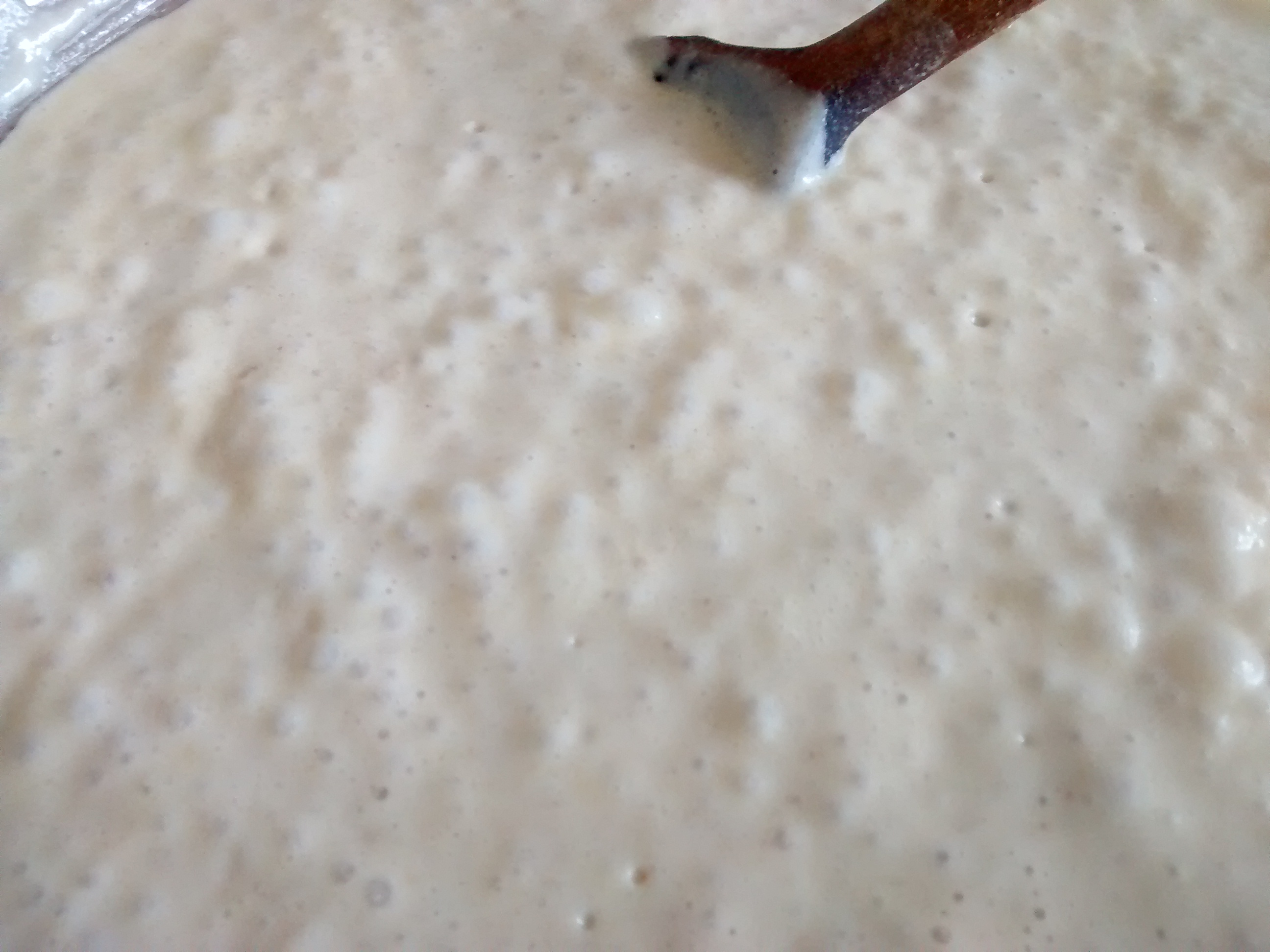
  • Add the water bit by bit until the mixture is like pouring cream, you might not need it all.
  • Add the pinch of salt and the melted butter then cover with a cloth and leave to rise.

IMG_20160728_092149196 IMG_20160728_092344523 IMG_20160728_092333317 IMG_20160728_092512944 IMG_20160728_105025558 IMG_20160728_105042723


IMG_20160728_105901519_HDR IMG_20160728_105855880


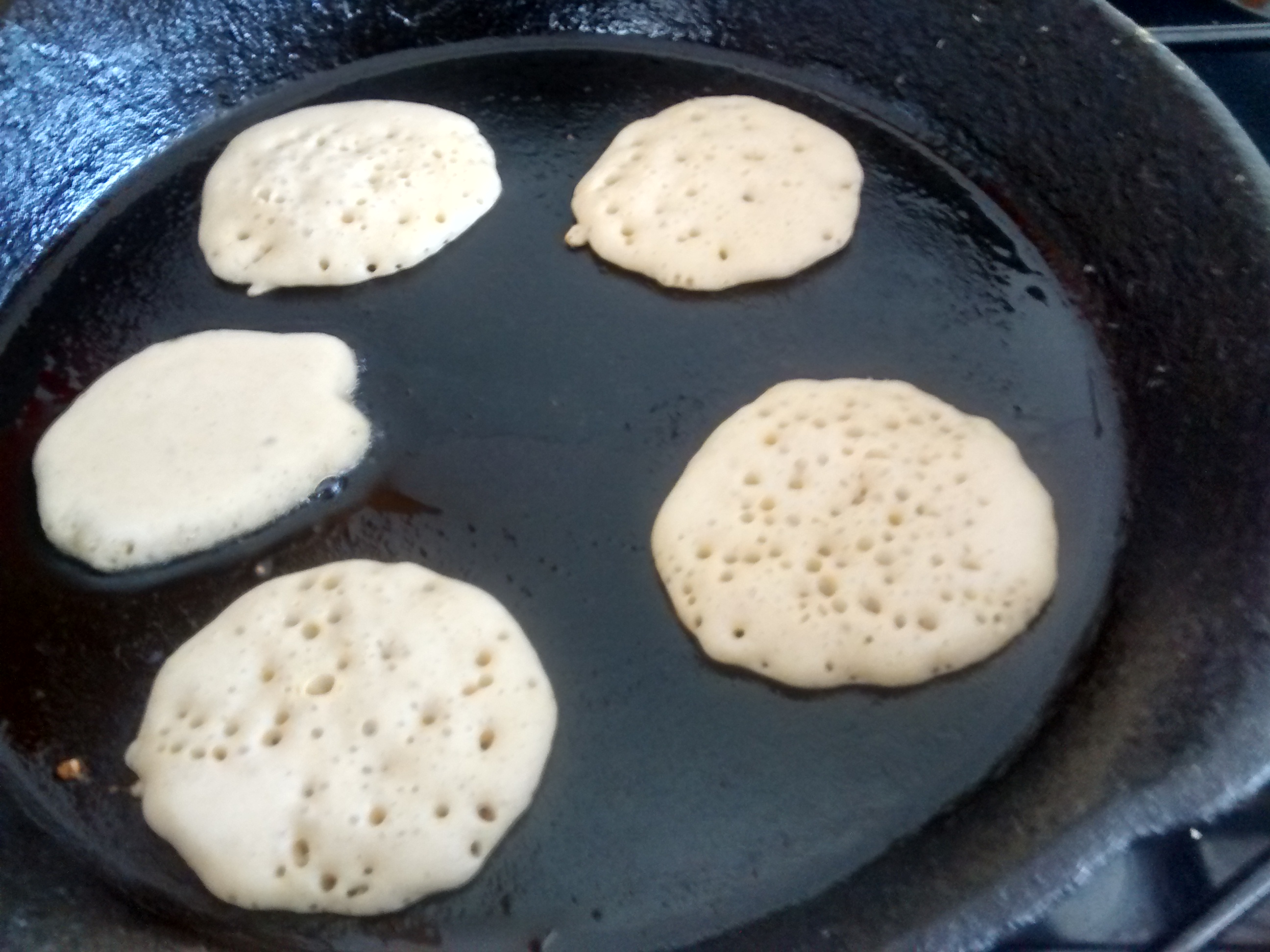
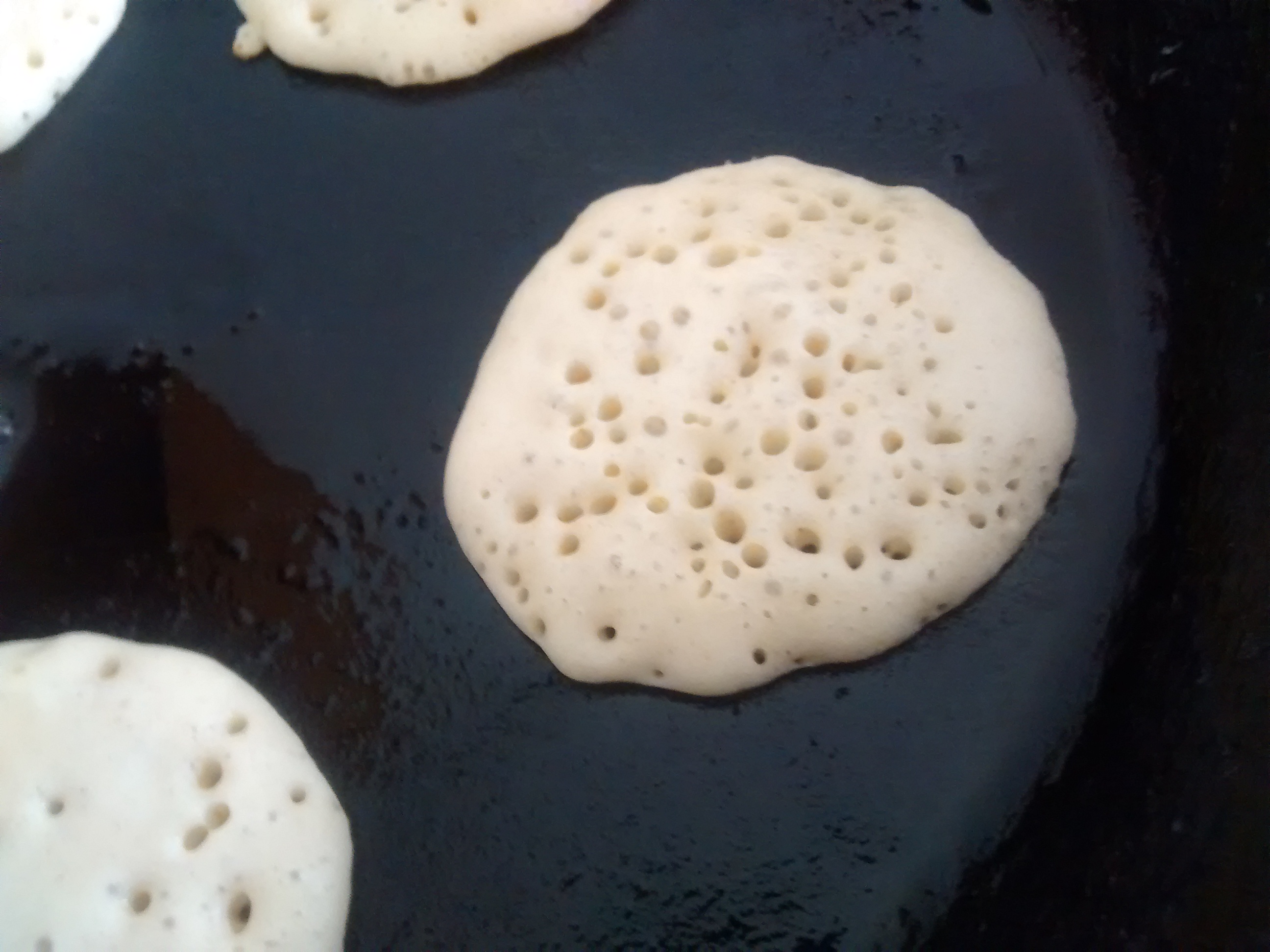
  • Use the risen batter to make small pancakes by using 1 large tablespoon per pancake –  I make 3 or 4 at a time in my  lightly greased cast iron pan.
  • Once you get the pan hot, lower the heat to a steady low so as not to burn the bliny.
  • Once they are cooked on one side, turn then over using a spatula and cook for a few minutes more.

IMG_20160728_105937003


Serving suggestions

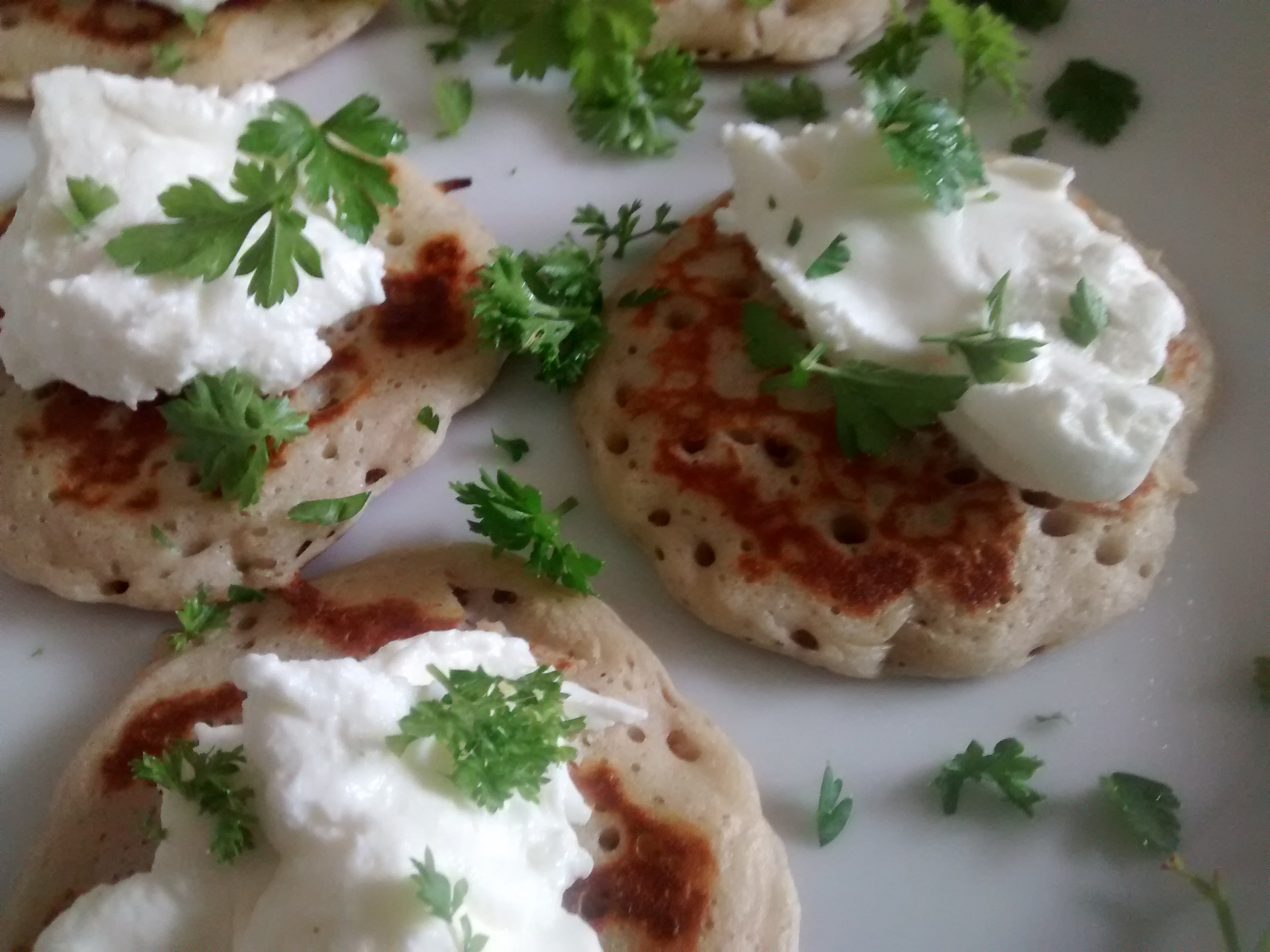
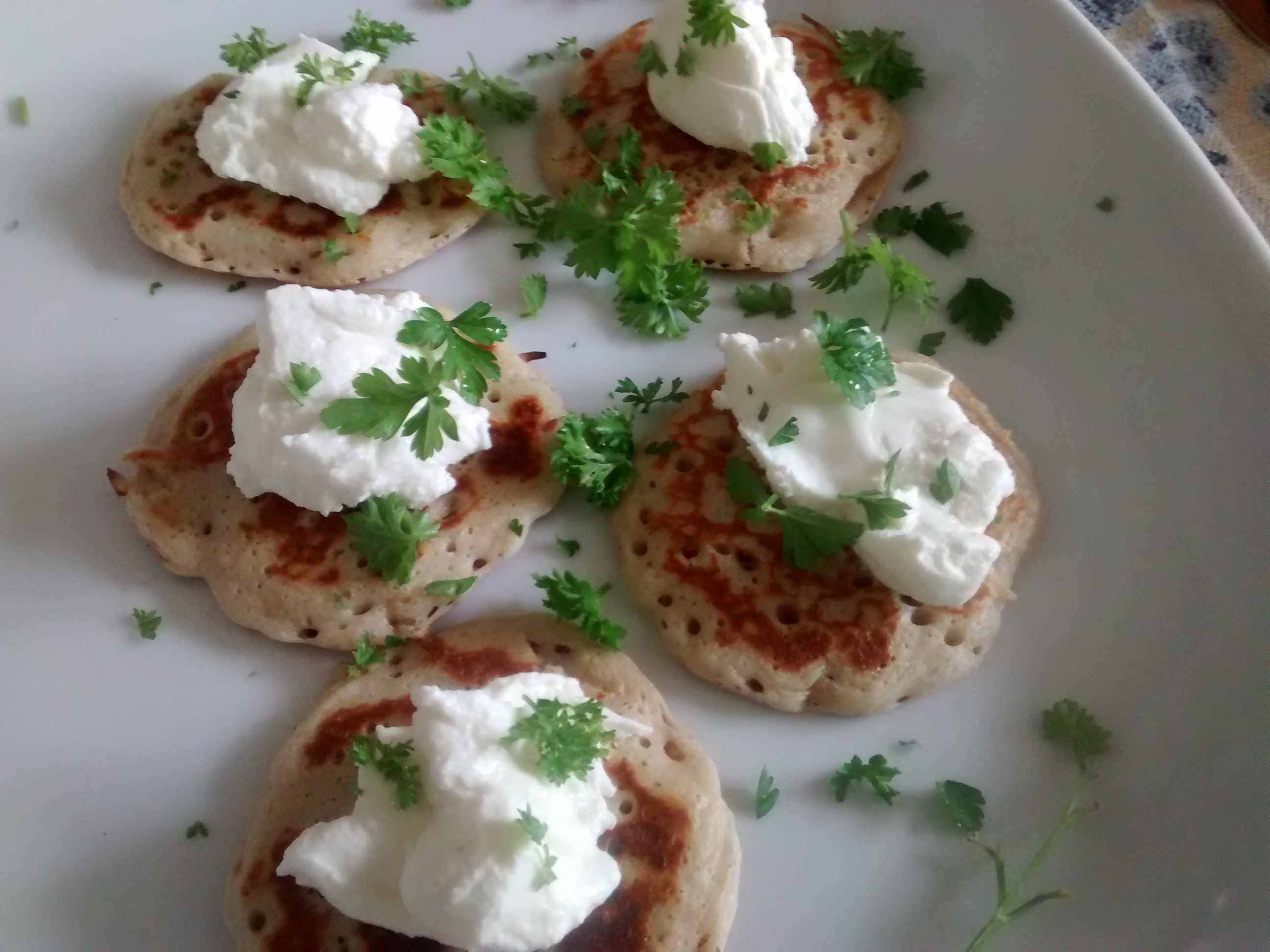
Serve the bliny with any of the following: melted butter, soured cream, twaróg, yoghurt cheese or cream cheese,  smoked salmon,  pickled herrings or even caviar,  gherkins, fried onions, skwarki (crispy bacon bits) fried mushrooms and one of my favourites a fried egg.

IMG_20160728_110728618
Served With Yoghurt Cheese and Chopped Parsley

IMG_20160728_110732377


IMG_20160728_110116268
Served with Melted Butter


Buckwheat Pancakes

These are thin pancakes and are also very popular in Northern France where they are called gallettes de sarrasin.

The French for buckwheat is  sarrasin or blé noir.

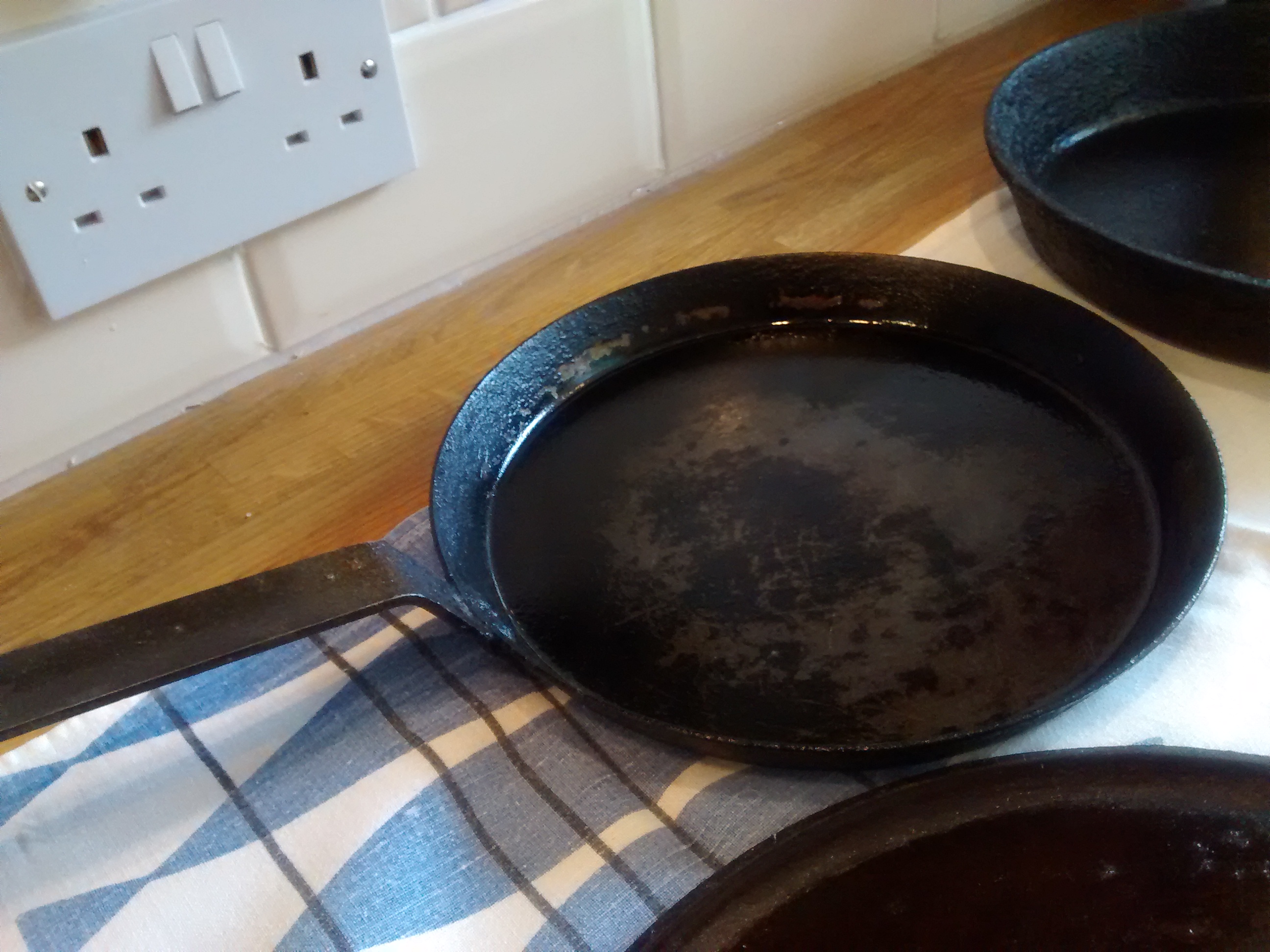
Many years ago whilst on holiday in France I bought and brought home a very large French pancake pan.

IMG_20160726_154736455


However on my gas stove it is too large for a good distribution of heat – you get a hot spot in the centre which tends to burn that part – so I use my smaller pancake pan.

IMG_20160726_154823589


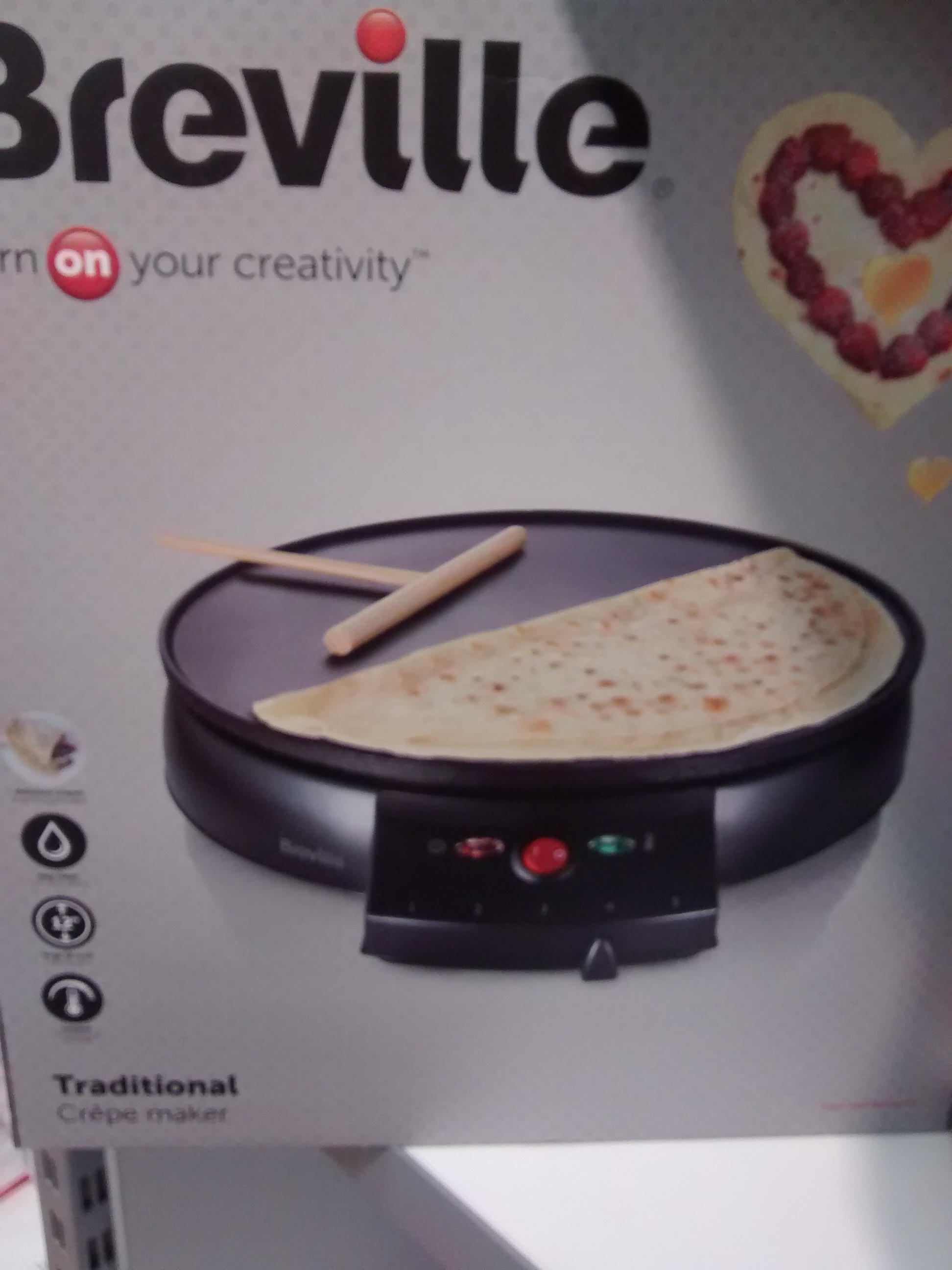
Last week whilst in a department store in Leeds I saw the following – An Electric Crêpe Pan – It might be good.

IMG_20160730_123522083


Ingredients

  • 75g buckwheat flour
  • 25g plain flour
  • 2 eggs
  • 120ml of milk (full or semi-skimmed)
  • 120ml of water
  • 25g of  melted butter
  • pinch of salt
  • Some extra milk might be needed.

Method

Make these in the same way as standard pancakes adding the melted butter after the batter has been standing for about an hour.

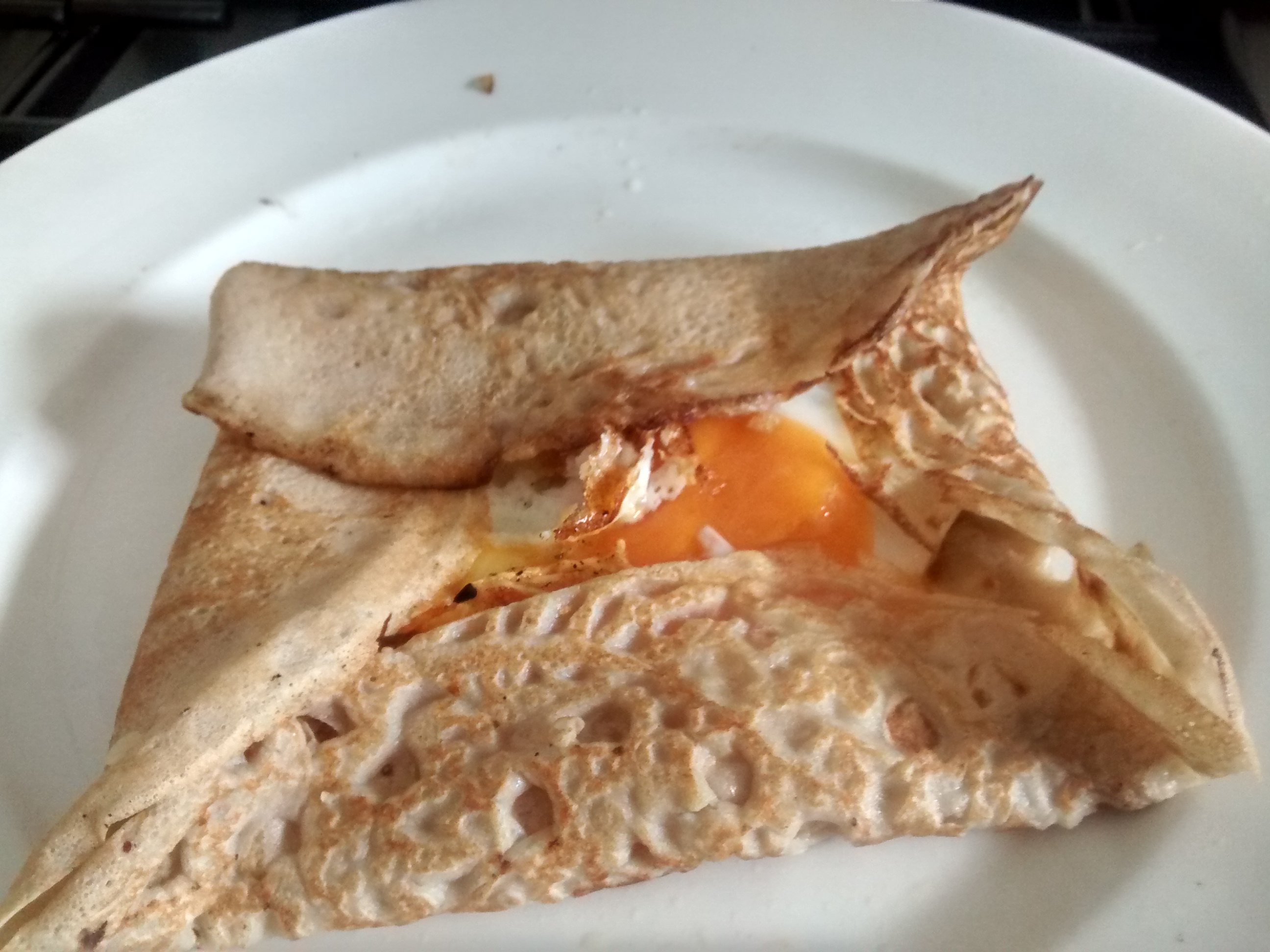
I think these pancakes are best with savoury fillings and my favourite is in fact French in origin, Breton style with a slice of good ham, grated Gruyère cheese and a soft fried egg.

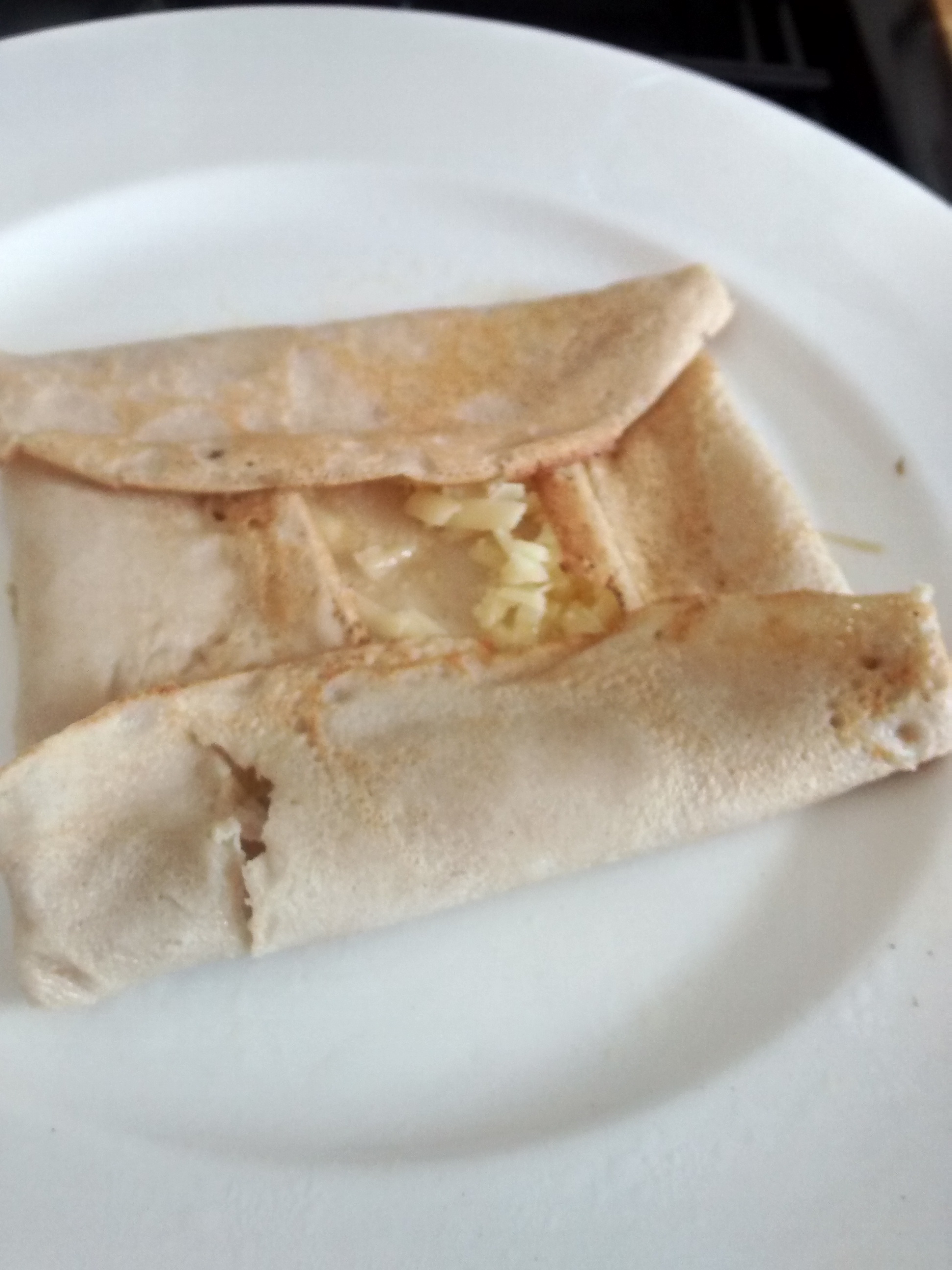
The fillings are put on the cooked pancake and the sides are folded over but with the filling still showing in the centre. (You can put this back on the pan to heat it a little more.)

IMG_20160727_125205566_HDR
Melted Butter & Grated Cheese


IMG_20160727_125233017_HDR


IMG_20160727_130108334_HDR
Melted Butter, Grated Cheese & Fried Egg

IMG_20160727_130152531_HDR

Poffertjes

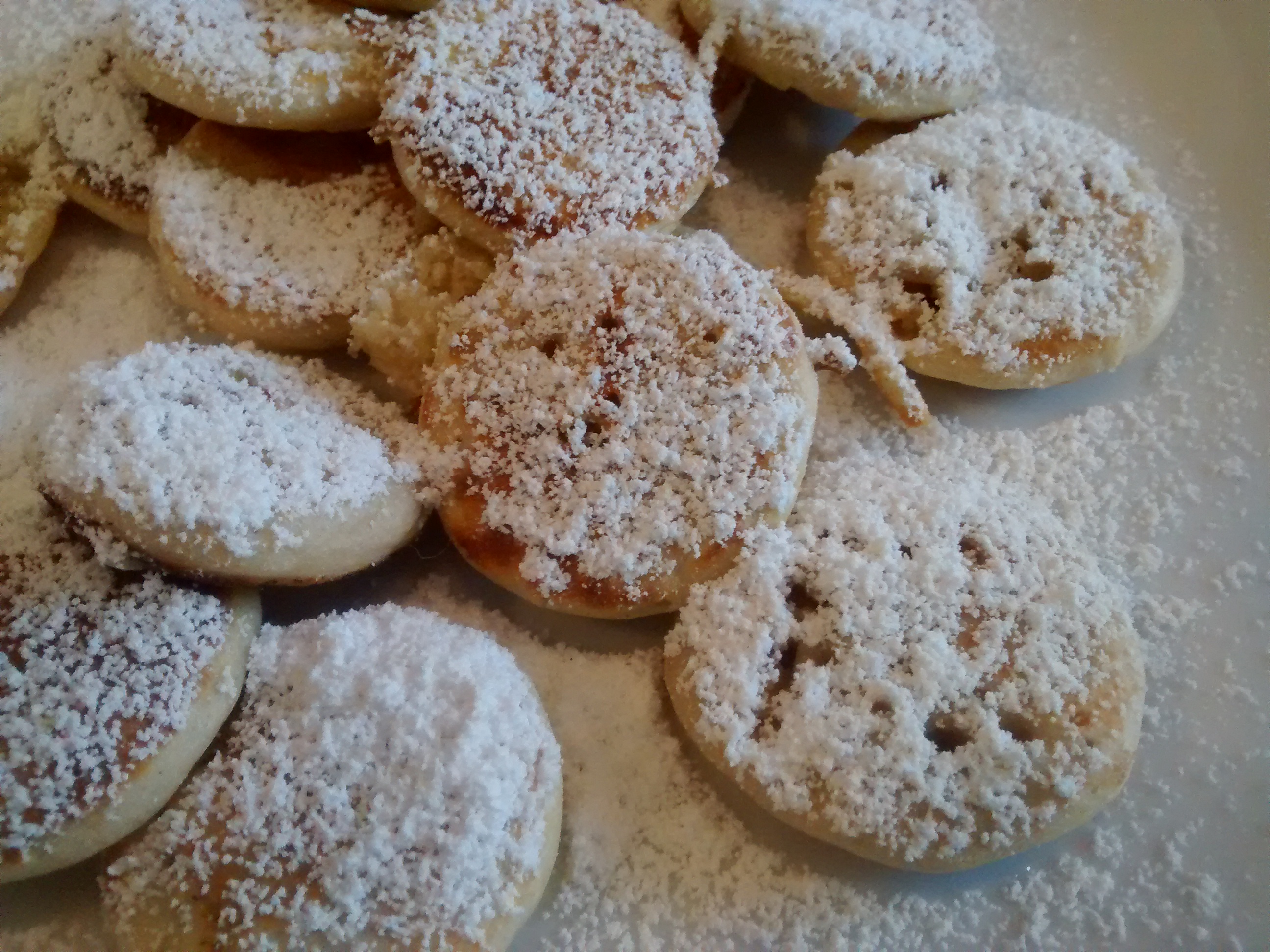
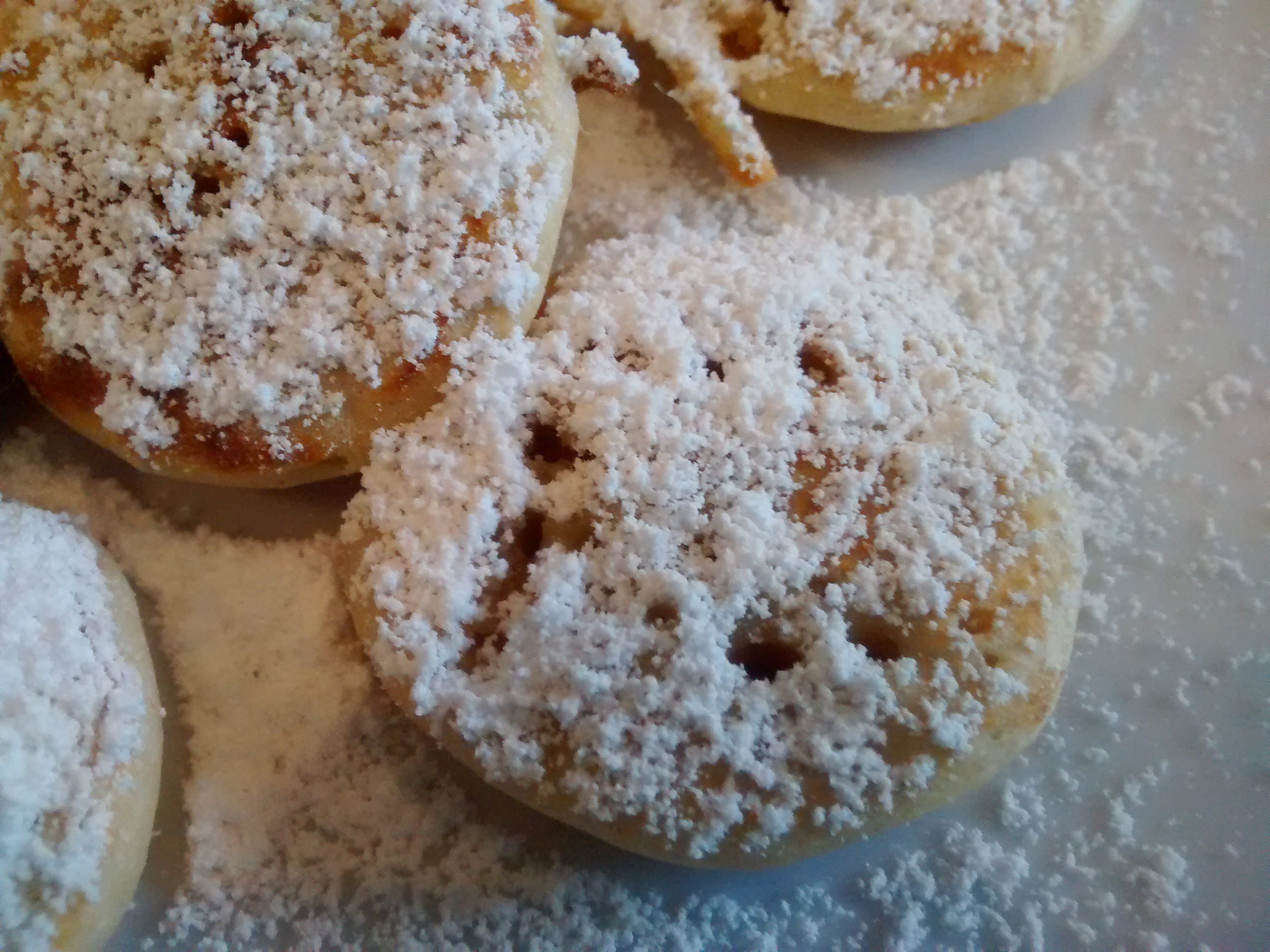
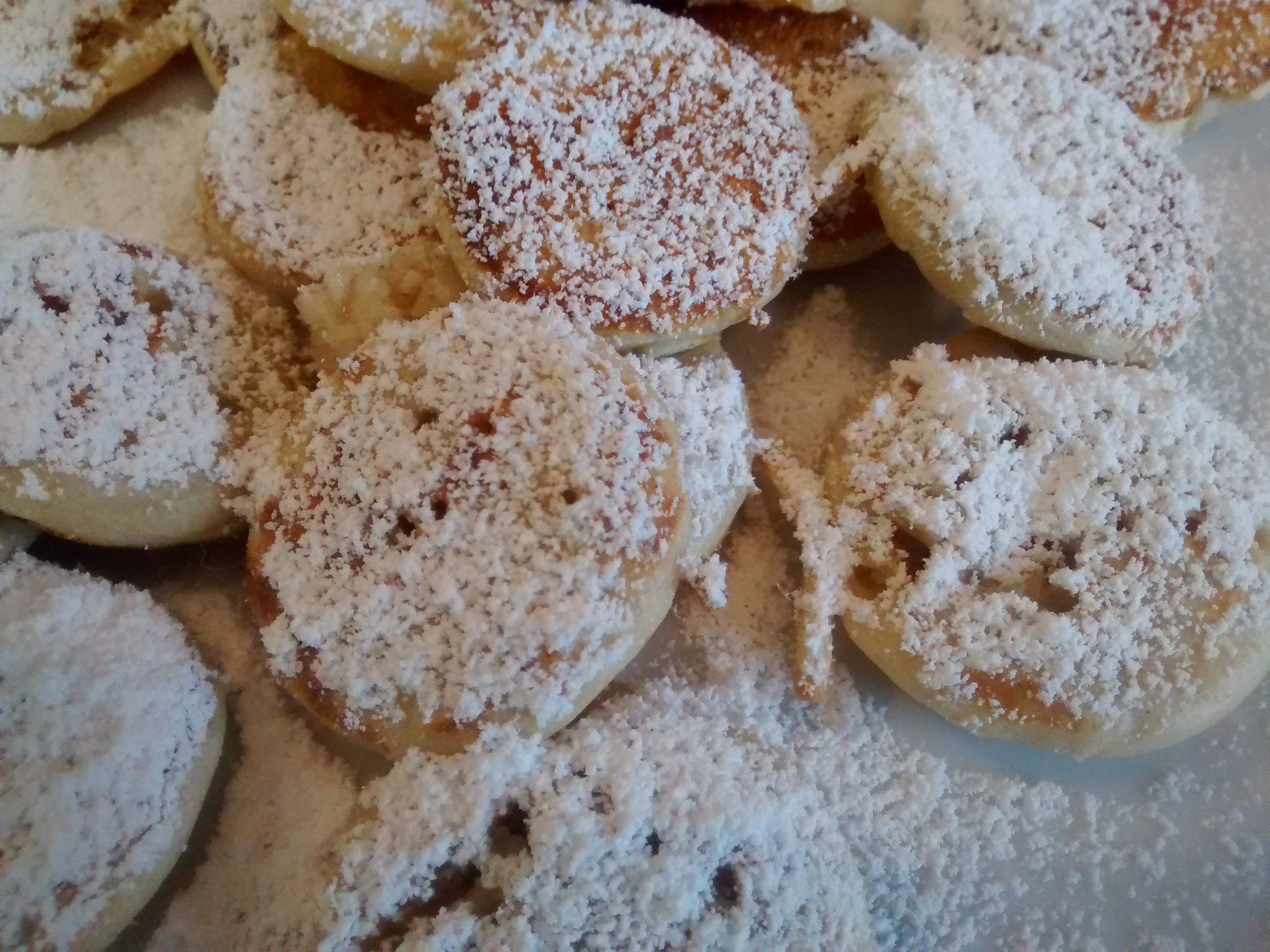
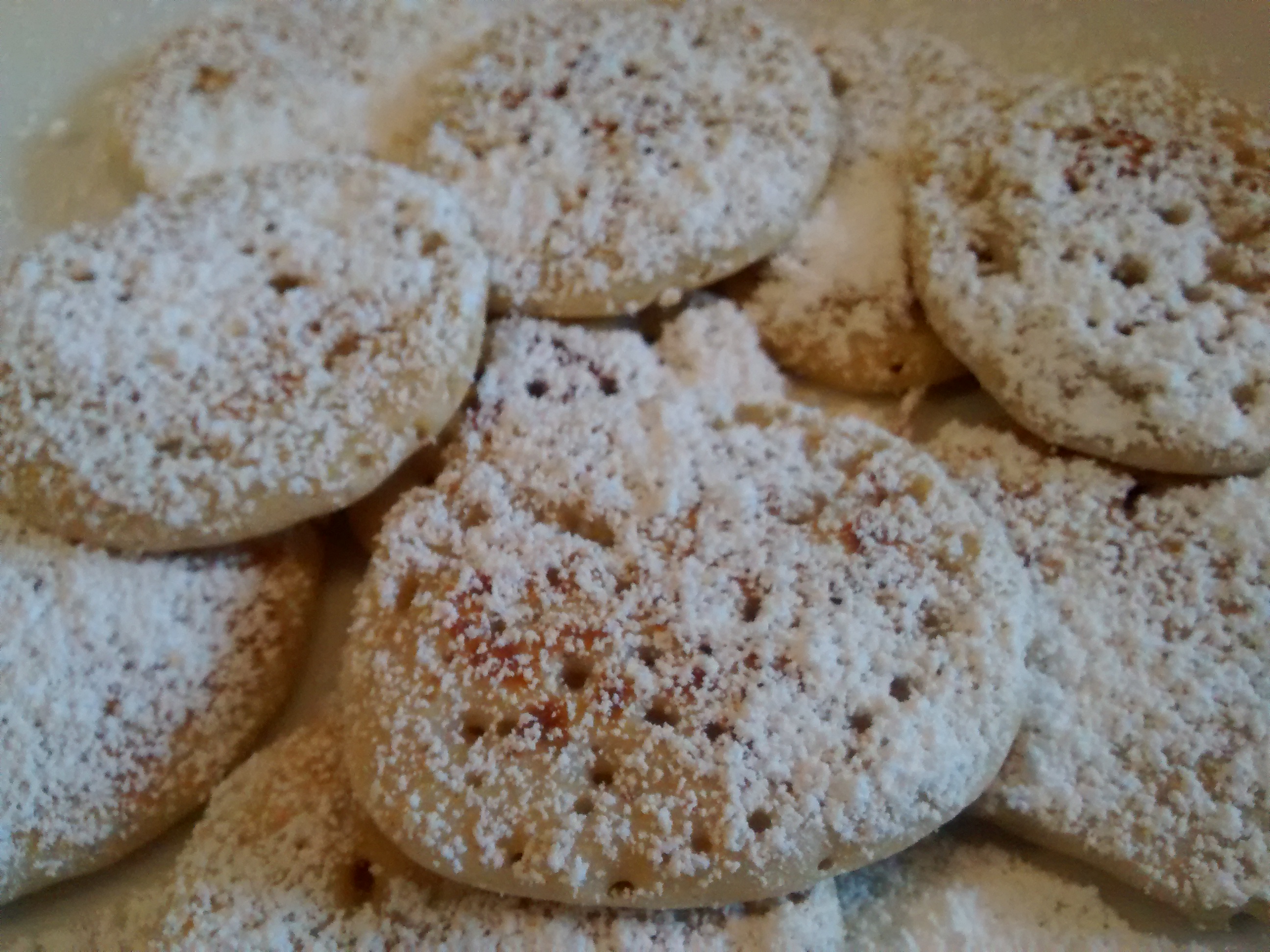
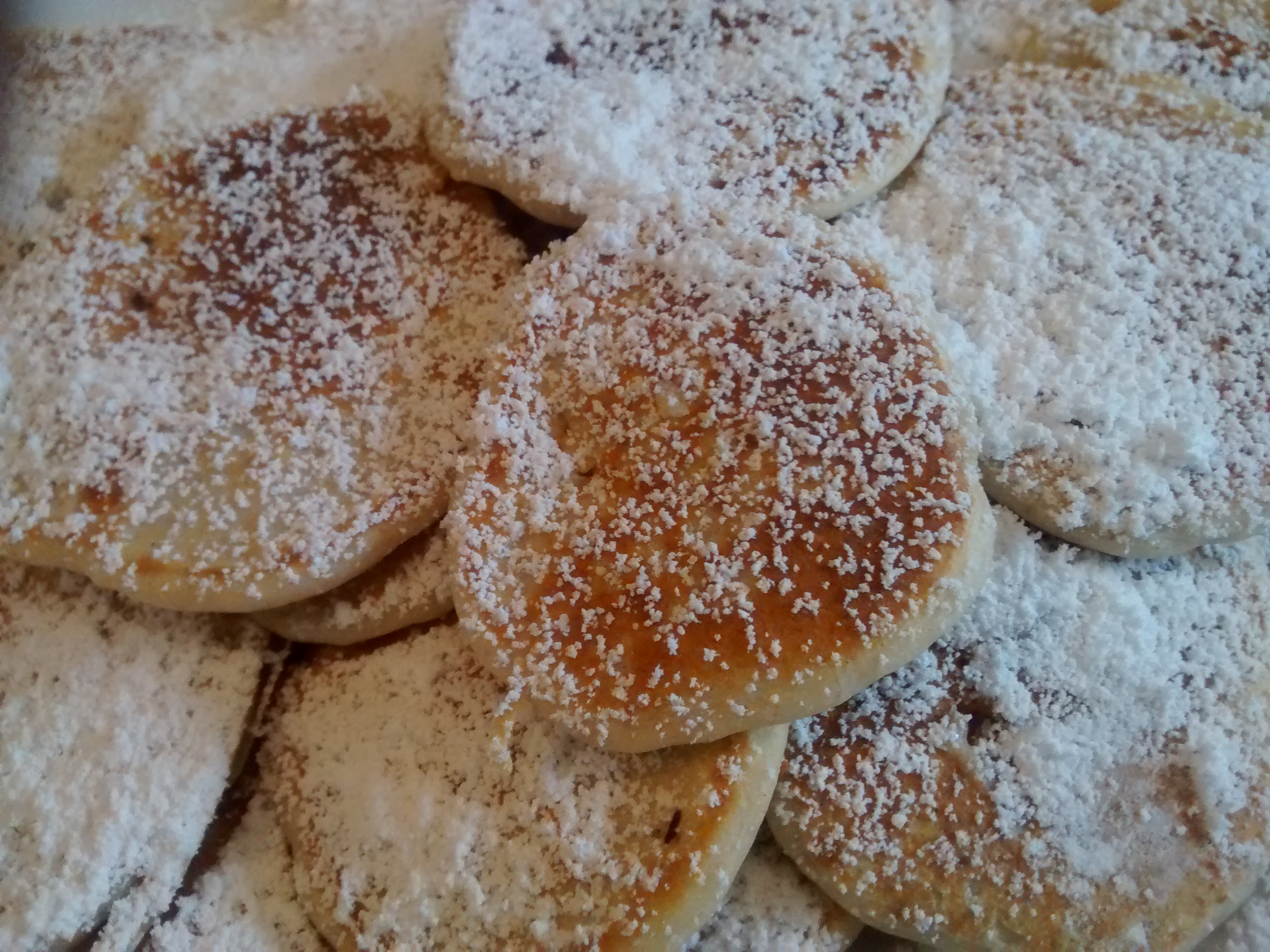
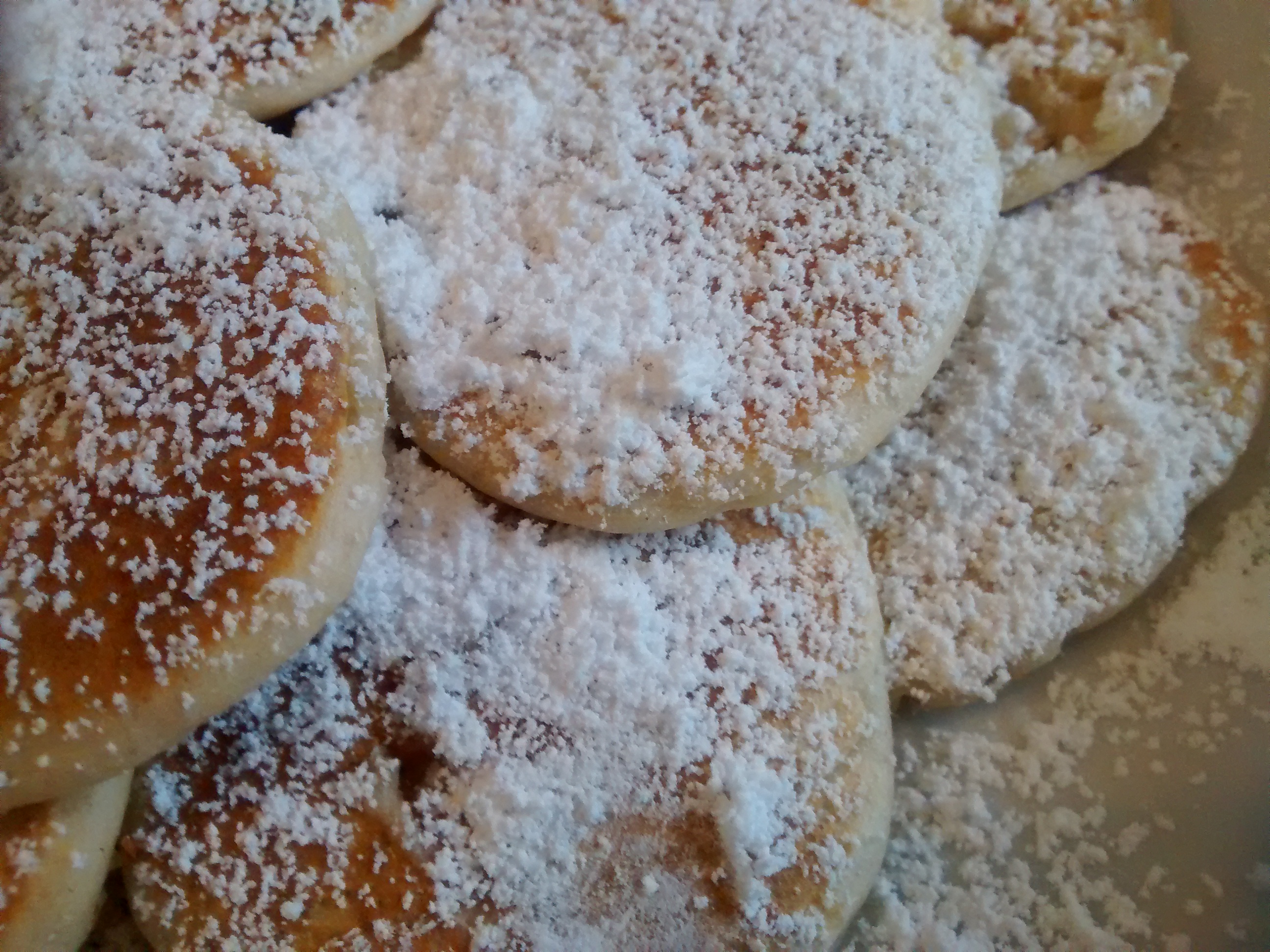
These mini buckwheat pancakes are Dutch in origin and it was only as I was trying out the recipes again that I realised how similar they are to bliny – but these are not served with savoury toppings but with icing sugar.

(The Dutch for buckwheat is boekweit)

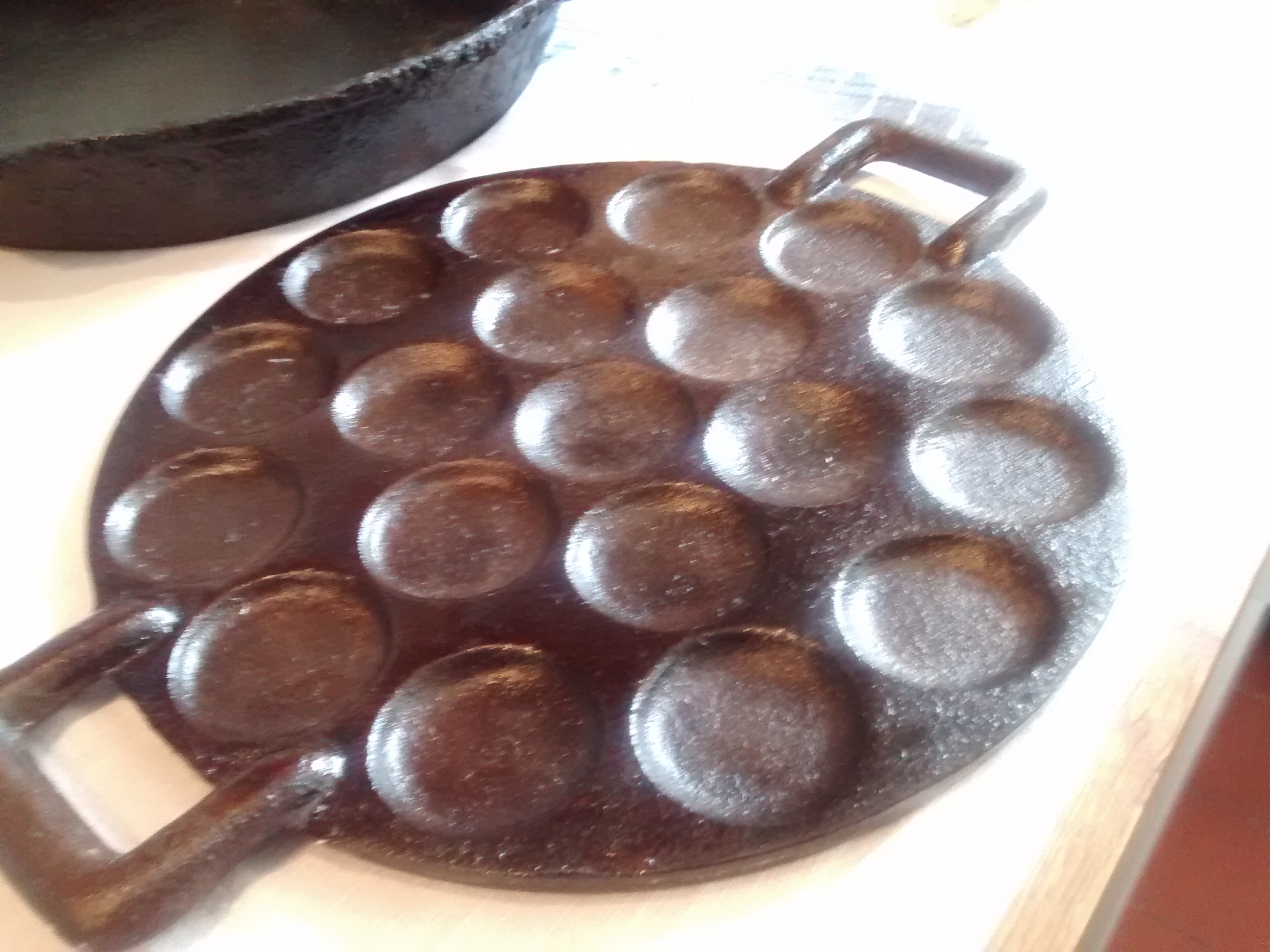
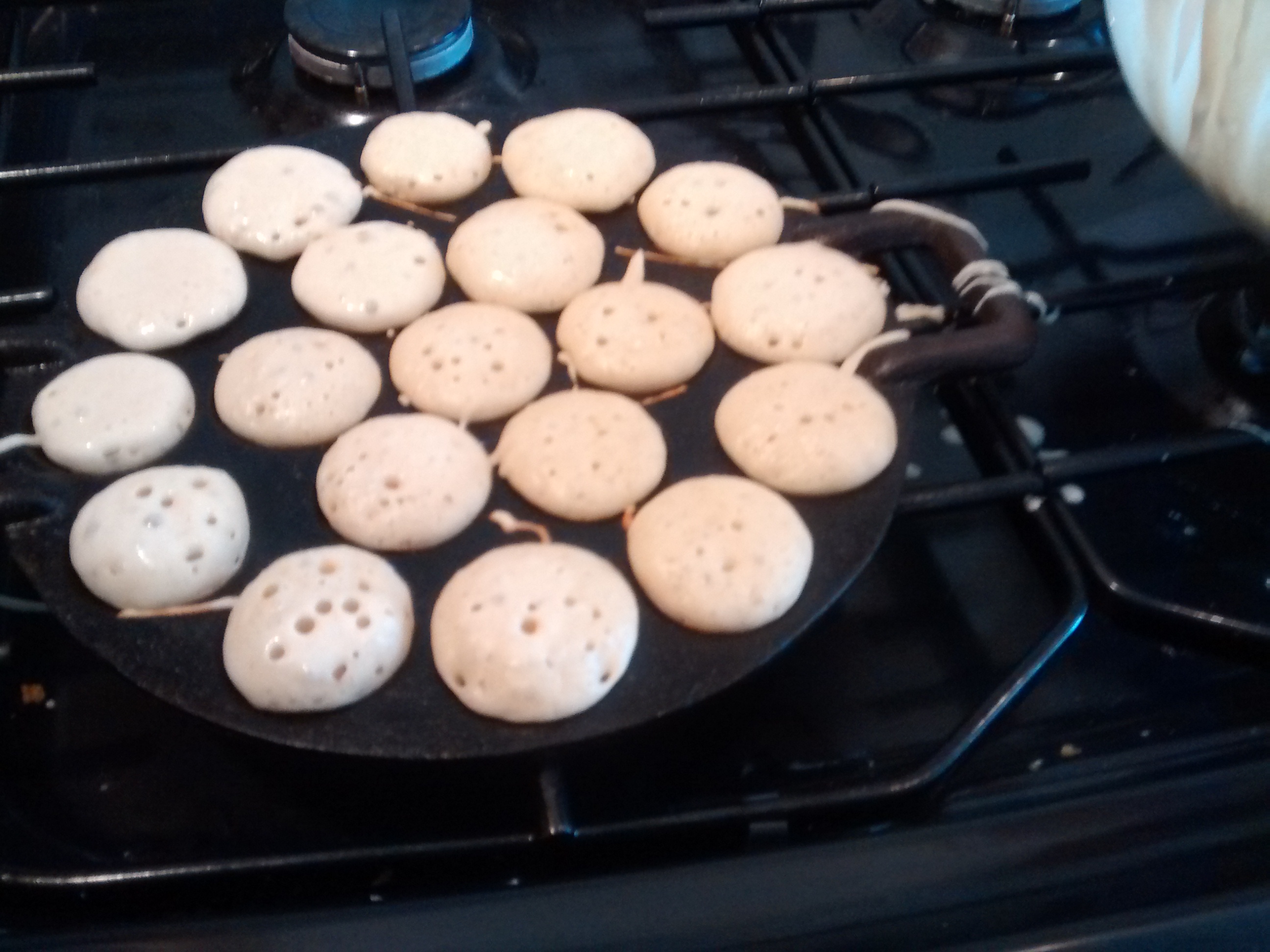
  • Several decades ago when on a visit to The Netherlands I bought a special cast iron pan which is used for making poffertjes .
  • It was in the days before cheap flights & just hand luggage and  I had travelled there by car – not as easy to bring home without.
  • If you do not have access to the authentic pan  you can make them on a frying pan – my cast iron pan works very well.


IMG_20160726_154901789
Cast Iron Proffertje Pan with 19 Indentations

IMG_20160726_154754099_HDR


Poffertjes

Ingredients

  • 10g dried yeast
  • 1 teaspoon sugar
  • 125g buckwheat flour
  • 125 plain flour
  • Pinch of salt
  • 1 egg
  • 350ml of full fat or semi-skimmed milk – warmed slightly
  • 1 tablespoon of  butter – melted
  • Icing sugar to serve.

Method

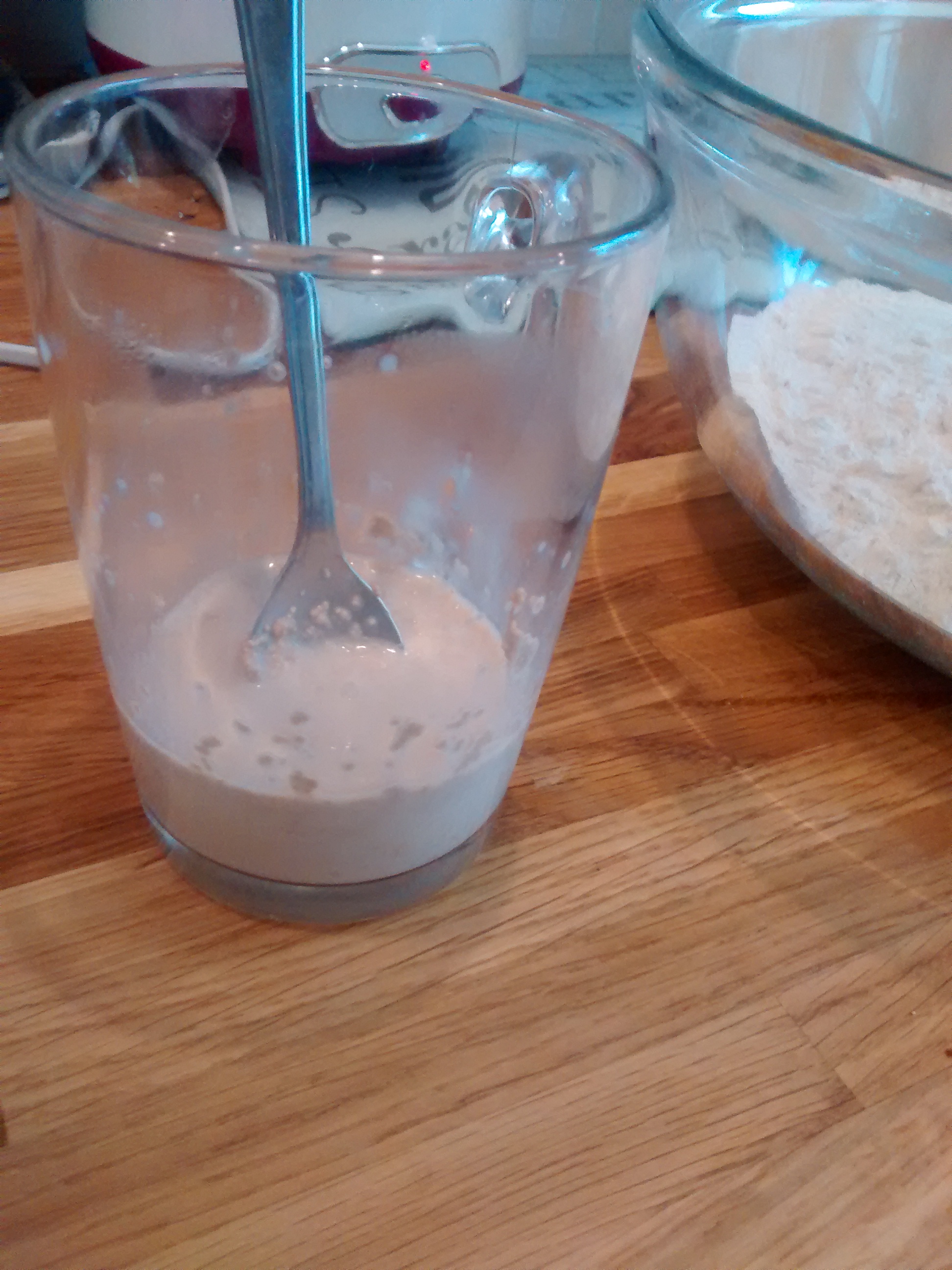
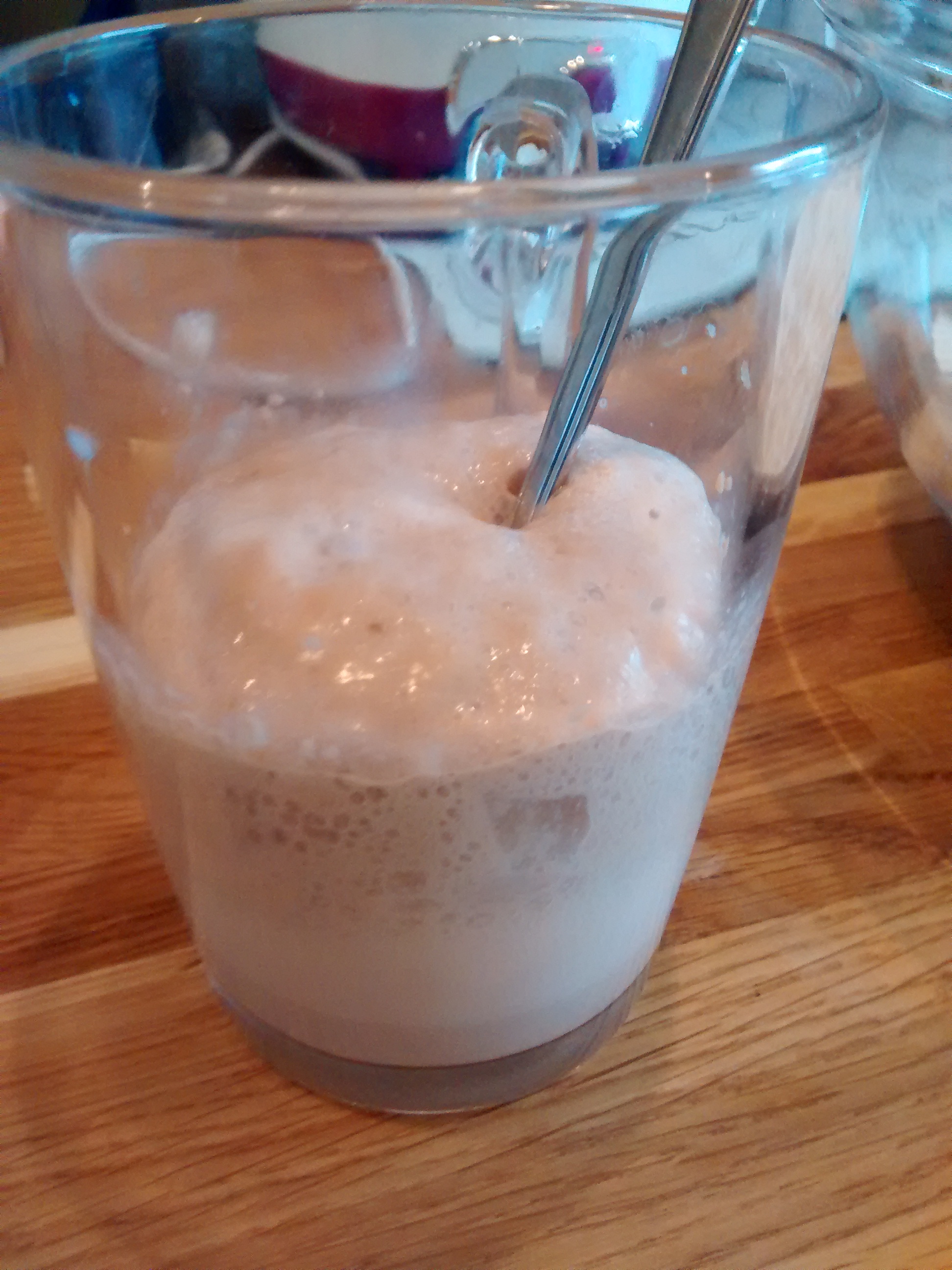
  • In a small bowl or jug dissolve the sugar, the yeast and around 50 ml of the milk.
  • Leave for around 10 minutes or so as  it froths up.

IMG_20160729_131108738


IMG_20160729_133101810


  • In a separate bowl, combine the  buckwheat and wheat flours, salt, egg, yeast mixture and half the remaining milk and mix well.
  • Now add the remaining milk  until the mixture is like double cream – you might not need all the milk.
  • Add the melted butter.
  • Cover the bowl and leave for around 1 hour until the mixture has bubbled and risen.
  • Lightly grease the pan and heat the pan – keep it the pan warm but not too hot or you will burn the poffertjes.
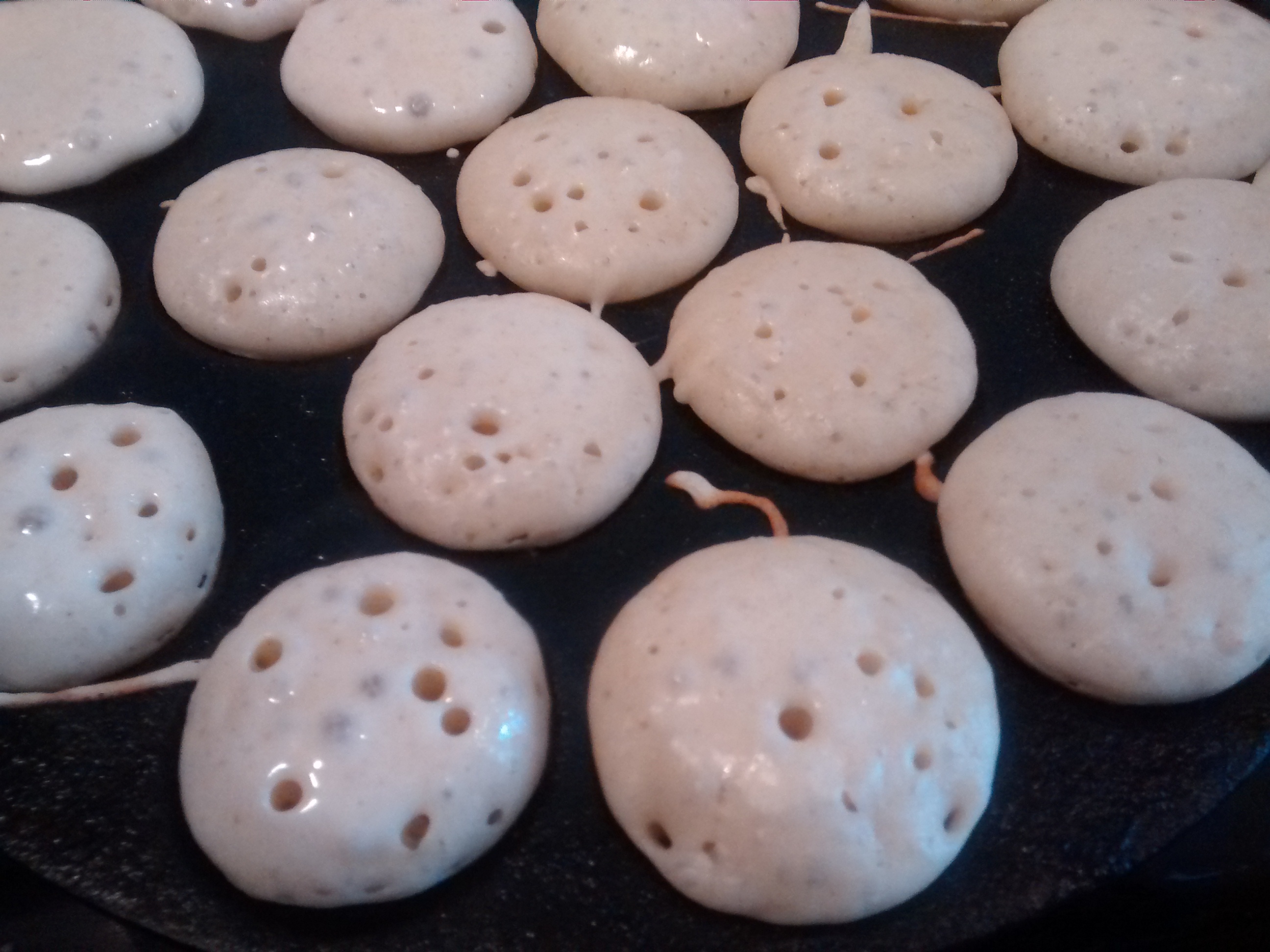
  • Using a teaspoon fill each indentation in the pan – you need around 2 teaspoons for each.
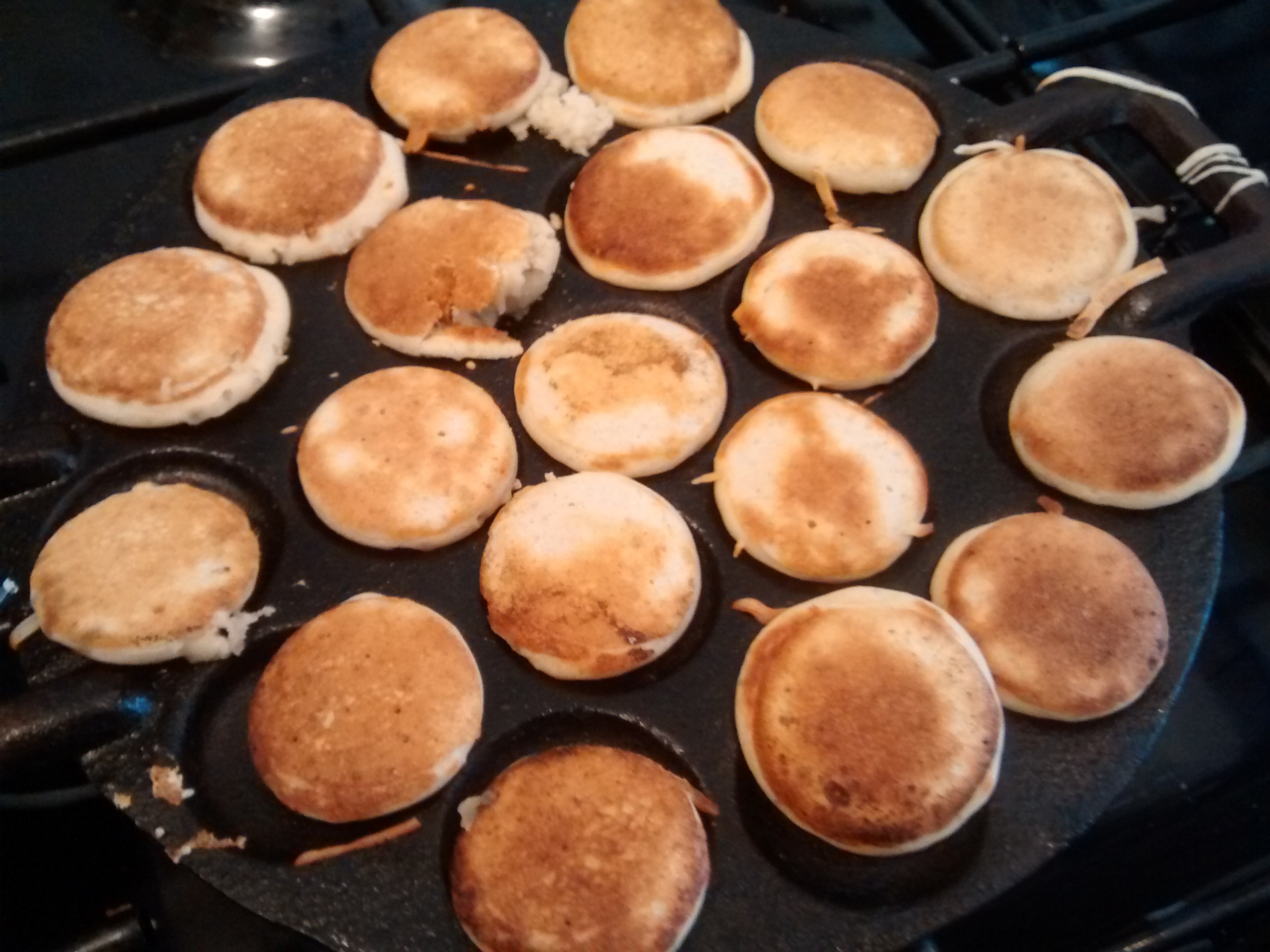
  • Turn the poffertjes around as soon as the bottom has set, using two forks.

IMG_20160729_155011830 IMG_20160729_155005608 IMG_20160729_155148766


Dredge the poffertjes with lots of icing sugar.


IMG_20160729_155323367 IMG_20160729_155326899 IMG_20160729_155335265


IMG_20160729_161532512_HDR
Using a Cast Iron Frying pan


IMG_20160729_161517656_HDR


IMG_20160729_162716300 IMG_20160729_163631458 IMG_20160729_163635244


Canadian Alternative!

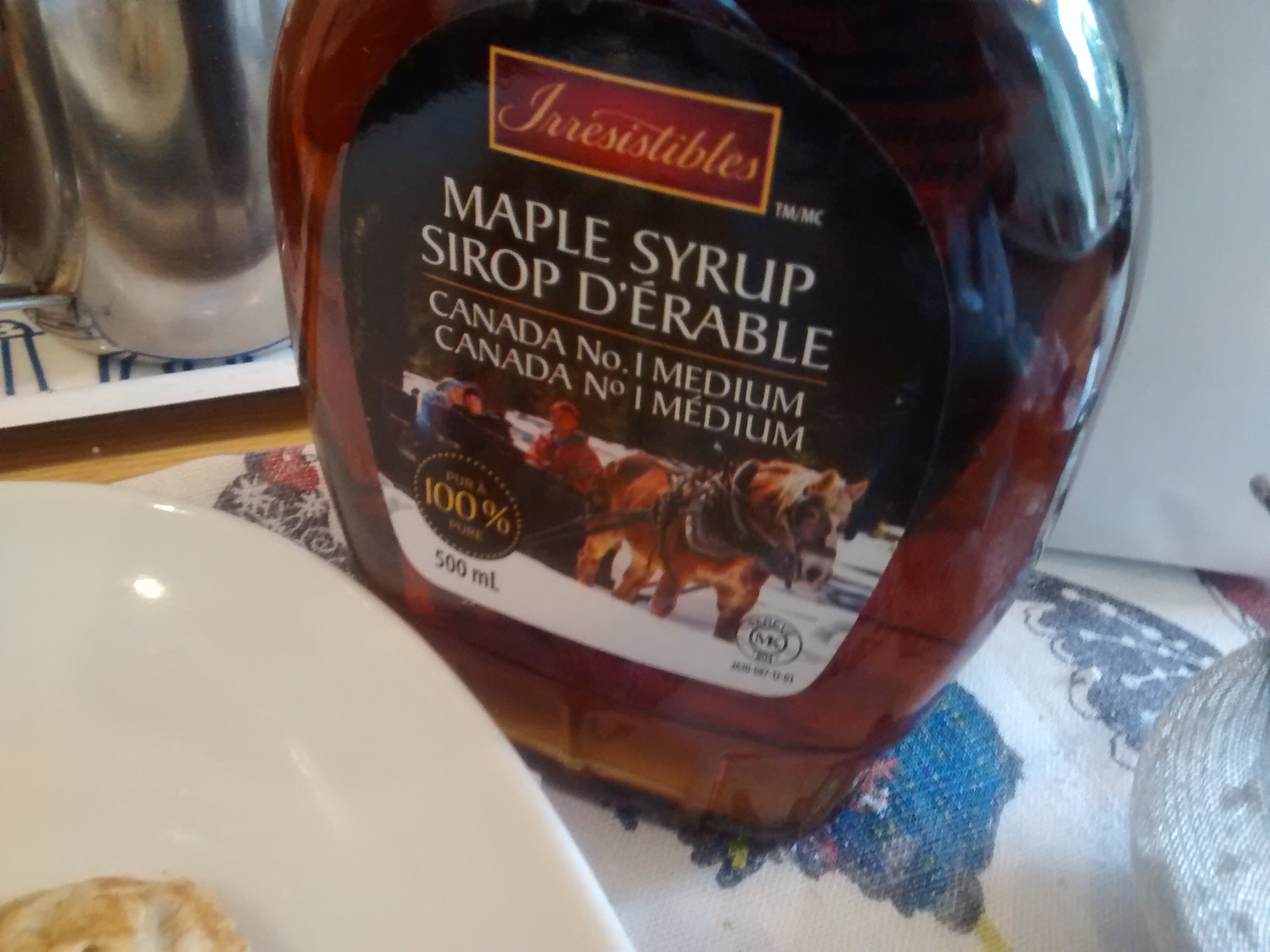
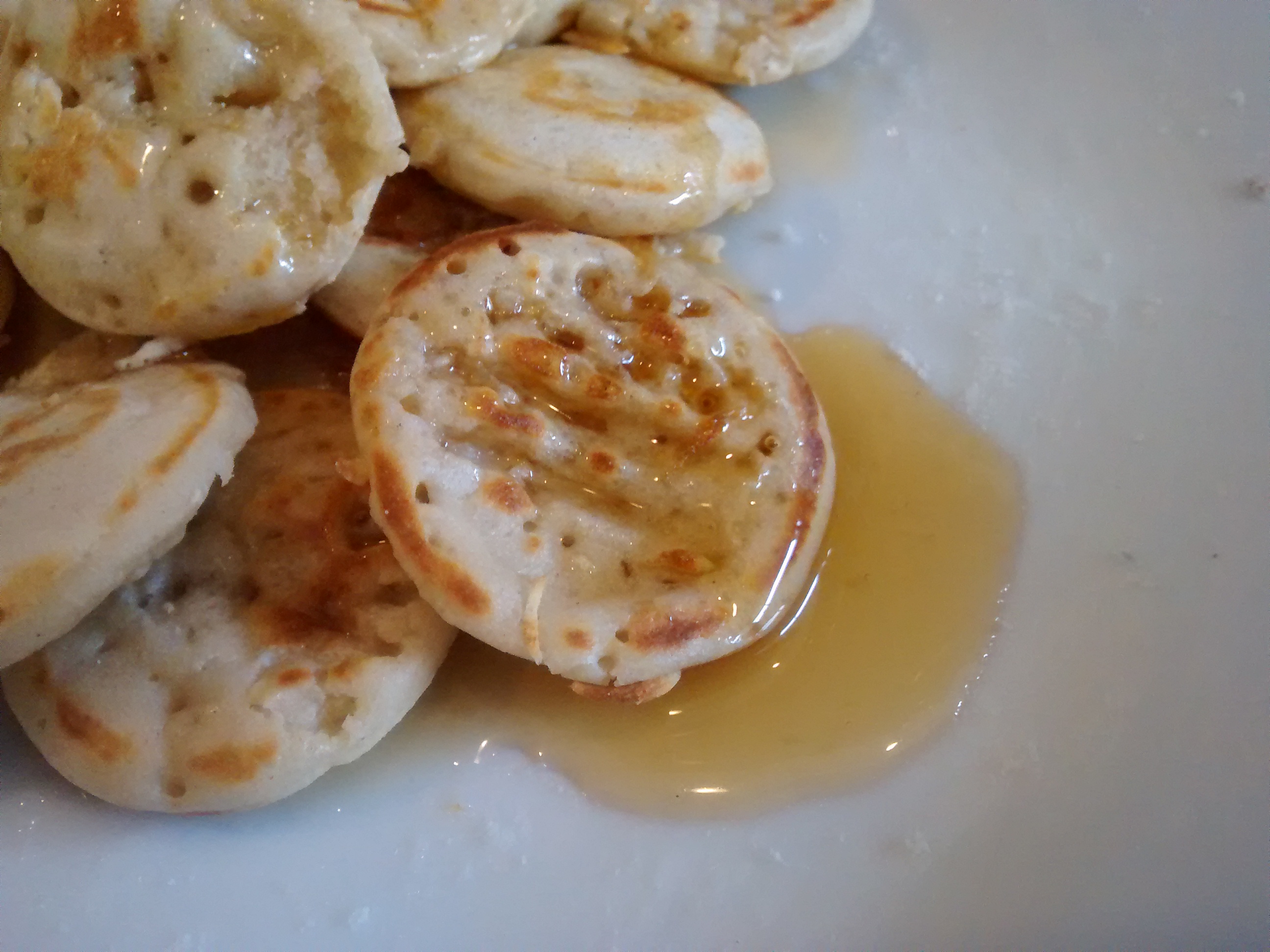
One of my friends who now lives in Canada brought me a large bottle of maple syrup on her last visit and I tried this over the poffertjes instead of the icing sugar – they were delicious.

IMG_20160729_161009545


IMG_20160729_161041541