New Magazines

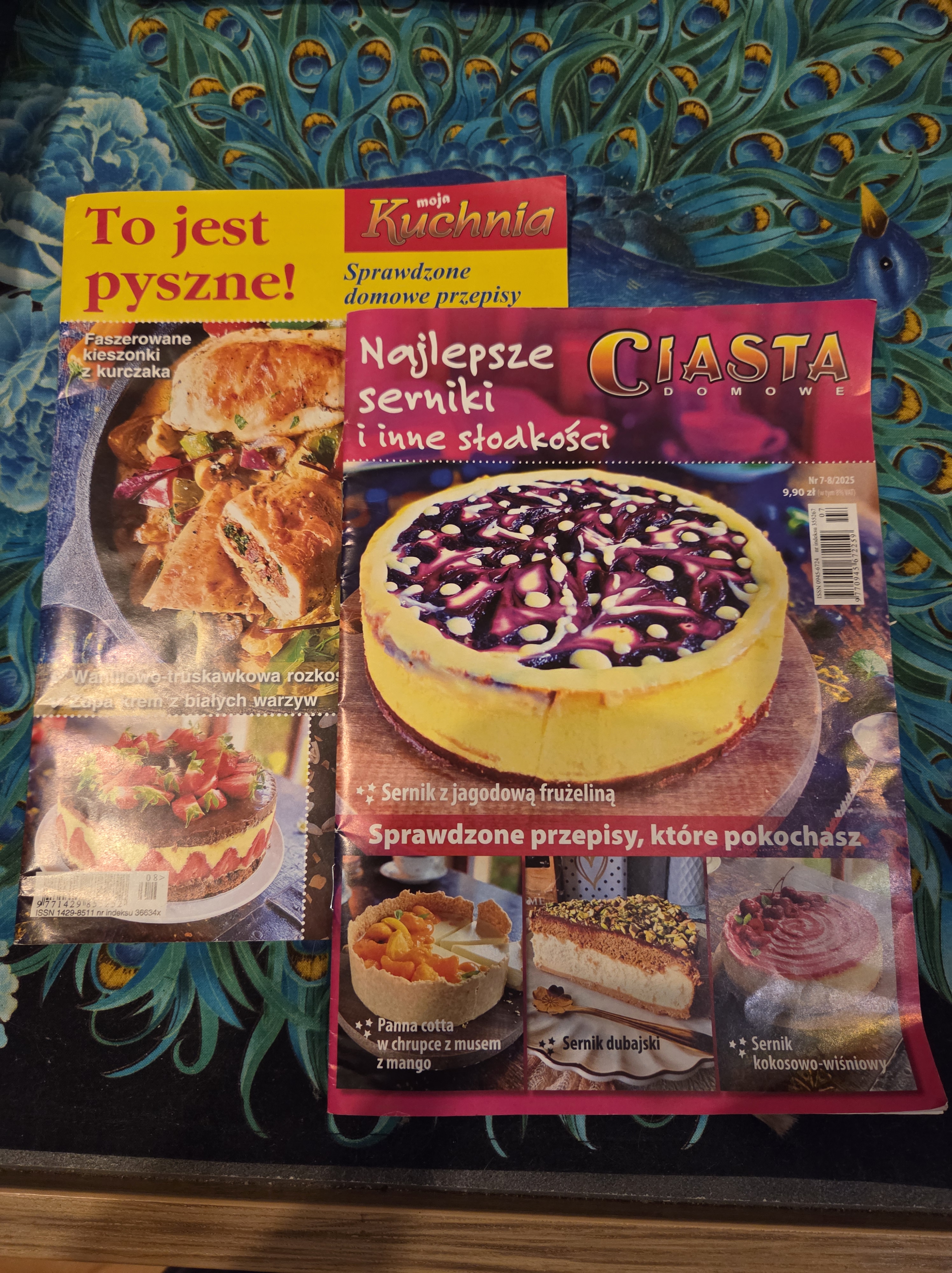
  • I am back from a trip to Poland.
  • I stayed in Głogȯw & Wrocław with one of my friends.
  • I bought a couple of food magazines to add to my collection.
  • There are several recipes I am going to try soon both savoury and sweet.
  • These include soups and serniki cheesecakes.
  • Look out for these in the near future.
  • I need to go out and buy some of the ingredients to get started …. 

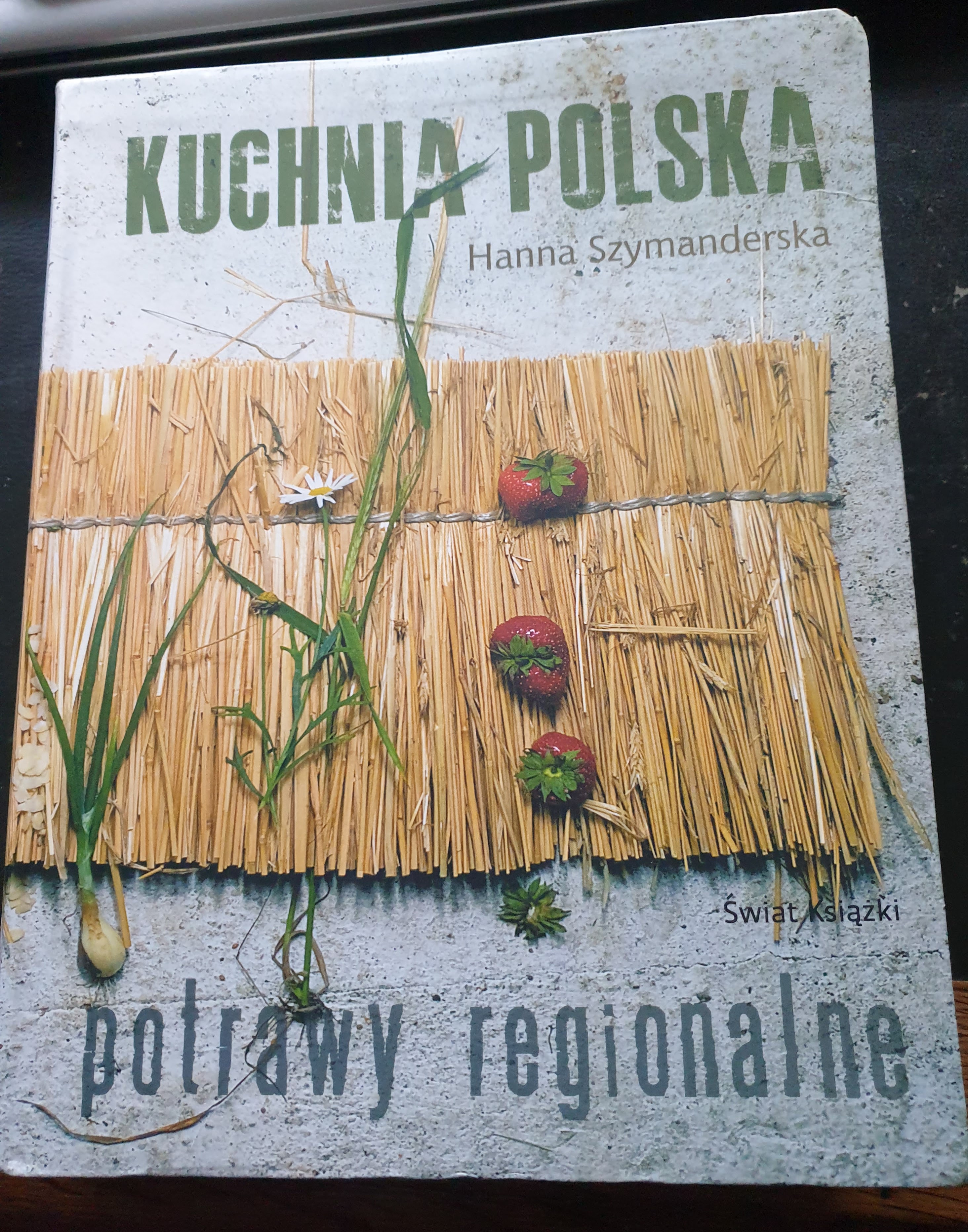
Regional Cookery Book

  • I saw this book advertised for sale as second hand.
  • I ordered it straight away.
  • I did not realise how big it was until it arrived.
  • I was very pleased as there are over 600 pages!
  • It was published in 2010.
  • It is divided onto 11 regions.
  • Lots of research for me to do.

“Our Food is Our Identity”

  • Claudia Roden was born in Cairo, Egypt in 1936.
  • She moved to Paris in 1951.
  • Then to London in 1954.
  • Her family was Jewish.
  • She collected recipes from family, friends and anyone else who would contribute.
  • She has written many cookery books.
  •  I recently bought a second hand copy of ‘Jewish Cookery from Samarkand to Vilna’- mainly because of the Polish connections, especially Vilna (Wilno), the nearest large town my father identified with.
  • A few years ago I heard a programme on the radio in which Claudia said
  • “Our Food is Our Identity”.
  • I so agree with this statement.
  • *
  • Polish Cookery is influenced by food from other countries  – in the past from France, Italy & Germany as well as – Lithuania, Finland & Sweden.
  • Jewish cookery has also influenced some of the dishes served in Poland.
  • Many people say  that when they made a recipe they always remember the person that gave then this recipe.
  • Do you have such recipes?
  • Here are just a few of my Mama’s recipes, which will always remind me of her.
  • *
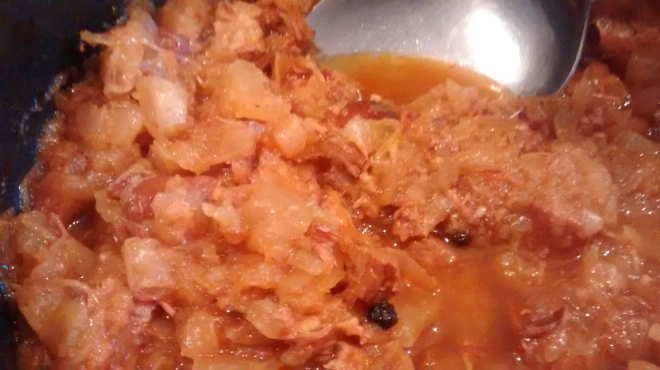
  • Bigos
  • Pierogi
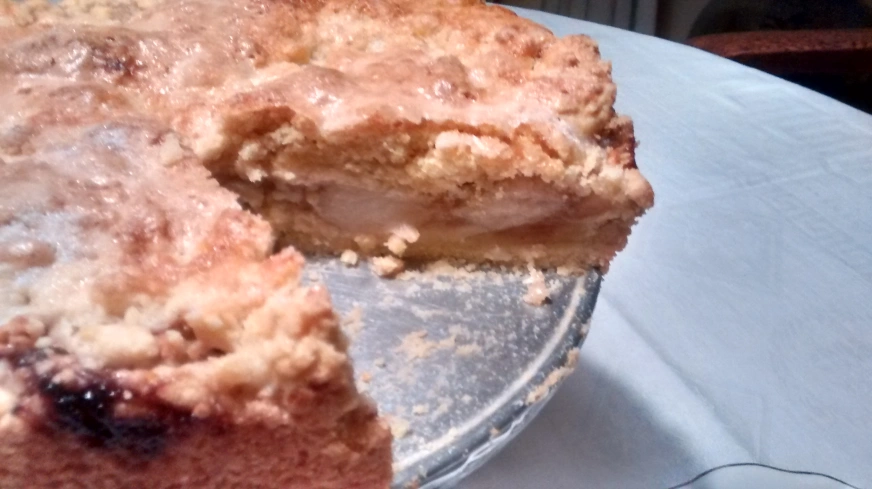
  • Polish Apple Cake
  • Polish Potato Pancakes

Finnish Cookbook

I am always amazed at what gems you can find in Charity shops.

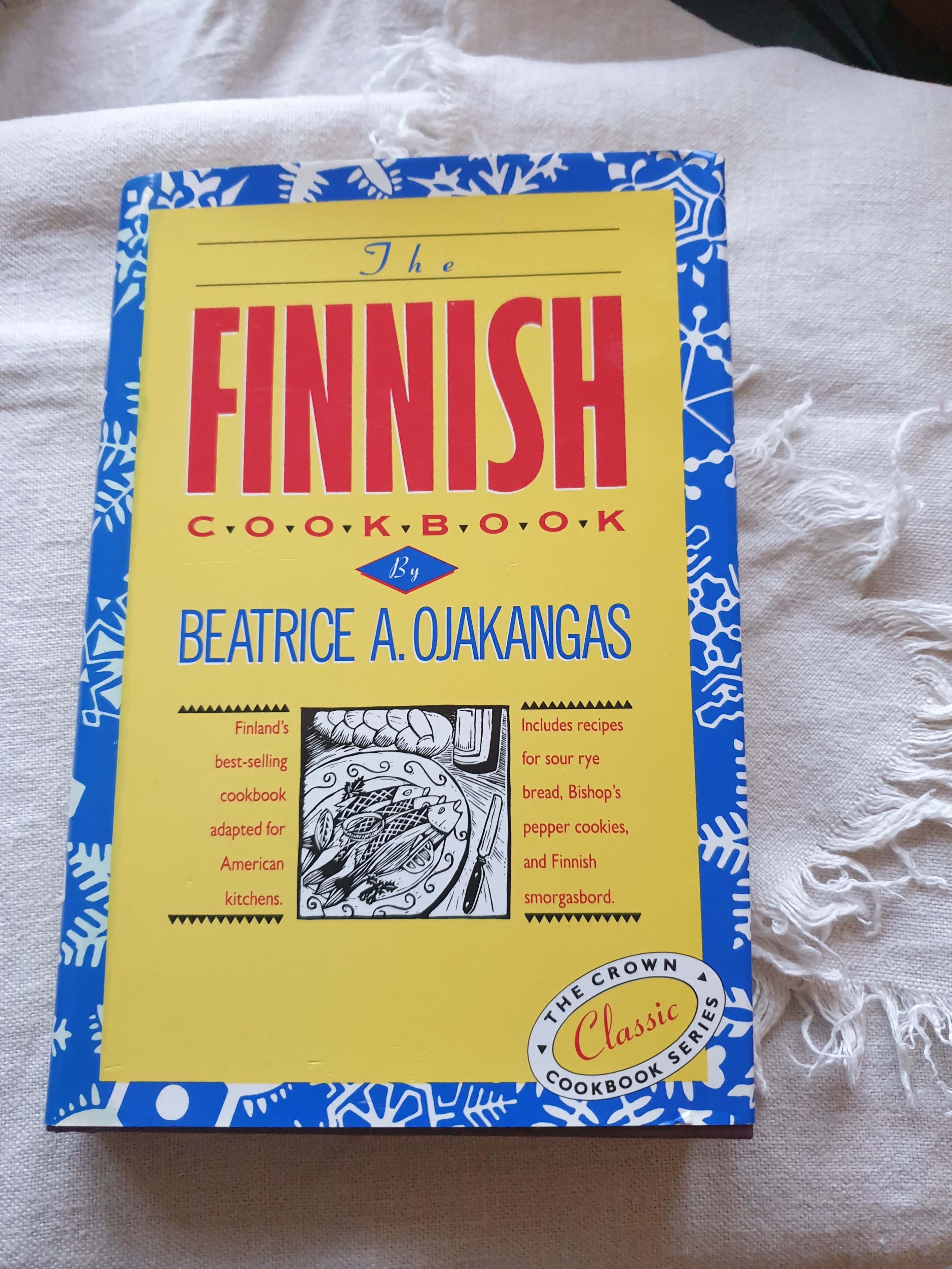
  • This book on Finnish Cookery is my latest find.
  • The ‘Finnish Cookbook’ by Beatrice A. Ojakangas.
  • First published in 1964 and this edition in 1989.
  • It is aimed at the American market so the recipes are in cups etc.
  • I will go with cups and tablespoons for liquids but for ingredients such as flour, sugar and butter I will convert these to grams when I try them.
  • I have learnt a lot about Finland from this book.
  • Because of its closeness to Russia it is not surprising that some of these recipes are similar to ones found in Russia.
  • It then follows that some of the recipes are also similar to ones found in Eastern Poland and to ones which I have posted.
  • Lingonberries, Rye, Cabbage  & Herrings are just some of the similar ingredients.
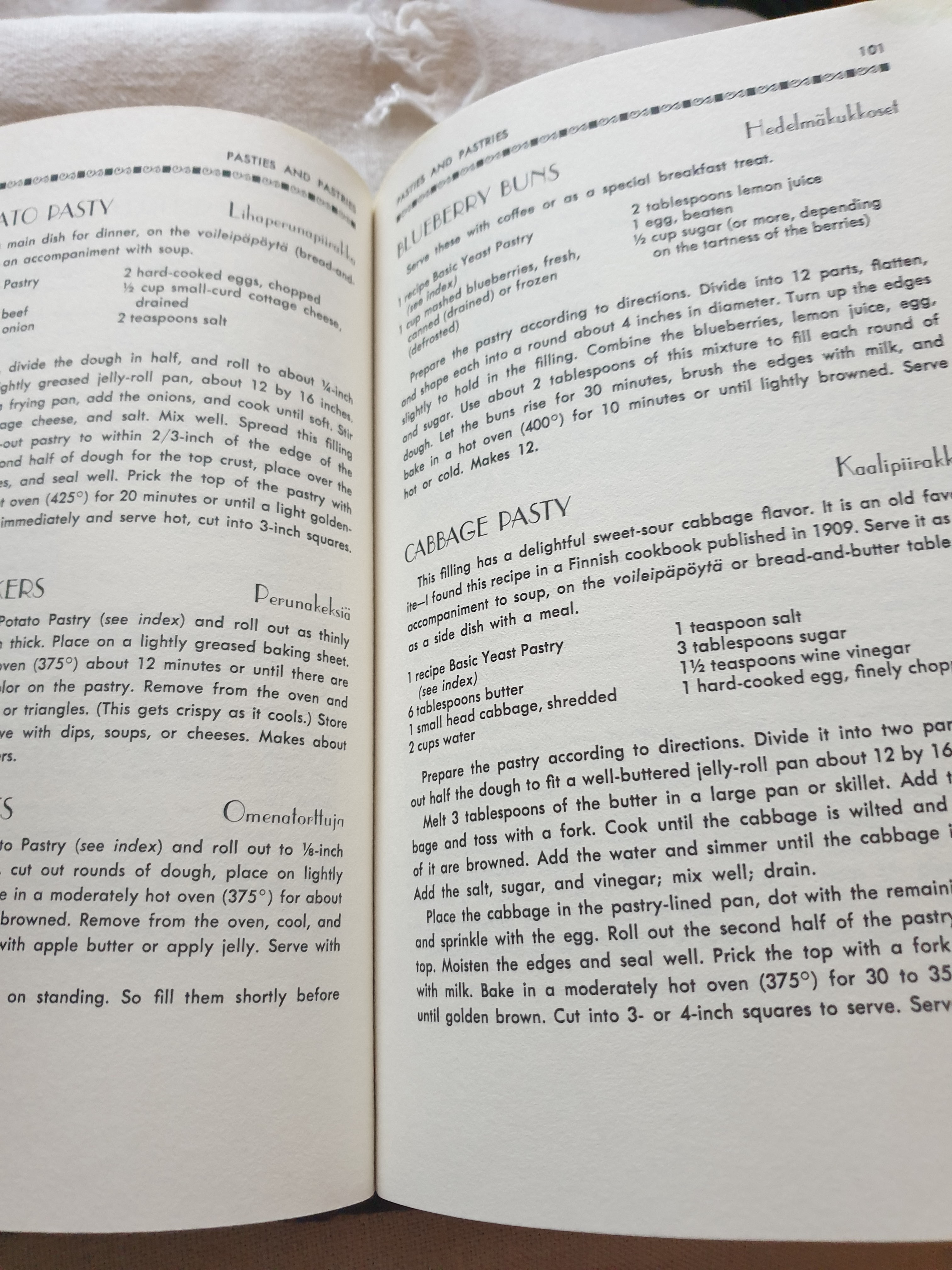
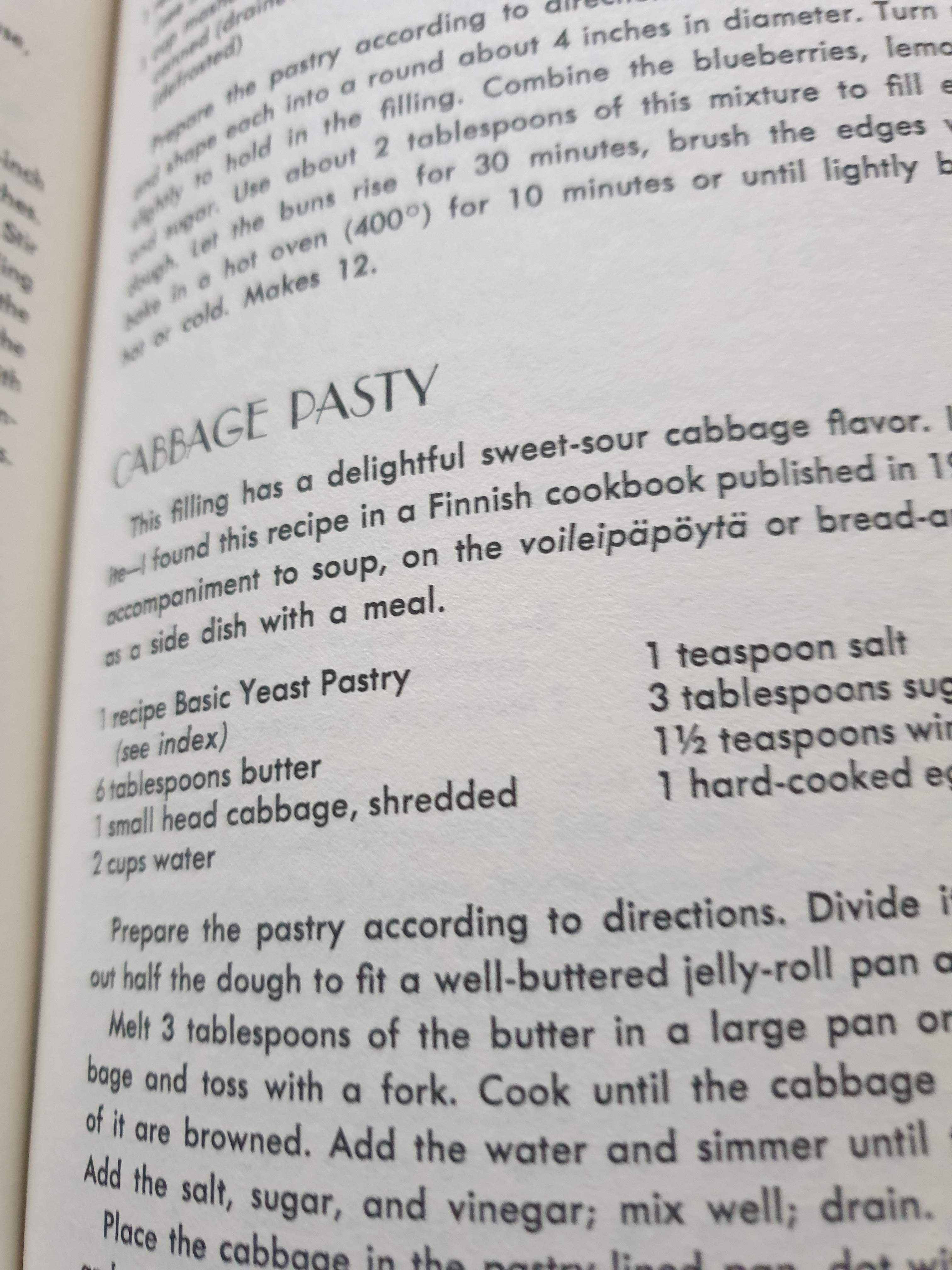
  • The ‘Cabbage Pasty’, which is served as a’ ‘Soup Accompaniment’  is one example, which is very similar.
  • Look out for recipes from this book as the New Year (2024) goes on.

Do you know any Finnish Recipes?

Kartacze or Kołduny

  • Kartacze, sometimes called kołduny , are potato dumplings, stuffed with meat and then boiled.
  • They are very similar to pyzy  but they are a different shape – long rolls rather than round balls.
  • Traditionally they are served with some skwarki – crispy smoked bacon bits or slightly charred onions, a mixture of the two or just melted butter poured over them.
  • There are many recipes, some made with raw potato, others with boiled or steamed potatoes and some using a mixture of the two.
  • I have found that using a 50:50 mixture of  fine grated raw potatoes and boiled potatoes gives the best results.
  • You will need some flour, which can be wheat flour, potato flour or a mixture of the two (I prefer just wheat).
  • You also need eggs or egg yolks – around 1 egg to 1 kilo of potatoes.
  • For the filling you needs some cooked meat such as from a klops – meat loaf, cooked kotlety (meat balls/burgers) or meat filling for pierogi.

Ingredients

  • 750g of raw potatoes
  • 750g of cold boiled potatoes
  • 1 egg and 1 yolk
  • 1-2 tablespoons of plain flour  & extra for dusting
  • Salt

Method

  • Grate the raw potatoes using a fine grater.
  • Place the potatoes on a clean tea cloth.
  • Squeeze out as much liquid as possible.
  • Mash or use a ricer to get the boiled potatoes smooth and lump free.
  • Mix the two sorts of potato together in a large bowl.
  • Add the egg and the yolk and mix together.
  • Add enough flour to make a stiff dough.
  • Add some salt.

Ingredients – Filling

  • 250g of cooked and then minced or finely chopped meat(usually pork)
    such as from:
    • Klops – meat loaf
    • Cooked minced kotlety (meat balls/burgers)
    • Meat filling for pierogi.
  • Half a grated onion
  • 25g of melted butter
  • 1-2 tablespoons of dried breadcrumbs – bułka tarta
  • Salt & pepper

Method – Filling

  • Mix all the ingredients together to make a stiff filling.
  • Season to taste.

Making the kartacze

  • You are aiming for  a thick roll.
  • Take a small handful of the mixture and shape it into a flat oval.
  • Place this onto a floured board.
  • Add a tablespoon amount of the meat filling.
  • Bring the potato mixture around the filling and with floured hands shape into a roll.
  • Seal up the short ends with the potato dough.
  • Repeat this with the rest of the potato mixture and meat filling mixture.
  • Have ready a large pan of boiling water to which you have added some salt and a bit of sunflower oil..
  • Place around 4 kartacze at a time into the hot water.
  • Let them rise to the top then simmer for 8 – 9  minutes –  not too long as they will start to disintegrate.
  • Remove with a slotted spoon and place in a colander over a pan.
  • *
  • Place into a warm serving dish and top with skwarki – crispy smoked bacon bits, slightly charred onions, a mixture of the two or just melted butter.
  • Keep the dish warm and continue adding to the kartacze in the dish as they cook.
  • The fat in the topping stops them sticking together.

Cranberry & Apple Soup

  • This fruit soup is is both refreshing and warming in the winter.
  • Do not make it too sweet – it needs to be slightly tart.
  • Just like other soups this is served as a first course.
  • This soup is delicious served hot.
  • *
  • Although not traditional I think it could be super for Wigilia (Christmas Eve).

Ingredients

  • 300g cranberries
  • 2 large cooking apples
  • 100g granulated sugar
  • 2 tablespoons of potato flour or cornflour
  • Small cinnamon stick
  • 8 cloves or allspice grains
  • 1 – 1.5 litres of water
  • *
  • Little sponge cakes  to serve

Method

  • Put the water and spices into a large saucepan.
  • put the cranberries into the pan.
  • Peel and core the apples, chop into large pieces and add them to the pan.
  • Bring to the boil then simmer with a lid on the pan till the fruits are very soft.
  • Remove the spices.
  • Leave to cool a little and purée the liquid.
  • You will find there is a lot of foam and cranberry skins on the top – remove these with a slotted spoon.
  • You might want to sieve the remaining liquid through a sieve.
  • Add the sugar to the liquid and bring to the boil.
  • Mix the potato flour with a little water.
  • Add this to the soup.
  • Bring to the boil, stirring gently.
  • Simmer and stir until the soup thickens.
  • Serve with little sponge cakes.

Alfred Meakin – Midwinter – Spanish Garden soup dishes from the 1960s.

Beetroots & Apples

This is a delicious way of serving beetroot warm with a roast dinner.

Ingredients

  • 500g boiled or roast beetroots
  • 2-3 cooking apples
  • 60g of butter
  • Juice and grated rind of a lemon
  • 2-3 tablespoons of creamed horseradish sauce
  • 125ml of soured cream
  • Salt & pepper to taste

Method

  • Grate the beetroots using a medium grater.
  • Peel and core the apples and grate using a medium grater.
  • Mix the beetroot and apple together.
  • Mix in the lemon rind and juice.

  • Melt the butter in a large shallow frying pan.
  • Gently cook the mixture in the butter stirring often.
  • Cook for around 5-10 minutes.
  • Take of the heat.
  • Add the horseradish sauce and the soured cream.
  • Mix well together.
  • Season to taste and serve immediately.

Serve in Royal Doulton – Carnation – 1982 – 1998.

Note

Should you have any left you can serve it cold with cold meats.

Podkarpackie Hreczanyki

I saw a picture on an Instagram site of  Podkarpackie hreczanyki – I had not heard of them before so did some research and decided to make them.

They are buckwheat and minced meat kotlety (burgers or meatball).

Podkarpackie is a mountainous province in the south-eastern corner of Poland.

Its name translates into  English as Subcarpathian – these are the the foot hills of the Carpathian Mountains.

The usual Polish word for buckwheat is  gryka  but here a regional word  hreczka is used.

Buckwheat (Fagopyrum tataricum) is used very much in Polish cookery and was eaten in Poland long before the introduction of the potato in the 18th century.

I have written already about the use of its flour to make bliny & pancakes.

The buckwheat has a strong, slightly perfumed taste and I think beef is a good meat to mix with it.

These are often serve with mushroom sauce. I heated some up in the sauce itself and I thought they were even better this way. They soak up the sauce and are delicious.

Ingredients

  • 100g buckwheat
  • 500g of minced beef
  • 1 onion
  • 4 cloves of garlic
  • 2 eggs
  • Salt & pepper
  • *
  • Dried breadcrumbs or flour to shape
  • Sunflower oil for frying
  • *
  • Mushroom sauce for serving

Method

  • Cook the buckwheat according to instructions.
  • I use the boil in the bag method with a 100g packet.
  • Drain and leave to go cold.


  • Chop the onion and garlic very fine or use a mini chopper.
  • Mix the beef and buckwheat together.
  • Add the onion and garlic and the 2 eggs.
  • Add some salt and pepper.
  • Mix the ingredients together with your hands.
  • Shape the mixture into large balls and coat them with dried bread crumbs or flour.
  • Fry them on both sides so they are cooked through.
  • Keep the cooked ones in a low oven whilst cooking the rest.
  • *
  • Serve with a strong mushroom sauce or
  • *
  • Put them into an oven proof dish and cover them with mushroom sauce.
  • Cook for at least an hour at GM4 – 180°C.


Royal Doulton – Tapestry – 1966-1988
Ogórkowa – Gherkin Soup -2

I posted the recipe for ogórkowa – gherkin soup, which is a classic Polish soup, over a year ago.

It is sour, a taste much loved by the Poles!

It is traditionally made from brine fermented gherkins but you can also use pickled gherkins.

I was sorting out my cutting and notes the other day and came across this recipe from my aunt in Białystok and decided it was time I made this version.

Ingredients

  • 250g gherkins
  • 125ml gherkin liquid
  • 1.5 litres of vegetable stock (can be from cubes or powder)
  • 4 medium potatoes, peeled – boiled or steamed
  • 3-4 carrots whole – peeled – boiled
  • 125ml of soured cream
  • Chopped dill – some to add and some  to serve

Method

This is easiest to make if you have some potatoes and carrots boiled already.

  • Add the gherkin liquid to the vegetable stock and bring to the boil.
  • Rough chop the gherkins.
  • Drop the gherkins into the liquid and simmer for around 20 -25 minutes.
  • Chop the boiled potatoes into rough cubes.
  • Chop the boiled carrots into circles or half circles (depending on the size)
  • Add the potatoes and carrots, stir and simmer for around 5 minutes.
  • Stir in some chopped dill.
  • Stir in the soured cream.
  • Serve with extra dill sprinkled on top.


Served in Royal Doulton – Tapestry – 1966 – 1988.


Knedle – Polish Potato Dumplings

The word knedle comes from a German word knödel which means dumpling.

Knedle are similar to kopytka, both can be called potato dumplings. They are different in shape but both are made with boiled potatoes, which have been left to go cold.

I  often boil potatoes the day before – the exact amounts are not critical but you must use starchy potatoes. When you have made these once you will have a good idea of the amounts involved.

Traditionally they are served with either melted butter or skwarki (crisp, fried, small squares of bacon) or charred fried onions.

Ingredients

  • 650 -750g boiled starchy potatoes – such as King Edward or Maris Piper
  • 1 egg & 1 yolk
  • 200g potato flour or plain flour or a mixture of the two.(I prefer a mixture or just plain flour)
  • salt

Method

  • Peel the potatoes, cut them up into pieces and boil them in salted water.
  • Drain the potatoes.
  • Leave the potatoes to cool.
  • Mash them so that there are no lumps – I have a ricer which is very good for this.

  • Use a large bowl and put the mashed potatoes into the bowl.
  • Lightly beat the egg and the yolk together and add this to the potatoes.
  • Add a little salt.
  • Weigh out the flour to give an idea of how much is needed – this will depend on the type of potato and the size of the eggs.
  • Add the flour and mix first with a wooden spoon and then by hand.
  • You might not need all the flour or you may need more.
  • Mix until you have a soft dough.
  • Have ready a large floured board to put the knedle on.
  • With your hands take small amount of the dough and roll into walnut sized balls.
  • On the board flatten the ball to a thick disc.
  • Made a thumb print in the centre of the disc (this allows them to hold more sauce when served).
  • Repeat this with the rest of the dough.
  • Fill a large pan with water, add some salt and bring this to the boil.
  • When the water is boiling, add the dumplings one by one, do not over fill the pan or they will stick together, around 5 at a time.
  • As they cook they will float to the surface then let them cook for another 2 minutes.
  • Then remove them with a slotted  or a perforated spoon and put them in a colander.
  • I have a colander sitting in an empty pan by the side of the large pan in which I am boiling the knedle.

  • Served here with melted butter, charred fried onions and mushroom sauce.

Served  in soup dishes by Royal Doulton – Tapestry – 1966 -1988.